Engagement Rings
Wedding Ring Insurance: What It Covers and What to Skip
Most couples insure their wedding venue, their gifts, and their honeymoon, then walk out the door wearing a five-figure ring with no coverage at all. Wedding ring insurance is one of the easiest, most overlooked steps in the whole engagement process. It is also remarkably affordable—often a couple of dollars a month per $1,000 of value—for a piece of jewelry you will wear every day for the rest of your life.
What a jewelry policy actually covers
A dedicated jewelry rider or standalone policy typically covers loss, theft, and accidental damage. That matters because your renters or homeowners insurance usually only covers jewelry up to a small fixed limit, and often only inside the home. A ring left in a hotel bathroom, swept off at a beach, or damaged by a knocked prong is exactly where a standard policy falls short. Read the wording for the specific perils that matter to you:
- Loss. The ring simply disappears. This is the coverage people need most and the one basic policies often deny.
- Theft. Covered in nearly every jewelry policy, including travel.
- Accidental damage. A prong breaks, a stone chips, the ring bends. Check whether repair or replacement is paid.
- Mysterious disappearance. A vague but important clause that covers a ring you cannot prove was stolen or dropped.
Pay special attention to whether the policy pays replacement at retail value or at a depreciated amount, and whether it will cover a ring while traveling abroad.
You need an appraisal first
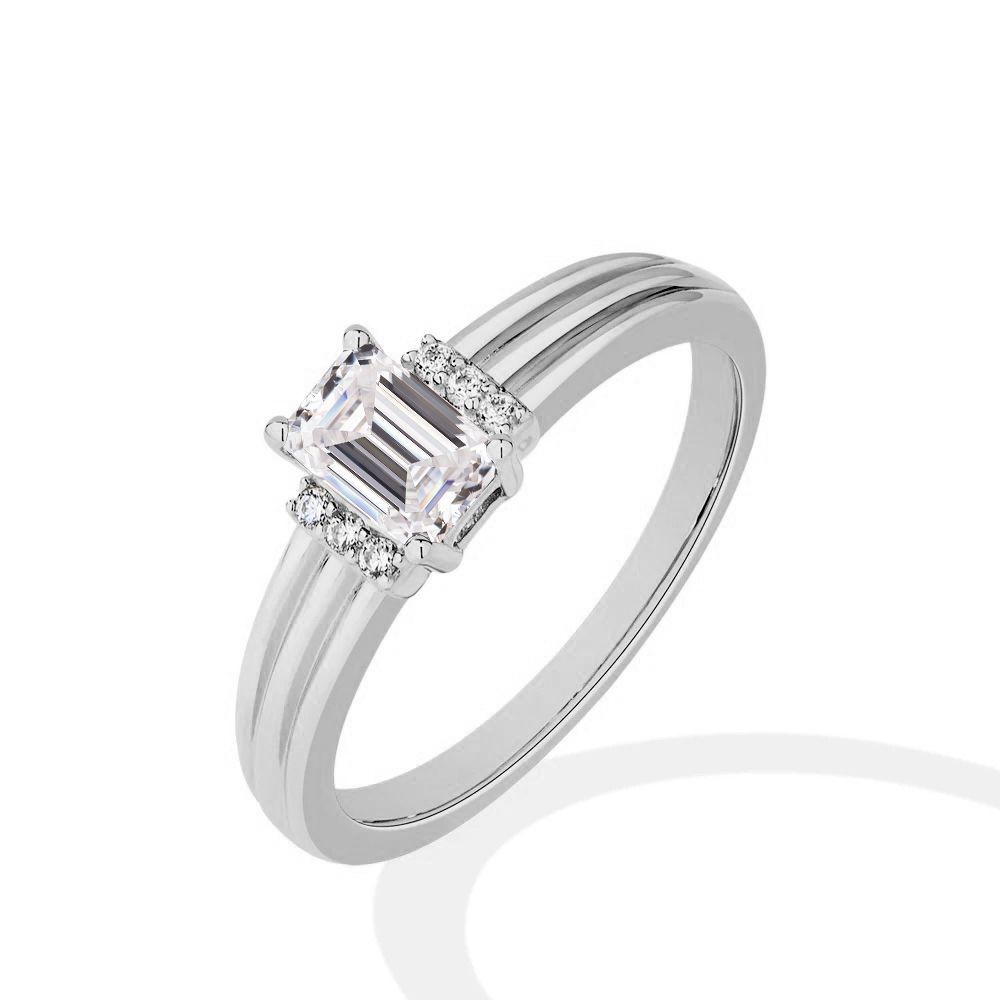
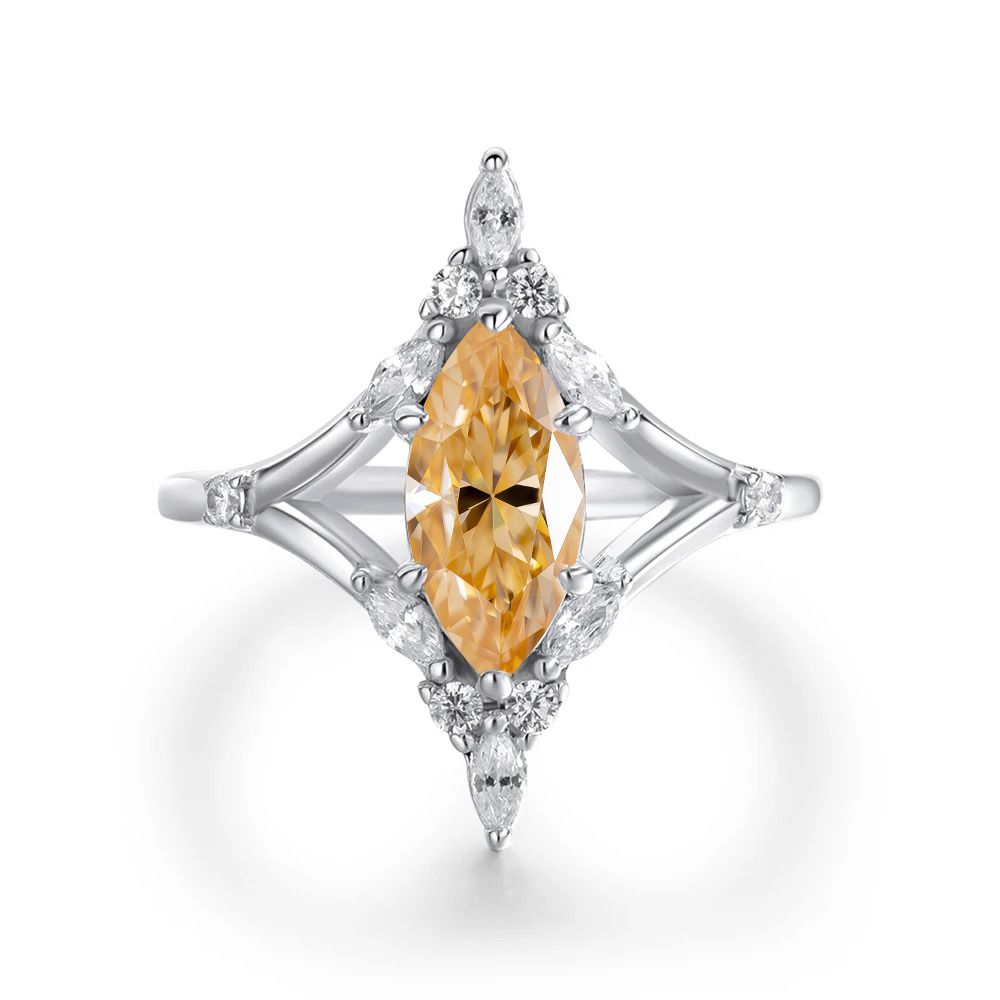
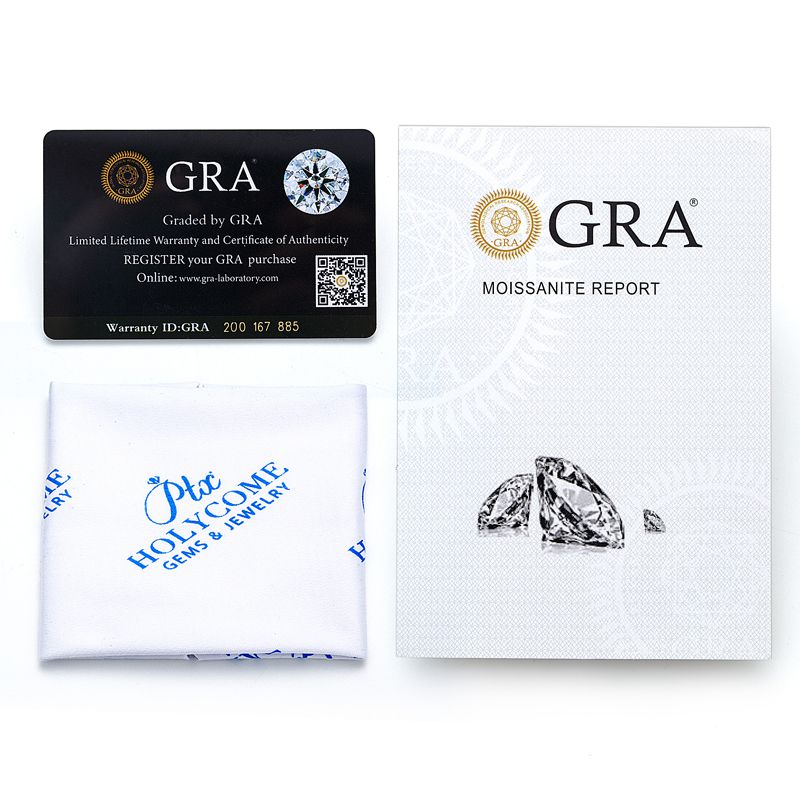
Insurance companies will not write a policy without proof of value. That means a written appraisal from a qualified jeweler describing the ring: metal, weight, stone shape, carat, color, and clarity, plus photographs. If your ring is moissanite, include its grading report; the process in how to read a GRA moissanite certificate gives you the documentation insurers expect. Keep the appraisal, the receipt, and the certificate together in a safe place, and take a clear photo of the ring on your hand.
How much it costs
Premiums are usually calculated as a small annual percentage of the insured value, and they vary by region and risk. A ring insured in a low-crime, low-wear area costs less than the same ring in a city with high jewelry theft. Because moissanite rings carry a lower replacement value than mined-diamond rings of the same visual size, premiums are correspondingly friendly. Update the appraisal every few years if you add an anniversary band or upgrade a setting; underinsuring is the most common reason a claim comes up short.
When it is worth skipping
A small, inexpensive band may not justify a separate policy if your existing homeowners coverage already protects it above its value. But for most engagement rings—and certainly for anything with a center stone—the cost of one year of premium is trivial next to the cost of replacing the ring. Pair the policy with the everyday habits in the prong wear and repair guide so you are both covered and proactive.
How to choose between a rider and a standalone policy
You have two common routes. Adding a scheduled personal-property rider to your existing renters or homeowners policy is convenient because it rides on a policy you already pay for, but the claims process runs through your home insurer, and rates can change if you file a claim. A standalone jewelry insurer specializes in exactly this kind of coverage and often offers faster, simpler claims, optional repairs at a jeweler you choose, and worldwide coverage. Compare both, and read the fine print on whether the policy replaces the ring at today's retail price or at what you originally paid. The two answers can be very different after a few years of jewelry price inflation.
Once the policy is active, keep the documentation organized. Store the appraisal, the grading certificate, the receipt, and a recent photograph in two places—a digital folder and a physical safe. Set a reminder to review coverage every few years, especially after you add an anniversary band or upgrade a setting, because the ring's total insured value quietly grows. If you move or travel abroad for long stretches, tell the insurer so the coverage follows the ring.
Buying the ring is the romantic part. Insuring it is the practical part that makes sure the romance stays protected. Do it the week you get the ring, not after the day you forget it in a vacation rental. The small annual cost is easy to overlook next to the joy of the engagement, but it is the one step that guarantees the ring is still replaceable if the worst happens. Spend an afternoon on it now and you will not think about it again for years, which is exactly how good insurance should feel. It is the most boring, sensible purchase you will make during an engagement, and also one of the most worth it.
Gemstone grading terminology used here follows the Gemological Institute of America’s gem encyclopedia.
Frequently Asked Questions
What ring sizes can you supply in bulk?
US sizes 5–12 including half sizes. Send a size breakdown with your order and we cast to that curve; comfort-fit inner bands reduce resize requests.
Can I order a mixed size run instead of one size?
Yes. Mixed runs are standard for wholesale: specify quantity per size and we pack and label by size at no extra labor cost.
What is the MOQ for custom ring designs?
50 pieces per design for existing molds; 100–300 pieces when a new mold or CAD model is required.
How should I price rings for retail margin?
Most partners use a 3–4x markup on FOB cost for sterling and 2.5–3x for moissanite solos, which keeps landed cost under 30% of retail.
Send your spec sheet — stone, cut, size, plating and quantity — and we will return a costed timeline.
Ask the workshop