Engagement Rings
Four Prong vs Six Prong Engagement Rings: What Brides Actually Choose
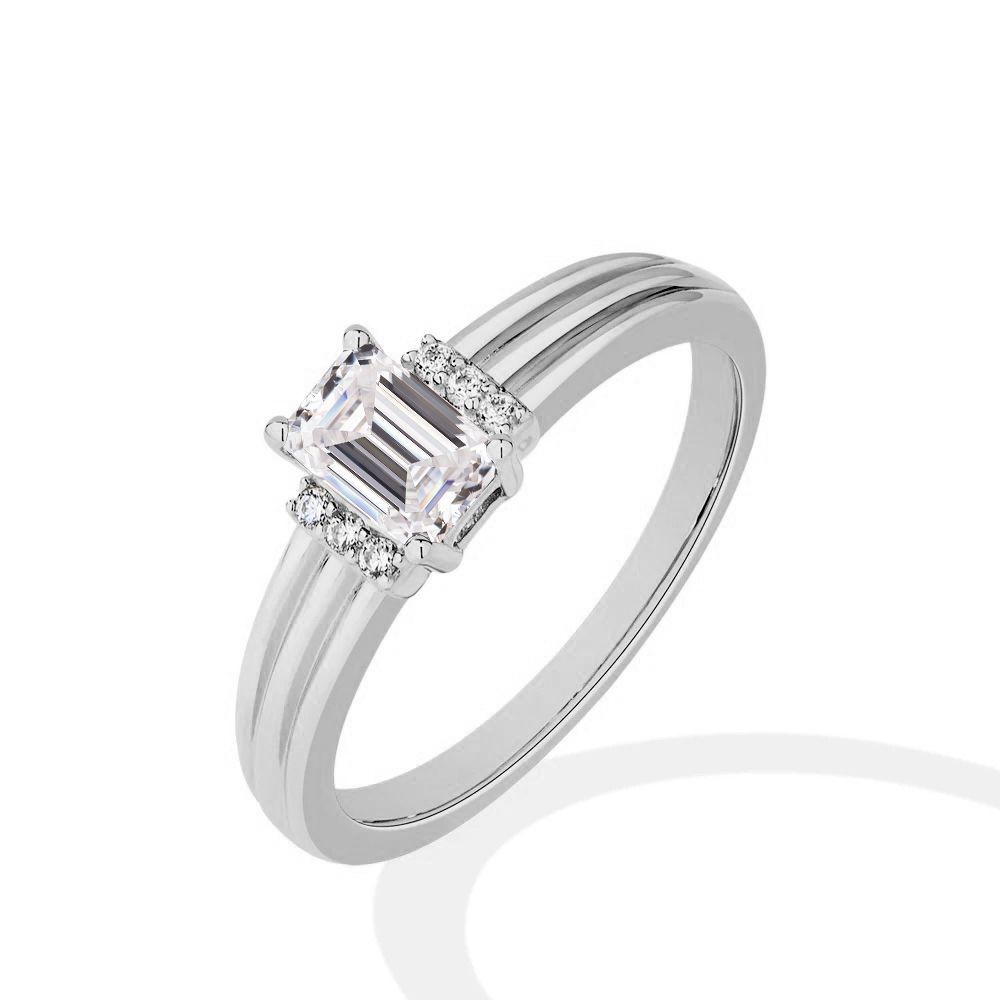
A buyer in Calgary sent us a photo of a returned ring: a 1ct equivalent oval moissanite had shifted about fifteen degrees in its head, and the bride blamed the stone. The lab card was fine. The problem was a four-prong head sized for a round, fitted to an oval, with the prongs balanced on the narrow ends. Most prong arguments on a bridal counter are not about taste. They are about matching the prong count to the shape, the lifestyle and the cleaning cycle the bride will actually follow.
Light performance: what the prongs cover
Every prong covers a small triangle of the crown. Four prongs cover less surface than six, so more of the stone's table and crown facets are exposed to light. On a round brilliant that extra exposure makes the center look brighter and whiter, which is why the classic Tiffany-style four-prong solitaire has dominated for a century. On an oval, pear or marquise, four prongs placed at the four cardinal points also leave the long open ends of the silhouette visible, so the shape reads correctly.
Six prongs cover more crown area and break up the light. The trade is visible up close: a six-prong head on a round reads as a smaller, more divided stone, almost like a tiny flower setting. Where six prongs win is on stones with sharp tips. A pear or marquise center benefits from an extra prong at each point, because the point is the first place a loose stone catches and pivots. GIA's cut and setting guidance notes that setting style changes perceived size and brilliance, which is worth quoting to a bride comparing heads side by side.
Security and the after-sale cost
Two extra prongs mean two extra contact points holding the girdle. The difference is not theoretical. A bride who works out, gardens or types eight hours a day will knock a four-prong head loose in roughly half the time it takes to wear through a six-prong head. The practical cost is the same either way: a prong re-tip and a stone check runs the boutique a bench fee and the bride a trip back in. For active brides we default to six prongs on any stone above 7mm, and we explain the trade rather than burying it. The settings for active brides guide covers the same durability logic from the lifestyle side.
Where four prongs are the correct call is on low-profile solitaires for brides who want maximum visible stone and who treat the ring as occasion wear. The bezel versus prong comparison covers the security end of the spectrum; prong count is the middle of that same decision. For brides choosing between a solitaire and a halo, the visible-stone argument is the same one we make in solitaire versus halo settings.
Maintenance you should tell the buyer about
Prongs wear. Thin prong tips roll flat after a year of desk work, and a rolled tip is a loose stone waiting to happen. Six prongs mean six tips to inspect at the six-month clean, not four. That is not a reason to avoid six prongs; it is a reason to price the first inspection into the sale. We include a complimentary clean and prong check at six months with every wholesale bridal ring we ship, because a bride who comes back for a clean buys her wedding band from the same counter.
One more detail most buyers miss: prong height. A high prong catches sweaters and hair; a low tuck prong protects the tip but covers more of the crown. On a four-prong head we usually tuck the prongs low, because the point of four prongs is visible stone and high prongs defeat it. On a six-prong head the prongs are already covering more, so a slightly taller prong reads as structural rather than fussy.
Does six prongs make the stone look smaller?
Up close, yes. The extra two tips divide the crown and reduce the visible open table. From across a room the difference is negligible, which is why six prongs remain the default for brides who will not notice the coverage but will notice a loose stone.
Which prong count is safest for an oval or pear?
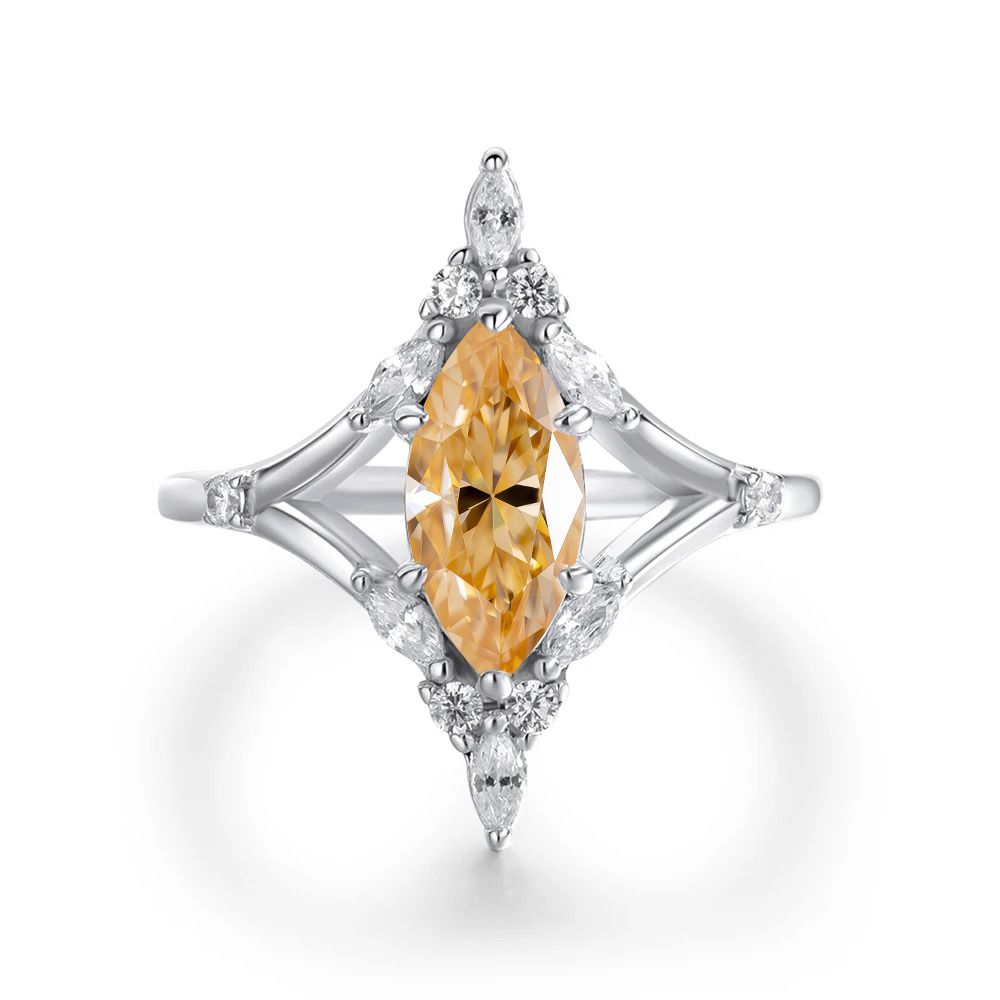
Six prongs, with the extra prongs seated on the two pointed ends. Four prongs on an oval only hold the shoulders and let the tips flex. This is the single most common return reason we see on oval solitaires.
How often should prongs be checked?
Every six months for daily-wear rings, and immediately after any hard impact. A rolled or bent tip shows as a small flat spot when the prong is run with a wooden stick; bench staff learn this in a day.
Can a four-prong ring be upgraded to six prongs later?
Yes, by re-heading the setting. It is a bench job, not a swap, and costs a fraction of a new ring. For a bride unsure which she wants, sell the four-prong look now and price the upgrade into her account file.
Request a wholesale prong setting sample tray with four-prong and six-prong heads in matching 14k yellow gold and platinum-tone, set with near-colorless moissanite. We ship eye-clean VVS stones with IGI or NGTC certification, and MOQ starts at 12 pieces for boutiques that want to let brides compare the two heads on the same hand before they buy.
Frequently Asked Questions
What ring sizes can you supply in bulk?
US sizes 5–12 including half sizes. Send a size breakdown with your order and we cast to that curve; comfort-fit inner bands reduce resize requests.
Can I order a mixed size run instead of one size?
Yes. Mixed runs are standard for wholesale: specify quantity per size and we pack and label by size at no extra labor cost.
What is the MOQ for custom ring designs?
50 pieces per design for existing molds; 100–300 pieces when a new mold or CAD model is required.
How should I price rings for retail margin?
Most partners use a 3–4x markup on FOB cost for sterling and 2.5–3x for moissanite solos, which keeps landed cost under 30% of retail.
Send your spec sheet — stone, cut, size, plating and quantity — and we will return a costed timeline.
Ask the workshop