Engagement Rings
Cluster Flower Engagement Rings: A Wholesaler's Buying Guide
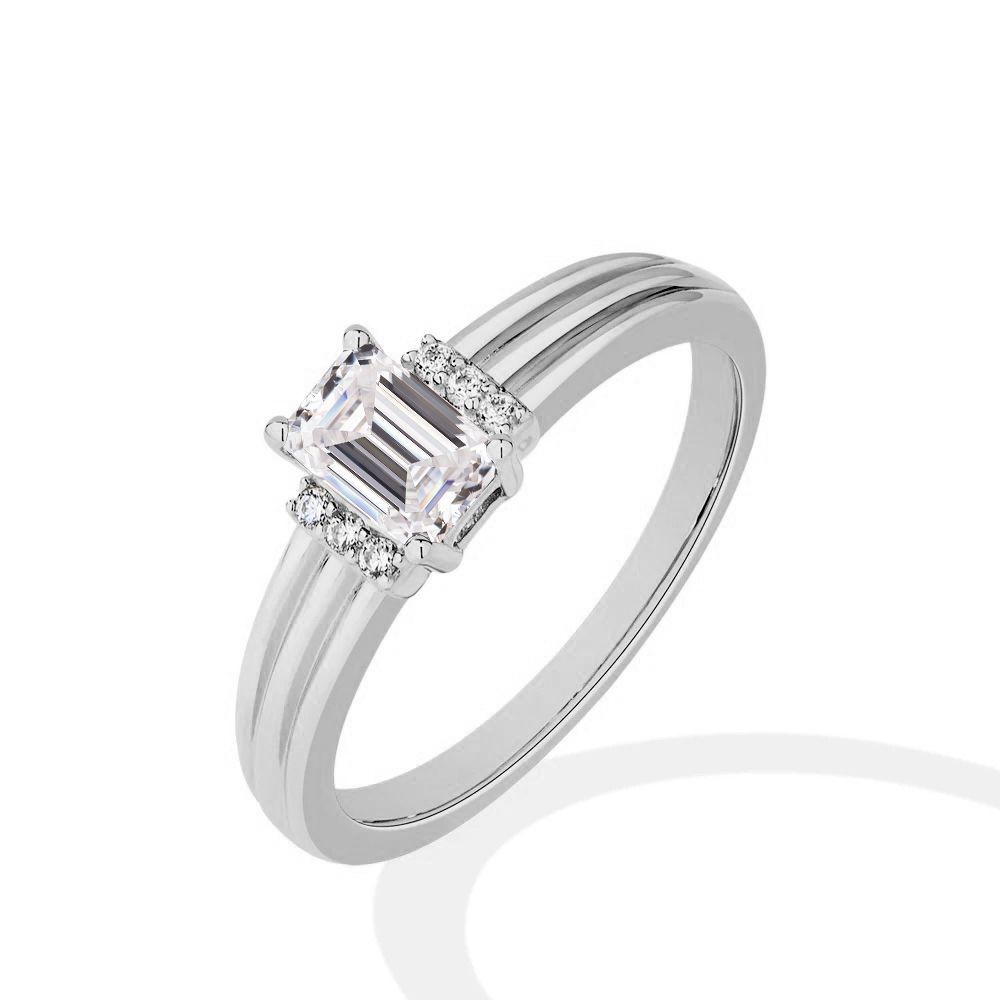
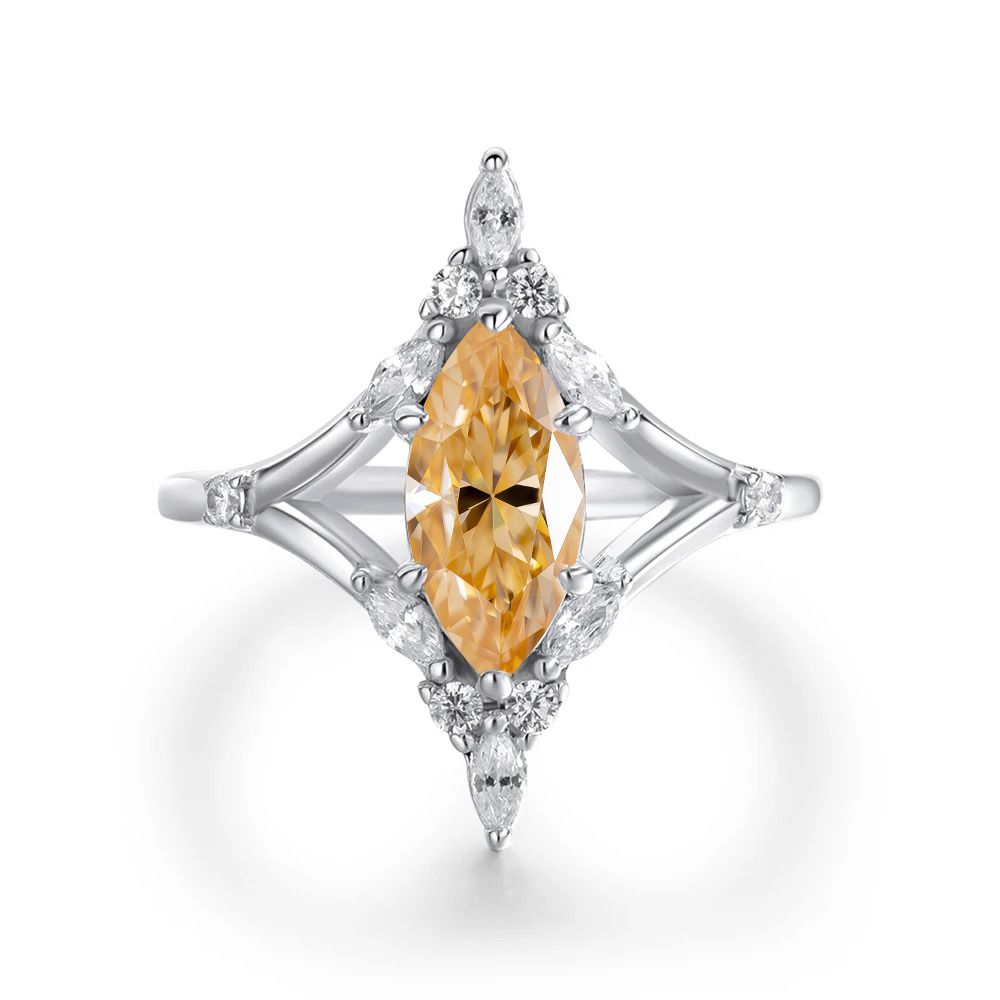
Walk into any bridal showroom today and the conversation is drifting away from the lone solitaire. Brides want sparkle that fills the finger, and they want it without a center-stone price tag. That is exactly the value proposition of the cluster flower engagement ring: a center stone ringed by a tight halo of smaller stones arranged like petals, so the finished piece looks like a far larger diamond than the sum of its parts. For independent jewelers and boutique buyers, stocking a few well-made cluster silhouettes is one of the fastest ways to meet demand from budget-conscious shoppers who still want a statement on their finger.
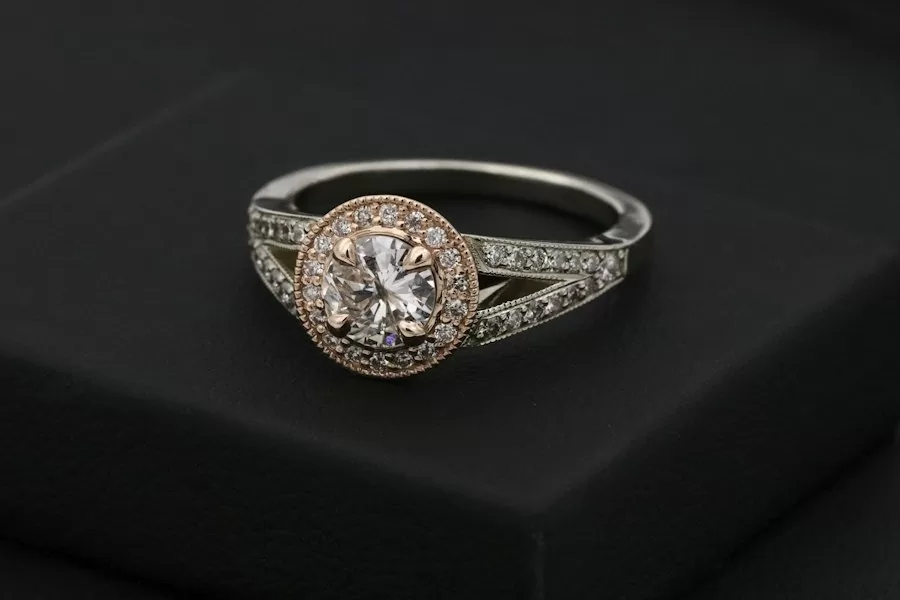
The appeal is partly optical. A cluster extends the visual footprint of the ring across the top of the finger, so a 1.5-carat-looking design can be built from a smaller center and a ring of accents. Shoppers comparing your case to a single-stone ring at twice the price tend to notice the difference immediately. This is the same psychology that drives halo popularity, but the flower cluster pushes it further by layering stones in organic, rounded petals rather than a single rigid outline.
What makes a cluster look expensive rather than busy
Not every cluster reads well. The difference between a design that looks bespoke and one that looks like costume jewelry comes down to spacing, stone size gradient, and metal weight. A premium flower cluster uses a clearly dominant center stone, then steps the surrounding stones down in measured sizes so the eye reads petals rather than a pile. Gaps between stones should be tight but not cramped, and the prongs holding each accent should be uniform. When stones sit too high or too low relative to one another, the ring catches light unevenly and loses that crafted look.
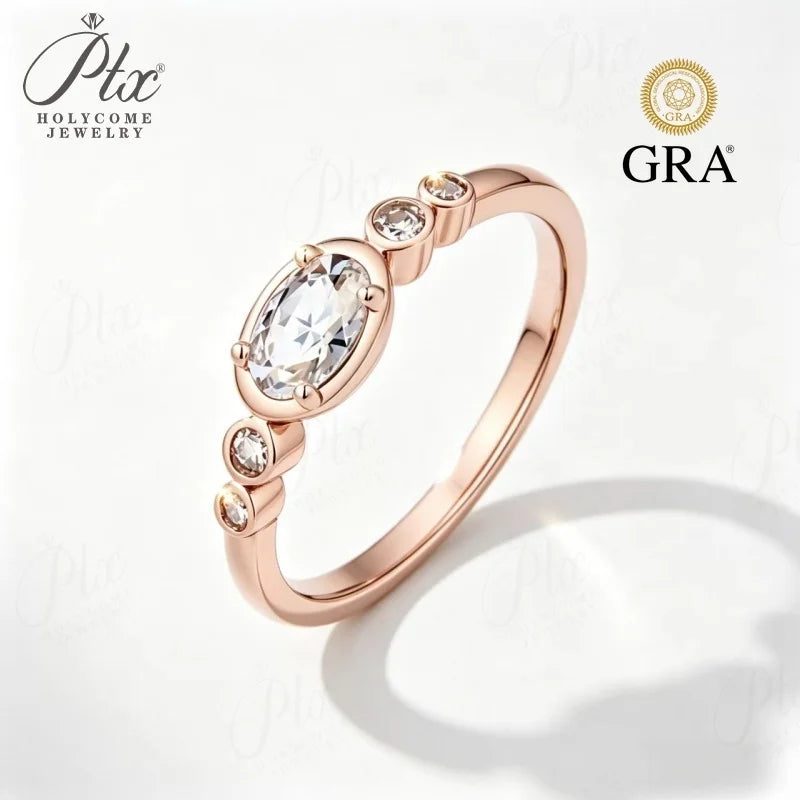
Metal choice matters as well. Yellow gold softens a cluster and leans vintage; white gold or platinum gives a modern, icy brightness that photographs beautifully. Rose gold clusters feel romantic and pair naturally with warmer skin tones. Offering the same silhouette in two metals covers more customers without doubling your design investment.
Why moissanite suits the cluster format
Moissanite is a natural fit for cluster work because its fire and brilliance remain strong even in smaller accent sizes. In a halo of tiny stones, a CZ can look flat and lifeless, while moissanite keeps reflecting light back up. That lets the cluster deliver the look of a much more expensive diamond cluster at a price point that fits a young couple starting out. If you are new to sourcing (FTC jewelry industry guides), start with our wholesale moissanite engagement rings guide to understand tiers and certificate expectations.
Because clusters use multiple stones, consistency matters. Accents should match each other in color and grade, and the center should sit clearly at the top of that scale so it reads as the focal point. Familiarize yourself with how shapes perform across a cluster by reviewing a moissanite shape comparison before committing to inventory.
Stocking and merchandising tips
Keep cluster selections narrow at first. Three to five silhouettes spanning a dainty vintage flower, a bold round halo cluster, and a pear-centered floral shape will cover most requests. Display them next to your solitaire and halo pieces so customers can compare visual size in person. Many shoppers only discover they prefer a cluster once they see it on their hand beside a classic solitaire.
Price clusters with the same care you would apply to any bridal piece. Because the perceived value is high relative to the materials cost, it is tempting to over-markup, but the category is competitive. Reference a guide on how to price moissanite bridal jewelry at retail to keep your margins healthy without pricing yourself out of the cluster buyer's budget.
Sizing and after-sale considerations
Clusters with stones wrapping around the shoulders can be trickier to resize than a plain solitaire. Accents near the base of the ring may shift or crack during a sizing pass, so communicate that up front. A clear resizing policy protects both you and the customer, and it sets realistic expectations before the sale. Document the ring as a cluster rather than a solitaire on your order forms so future staff know what they are working with.
Cleaning instructions should emphasize gentle brushing around the accent prongs, since cluster settings trap lotion and dust between stones. A customer who knows how to care for the ring will keep it looking bright for years, which is free word-of-mouth for your shop.
The bottom line for buyers
Cluster flower engagement rings are not a passing fad; they are a value-driven silhouette that bridges vintage romance and modern sparkle. For wholesalers and jewelers, the category offers strong margin, broad appeal across age groups, and an easy cross-sell to matching bands. Start small, choose two metals, pick shapes that flatter a range of fingers, and let the ring speak for itself under your case lighting. Once a bride slips a cluster on and sees how it fills her hand, the sale often sells itself.
For third-party reference, the Wikipedia article on moissanite details moissanite’s discovery, optical properties and use in jewelry.
Frequently Asked Questions
What ring sizes can you supply in bulk?
US sizes 5–12 including half sizes. Send a size breakdown with your order and we cast to that curve; comfort-fit inner bands reduce resize requests.
Can I order a mixed size run instead of one size?
Yes. Mixed runs are standard for wholesale: specify quantity per size and we pack and label by size at no extra labor cost.
What is the MOQ for custom ring designs?
50 pieces per design for existing molds; 100–300 pieces when a new mold or CAD model is required.
How should I price rings for retail margin?
Most partners use a 3–4x markup on FOB cost for sterling and 2.5–3x for moissanite solos, which keeps landed cost under 30% of retail.
Send your spec sheet — stone, cut, size, plating and quantity — and we will return a costed timeline.
Ask the workshop