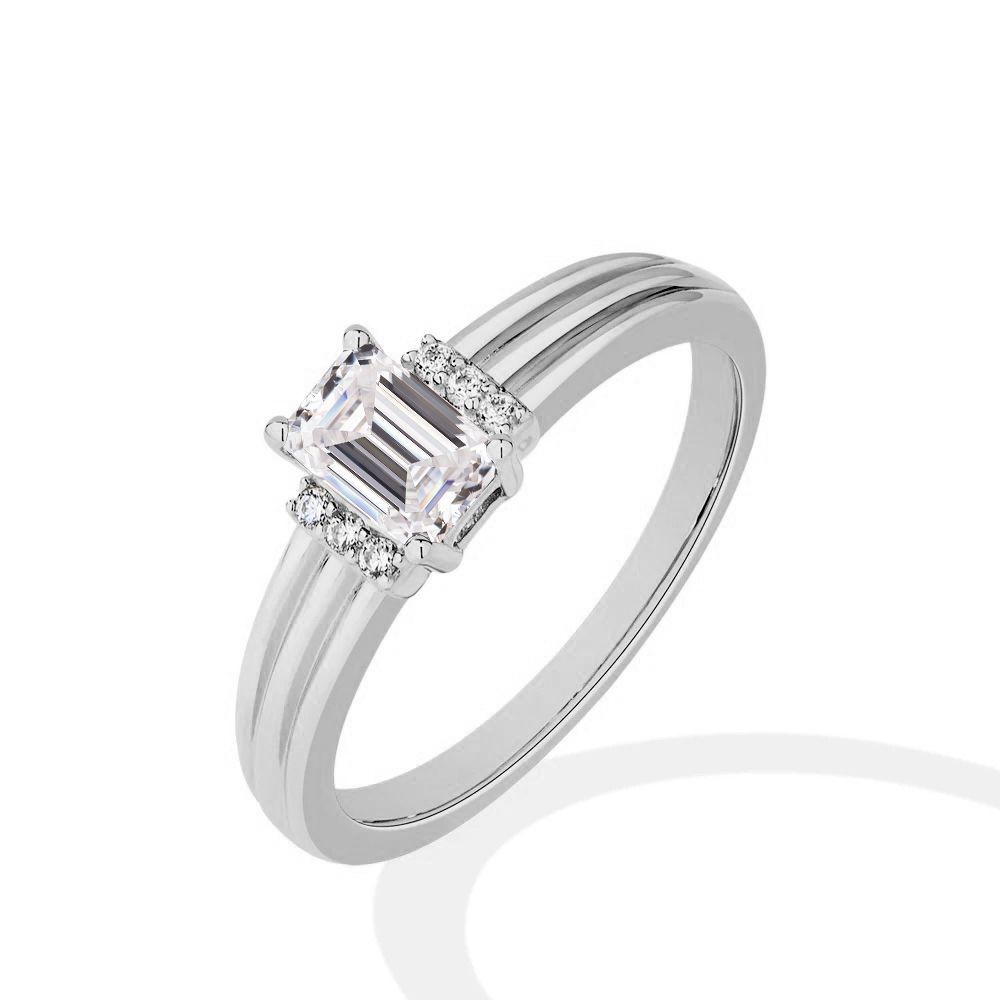
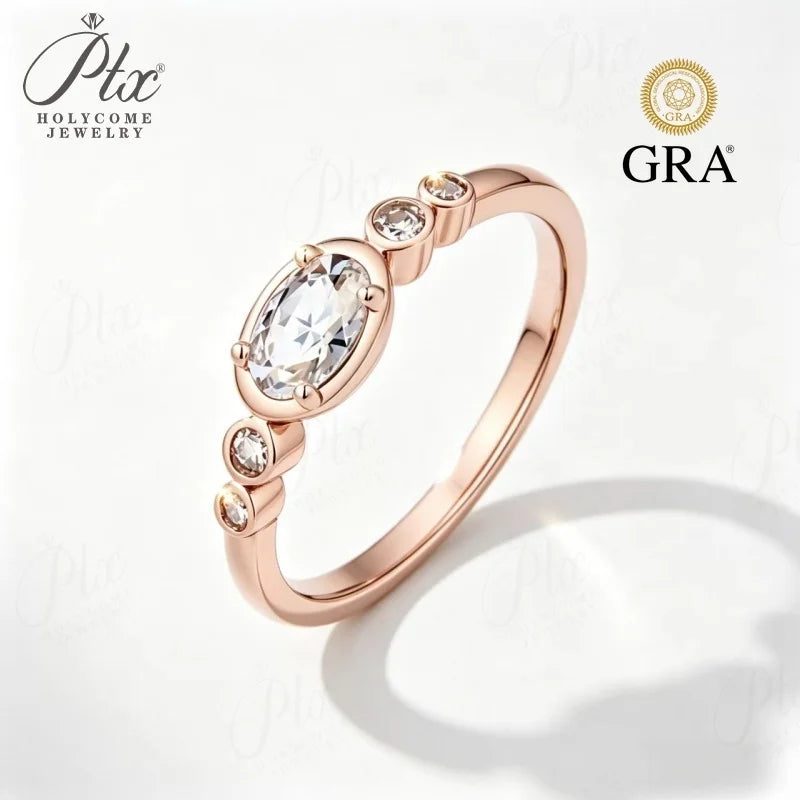
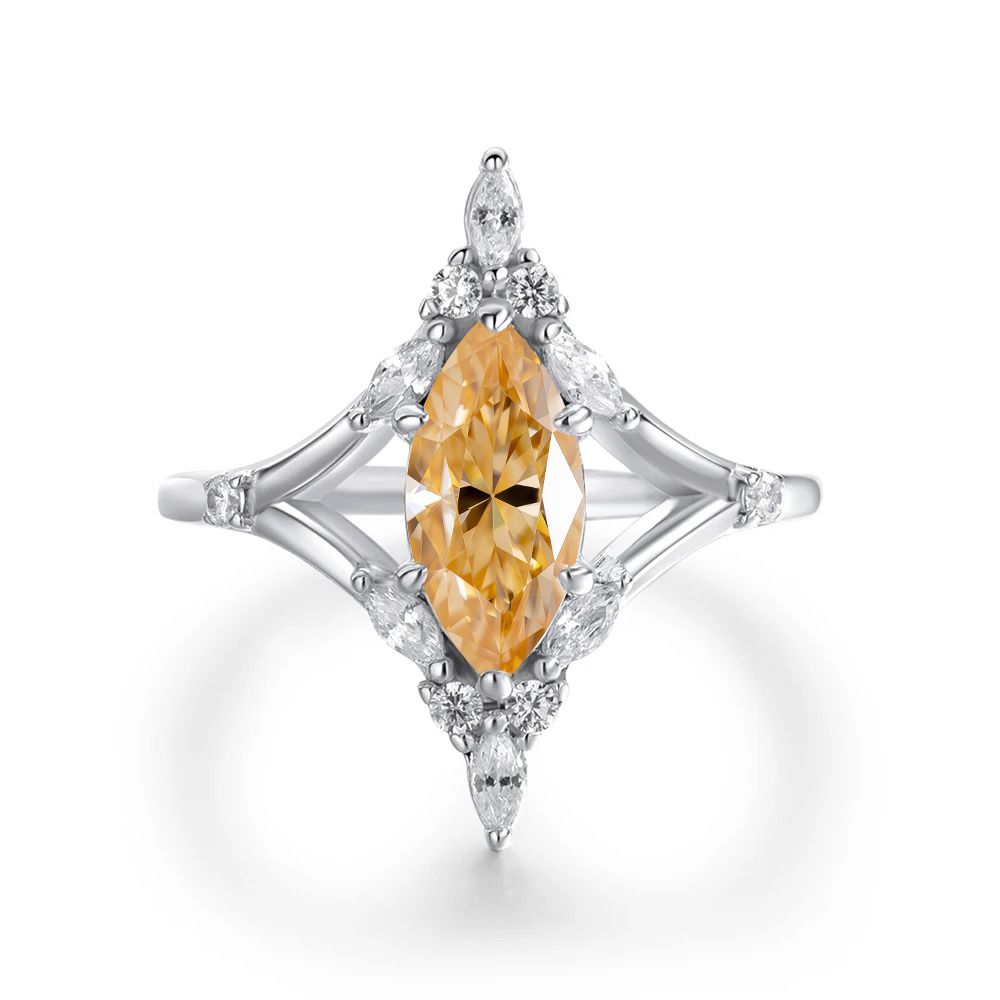
Engagement Rings
Wholesale Bridal Moissanite Supplier: A Vetting Guide
A bridal boutique owner outside Detroit placed her first fourteen-thousand-dollar PO with a supplier she found through a trade listing. The rings looked fine on the website. When the parcel arrived, roughly thirty percent of the engagement rings had misaligned prongs, two center stones were chipped at the culet, and the GRA certificates listed stone weights that did not match the jewelry. Her RMA took nine weeks, she ate the return freight, and two brides had to be rescheduled.
That story is not unusual. Most first-order failures in wholesale bridal moissanite come from skipping the vetting step. Below is the checklist we use with new retail partners, and the questions that separate a real factory from a trading middleman.
What actually goes wrong on a first PO
Industry return rates for bridal jewelry bought sight-unseen typically run between eight and fifteen percent in the first ninety days. The failures cluster in predictable places: prong tightness, stone matching, certificate (FTC jewelry industry guides) accuracy, and plating adhesion. A supplier that is honest about its defect rate will tell you the number before you ask; one that cannot produce it is selling you optimism.
| Checkpoint | Industry typical | What we publish to buyers |
|---|---|---|
| First-order defect rate | 8-15% | under 1.8% over last 12 months |
| Certificate per stone | often only on big sizes | GRA cert on every stone over 3mm |
| Prong inspection | visual only | every prong pull-tested at 1.5kg |
| RMA turnaround | 4-9 weeks | 7 business days from receipt |
The vetting questions that matter
Ask a supplier to answer these in writing. A real manufacturer can; a reseller will deflect.
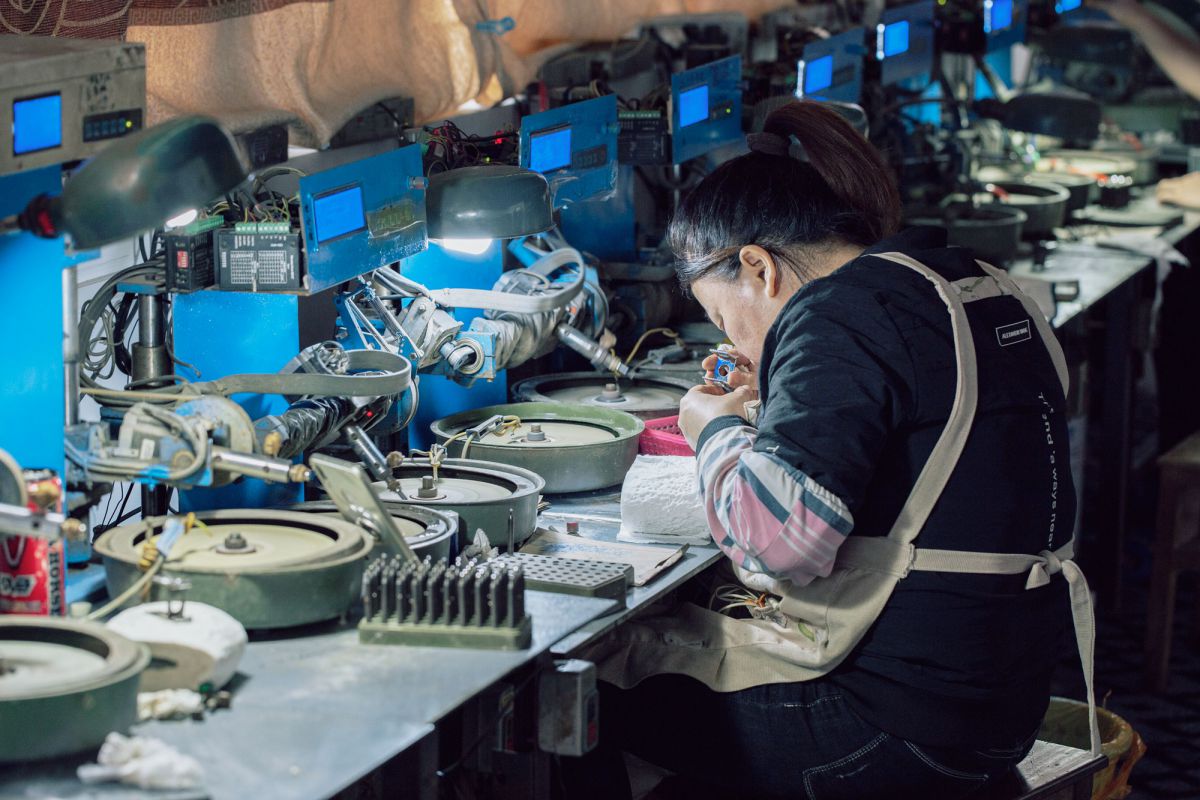
- Do you own the casting and setting bench, or do you subcontract? Ask for a live video walkthrough of the floor.
- What is your measured in-house defect rate for the last two quarters, and how did you measure it?
- Can you send a bonded sample parcel before the bulk PO? MOQ for samples should be low, often five to ten pieces.
- Which cert body do you use per stone size, and can you pull the cert registry number for a random sample?
- What alloy do you actually cast in, and can you show a XRF reading? Sterling silver should be 925; gold should be stamped and alloyed to the stated karat.
- How thick is your rhodium plate? Industry is around 0.3 micrometers; we plate to 0.5 micrometers, which matters because thin plate yellows on silver within a season of bridal try-ons.
Match the vetting depth to your order size
Small-batch opening buyer (20-50 pieces)
You do not need a full third-party audit. What you do need is a bonded sample, written defect rate, and a clear RMA window. Start with one category, usually solitaire engagement rings, before you widen to bridal sets.
Mid-size boutique (100-300 pieces a quarter)
Ask for a factory floor video, a random cert pull, and references from two other US or EU boutiques. We export regularly to the EU and US market, so references are straightforward to provide.
High-end or private-label account (500+ pieces)
This is where an ISO 9001 audit report, in-house lab equipment, and a named account manager matter. You should get a written QC spec sheet for every SKU, not just a product photo.
Frequently Asked Questions
How do I verify a GRA certificate is real?
GRA certificates carry a registry number printed on the card. You can ask the supplier to pull the matching record for a random stone before bulk production. If they cannot produce it, treat the lot as uncertified.
What is a reasonable first-order MOQ for a new supplier?
For engagement rings, twenty to thirty pieces across three to five styles is normal. If a supplier demands a two-hundred-piece minimum on your first PO, they are protecting their production run, not your cash flow.
Should I pay by wire or trade assurance?
Use a trade assurance platform for the first two orders. Once you have a clean track record, wire transfer usually saves two to three percent in processing fees.
How long should sample-to-bulk production take?
Approved samples to bulk delivery runs twenty-five to thirty-five business days for sterling silver, and up to forty-five days for 14k gold. Ask for a written milestone schedule, not a verbal estimate.
What defect rate should I accept on reorders?
Anything above three percent on a reorder is a red flag. We hold our own shipments under two percent, and we cover freight on any lot that exceeds that threshold.
What to take away
- Never place a five-figure first PO without a bonded sample and a written defect rate.
- Real factories can show you the bench, the cert registry, and the XRF alloy reading.
- Match your audit depth to your order size, and expect references from other boutiques.
Request a sample parcel: MOQ 20 pieces, ships in 5 business days, GRA certified per stone. Browse moissanite engagement rings, review our wholesale buying guides, or read more on wedding bands and bridal sets.
For HS classification of jewelry in customs and export documentation, the WCO Harmonized System nomenclature is the authoritative nomenclature.
Send your spec sheet — stone, cut, size, plating and quantity — and we will return a costed timeline.
Ask the workshop