Engagement Rings
What Gen Z Brides Ask For in a Moissanite Ring
The customer walking into a bridal store in 2026 has spent weeks on TikTok and Pinterest before she arrives. She knows what moissanite is, she knows it is not a diamond, and she does not care. What she wants is a ring that looks like the rings she has saved, at a price that does not require her fiancé to take out a loan. Stock for that customer and you sell the ring in ten minutes. Stock for the customer your parents sold to and she will browse, smile, and order something online tonight.
The shapes she actually asks for
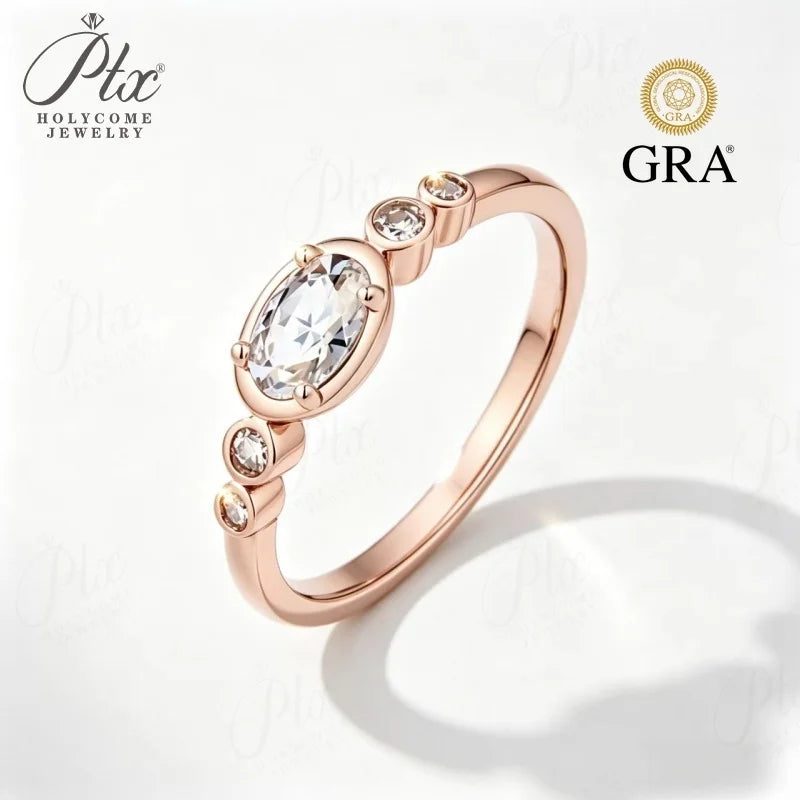
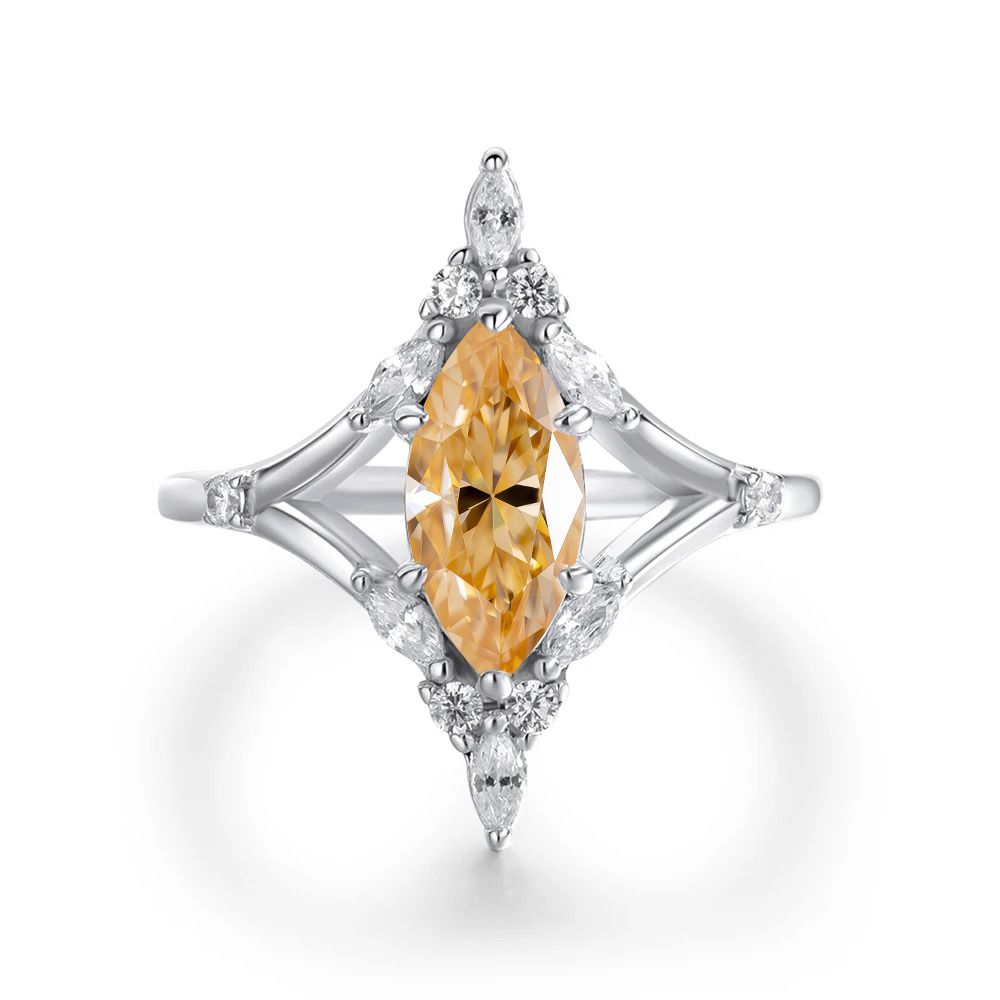
The round brilliant is still the safe default, but the fastest-growing shapes are the ones that read as 'curated' rather than 'traditional.' Oval and pear shapes dominate the saved pins. Cushion runs a close third. A round solitaire in the case still sells, but the customer who walks in asking for 'an oval' has usually already decided before she arrived.
| Shape | Demand share (approx.) | Stock posture | Wholesale ring (silver) |
|---|---|---|---|
| Round brilliant | ~45% | Stock deeply | $32 - $48 |
| Oval | ~25% | Stock 1 size, order rest | $40 - $60 |
| Cushion | ~15% | Stock 1 size | $38 - $58 |
| Pear / marquise | ~10% | Buy to order | $42 - $65 |
| Emerald | ~5% | Buy to order | $45 - $70 |
Settings that read as 'her'
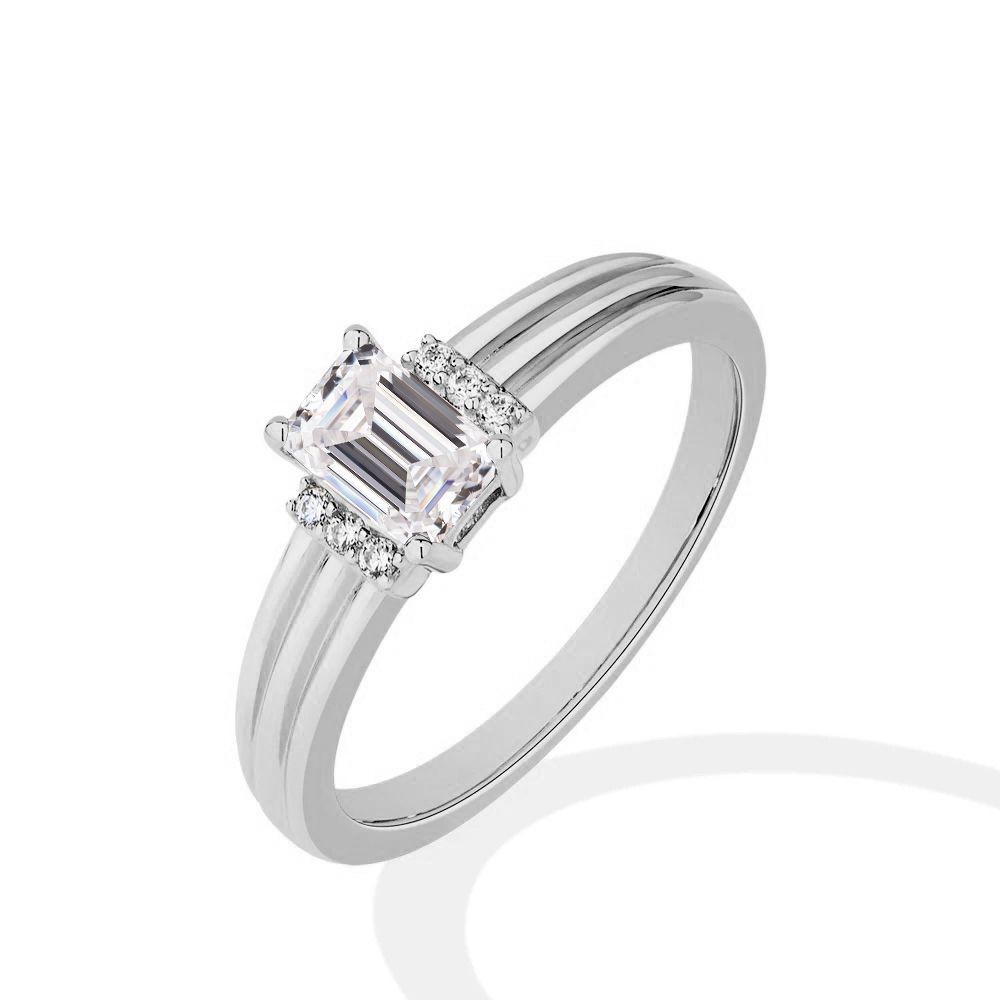
Gen Z brides avoid the plain, classic solitaire that their mothers wore. They reach for settings with a small detail: a twisted shank, a hidden halo under the center, a pavé band that tapers. None of these are expensive to build. A hidden halo adds a ring of 1mm accents under the center stone and costs roughly $6 to $10 extra wholesale; it reads as 'designed' rather than 'stock.' Have one of each detail in the case so the customer can see the difference between a plain solitaire and a 'designed' one. The upgrade converts about one in three when it is shown in the mirror.
Price expectations
A Gen Z bride expects to pay under $500 for an engagement ring, and she will walk out if she thinks she is being upsold. She has seen the same ring on a wholesaler's Instagram for $199. Price transparently, show her the stone under a light, and do not argue about resale value. She is not buying an investment; she is buying a ring she will wear every day and post about. Honest framing - 'this is a lab-grown moissanite, it looks like a one-carat diamond, and it costs a fraction' - closes the sale. Hype framing - 'this holds its value like a diamond' - does not, because she has read enough to know that is not true.
Marketing the case
The bride who researches online buys in person when the case feels like something she saw online. Photograph your solitaires on a real hand in natural light, post them to your own social channels, and tag the shapes. The customer who walks in holding her phone will recognize the ring she saved. You can review the current setting lineup and shapes inside our wholesale engagement ring range as you plan the next restock.
Marketing to the bride who researched online
A Gen Z bride buys in person when the case feels like something she saw online. That means photographing your solitaires on a real hand in natural light, posting them to your own channels, and tagging the shape and the detail. She will walk in holding her phone and recognize the ring she saved. The shops that skip this step lose her to an online retailer she has already bookmarked.
- Photograph solitaires on a real hand, not on a velvet bust.
- Tag the shape - oval, cushion, round - so the search leads back to you.
- Show the hidden halo and the tapered band in the mirror, rather than only in a tray.
- Price transparently; she has already seen the wholesale price online.
- Frame the piece as a ring she will wear, not as an investment.
The bride who researched for weeks does not want a sales pitch. She wants confirmation that the ring in her hand matches the ring in her saved posts, and a price that does not make her feel naive. Give her both and the sale closes in ten minutes. The shops that treat her like a customer who does not know anything are the ones she walks away from, politely, on her way to the online checkout.
Stock the oval and the hidden halo, price transparently, and show the pieces on a real hand. The bride who researched for weeks is not looking for a sales pitch; she is looking for confirmation that the ring in front of her matches the ring she saved. Give her that confirmation and the sale closes before the first cup of coffee goes cold. The shops that treat her like an informed buyer rather than a walked-in stranger are the ones she brings her bridesmaids back to.
Independent background on moissanite — how its hardness and refractive index compare with diamond — is documented in the Wikipedia article on moissanite.
Frequently Asked Questions
Is moissanite a good diamond alternative for retail buyers?
Yes for price-sensitive customers who want brilliance and hardness. Moissanite ranks 9.25 on the Mohs scale, holds up to daily wear and costs a fraction of a natural diamond of the same size, so it resells fast in bridal and fashion lines.
What is the minimum order for wholesale moissanite?
MOQ starts at 50 pieces per design for stock items. Custom cuts and private-label settings usually start at 100–300 pieces depending on the mold.
Do you provide certificates with moissanite stones?
Yes. Every parcel ships with GRA or IGI documentation listing carat weight, color grade and cut. We recommend passing the certificate to your end customer for trust.
How long does sample and bulk production take?
Samples ship in 3–5 days. Bulk runs take 15–20 days under 500 pieces, and 25–30 days for custom work.
Send your spec sheet — stone, cut, size, plating and quantity — and we will return a costed timeline.
Ask the workshop