Necklaces & Pendants
Choosing a Veil-Friendly Bridal Necklace
Most brides buy their necklace around the dress, and stop there. They forget that the veil is also going on, usually anchored by a comb or pins right at the crown or back of the head, and that the hairstylist will be working all of it into the same twenty minutes before the ceremony. The result? A necklace that looked perfect on a bare neck in the shop ends up hidden behind tulle, tangled in a comb, or fighting with the neckline on every photo. A little planning ahead solves all of it.
Start with the neckline, then the veil
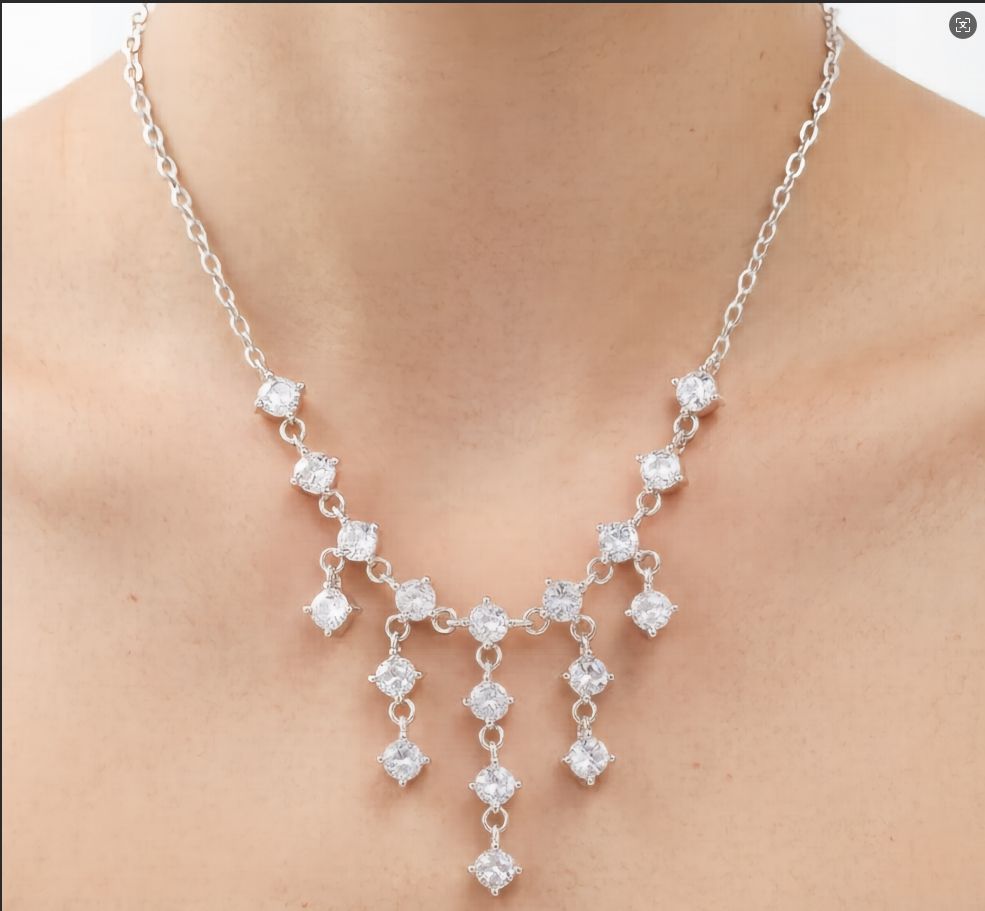
A strapless or sweetheart dress opens the collarbone completely and is the easiest canvas. A V-neck calls for a pendant that echoes the V point. A high neckline or illusion bodice usually wants no necklace at all — let the earrings and veil carry the look. Our guide to necklaces for wedding dress necklines covers these pairings in detail.
Where the veil actually sits matters
A blusher that falls forward over the face will drape over the front of the neck. A chapel-length veil anchored at the crown falls down the back, leaving the front of the neck clear. A fingertip veil pinned at the side sweeps over one shoulder. Each of these changes what your necklace needs to do. If your veil covers the front of the neck, skip a high choker and go straight to a longer pendant on the collarbone, where it shows through the tulle instead of vanishing under it.
Chain lengths that work
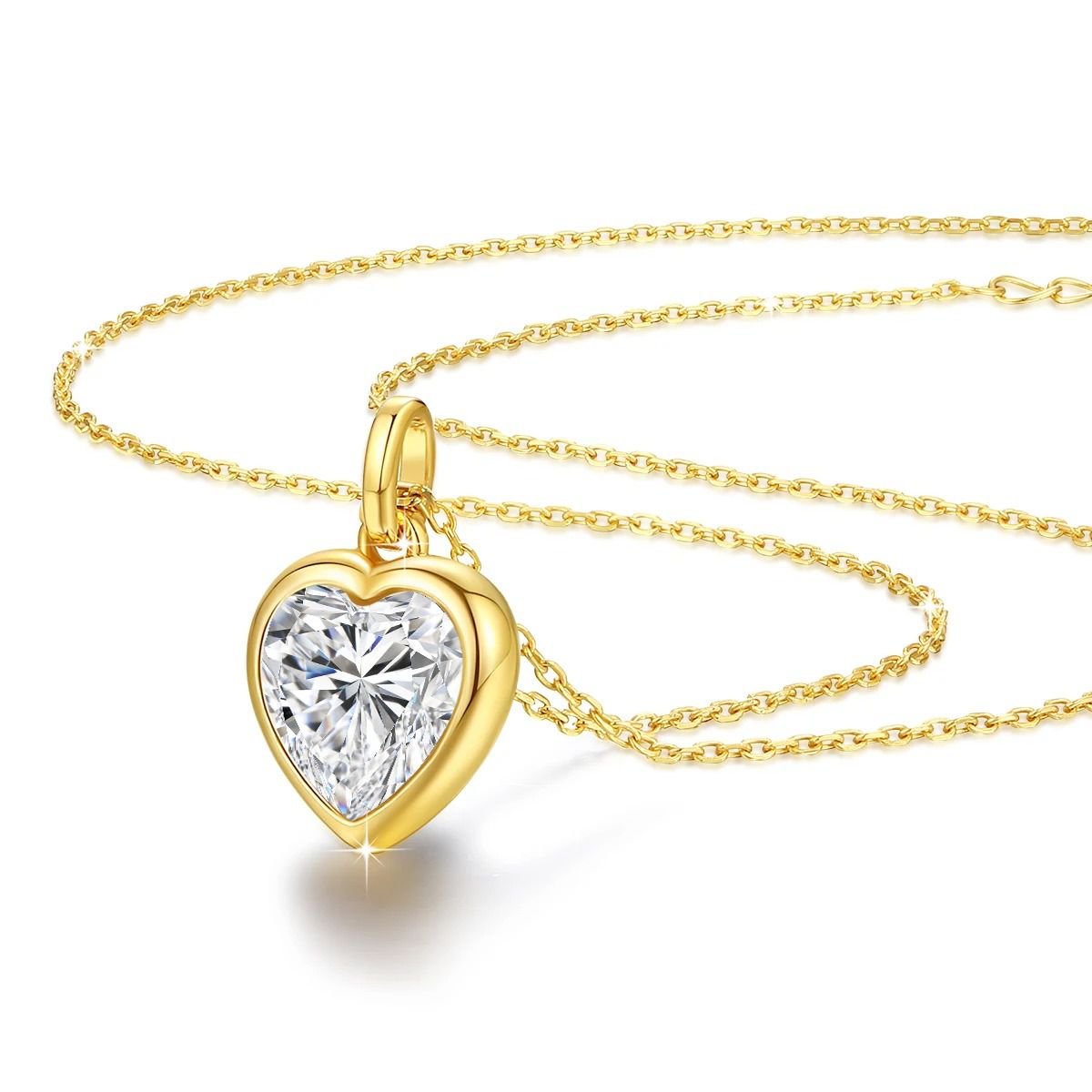
For most wedding looks, a 16 to 18 inch chain sits at the base of the neck — the sweet spot where a small solitaire or halo pendant lands on the collarbone. Shorter than 16 inches risks looking like a choker against a high neckline. Longer than 18 inches tends to get lost under the bodice. If you want to layer, one dainty chain at 16 inches and a second at 18 inches reads as intentional rather than busy. Our necklace chain length guide breaks these down by body type and dress style.
If you are working with a hairstylist, bring the necklace to the trial. Most stylists are used to tucking veils and combs around jewelry, but they can only do it well if they see the actual piece beforehand. A quick trial run prevents the morning-of scramble where a chain has to be shortened or moved mid-updo.
Veil comb tips and necklace tips
Ask your hairstylist to attach the veil comb where it does not pull necklace chains forward. If you are wearing a pendant on a fine chain, a long, heavy veil draped over the shoulder can tug the chain sideways through the night. A simple fix is a small clear jewelry tape tab at the back of the neck to anchor the chain, or choosing a slightly heavier cable chain that sits firmly against the skin.
Photography angles to plan for
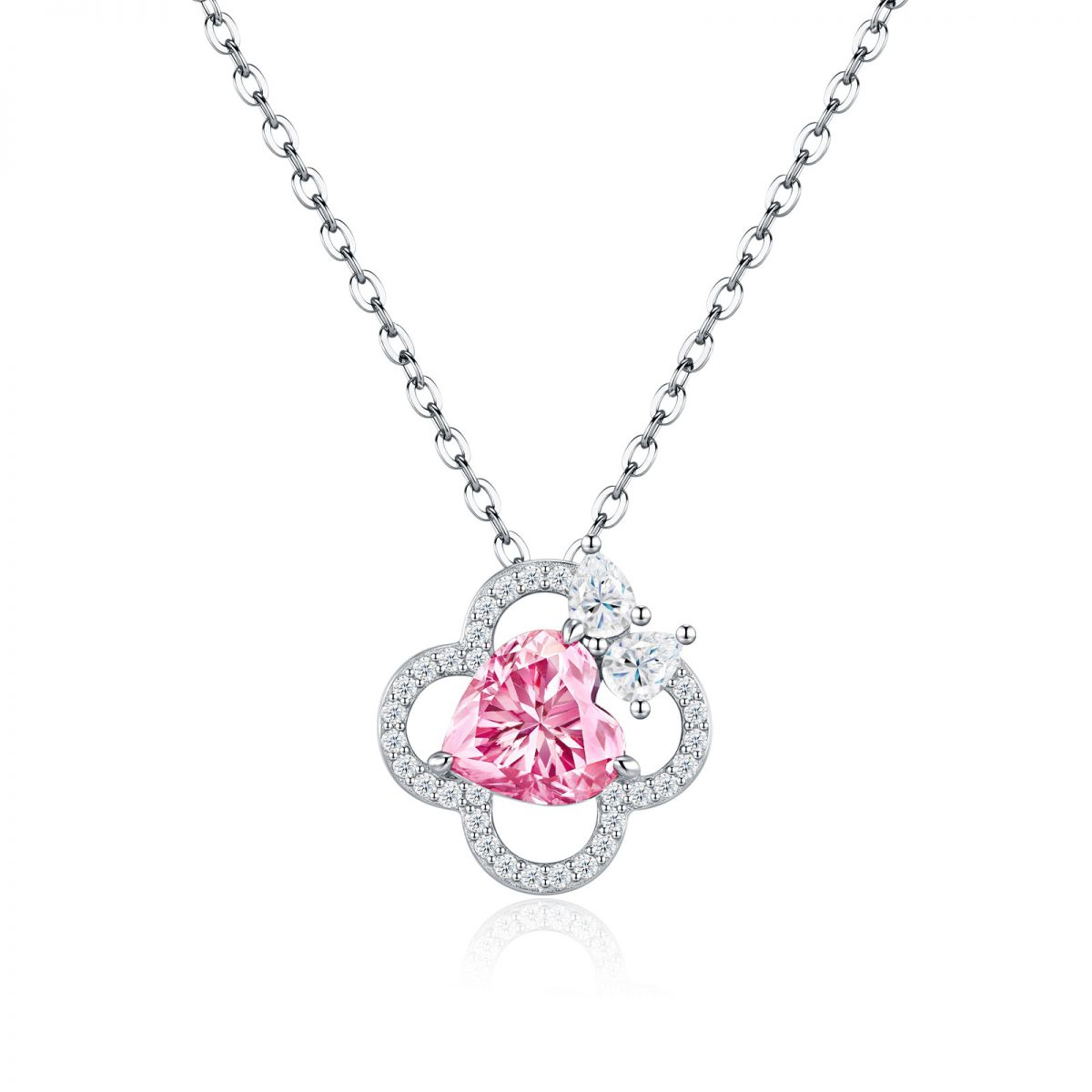
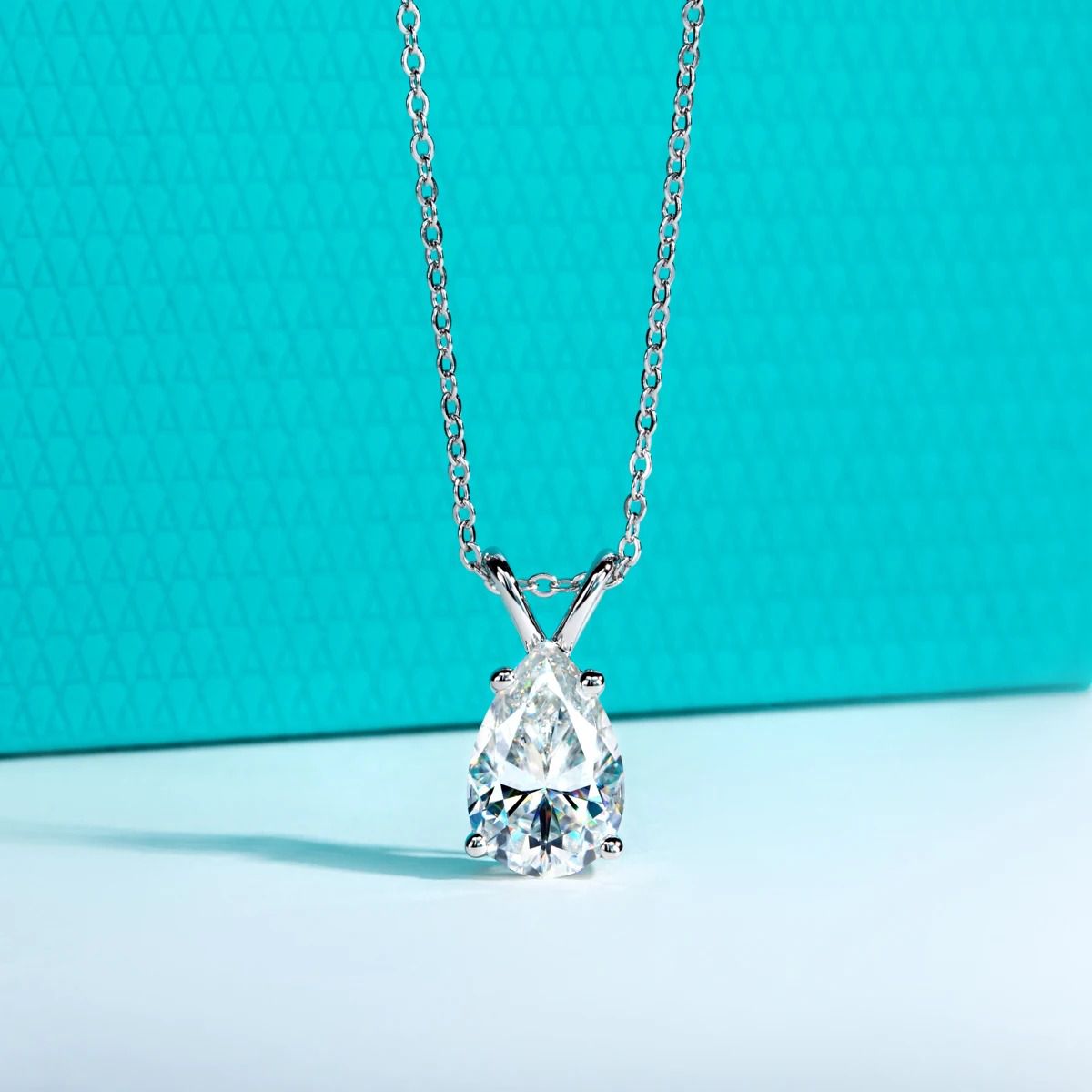
Wedding photographers shoot from above during the ceremony, from the side during portraits, and from directly ahead during the first kiss. A necklace that reads only from the front will disappear in the over-the-ceremony aisle shots. A pendant with a little presence — 6 to 8mm of moissanite or a small pearl — shows up in every angle without competing with the dress.
The veil-removal moment
Most brides take the veil off between the ceremony and the reception, often on the dance floor or in a quiet five minutes with the bridal party. When that happens, your necklace should already be doing its job. Avoid pendants that depend on the veil for contrast — once the tulle is gone, the look should still be whole. A pendant that works alone is the one you will wear again on anniversaries, not just on the wedding day.
After the veil comes off
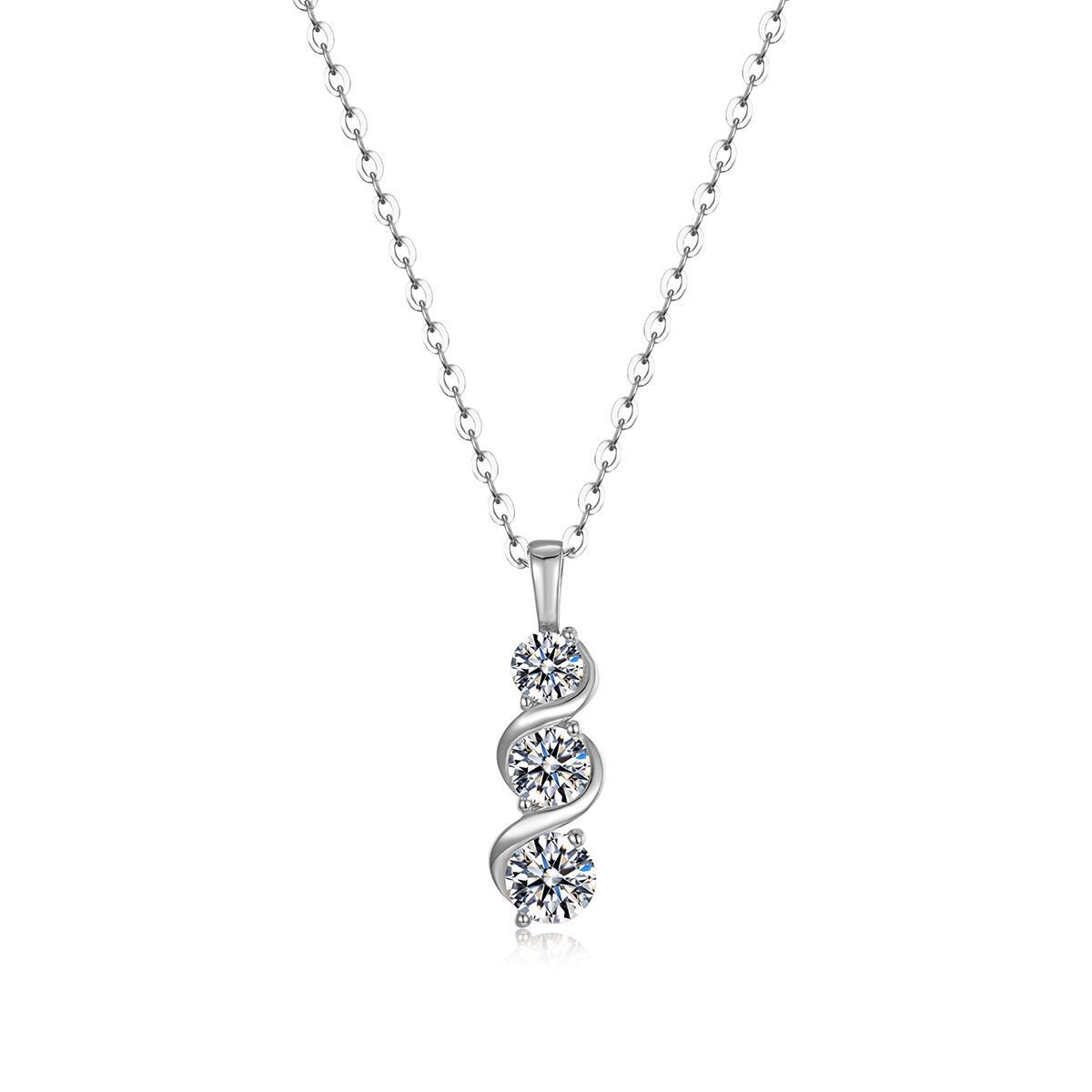
Most brides remove the veil after the ceremony or at the reception. The necklace you chose should look just as good without the veil as it did with it. Avoid choosing something that only makes sense layered under tulle. A small moissanite solitaire on a delicate chain is the safest, most photogenic choice — it works under a veil, with an updo, and long after the veil is gone.
Bridal jewelry should feel considered, not complicated. Pick the neckline first, the veil placement second, and let the necklace fill in the space that is actually left. When in doubt, choose the smaller pendant — it always photographs better, and it always works again long after the wedding weekend is over. Bring the necklace to your final dress fitting so the stylist can pin it exactly where it belongs.
For third-party reference, the Wikipedia article on moissanite details moissanite’s discovery, optical properties and use in jewelry.
Frequently Asked Questions
Which chain lengths should I stock first?
16 to 18 inch covers most necklines and gift purchases. Add 20 inch for layering sets and 24 inch for pendant lines.
Are your chains nickel-free and hypoallergenic?
Yes. Sterling silver is 92.5% silver; stainless lines use 316L. Both are nickel-safe for reactive customers when plated correctly.
Can necklaces be personalized?
Laser engraving on pendants and clasps is available from 50 pieces, with 3–5 day turnaround on the engraving step.
What is the bulk lead time?
15–20 days under 500 pieces; 25–30 days for custom pendants or new molds.
Send your spec sheet — stone, cut, size, plating and quantity — and we will return a costed timeline.
Ask the workshop