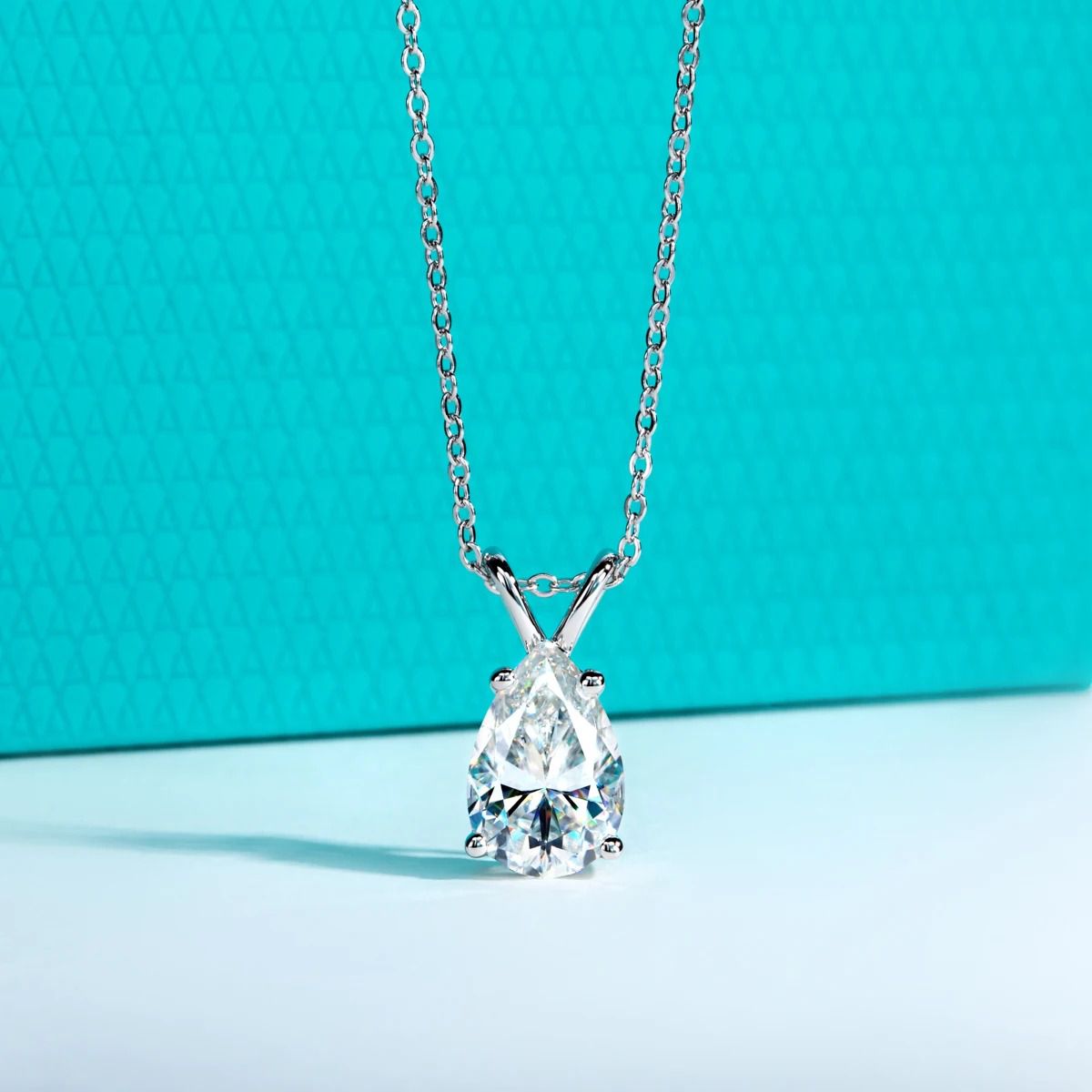
Customers buy pendants for the stone, but they keep them because the chain sits right. A pendant on the wrong chain length sits at the neckline, digs into the collarbone, or hangs too low to be noticed. Getting the chain length right is a small detail that makes a big difference in customer satisfaction — and in returns. This guide covers the standard lengths and how to display them so customers choose correctly the first time.
See the range in our wholesale necklaces collection.
The standard chain lengths
- 14 inches — choker length, sits high on the neck. For petite necklines and choker looks.
- 16 inches — the princess length default, sits at the collarbone. The everyday standard for pendants.
- 18 inches — the classic drop, sits just below the collarbone. The most versatile length for most customers.
- 20 to 24 inches — matinee and opera lengths, for longer pendants and layered looks.
Which lengths to stock
For most retailers, stock 16-inch and 18-inch chains. These cover roughly 80% of customers. The 16-inch suits a close, modern look; the 18-inch suits the classic drop. If you are selling layering necklaces, add a 24-inch chain to layer under a 16-inch. The oval solitaire pendant and the pear pendant are stocked on finished chains in these lengths.
How to size a customer
Ask the customer where they want the pendant to sit. At the collarbone? Go 16 inches. Just below? Go 18. For customers who wear other necklaces, measure one they already own and like. A soft tape measure around the neck, plus an inch or two, gives a good starting point. Train staff to ask this rather than defaulting to 18 inches — it reduces returns.
The layering opportunity
Layering is a lasting trend, and it is a multi-sale opportunity. A customer who buys a 16-inch pendant often buys a longer chain to layer with. Display a layered look on a neck form so customers see it, and train staff to suggest the second chain. A layered display turns one pendant sale into two. Our heart pendant and a longer chain make a natural layering pair.
Chain quality and clasps
A cheap chain tarnishes and breaks, and the customer blames the pendant. Buy finished chains with lobster clasps, not spring rings, which open too easily. Check that the chain matches the pendant's metal colour. A white-gold pendant on a yellow chain looks like a mistake. Our pendants ship on matched, finished chains — see the product details for each style.
Display tips
- Show pendants on neck forms at different lengths so customers see the drop.
- Label chain lengths clearly on the display.
- Keep a couple of 16-inch and 18-inch samples on hand to try on.
- Show a layered look to suggest the second-chain upsell.
The bottom line
Stock 16-inch and 18-inch chains as the default, ask customers where they want the pendant to sit, and show layered looks to grow the sale. The chain length is the detail that makes a pendant feel right — and reduces returns. When you are ready to stock finished pendants, browse the necklaces range or request a quote.
The return rate and how chain length affects it
Most necklace returns are not about the stone — they are about the length. A pendant on a chain that sits wrong gets returned, even if the stone is perfect. This is why asking the customer where she wants the pendant to sit, and showing the drop on a neck form, cuts returns dramatically. It also builds trust: a customer who feels measured properly comes back for more. Train staff to ask the length question rather than defaulting to 18 inches, and you will see fewer returns and happier customers. The pendants in our necklaces range are on matched chains ready to sell.
Frequently asked questions
What is the most popular chain length? 16-inch and 18-inch together cover most customers.
Can a necklace be lengthened? A chain can be extended, but it is far easier to sell the right length first.
What clasp is best? A lobster clasp, which is secure and durable, rather than a fragile spring ring.
Measuring and selling chain length in person
Most necklace returns are length problems, not stone problems. A pendant that sits too high or too low gets taken back even if the stone is perfect. Train staff to ask the customer where she wants the pendant to sit: at the collarbone (16 to 18 inches), lower on the chest (20 to 24 inches), or layered. Show the drop on a neck form or on the customer herself, so she can see it before she buys. This one habit cuts returns dramatically.
For stock, 16-inch and 18-inch chains together cover most customers. Add a couple of 24-inch chains for the layering look and for taller customers. Check that every chain has a lobster clasp, which is secure and durable, rather than a fragile spring ring that opens in a bag. A good clasp means fewer lost pendants and fewer warranty claims. The pendants in our necklaces range are on matched, finished chains with lobster clasps, ready to sell.
Chain types and which ones last
The chain is often the part of a necklace that fails, not the pendant. Cable chains — small oval links — are light and affordable but can twist and tangle. Box chains are smooth and strong, and they lay flat against the chest, which is why they suit pendants. Rope chains look textured but catch on hair. When you stock pendants, know what chain each one is on and recommend the durable option to customers who wear theirs daily. A strong chain means a happy customer and no warranty claim for a broken necklace.
Offer chain lengthening as a small service. A customer who bought an 18-inch necklace and now wants to layer it at 24 inches does not need a new pendant — she needs a longer chain. Keep a few spare chains in stock and sell the swap as a low-effort service. This turns a customer who might have bought online into someone who returns to you. The pendants in our necklaces range are on matched, durable chains with lobster clasps, ready to wear and easy to layer.