Engagement Rings
Two-Tone Engagement Rings: The Modern Twist Brides Love
If you have browsed bridal rings lately, you have probably noticed a setting that quietly stands out. The center stone is classic, but the band is not just one color. A hint of warm yellow gold peeks through a white gold halo, or rose gold prongs cradle a round brilliant while the shank stays silver. That is the two-tone engagement ring, and it has moved from a niche option to one of the most requested looks for modern brides.
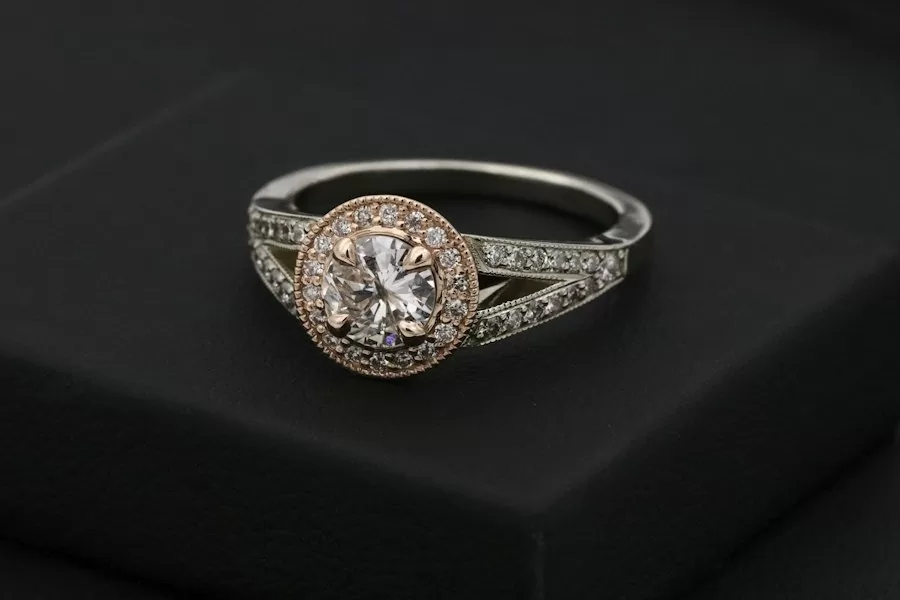
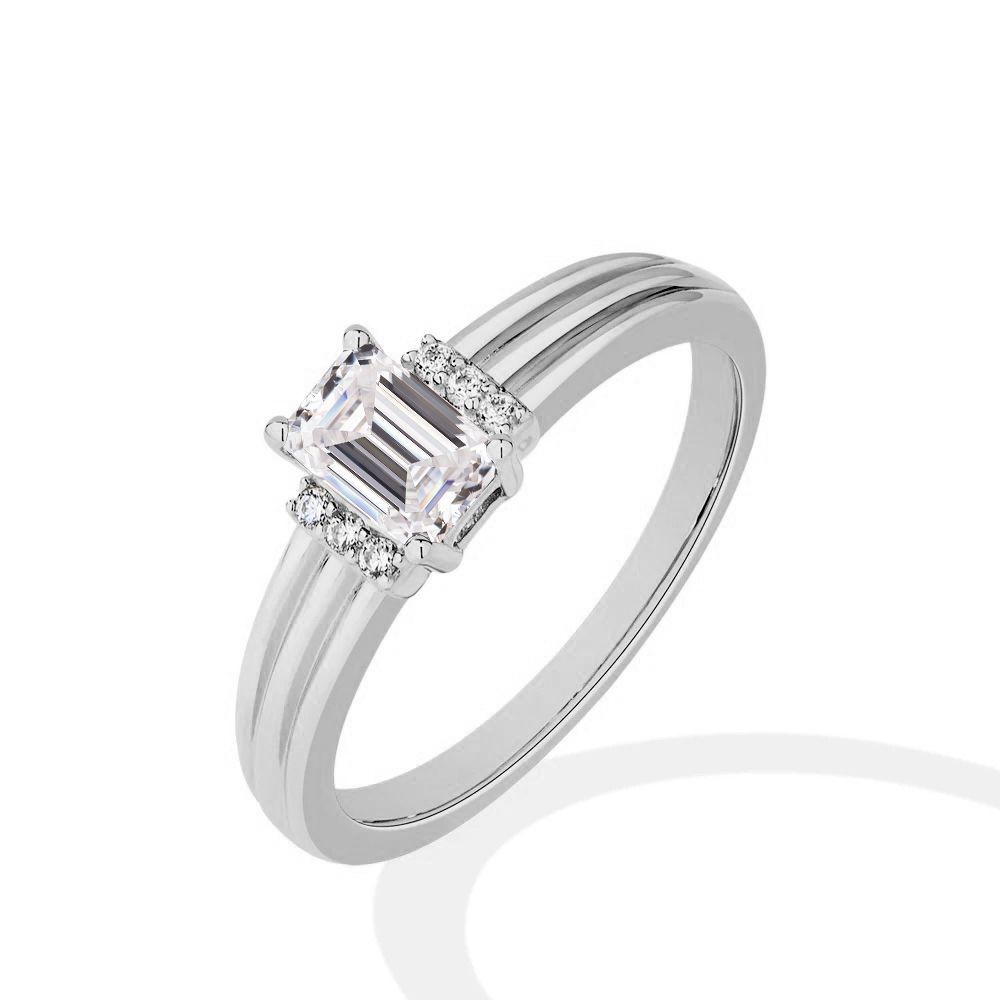
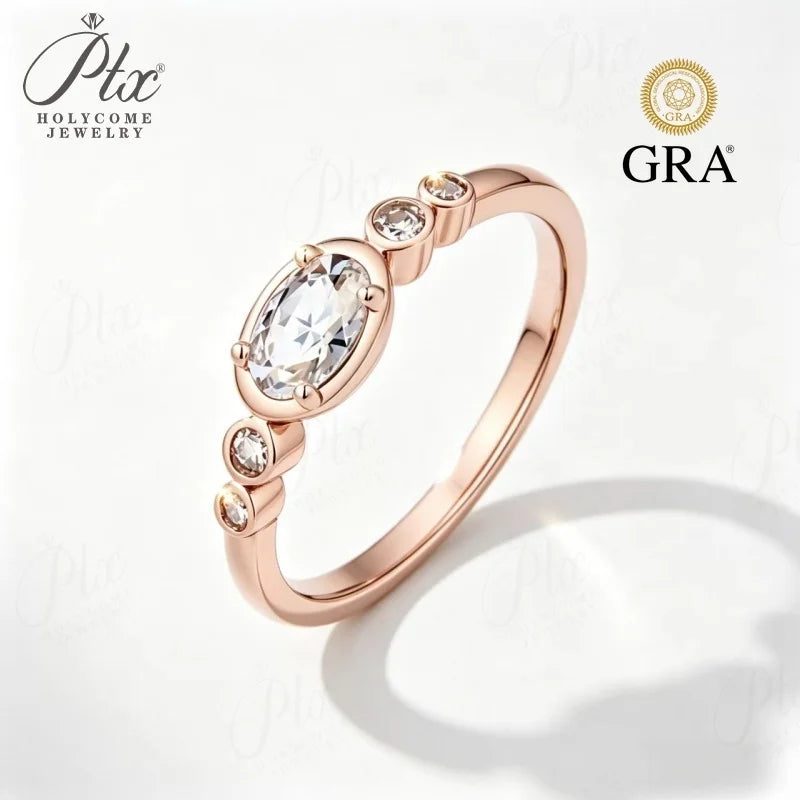
A two-tone ring simply combines two different metal colors in a single design. The most common pairing is white gold (or platinum) with yellow gold, followed closely by white gold and rose gold. Sometimes the split is structural: bright metal under the stone makes the center diamond or moissanite appear whiter, while the warm band flatters the finger. Other times the contrast is purely decorative, with a thin stripe of gold running down a white gold shank.
Why the look is catching on
Brides today want rings that feel like them, not like a default. A two-tone setting lets a wearer who owns both silver and gold jewelry choose a ring that does not clash with either. Someone who wears a yellow gold watch during the week but a white gold necklace on weekends no longer has to pick a side. The ring matches the whole wardrobe.
The contrast also adds depth. A single-metal solitaire can read flat from across a room. When the basket and prongs are bright white and the shank carries a warmer tone, the eye catches layers, and the center stone appears to float. This is especially useful for moissanite, where the prongs themselves influence how white or colorful the stone looks. Pairing a white prong basket with a warm shank gives the brilliance a clean frame while keeping the design approachable.
It flatters nearly every skin tone
Cool white metals pop against fair skin, while warm golds glow on deeper complexions. A two-tone ring gives a little of both, which makes it a forgiving choice when you are shopping for someone whose metal preference is not yet set. Rose gold, in particular, has a way of complementing warm undertones, and tucking it into a white gold design softens the overall look so it does not feel overly pink.
This flexibility also helps down the line. A bride whose taste shifts over the years is less likely to outgrow a ring that already contains two tones she loves. Compare that with committing fully to rose gold at twenty-seven and wondering at thirty-five, and the hedge starts to make sense.
How to read the quality of a two-tone setting
Not every two-tone ring is built the same. The durable version uses separately cast metal sections that are soldered together, so the contrast is structural. A cheaper version simply plate one metal over another, and the plating can wear thin at the edges over time. When you inspect a ring, look where the two metals meet. The line should be clean, sharp, and seamless, with no ragged overlap. On a well-made piece, the transition will look deliberate from every angle, including under the stone where the basket meets the shank.
Ask what lies beneath the white gold, too. White gold is typically rhodium plated, which is normal and expected, but the yellow or rose gold portions should be solid and never plated over a base alloy. That distinction is what keeps a two-tone ring looking right after years of wear. If you are ordering online, request close-up photos of the setting from the side and from underneath before you commit.
Pairing a two-tone ring with a wedding band
The most common worry with a mixed-metal ring is choosing the band. The good news is that the rules have relaxed. You do not need a perfectly matched band. Many brides now choose a band in one of the two metals already in the ring, or even a third metal, and the look still reads intentional. A slim yellow gold wedding band sitting next to a white-and-rose solitaire ties the warm tones together without fuss.
If you prefer a cleaner line, a plain white gold or platinum band mirrors the prongs and lets the two-tone detail live only at the halo. For a guide on matching widths and profiles, see our wedding band matching breakdown. The key is to keep the band profile close to the shank so the pair sits flush.
Durability and care notes
Two-tone rings are usually built from soldered sections rather than plating, so the color contrast is permanent. That means no coating wears off over time. White gold pieces will still need a fresh rhodium dip every year or two the same way any white gold ring does, but the yellow or rose gold portions underneath stay true. Regular cleaning at home with warm, soapy water keeps both metals bright, and our guide on cleaning an engagement ring walks through the safe steps.
Who should choose a two-tone ring?
This look suits the bride who likes a classic center stone but wants a setting with a point of view. It works for a solitaire, a halo, and even a three-stone arrangement. It is also a smart pick for couples shopping on a budget, because the contrast adds visual interest without requiring extra carat weight. If you are still deciding between metals, a two-tone setting lets you have both, and it photographs beautifully from the first portrait to the twenty-fifth anniversary.
The Wikipedia article on rhodium explains why rhodium plating is applied to white gold and silver jewelry.
Frequently Asked Questions
What ring sizes can you supply in bulk?
US sizes 5–12 including half sizes. Send a size breakdown with your order and we cast to that curve; comfort-fit inner bands reduce resize requests.
Can I order a mixed size run instead of one size?
Yes. Mixed runs are standard for wholesale: specify quantity per size and we pack and label by size at no extra labor cost.
What is the MOQ for custom ring designs?
50 pieces per design for existing molds; 100–300 pieces when a new mold or CAD model is required.
How should I price rings for retail margin?
Most partners use a 3–4x markup on FOB cost for sterling and 2.5–3x for moissanite solos, which keeps landed cost under 30% of retail.
Send your spec sheet — stone, cut, size, plating and quantity — and we will return a costed timeline.
Ask the workshop