Engagement Rings
Toi et Moi Engagement Rings: The Two-Stone Trend Couples Love
Few engagement ring styles carry as much romance as the Toi et Moi, a French phrase that means "you and me." Instead of one center stone holding all the attention, the band cradles two stones side by side, often connected by a gentle bypass or crossover design. The idea is simple and emotional: two distinct shapes, two separate personalities, sitting together as one. It is no surprise the look has become one of the most requested settings for couples who want a ring that feels less like a single symbol and more like a shared story.
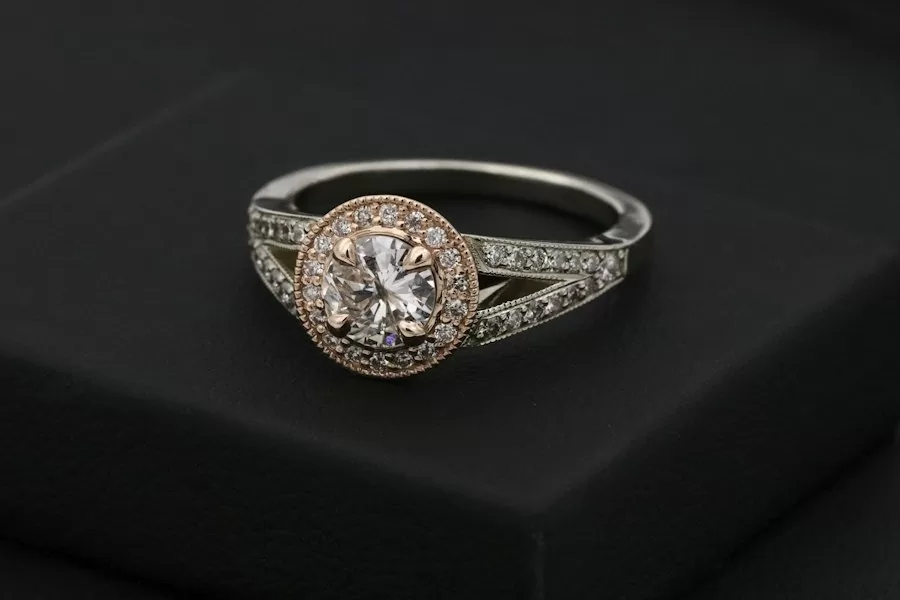
Why the Toi et Moi meaning resonates
The concept dates back centuries, but it re-entered the mainstream through celebrity engagement stories and redesigned bridal collections. Buyers are drawn to the symbolism: one stone can represent one partner, the other represents the other. Some couples choose each person's birth month or favorite shape. Others treat the second stone as a stand-in for a child, a hometown, or a meaningful chapter. Because the meaning is personal, the ring feels harder to duplicate off a generic showroom wall.
Popular stone pairings
The beauty of this setting is how forgiving it is. You do not need two identical diamonds. Contrast is what makes the design work:
- Round and pear for a soft, asymmetrical outline that elongates the finger.
- Oval and emerald for a modern, architectural pairing with two very different light performances.
- Two ovals in slightly different sizes for a balanced but not perfectly matched look.
- Round and marquise when the goal is maximum finger-lengthening.
Moissanite works beautifully here because it holds its brightness in both stones at a fraction of a mined-diamond budget. If you are weighing options, our guide to moissanite vs diamond engagement rings walks through the practical differences. For shape ideas, the moissanite shape comparison pairs well with a Toi et Moi conversation.
Setting and wear considerations
Most Toi et Moi rings use a bypass, crossover, or split-shank band. That open center looks delicate, but it is also where the ring flexes. Ask about the thickness of the shank and whether the two stones share a common gallery rail. A thin crossover can twist over years of wear, especially if one stone sits higher than the other. Prong protection matters too; the inner edges of each stone take small knocks because they face each other.
Because the two stones sit at different heights, finding a snug wedding band can be trickier than with a solitaire. A contoured or notched band usually solves it. If you are planning a matching set, read through matching a wedding band to your engagement ring before you commit to a crossover that sits very high off the finger.
Will it date quickly?
Any named trend carries a small risk of looking "of a moment." Toi et Moi is older than most fads, which helps, but your best protection is a timeless metal and clean lines. A yellow-gold bypass with two well-cut stones will age far better than a heavily embellished version with halo accents on both sides. Choose the symbolism you love, keep the metal classic, and the ring should still feel right decades from now.
Budget and metal choices
Because two stones share one setting, the budget conversation changes. Most couples choose a larger moissanite for the main stone and a slightly smaller, differently shaped companion rather than two equal stones, which keeps cost controlled while preserving the meaning that drew them to the style. Yellow gold flatters both warm and near-colorless stones and softens the asymmetrical line of the bypass; platinum or white gold keeps the look modern and graphic. Resist the urge to pave both shoulders, because extra metal competes with the two stones the design exists to show.
A slim band, an open crossover, and two well-matched stones are all this ring needs. When priced against a single larger stone of the same visual spread, a Toi et Moi pair often leaves room in the budget for a better cut or a higher color grade on each stone, which is where the sparkle really comes from. Ask your jeweler to show the pair both together and side by side so you can judge how the shapes talk to each other before you commit.
For buyers and retailers alike, the Toi et Moi style is worth stocking because it solves a real problem: couples who want something personal without a fully custom build. It sits in a sweet spot between off-the-shelf and one-of-a-kind, and that is exactly where bridal shoppers are spending. Whether the second stone marks a partner, a child, or a place that matters, the ring carries a meaning no single stone ever could.
For third-party reference, the Wikipedia article on moissanite details moissanite’s discovery, optical properties and use in jewelry.
Frequently Asked Questions
What ring sizes can you supply in bulk?
US sizes 5–12 including half sizes. Send a size breakdown with your order and we cast to that curve; comfort-fit inner bands reduce resize requests.
Can I order a mixed size run instead of one size?
Yes. Mixed runs are standard for wholesale: specify quantity per size and we pack and label by size at no extra labor cost.
What is the MOQ for custom ring designs?
50 pieces per design for existing molds; 100–300 pieces when a new mold or CAD model is required.
How should I price rings for retail margin?
Most partners use a 3–4x markup on FOB cost for sterling and 2.5–3x for moissanite solos, which keeps landed cost under 30% of retail.
Send your spec sheet — stone, cut, size, plating and quantity — and we will return a costed timeline.
Ask the workshop



