Engagement Rings
Toi et Moi Bypass Engagement Rings: The Two-Stone Trend Brides Want
A bypass engagement ring splits the shank into two gentle arcs that glide past one another instead of meeting in a straight line. When that same design carries two stones, one on each arc, it becomes a toi et moi ring. Loosely translated as “you and me,” the style places two gems side by side, tilted slightly toward each other, as if leaning in for a conversation. It reads modern, sentimental, and just unusual enough to feel personal without being difficult to wear.
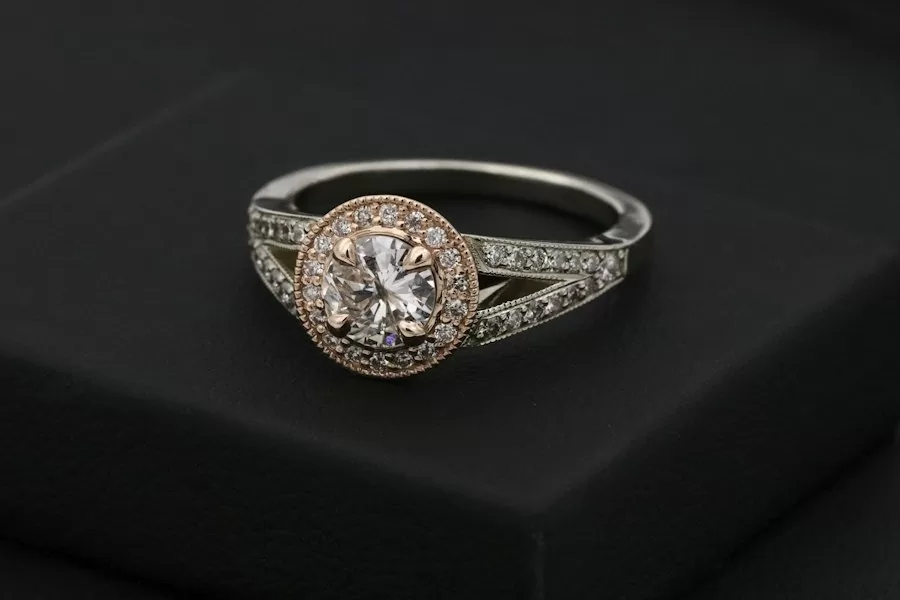
What makes a ring “toi et moi”
Historically, the design is tied to Napoleon’s engagement of Josephine, though modern shoppers rarely know that story before they see the ring. What they notice first is the asymmetry. Most engagement jewelry puts a single hero stone at the center; the toi et moi splits that attention between two gems. The bypass construction keeps the two stones from looking like a crowded cluster, because the metal arcs create negative space between them. That breathing room is what keeps the style elegant rather than busy.
Moissanite translates beautifully into this format. Because it is affordable enough to set two sizable stones without a shocking price tag, many buyers choose the two-stone look in a moissanite center stone combination rather than committing to two mined diamonds.
Which shapes pair best
The most flattering pairings play contrast against a shared outline. An oval on one arc balances a pear on the other; both are elongated, so the band stays slender. Round next to marquise is another classic, giving a soft traditional look next to a pointed, artful one. Square cuts, such as princess or cushion, sit well beside one another when the buyer wants a more geometric, architectural feel.
Buyers should avoid pairing two very wide shapes, like a large oval and a broad cushion, on a narrow bypass shank. The stones can crowd the finger and make the ring look top-heavy. A good rule of thumb is to keep the combined width of the two stones under roughly eleven millimeters on a standard seven or eight millimeter finger. Reference a stone size to millimeter chart before quoting custom orders, because carat weight alone does not predict the footprint on the hand.
How it feels to wear
Because the two stones sit on offset arcs, the ring tends to twist on the finger more than a centered solitaire does. A slightly heavier shank, around two to two and a half millimeters, helps hold it upright. The bypass edges are also a spot where prongs can catch on knits and hair, so expect a client who works with her hands to ask for lower-profile stones. This is not a ring for someone who never notices her jewelry; it is one for a buyer who enjoys an interactive, talkative piece.
Who the style suits
Toi et moi works especially well for couples who want to mark two milestones at once: an engagement stone paired with a birthstone, or each partner’s favorite shape set facing the other. It also resonates with buyers who want something beyond a halo but do not love the clean minimalism of a plain solitaire. For a shopper who keeps returning to vintage-inspired engagement rings but wants a contemporary twist, the two-stone bypass is often the compromise that closes the sale.
Stocking notes for retailers
Because the style is directional rather than a staple, a small curated range tends to outperform a deep inventory. Two or three ready-to-wear pairs in popular oval-and-pear and round-and-marquise combinations, plus a custom-order option for looser pairs, covers most demand. Photograph the ring from the top and from a three-quarter angle; the bypass profile is what sells it, and a flat front shot flattens the design. Keep a few matching band suggestions on hand, since a contoured band usually sits more comfortably against the swept shank than a straight one.
Budgeting a two-stone ring
Setting two stones instead of one changes the budget conversation in a useful way. Because each stone can be a little smaller than a single hero center, the total carat spread often looks larger than a solitaire of the same combined weight, without the price stepping up as steeply. Moissanite makes this especially accessible: a one-carat-equivalent oval paired with a one-carat-equivalent pear gives the look of a substantial ring for far less than a two-stone diamond design. That value is a big reason retailers are seeing the style move beyond the trend-conscious and into mainstream bridal cases.
Buyers should also plan for the setting hardware. A bypass head requires two matching seats and careful balancing, so the labor portion of the piece runs slightly higher than a standard solitaire. Quoting the stone pair and the setting as separate line items helps the client see where the money goes and makes the final price feel transparent. When she understands that the two stones are doing the storytelling, the cost stops feeling like a markup and starts feeling like a deliberate choice.
For third-party reference, the Wikipedia article on moissanite details moissanite’s discovery, optical properties and use in jewelry.
Frequently Asked Questions
What ring sizes can you supply in bulk?
US sizes 5–12 including half sizes. Send a size breakdown with your order and we cast to that curve; comfort-fit inner bands reduce resize requests.
Can I order a mixed size run instead of one size?
Yes. Mixed runs are standard for wholesale: specify quantity per size and we pack and label by size at no extra labor cost.
What is the MOQ for custom ring designs?
50 pieces per design for existing molds; 100–300 pieces when a new mold or CAD model is required.
How should I price rings for retail margin?
Most partners use a 3–4x markup on FOB cost for sterling and 2.5–3x for moissanite solos, which keeps landed cost under 30% of retail.
Send your spec sheet — stone, cut, size, plating and quantity — and we will return a costed timeline.
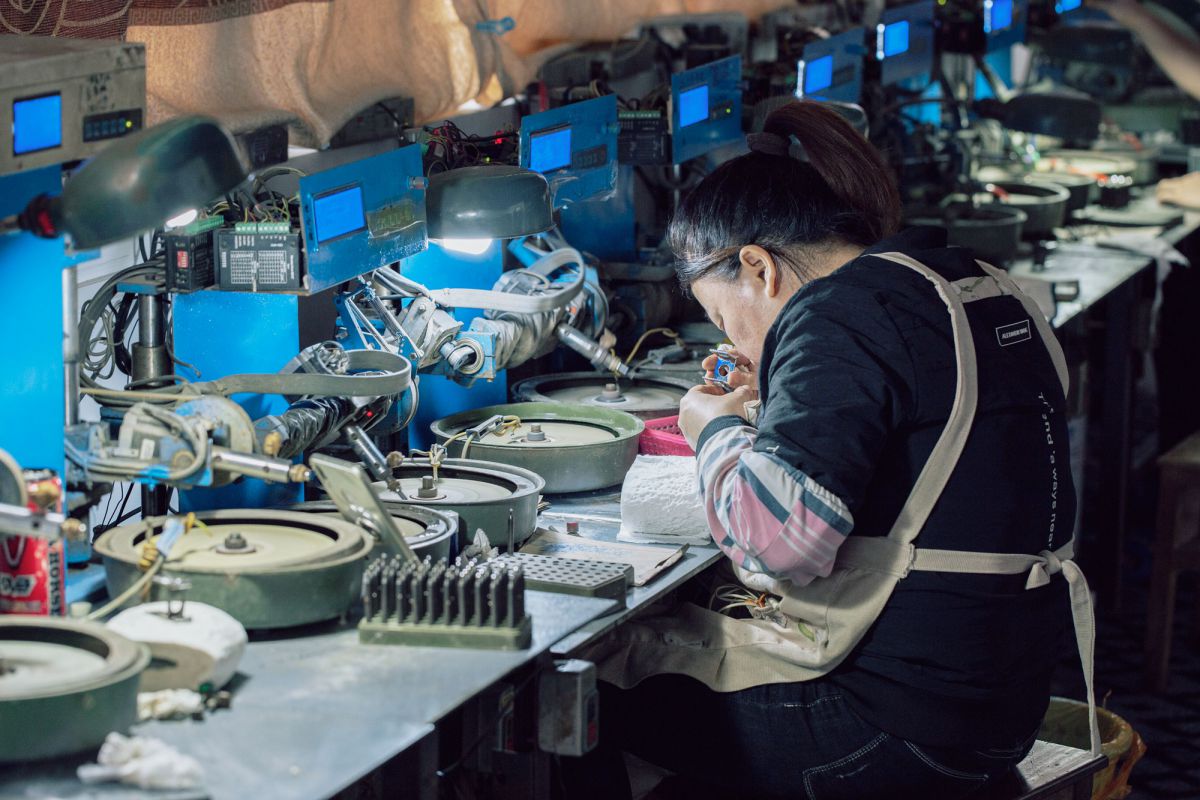
Ask the workshop