Engagement Rings
Tension-Setting Moissanite Engagement Rings: A Buying Guide
A tension setting is one of the most arresting ways to present an engagement stone. Instead of resting in prongs or a solid bezel, the center moissanite appears to hover in midair, gripped only by the opposing ends of a precision-cut band. That illusion of weightlessness is the reason brides keep asking for it, and it is also why the design deserves a closer look before a retailer commits to shelf space.
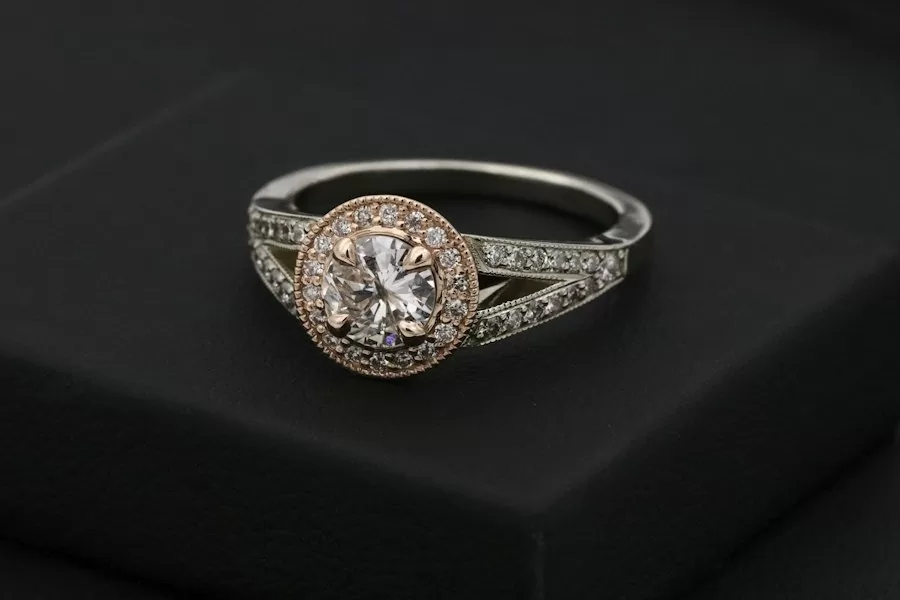
How a tension setting actually works
The band is forged or milled so that its two ends pull slightly inward under controlled spring tension. The bench jeweler cuts two tiny grooves into the stone's girdle, then presses the band ends apart and seats the stone so it snaps into those grooves. The continuous pressure of the metal does the holding, which is why the result feels almost architectural. Many modern versions add a hidden safety bridge beneath the stone for reassurance, but the clean, open visual effect stays intact.
Why it pairs naturally with moissanite
Moissanite is exceptionally hard and dimensionally stable, and it tolerates the lateral pressure of a tension seat well as long as the girdle is grooved by an experienced jeweler. Because tension settings show the stone from nearly every angle, the exceptional fire of a well-cut moissanite reads beautifully in natural daylight. Buyers often pair a round or oval center with a slim tension band for a minimalist look that photographs effortlessly. For context on proportions, see our moissanite stone size guide in millimeters.
Who this setting fits best
Tension settings favor modern, understated brides who want something quieter than a halo. The smooth, open band catches no fabric or glove, which is practical for people who cook, garden, or work with their hands. That said, the look is not universal: clients who love ornate vintage detail, or who plan to stack a curved wedding band flush against the ring, may find a flat tension band harder to pair. Review matching wedding bands to engagement rings before promising a snug flush fit.
Sizing and repair realities
This is the practical caveat every buyer should hear. Resizing a true tension ring is difficult because the band is engineered to a specific tension; changing the diameter can release that calibrated pressure and loosen the stone. Most jewelers can adjust within about a half size, but larger changes may require rebuilding the setting. Talk through a clear resizing policy with customers at the point of sale so expectations are set from day one rather than a year later.
Everyday care and cleaning
The open design means the pavilion of the stone is exposed, which makes cleaning simpler but also means the stone can take an incidental knock. Advise clients to remove the ring before heavy lifting or contact sports. A periodic seat-and-groove check, as outlined in how to clean an engagement ring at home, keeps lotion and soap residue from building up in the tiny grooves that hold the stone. Ultrasonic cleaners are generally safe for moissanite but should be used only after a jeweler confirms the tension seat is intact.
Metal and finish choices
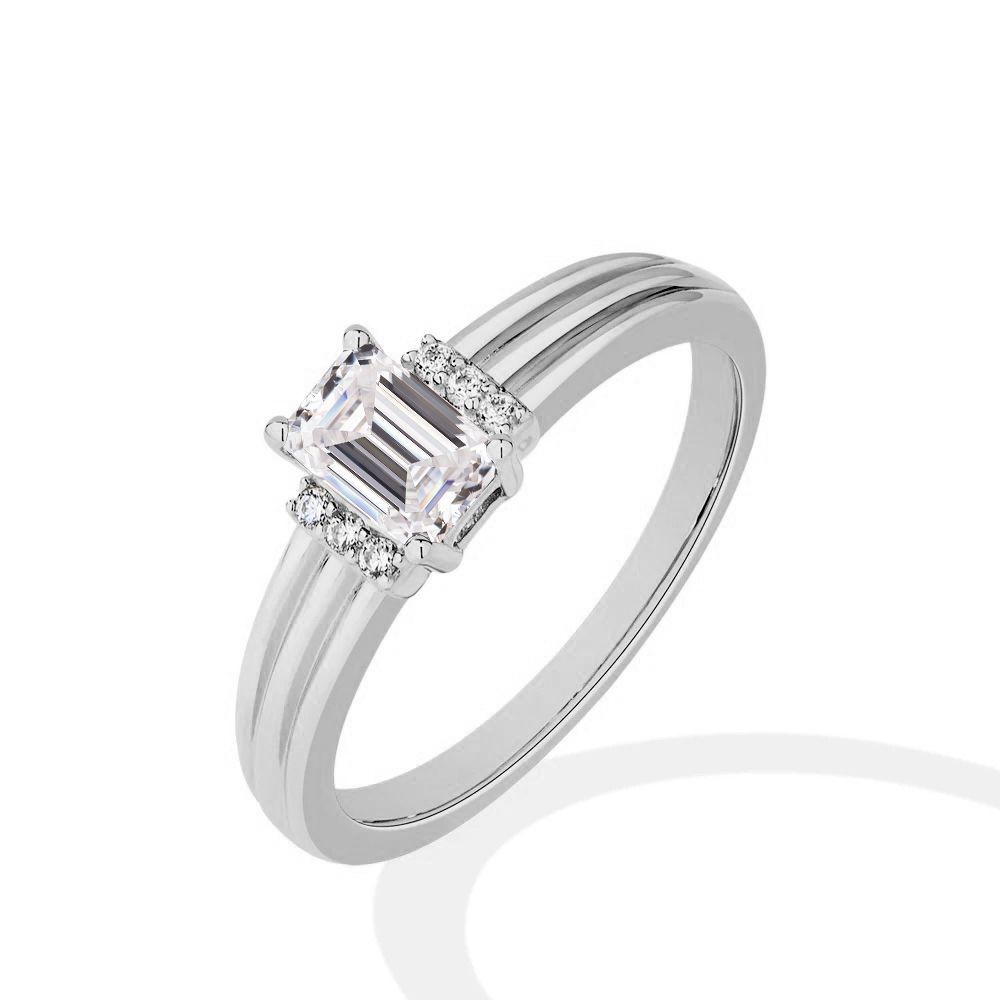
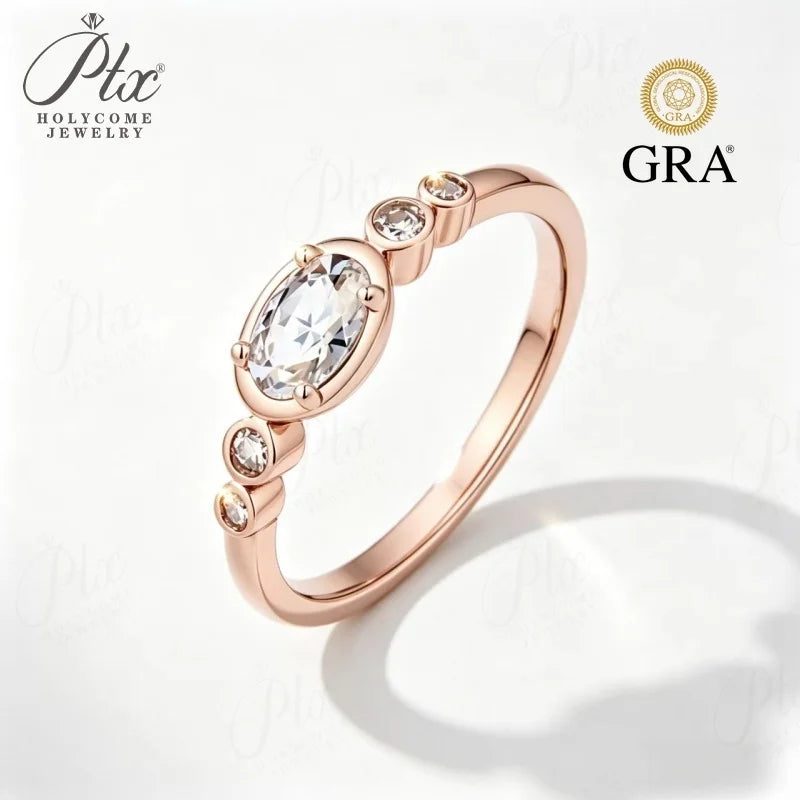
Tension settings tend to look sleekest in a single, cool-toned metal. Platinum and white gold are natural choices because the neutral band lets the stone be the hero, while rose gold adds warmth for clients who want a softer mood. Matte finishes hide micro-scratches better than high polish, which is worth mentioning to anyone worried about wear on an open band.
Stocking tips for independent jewelers
Tension settings are a niche, higher-margin SKU. Offer them in a couple of metal tones, lead with a round center for broad appeal, and carry one oval for clients who want a more elongated silhouette. Display the rings on a raised stand that lets light pass behind the stone so the floating effect is visible across the sales floor. When described honestly and sized correctly, a tension-set moissanite ring becomes a conversation piece that earns repeat referrals.
Setting expectations at the point of sale
The most common complaint about a tension ring is not breakage; it is surprise. Clients sometimes come in a year later asking why the band cannot be resized two sizes, or why the stone moved after a hard knock. Most of these issues trace back to a sales conversation that skipped the tradeoffs. Spending five minutes explaining that the ring holds the stone by engineered pressure, that resizing is limited, and that the open seat means occasional seat checks protects the relationship far more than it costs. Document (FTC jewelry industry guides) the finger size at purchase and note the limitation on the work order so every staff member gives the same answer.
Who should avoid this setting
Tension settings are not a fit for clients with very small or uneven fingers where the band needs heavy sizing, for anyone who expects a zero-maintenance ring, or for brides who want a fully ornate, diamond-covered shank. They also tend to sit higher on the hand, so people who type or do fine motor work all day may find the profile catches on the keyboard. In those cases, a low-profile bezel or a classic prong solitaire delivers a similar modern look with fewer compromises. The right tension customer is the buyer who loves the design, understands the care, and wants something genuinely different from a showroom full of halos.
Independent background on moissanite — how its hardness and refractive index compare with diamond — is documented in the Wikipedia article on moissanite.
Frequently Asked Questions
Is moissanite a good diamond alternative for retail buyers?
Yes for price-sensitive customers who want brilliance and hardness. Moissanite ranks 9.25 on the Mohs scale, holds up to daily wear and costs a fraction of a natural diamond of the same size, so it resells fast in bridal and fashion lines.
What is the minimum order for wholesale moissanite?
MOQ starts at 50 pieces per design for stock items. Custom cuts and private-label settings usually start at 100–300 pieces depending on the mold.
Do you provide certificates with moissanite stones?
Yes. Every parcel ships with GRA or IGI documentation listing carat weight, color grade and cut. We recommend passing the certificate to your end customer for trust.
How long does sample and bulk production take?
Samples ship in 3–5 days. Bulk runs take 15–20 days under 500 pieces, and 25–30 days for custom work.
Send your spec sheet — stone, cut, size, plating and quantity — and we will return a costed timeline.
Ask the workshop