Engagement Rings
How to Start Selling Bridal Jewelry: First 90 Days Playbook
A first-time boutique owner in Nashville spent her opening budget on forty engagement rings, booked a Saturday bridal event, and discovered that brides came in to try on rings but bought studs and pendants because the rings were outside the room's budget. She had conflated "the bridal category" with "the engagement ring case." If you are starting out, the first 90 days are a merchandising problem more than a capital problem. Here is the playbook that keeps the opening buy honest.
The four mistakes that sink a first bridal order
New bridal buyers over-index on the most romantic SKU in the catalog and under-index on the pieces brides actually walk out with on a Tuesday. The pattern is consistent across the buyers we onboard:
| Mistake | What it costs | The fix |
|---|---|---|
| 80% of budget on engagement rings | Slow-moving high-ticket units, low cash turnover | Cap rings at 40-50% of opening inventory |
| Single price point across the case | Loses brides whose budget is one tier away | Stock three price tiers per category |
| No sizing tools on site | Brides defer purchase until they "think about it" | Get a ring sizer set and a try-on tray before opening |
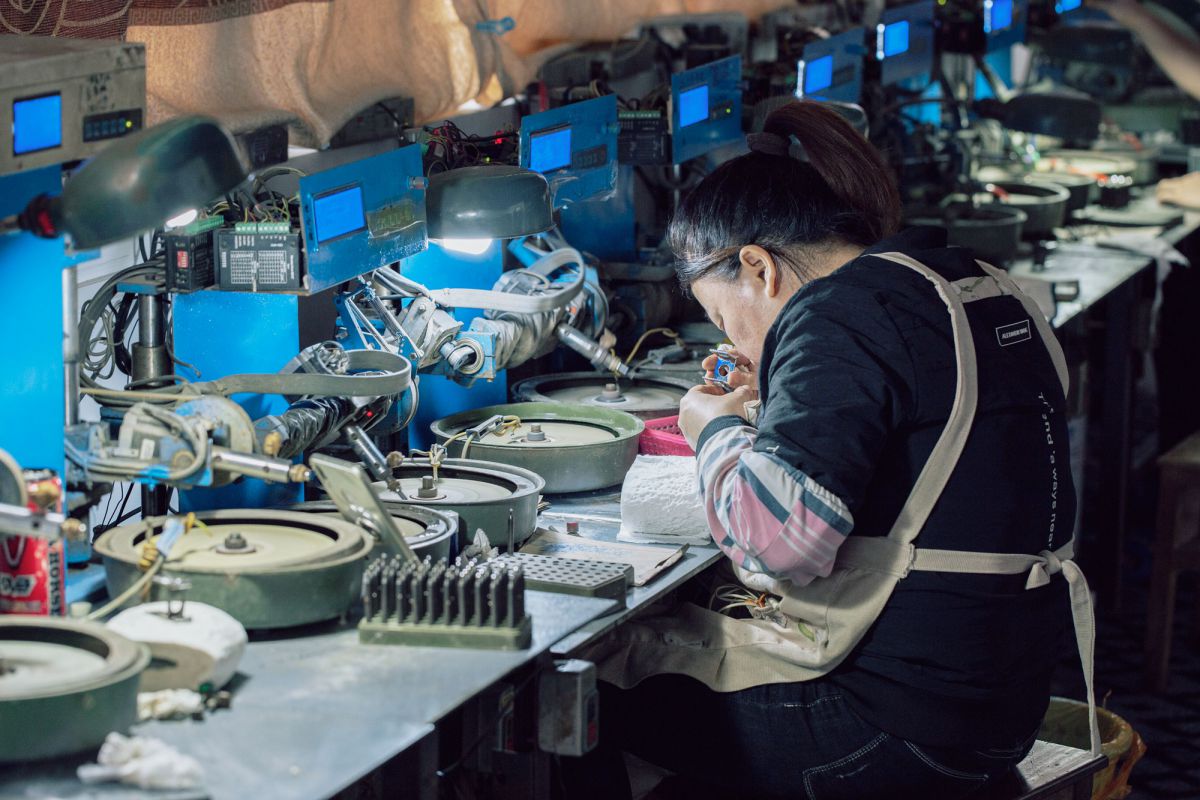
| Skipping a sample order | Discovers QC issues on the paying customer | Order 3-5 samples before the first wholesale PO |
The first-90-day SKU mix
A realistic opening buy for a boutique with a $5,000-$8,000 opening inventory looks like this. It is built to turn cash, not to look like a jewelry magazine spread:
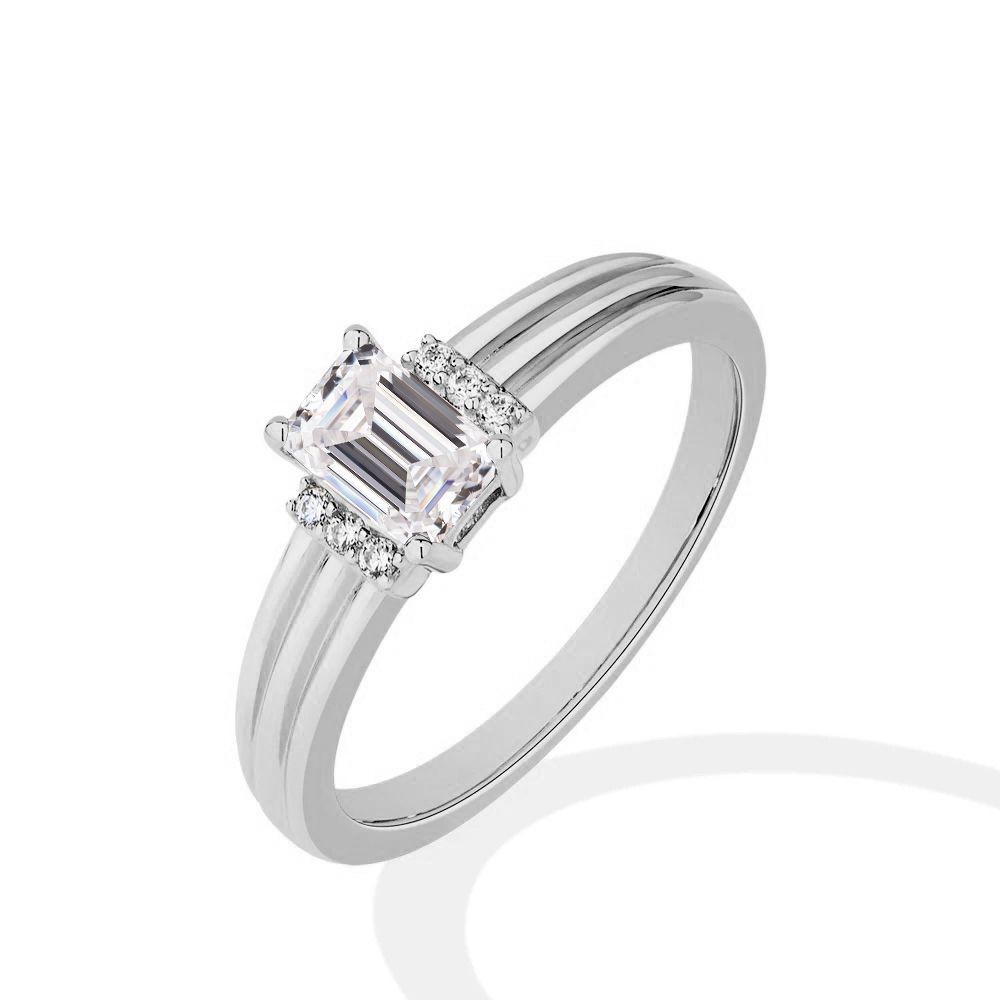
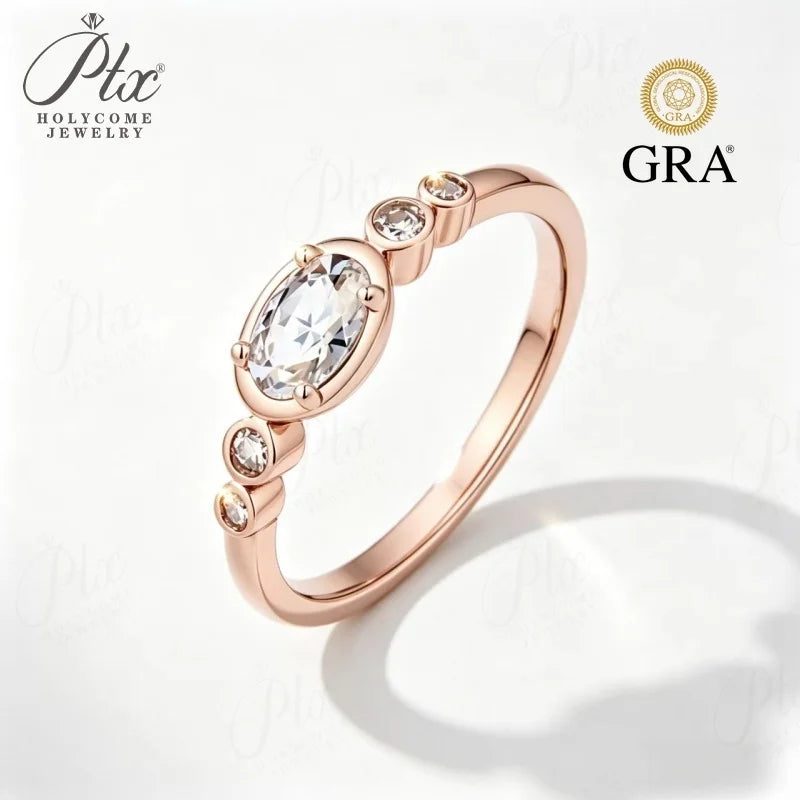
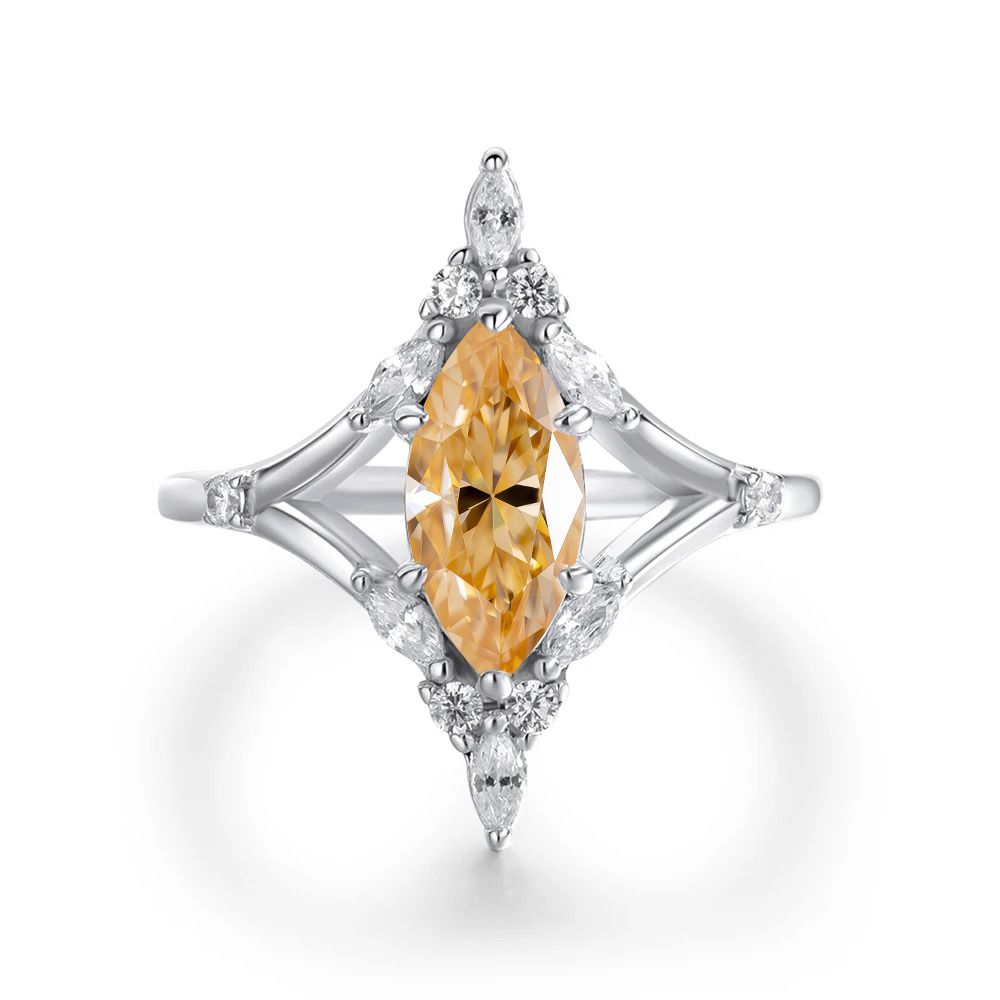
- Engagement rings (40% of budget). 12-18 pieces across three silhouettes: a solitaire, a halo and a petite option. Price tiers: $250, $450 and $750 retail. This covers the brides who walk in with a number and the brides who do not.
- Wedding bands and bridal sets (20%). 8-12 pieces, including 4-5 flush-fit sets. The band attach rate is where average ticket grows, not where it starts.
- Stud earrings and pendants (25%). 20-30 pairs of studs, 8-12 pendants on 18-inch chains. These are the "yes today" purchases that cover rent in the first 90 days.
- One bracelet or tennis line (10%). A small 6-8 piece tennis bracelet or bangle selection. It is the upsell on a bridal appointment, not a category you lead with.
- Working buffer (5%). Kept as cash, not inventory, for the first reorder. Do not spend the buffer on day one.
Non-inventory setup that matters
Before the first box lands on your doorstep, you need four things that have nothing to do with jewelry:
- Resale certificate or business registration. Wholesale accounts require this in most US states and EU member states. Without it, suppliers will quote retail, not wholesale.
- A ring sizer set and a try-on mandrel. Brides who can walk out with a sized ring buy on the spot. Brides who have to wait two weeks almost always buy elsewhere.
- A bridal try-on tray and a loop. A 10x loupe lets you show the GRA certificate number against the stone. That one gesture closes more engagement ring sales than any sign.
- A simple RMA and sizing policy on your own wall. Brides buy more confidently when the return and resizing terms are written, not mumbled.
How to pick the first supplier
For a first buy, three signals matter more than unit price: a sample program, a DDP shipping option, and a 30-day defect window. A supplier who ships samples at near-retail price and credits them against your first PO is asking you to test before you commit. A supplier who refuses samples on principle is forcing you to bet the whole opening budget on a photo.
Frequently Asked Questions
How much inventory do I need to start selling bridal jewelry?
A realistic opening buy is $5,000-$8,000 across 50-70 pieces, with engagement rings capped at 40-50% of the budget. This is enough to open the door without tying up cash in slow-moving high-ticket units.
Do I need a business license to buy bridal jewelry wholesale?
Yes. Most legitimate wholesale suppliers require a resale certificate or business registration to open an account, because wholesale pricing is legally distinct from retail pricing in most US states and EU member states.
Should I buy loose moissanite or finished rings to start?
Start with finished rings unless you have an in-house setter. Finished rings ship with a GRA certificate and an in-house QC tag, which is what a bridal buyer expects to see on the counter. Add loose stones once custom orders are a proven part of your business.
How do I price bridal jewelry as a new boutique?
Plan retail at 2.6-3.2x wholesale on silver moissanite and 2.2-2.8x on 10k gold. Stay under 3.5x on sub-$50 wholesale pieces, because online alternatives are visible to brides doing their own research.
What is the fastest way to get to a second reorder?
Track sell-through by SKU in the first 60 days and reorder only the two designs that moved fastest. Resist the urge to reorder the full catalog; depth on proven SKUs beats breadth on unproven ones.
Takeaways
- Cap engagement rings at 40-50% of the opening budget; studs and pendants cover the rent.
- Order 3-5 samples before the first wholesale PO; the cost is credited back.
- Stock three price tiers per category, not one.
- Request a sample parcel: MOQ 20 pcs, DDP shipping, ships in 5 business days.
Plan the opening buy across engagement rings, bridal sets, earrings and pendants, or read the startup guides.
The Wikipedia entry on engagement rings gives an independent overview of engagement ring traditions and settings.
Send your spec sheet — stone, cut, size, plating and quantity — and we will return a costed timeline.
Ask the workshop