How to Start a Moissanite Jewelry Business Wholesale Guide
How to Start a Moissanite Jewelry Business Wholesale Guide - HOLYCOME
Moissanite is one of the fastest-growing categories in bridal and fashion jewelry. Consumer awareness has surged as buyers seek affordable, ethical alternatives to mined diamonds, and e-commerce has made it possible for new brands to launch without physical retail presence. But starting a moissanite jewelry business requires more than sourcing pretty stones and building a website - you need a clear business model, reliable supply chain, quality assurance, compliant marketing, and a go-to-market strategy that sets you apart in an increasingly crowded space. This guide from HOLYCOME walks you through the steps, decisions, and pitfalls of launching a moissanite jewelry business, with practical advice on wholesale sourcing.
Market Opportunity and Positioning
Moissanite entered the mainstream bridal market in force between 2015 and 2025, as colorless (DEF) moissanite production improved and online-first brands demonstrated that consumers would choose moissanite for engagement rings at 10-20% of the price of equivalent diamonds. The market continues to grow, driven by younger consumers (Gen Z and millennial buyers prioritize value and ethics over traditional diamond marketing), social media visibility, and expanding product categories beyond rings into earrings, tennis bracelets, and necklaces.
However, the market is more competitive than it was five years ago. Success requires positioning. Several viable moissanite business models exist:
| Business Model | Price Tier | Primary Channel | Differentiation |
|---|---|---|---|
| Bridal specialist (engagement rings) | $200-$2,000 | Shopify DTC, Etsy, bridal shows | Custom design, warranty, education |
| Fashion moissanite (earrings, pendants, tennis) | $50-$500 | Instagram/TikTok, Shopify, Amazon | Trend-forward, affordable gifting |
| Private label/white label | $80-$800 | Retail partner stores, wholesale | Ready designs, fast fulfillment |
| Custom/made-to-order | $300-$5,000 | DTC, consultations, trunk shows | Bespoke design, CAD reviews, personal service |
| Men's moissanite jewelry | $100-$2,000 | Shopify, Amazon, menswear retailers | Masculine designs, pinky rings, cuban links |
| Moissanite loose stone supplier | Per carat | Wholesale to jewelers, B2B | Certification, range, bulk pricing |
Trying to be everything to everyone is the most common new-business failure. Pick one lane initially - bridal engagement rings is the largest moissanite segment and a strong place to start - and execute well before expanding.
Business Setup and Compliance
Before sourcing product, set up your business properly. Register your business entity (LLC is recommended for most US jewelry businesses due to liability protection). Obtain a sales tax permit / resale certificate in your state (required to buy wholesale without paying sales tax and to collect sales tax from customers). Open a business bank account separate from personal finances. Secure business insurance (product liability insurance is important for jewelry - a loose stone or broken ring can lead to claims). Register your brand name as a trademark if you plan to build a significant brand. Understand FTC Jewelry Guides requirements: you must disclose that stones are moissanite - never market moissanite as diamond. The FTC prohibits deceptive origin claims, and misrepresenting moissanite as diamond is fraud.
Sourcing: Finding a Reliable Moissanite Supplier
Your supplier relationship determines product quality, lead times, pricing, and ultimately your brand reputation. Moissanite supply comes from three tiers:
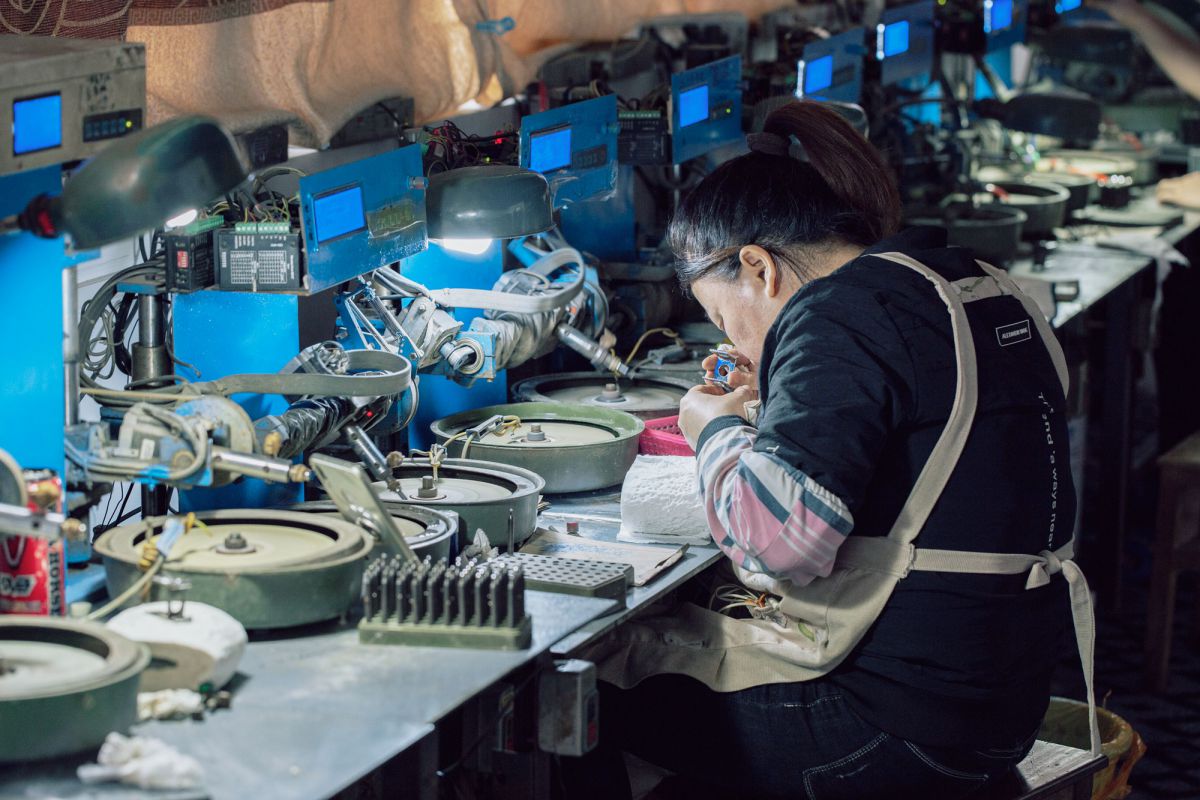
Direct manufacturers (like HOLYCOME) produce finished moissanite jewelry in-house from casting through setting and finishing. Working directly with a factory gives best pricing, full quality control, customization capability, and the ability to scale. Trading companies and wholesalers source from multiple factories and resell to retailers, adding margin but offering lower MOQs, wider selection, and easier initial ordering. This is a common starting point for very small brands. Drop shippers hold no inventory - orders ship from a third party with your label. Low risk, low control over quality and shipping times; suitable for validating a concept before investing in inventory.
When evaluating suppliers, ask for samples before placing bulk orders (always). Verify stone quality - request DEF VVS-VS stones with certificates for premium lines; inspect for color consistency across sizes, facet polish, and metal quality. Ask about defect rates and return/replacement policies for defective merchandise. Clarify lead times - stock vs custom-make - and get production schedules in writing. Understand shipping methods, customs duties, and insurance coverage. Evaluate communication quality; a supplier who responds within 24 hours and provides photo updates during production is worth a small price premium over the cheapest quote. Check if they support white-label packaging (no factory branding) if building your own brand.
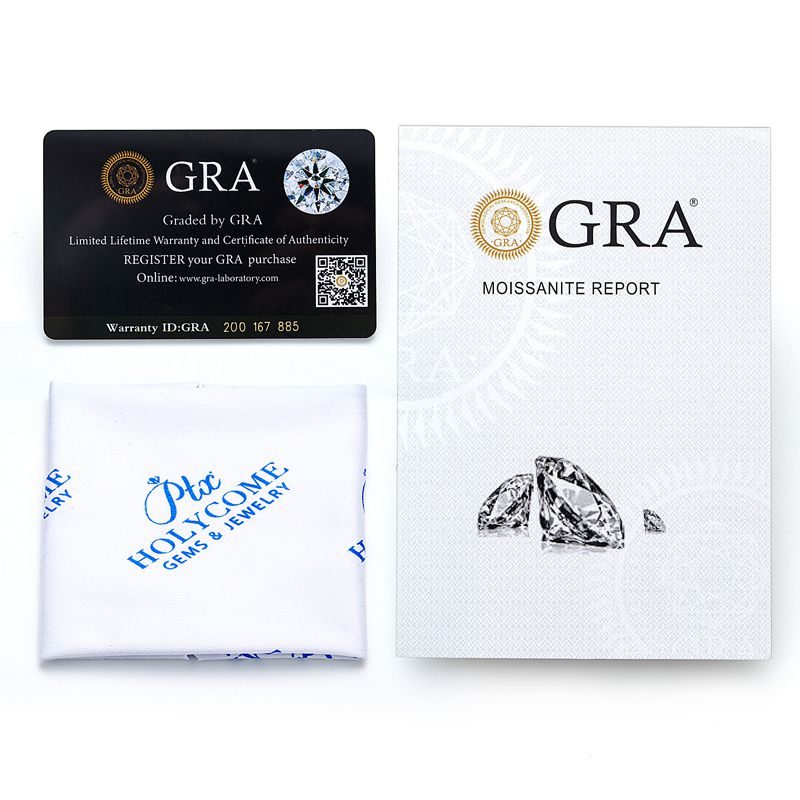
HOLYCOME manufactures finished moissanite jewelry at direct factory pricing, supports OEM/ODM for custom designs, provides quality certificates on pieces over 0.5 ct, and offers MOQ flexibility for new brands.
Product Line Strategy
For a launch collection, resist the temptation to carry 100 SKUs. A focused line of 15-30 pieces that you can photograph beautifully, describe compellingly, and stock reliably performs better than a large catalog of slow-moving inventory.
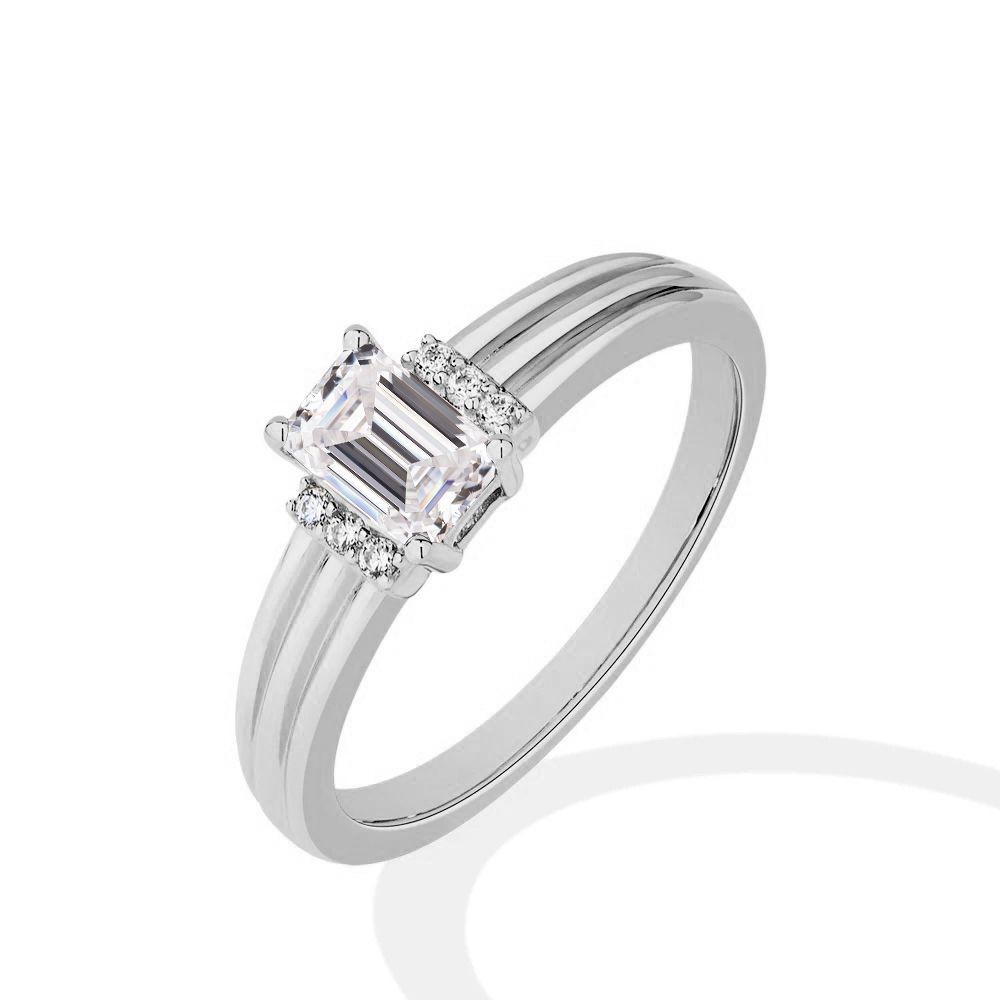
For bridal-focused brands, start with: a classic round-brilliant solitaire in 1 ct and 1.5 ct (your hero product at a highly visible price point). A halo solitaire (top-selling style). A three-stone ring. A vintage/art deco style (for differentiation). A pavé band. Simple wedding bands (plain, pavé) to complement the engagement rings. A small selection of stud earrings and pendants as add-on purchases.
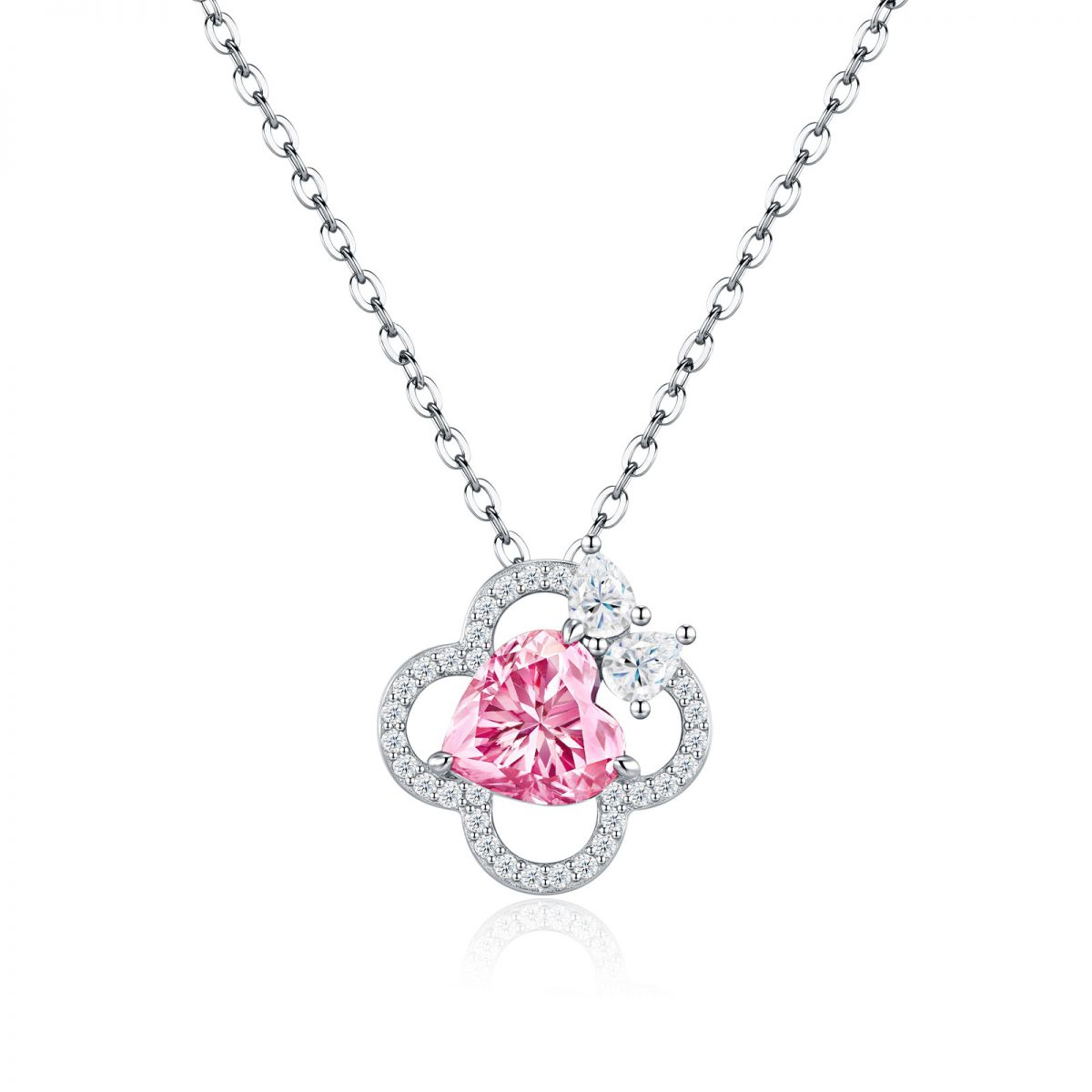
For fashion-focused brands, start with: stud earrings in several sizes (0.5 ct, 1 ct, 2 ct tw). A tennis bracelet (top-selling fashion moissanite piece). A pendant necklace. Small hoops or huggies. One or two statement styles (hoops with stones, dangle earrings, layered necklaces).
Carry multiple metal options (at minimum: sterling silver with rhodium plate, 10K/14K white gold, yellow gold, rose gold) but stock the most popular combinations in depth rather than every permutation. White gold and silver remain the bridal standard; yellow gold and rose gold are growing fashion segments.
Pricing and Margins
Pricing your products correctly is critical. Too low and you lose money; too high and you don't sell. Common pricing structure for DTC moissanite:
Wholesale cost (from factory) x 2.5 to 3.5 = retail price, covering cost of goods sold, payment processing (2.9% + $0.30 per transaction), shipping, packaging, returns (expect 5-15% return rate in e-commerce, 2-5% in bridal), advertising (typically 15-30% of revenue in DTC), overhead (website, photography, software, labor), and profit (target 15-30% net profit margin).
Example: a 1 ct DEF moissanite solitaire in sterling silver that costs you $45 wholesale might retail at $150-$220. The same stone in 14K white gold at $350 wholesale might retail at $900-$1,400. For context, natural diamond equivalents sell for $4,000-$8,000+, giving moissanite a powerful value proposition that justifies healthy margins while remaining significantly under diamond pricing.
Offer tiered pricing: entry-level silver pieces for price-sensitive shoppers (acquisition products), premium gold pieces for bridal and fine jewelry buyers (margin drivers), and one-of-a-kind custom pieces for high-end clients (prestige).
E-Commerce Setup
Most moissanite brands launch DTC via Shopify (easiest e-commerce platform for small jewelry brands). Key setup elements:
Professional product photography is non-negotiable - jewelry is visual and customers buy what they can see. Invest in a macro lens, light tent, and photo editing (or hire a jewelry photographer for your launch collection). Provide multiple angles, in-hand shots, and video showing sparkle. Product pages should describe the 4C specs, metal type, stamp, stone size in mm (not just "carat equivalent"), warranty, and ring sizing guide. Customers buying moissanite online want reassurance about quality and authenticity. Clear return policy (30-day returns is standard for e-commerce; custom engraved pieces typically non-returnable). Secure payment processing (Shopify Payments, Stripe, PayPal). Consider offering financing through Klarna, Afterpay, or Affirm - big-ticket bridal purchases convert significantly better with installment payment options. SEO-optimized product descriptions and category pages targeting moissanite buying keywords.
Marketing and Customer Acquisition
Moissanite buyers fall into two broad groups: value-conscious bridal buyers who have learned about moissanite and are actively comparing it to diamond, and fashion/affordable luxury buyers who want the look of diamond jewelry at accessible prices. Your marketing should speak to both.
Social media (Instagram, TikTok, Pinterest) drives most DTC moissanite sales. User-generated content (customer photos of rings on hands), comparison content (moissanite vs diamond), educational content (the benefits of moissanite), and behind-the-scenes production content all perform well. Pinterest is especially strong for bridal planning content; TikTok and Instagram Reels drive discovery and impulse purchases.
SEO content: create comparison pages ("moissanite vs diamond," "moissanite vs cubic zirconia," "lab grown vs moissanite"), guides ("how to choose moissanite engagement ring," "moissanite care"), and real-wedding features to capture organic search traffic. Bridal forums (Reddit r/EngagementRings, Wedding Wire, The Knot) have active moissanite communities - authentic engagement (not spam) builds credibility. Influencer collaborations with micro-influencers (10k-100k followers) in bridal, fashion, and ethical living niches drive higher conversion than macro-influencers for moissanite.
Email marketing: build your list from day one. Offer a first-purchase discount, send educational content, and re-engage customers who have abandoned carts (abandoned cart recovery emails are critical for jewelry - the average open rate is 40%+). Collect reviews and testimonials aggressively; social proof is everything for bridal purchases.
Quality Assurance and Customer Service
Moissanite jewelry's biggest risk is not the stone itself (which is highly durable) but manufacturing quality: loose stones from poor setting, thin plating that wears off quickly, rough prongs, clasps that break, or stones that are not properly color-matched across pairs or sets. Work with a supplier who inspects every piece before shipment, and do your own incoming quality inspection on at least 10% of bulk orders.
Offer a clear warranty: lifetime stone guarantee against defects (moissanite itself will almost never chip or scratch under normal wear - if it does, it's almost certainly a setting problem or damaged shipment), 6-12 month manufacturing defect warranty on metal and settings, and paid re-plating/re-polishing services. Strong warranties reduce purchase hesitation for online bridal buyers who cannot inspect the ring in person.
Customer service excellence differentiates moissanite brands. Bridal purchases are emotional - respond quickly, help with sizing, provide ring resizing guidance, and support customers throughout their buying journey. A customer who feels supported during a ring purchase will refer friends and purchase wedding bands, anniversary gifts, and other jewelry over time.
Inventory and Fulfillment
Start with a mix of stock inventory and made-to-order to balance cash flow and speed. Stock your best-selling sizes (engagement rings in sizes 6, 7, 8 are 70%+ of US demand) and popular styles for immediate shipment; offer non-standard sizes and gold options as made-to-order (10-20 business day fulfillment). Track sell-through data weekly and reorder top sellers before stockouts - running out of your hero product during a marketing push is devastating.
As you scale, consider blind drop shipping from your factory for overflow or custom orders. HOLYCOME supports blind drop shipping for wholesale clients, with no factory branding on packages and your return address on the label.
Frequently Asked Questions
How much capital do I need to start a moissanite jewelry business?
A minimum viable launch is $3,000-$10,000 covering initial inventory (30-100 pieces across 15-25 styles), basic website/photography, and 1-2 months of operating expenses. If you start with drop shipping to validate demand, you can launch for under $1,000. Serious bridal brands launching with full inventory, custom packaging, and ad budget typically invest $15,000-$50,000.
Do I need a physical store to sell moissanite?
No. The majority of new moissanite brands launch DTC online and never open physical stores. Pop-ups, trunk shows, and bridal shows can supplement online sales, but a website is sufficient to start. Some successful moissanite brands have never had a physical location.
What MOQ should I expect from moissanite factories?
Standard MOQ from direct factories is typically 30-50 pieces per style for bulk pricing. For new brands, HOLYCOME offers flexible MOQs starting at 10-20 pieces for initial orders, and sample pricing for single evaluation pieces. Trading companies may sell individual pieces but at higher unit cost.
How do I handle ring sizing for online orders?
Provide a printable ring sizer on your website, sell inexpensive plastic ring sizers for customers (often provided free with a code), and offer one free resizing within a certain size range for gold pieces. For silver, resizing is inexpensive; stocking half-sizes in top sellers reduces resizing logistics.
What legal issues should I be aware of?
Never represent moissanite as diamond - this is illegal in the US under FTC Guides and in most jurisdictions. Clearly label moissanite across all product pages, descriptions, and marketing. Ensure metal stamps are accurate (do not stamp "14K" on gold-plated pieces). Comply with state sales tax obligations, EU VAT/REACH regulations if selling internationally (nickel content in posts, lead/cadmium limits), and California Prop 65 for US sales. Have clear return, refund, and warranty policies on your website.
Should I offer custom design services?
Custom design is a powerful differentiator for moissanite bridal brands, but it requires CAD capability or a supplier who can produce CAD for client approval. HOLYCOME provides CAD services for wholesale clients on custom orders. Start with modifications to existing designs (different center stone shape, hidden halo, custom engraving) before offering full bespoke design from scratch.
What is the typical return rate for online moissanite sales?
Expect 5-12% return rate for quality product with accurate photos and descriptions. Returns spike if sizing guidance is poor (buyers ordering wrong ring size), if product photos misrepresent color/sparkle, or if product quality fails expectations. Generous return policies actually increase conversion more than they cost in returns - 30-day free returns builds the trust needed for online bridal purchases.
Starting a moissanite jewelry business is accessible to new entrepreneurs because of favorable price points, growing demand, and direct factory sourcing. HOLYCOME supports new and growing brands with wholesale pricing, OEM capabilities, flexible MOQs, and drop shipping - contact our wholesale team to discuss your launch.
For the legal text behind our material compliance, see the REACH Regulation (EC) No 1907/2006 on EUR-Lex.
Related Reading
- Start a Jewelry Business Wholesale Guide - HOLYCOME
- 925 Sterling Silver Jewelry Wholesale Buying Guide - HOLYCOME
- Lab Grown Diamonds Wholesale Bulk Buying Guide - HOLYCOME
Related reading: Start a Jewelry Business Wholesale Guide, Wholesale Start Jewelry Business Online, Start Jewelry Business Wholesale Buying Guide.
Send your spec sheet — stone, cut, size, plating and quantity — and we will return a costed timeline.
Ask the workshop