Start a Jewelry Business Wholesale Guide
People starting a jewelry business—whether a small boutique, an online DTC brand, an Etsy shop, a TikTok/Instagram social commerce brand, or a bridal-focused local jeweler—often ask the same first set of questions: how much inventory do I need, where do I buy at wholesale prices, how do I pick a reliable supplier, how do I price for margin, and what mistakes should I avoid on the first order. A founder we worked with in 2023 launched an Instagram-based moissanite bridal brand with $15,000 of personal savings. On her first wholesale order, she bought 300 finished rings across 30 styles (10 per style) from a very low-cost supplier she found on a marketplace, spending $11,000. The rings arrived with thin rhodium plating, crooked settings, and no per-piece packaging. She spent $1,500 on rework and $1,200 on packaging before she could sell anything. Her opening assortment was too wide—she stocked styles that didn't sell while running out of her top 3 sellers in the first 30 days. She learned that starting a jewelry business is as much about smart inventory planning as it is about good product. This guide walks through the practical steps for starting a jewelry business at wholesale: starting budget, picking a niche, first inventory buy, supplier vetting, pricing, and common early mistakes to avoid.
Start with a Niche, Not Everything
The single biggest mistake new jewelry businesses make is trying to carry everything at once. A focused niche lets you target a specific customer, concentrate inventory budget, build a clear brand, and re-order your best sellers rather than tying up capital in slow-moving stock. Profitable jewelry niches for 2026 include:
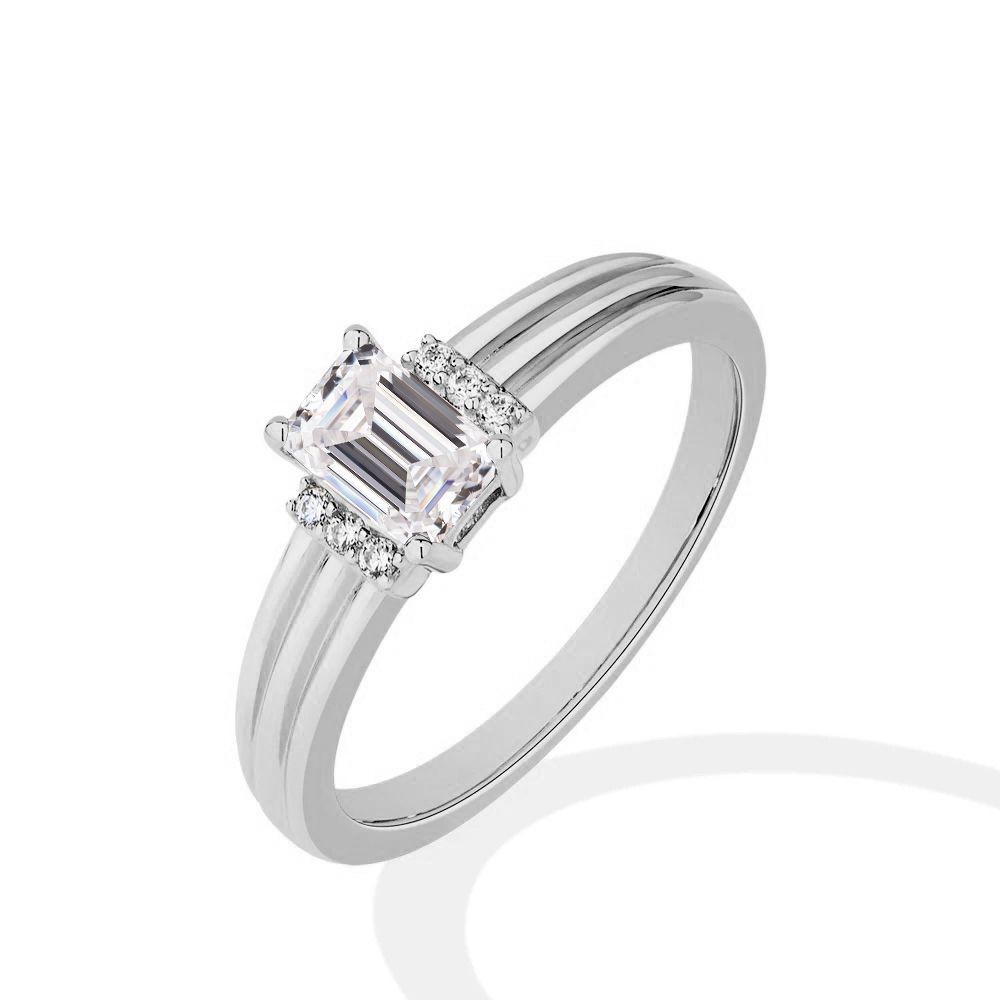
- Moissanite/lab grown bridal (engagement rings and wedding bands in the $299-$1,999 retail range)
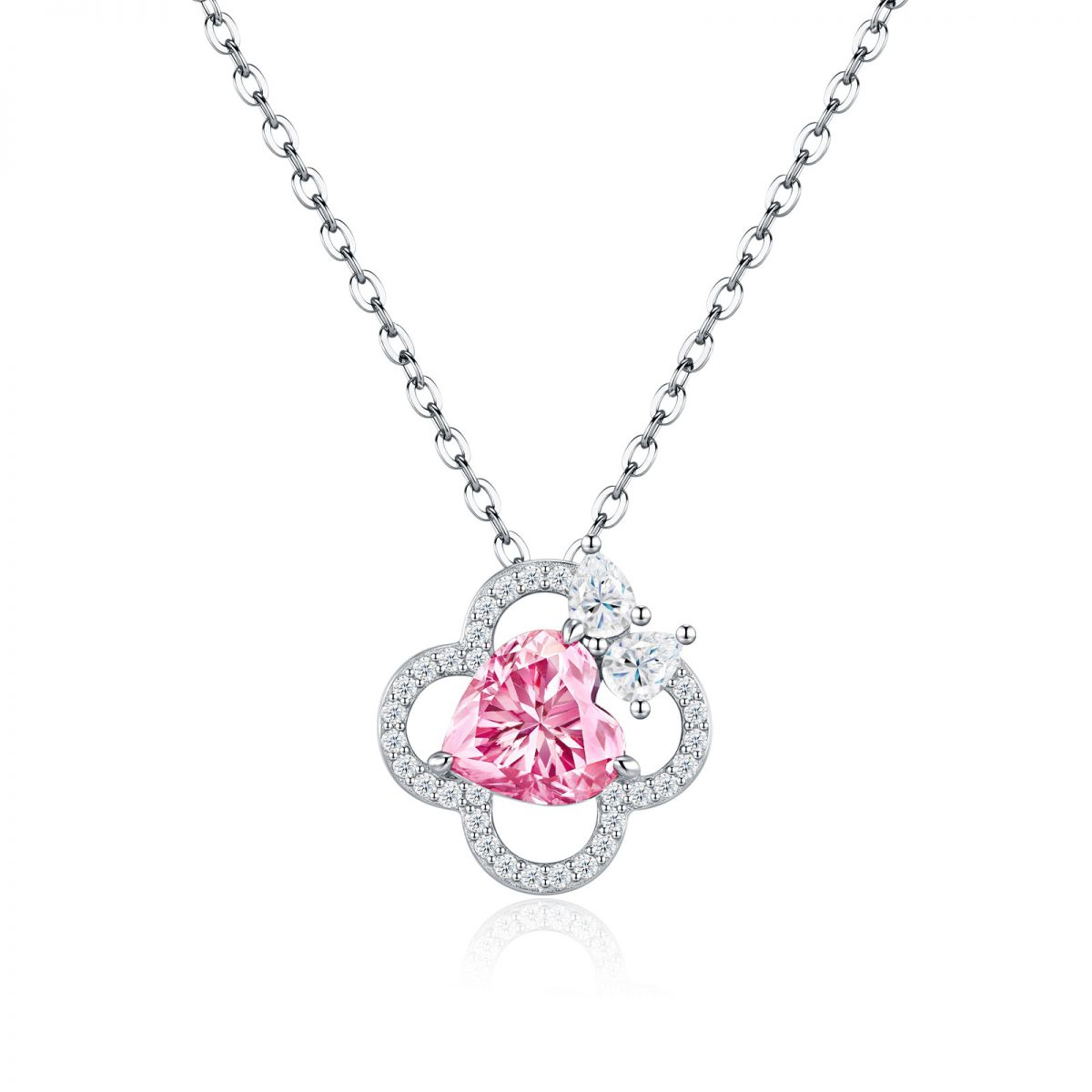
- Everyday 925 silver demi-fine jewelry (minimalist studs, layered necklaces, stackable rings—$29-$149 retail)
- Personalized/custom jewelry (engraved necklaces, birthstone pieces, initial pendants)
- Vintage-inspired / antique-style silver and gold pieces
- Men's jewelry (minimalist silver bands, chains, signet rings, cufflinks)
- Bridal party and gifting (bridesmaid gifts, groomsmen cufflinks, anniversary pieces)
- Gemstone fashion jewelry (affordable semi-precious pieces in trending colors)
Pick one niche, learn that category deeply, and nail your supply chain for it before expanding. The brands that fail fastest are the ones that launch with "all types of jewelry for everyone."
Startup Budget Realities
You can start a jewelry brand on widely varying budgets depending on channel and niche:
| Business Model | Typical Startup Inventory Budget | Additional Costs |
|---|---|---|
| Etsy / social commerce (small stock) | $1,000-3,000 | Photography, packaging, shipping, Etsy fees |
| Shopify DTC brand (niche focus) | $5,000-15,000 | Website, brand photography, packaging, ads |
| Brick-and-mortar boutique | $20,000-60,000 | Rent, fixtures, POS, displays, staff, insurance |
| Bridal-focused storefront | $50,000-200,000 | Viewing inventory, displays, staff, marketing |
| Private-label brand sold wholesale | $15,000-50,000 | Sample lines, trade shows, catalogs, B2B sales |
A common recommendation for new brands is to start smaller than you think—resist the urge to stock 50 styles. A focused 10-20 style opening assortment sells faster, teaches you what customers actually want, and lets you re-order proven winners before committing to broad inventory.
First Inventory Order
For a typical online or boutique launch in sterling silver demi-fine (or moissanite bridal), structure your first order around 10-20 core styles, not 50+. Example opening structure for a silver demi-fine brand:
- Stud earrings: 3-5 SKUs (classic CZ, pearl, huggie hoops, gemstone studs). 10-20 pairs per SKU.
- Necklaces: 4-6 SKUs (pendant, layered chain, initial, birthstone, solitaire). 10-15 pieces per SKU.
- Rings: 3-5 SKUs (stackable bands, signet, simple solitaire). 8-12 pieces per SKU in sizes 5-9 (sizes 6 and 7 are 60% of US sales).
- Bracelets: 2-3 SKUs (tennis, chain, cuff). 10-15 pieces per SKU.
For a moissanite/lab diamond bridal brand, hold a viewing set of popular center stones plus 10-15 sample ring mountings, and order specific customer pieces quickly through your wholesale supplier rather than holding 30 rings in every size.
Vetting Wholesale Suppliers
The wholesale jewelry market is crowded with resellers, trading companies, and actual manufacturers. Knowing which you are dealing with matters for price, lead time, customization, and quality:
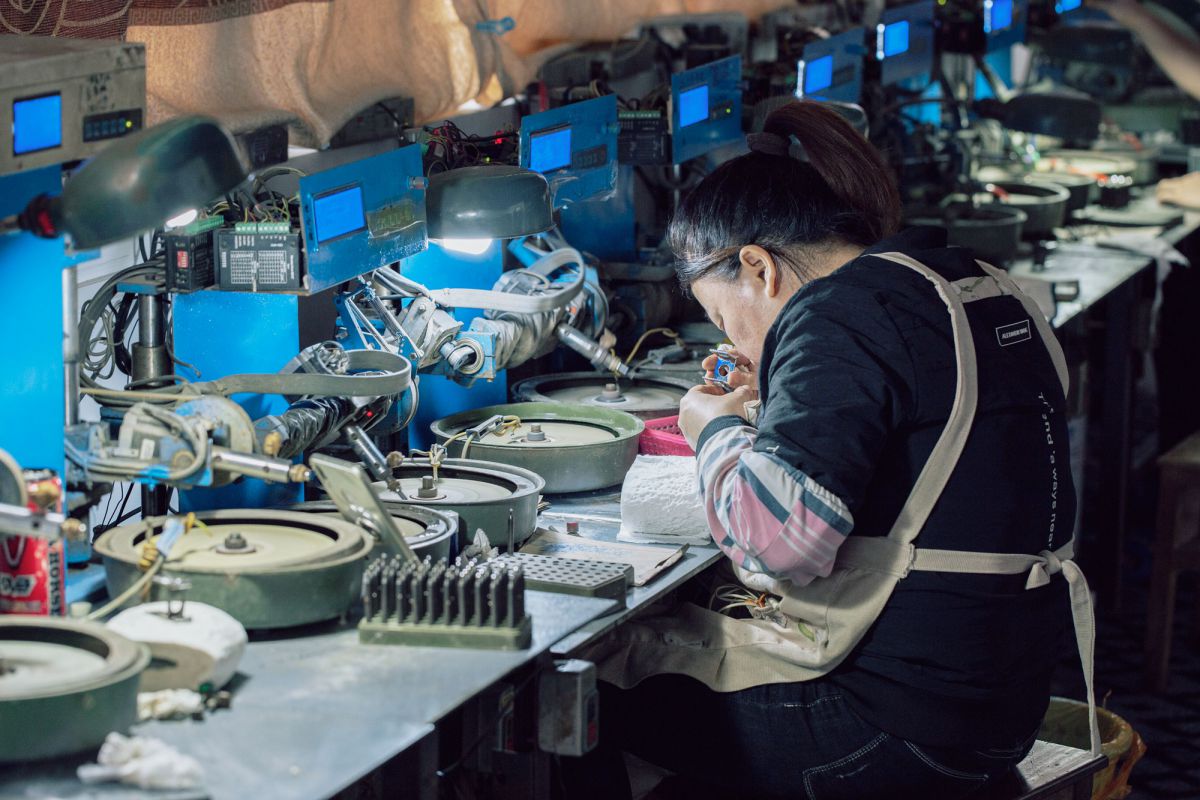
- Direct manufacturers: Produce in their own factory; MOQ 30-100 pieces per style; best prices; most customization; 20-35 day production for custom orders.
- Wholesalers/distributors: Aggregate from multiple manufacturers; lower MOQs (10-30 pieces); often have US stock for quick shipment; slightly higher prices but lower risk for a new brand.
- Trading companies/marketplace resellers: Lowest apparent prices but highest defect risk; MOQs as low as 1-5 pieces. Avoid these for primary supply until you can verify quality yourself.
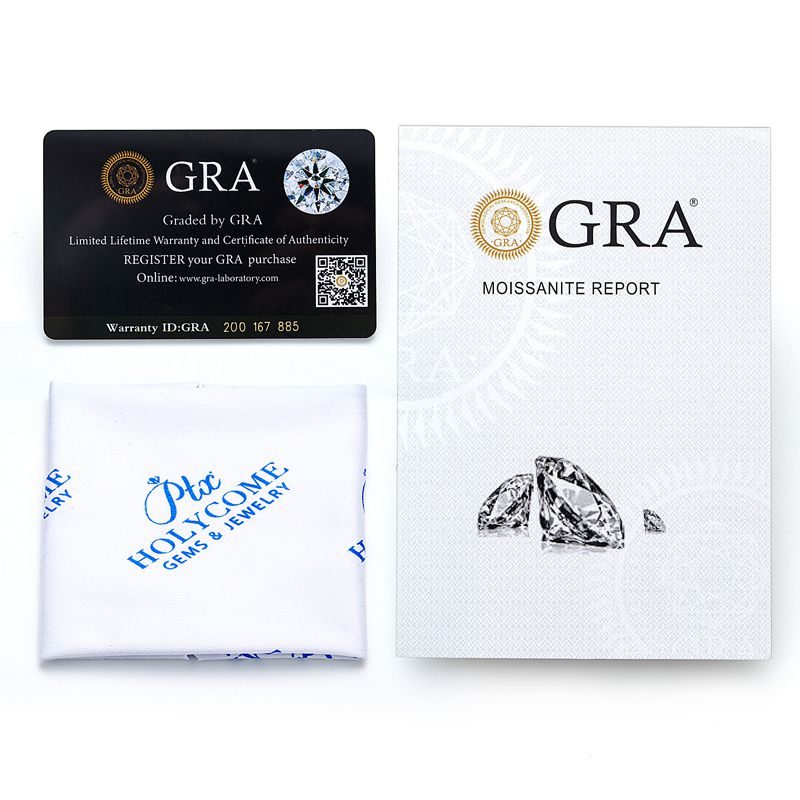
When vetting a new supplier, ask: are you manufacturer or distributor? Can you provide alloy certifications? What is plating thickness in microns? What defect rate do you track? What inspection return window? Can you provide factory photos or video tour? What lead times for in-stock vs. production? Do you offer blind drop shipping? Suppliers who cannot answer these clearly should be avoided.
Pricing for Margin
Healthy gross margin is the difference between a hobby and a sustainable business. Recommended retail markup by category:
- Sterling silver fashion/demi-fine: 2.5x-3.5x wholesale (60-70% gross margin)
- Moissanite/lab grown bridal: 2.5x-4x wholesale (60-75% gross margin)
- Gold fine jewelry (10K/14K): 2x-3x wholesale (50-65% gross margin)
- Bridal/engagement: 3x-5x wholesale (65-80% gross margin)
- Personalized/custom: 3x-5x wholesale
Calculate breakeven per piece before pricing: include COGS (product cost + inbound shipping), payment processing fees (2.9% + $0.30 typical for cards), packaging, advertising (plan 15-30% of revenue for customer acquisition), and overhead (your time, website, insurance, studio). Keystone (2x wholesale) is not enough margin for most online brands after ad spend and fees. The FTC Jewelry Guides require accurate disclosure of metal, stones, and treatments at point of sale.
Legal Basics for US Jewelry Businesses
- Business registration: LLC recommended for liability protection; register with your state; get an EIN from the IRS.
- Sales tax permit: Required in every state where you have nexus (physical presence or significant sales); collect and remit sales tax.
- Product safety: For children's jewelry (ages 12 and under), CPSIA requires lead/cadmium testing. California requires Prop 65 warnings for certain chemicals.
- Hallmarking/stamping: Sterling must be stamped 925/sterling; gold must be stamped with karatage (10K ≥41.7%, 14K ≥58.5%, 18K ≥75% gold).
- Insurance: Business insurance with product liability coverage is essential once you have inventory and customers.
- Trademark: Register your brand name with the USPTO once committed.
Frequently Asked Questions
Q: Do I need a business license to buy wholesale?
Yes. US wholesale suppliers require a resale certificate (sales tax exemption certificate) from your state, and most require a business EIN. Suppliers who will sell "wholesale" to anyone with no credentials are not legitimate B2B wholesalers.
Q: Should I private label or buy ready-made designs?
Start with ready-made stock designs for your first 6-12 months to learn what sells. Once you have clear top sellers, move into private labeling (your brand stamp on existing designs) and eventually into custom design/CAD.
Q: How do I compete with cheap jewelry on Amazon, Shein, and Temu?
Do not compete on price. Compete on quality (real 925 vs. plated brass, premium rhodium, nickel-free, stones that stay set), curation (a focused brand aesthetic), story (your brand, ethical sourcing), and customer service. Customers buying $3 earrings on Shein are not your customer.
Q: How much of each style should I stock initially?
For rings: 8-12 pieces per style across sizes 5-9 (sizes 6 and 7 are 60% of US sales). For necklaces/bracelets: 10-15 per style. For earrings: 15-20 pairs per style. Re-order top sellers after 30-60 days based on sell-through.
Q: What packaging do I need?
At minimum: anti-tarnish bag per piece, branded jewelry box or pouch, outer mailer, and a care card for silver/fine jewelry. Expect packaging to cost $1-4 per piece. Good packaging is part of the unboxing experience and pays back in repeat customers.
Q: When should I go to trade shows?
Trade shows (JCK Las Vegas, JA New York, Atlanta Jewelry Show, Hong Kong Jewelry & Gem Fair) are the most efficient way to meet suppliers in person and see product. Plan to attend at least one major show within your first year; budget $2,000-5,000 for the trip. See jewelry design overview for broader industry context.
Key Takeaways
- Start with one niche, not every category; 10-20 core SKUs is enough to launch.
- Budget $5,000-15,000 for an online launch, $20,000-60,000 for a small boutique.
- Vet suppliers on alloy, plating thickness, defect rates, returns, and factory ownership.
- Price at 2.5x-4x wholesale; advertising and fees eat margin quickly.
- Get legal basics in order: registration, resale certificate, FTC compliance, insurance.
- Start with stock designs, learn what sells, then move to private label.
- Compete on quality, curation, and brand—not the lowest price.
Starting a jewelry business rewards careful planning over big initial inventory budgets. Start small, verify quality on every order, build a relationship with one or two strong wholesale suppliers, and let your early sales data tell you what to re-order rather than guessing.
Related Reading
- 925 Sterling Silver Jewelry Wholesale Buying Guide - HOLYCOME
- Lab Grown Diamonds Wholesale Bulk Buying Guide - HOLYCOME
- Wholesale Moissanite Buying Guide for Retailers - HOLYCOME
Related reading: How to Start a Moissanite Jewelry Business Wholesale Guide, Wholesale Start Jewelry Business Online, Start Jewelry Business Wholesale Buying Guide.
Send your spec sheet — stone, cut, size, plating and quantity — and we will return a costed timeline.
Ask the workshop