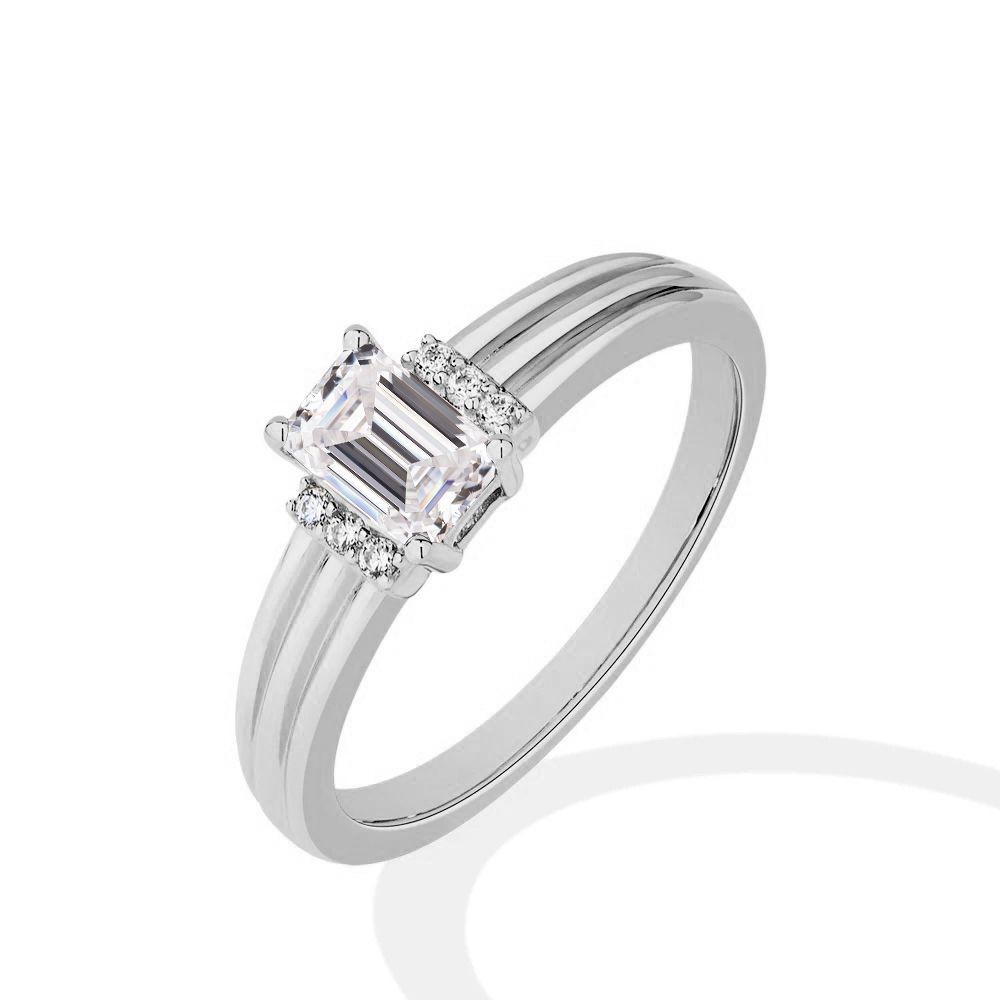
Engagement Rings
Stackable Ring Sets for Everyday: How Bridal Retailers Sell Them
A bride buys an engagement ring once. A stackable ring customer comes back year after year — for an anniversary, a new baby, a promotion, a birthday. That repeat traffic is quietly the most valuable thing on a bridal counter, and it is built one slim band at a time.
What makes a ring stackable
A stackable band is not just a thin ring. It is a ring designed to sit next to other rings without fighting them. Three design rules separate true stackers from thin bands that only look stackable.
First, the profile must be low and flat on the inside. A domed comfort-fit band feels great alone but bumps against the band next to it, creating a gap. A stacker needs a flat or slightly curved interior so it sits flush against its neighbors.
Second, the height of the stone must match. A pavé band with stones set high will clash with a smooth high-shine band; the stones will dig into the smooth metal. Mix pave bands with smooth bands of the same low height, or accept that the pavé band will sit slightly above the smooth one and style the stack accordingly.
Third, the width should be slim — 1.5mm to 3mm. A 4mm band is a statement on its own; it does not belong in a stack of five rings. Slim widths let the customer add a ring a year and still have room on the finger.
The stack architecture customers build
Most everyday stacks follow a shape. The centerpiece is usually the engagement ring, though many customers start stacking on a separate hand. Around it go, in order of purchase:
- The wedding band — often a plain or pave band, the first permanent addition.
- The anniversary band — usually a slim pave or a single-stone band that marks the first milestone.
- The milestone band — a birthstone, a colored moissanite, or a thin engraved bar for a child's initial.
- The fashion band — a textured, gold, or hammered piece that adds warmth.
The retail opportunity is that each of these is a separate visit. A bridal counter that sells only the engagement ring and wedding band leaves the next three purchases on another shop's counter.
Stocking the stack
Do not try to stock every possible combination. Stock the building blocks. Keep a small wall of slim bands in four finishes — yellow, rose, white gold tones, and rhodium silver — and in two profiles (plain high-shine and pavé moissanite). Add a handful of colored or birthstone bands for the milestone layer. That mix gives the customer the raw material to build a stack without you having to inventory a hundred pre-bundled sets.
Display stacks on a model hand, not flat. A customer cannot imagine five rings on her finger from a tray. A bust hand showing a five-ring stack, with the individual bands available beneath it, sells the idea and then sells the pieces.
Margin and repeat purchase
A slim band at wholesale is inexpensive. Retail it individually and the margin is healthy; retail it as part of an anniversary set and the perceived value jumps. The real margin, though, is in the return visit. A customer who bought a stackable band for her first anniversary will come back for the second, the third, and the fifth. She will also bring friends, because the stack is visible and she will be asked about it constantly. That word-of-mouth traffic is worth more than any paid ad.
Pricing the stack over time
Because each band is a separate visit, price them so the customer can add one per year without hesitation. A slim band in the accessible tier will sell repeatedly; a slim band priced like a statement piece will not. The goal is not the margin on any one band but the lifetime value of the stack. Boutiques that run an annual anniversary offer — a complimentary cleaning of the existing stack plus a discount on a new band — train the customer to come back on the same date every year. That ritual is worth more than the discount itself, because it guarantees a showroom visit at the moment she is most likely to buy.
Keep a record of every customer's stack. Note the widths, finishes, and stone counts already on her finger, so when she returns you can recommend a band that complements what she owns rather than duplicates it. A customer who already has two pave bands does not need a third pave band; she needs a smooth gold band to break up the sparkle. That kind of recommendation only happens if the counter remembers her stack, and it is the difference between a one-time band sale and a curated stack she shows off for a decade.
What to ask your supplier
Confirm that the slim bands you stock share a consistent interior profile, so a year-two band sits flush against a year-one band. Ask whether the pavé bands use flush-set moissanite rather than high-prong settings that catch on neighboring rings. Keep widths narrow and finishes consistent across seasons, so a customer returning next year can match the tone of her existing stack. Most importantly, ask for a small MOQ so you can carry a broad range of finishes without tying up capital in slow SKUs. A supplier who lets you buy two or three of each slim band finish is the supplier that turns your engagement rings into a decade of stack sales.
The Wikipedia article on rhodium explains why rhodium plating is applied to white gold and silver jewelry.
Frequently Asked Questions
What ring sizes can you supply in bulk?
US sizes 5–12 including half sizes. Send a size breakdown with your order and we cast to that curve; comfort-fit inner bands reduce resize requests.
Can I order a mixed size run instead of one size?
Yes. Mixed runs are standard for wholesale: specify quantity per size and we pack and label by size at no extra labor cost.
What is the MOQ for custom ring designs?
50 pieces per design for existing molds; 100–300 pieces when a new mold or CAD model is required.
How should I price rings for retail margin?
Most partners use a 3–4x markup on FOB cost for sterling and 2.5–3x for moissanite solos, which keeps landed cost under 30% of retail.
Send your spec sheet — stone, cut, size, plating and quantity — and we will return a costed timeline.
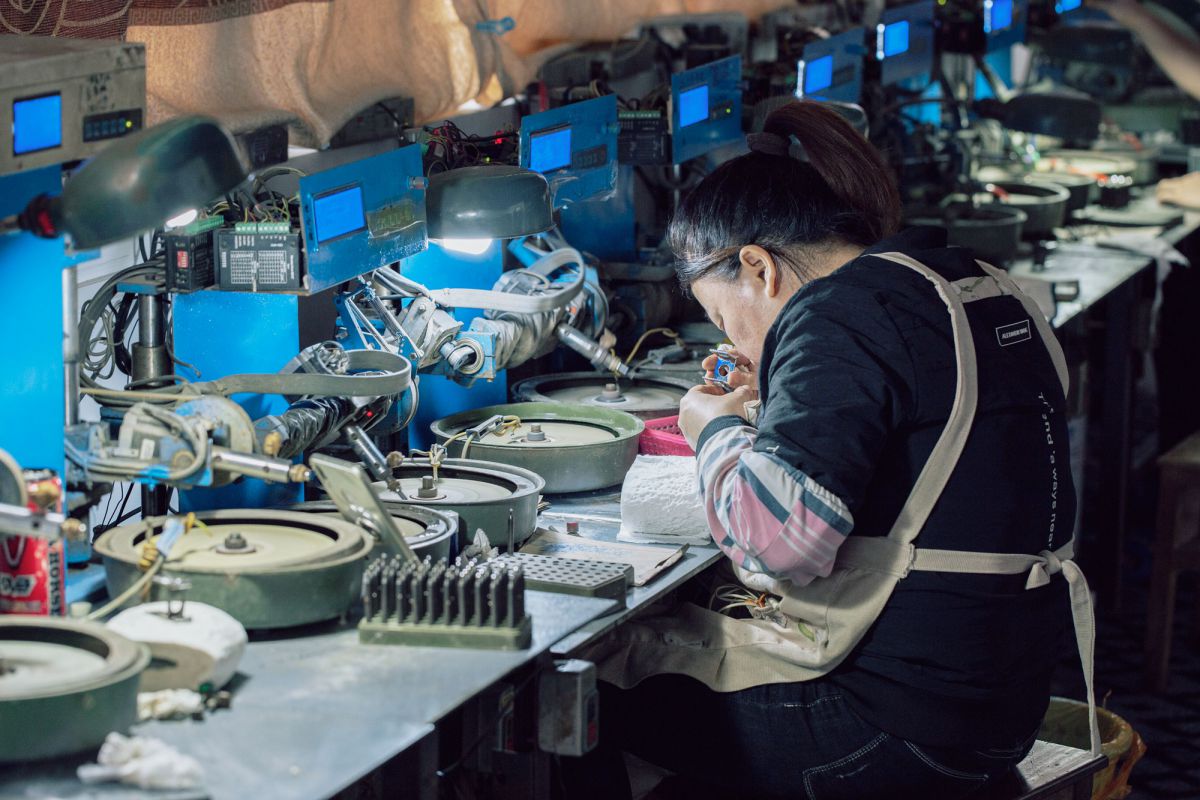
Ask the workshop