Engagement Rings
Split Shank Engagement Rings: The Design Trend Buyers Should Stock
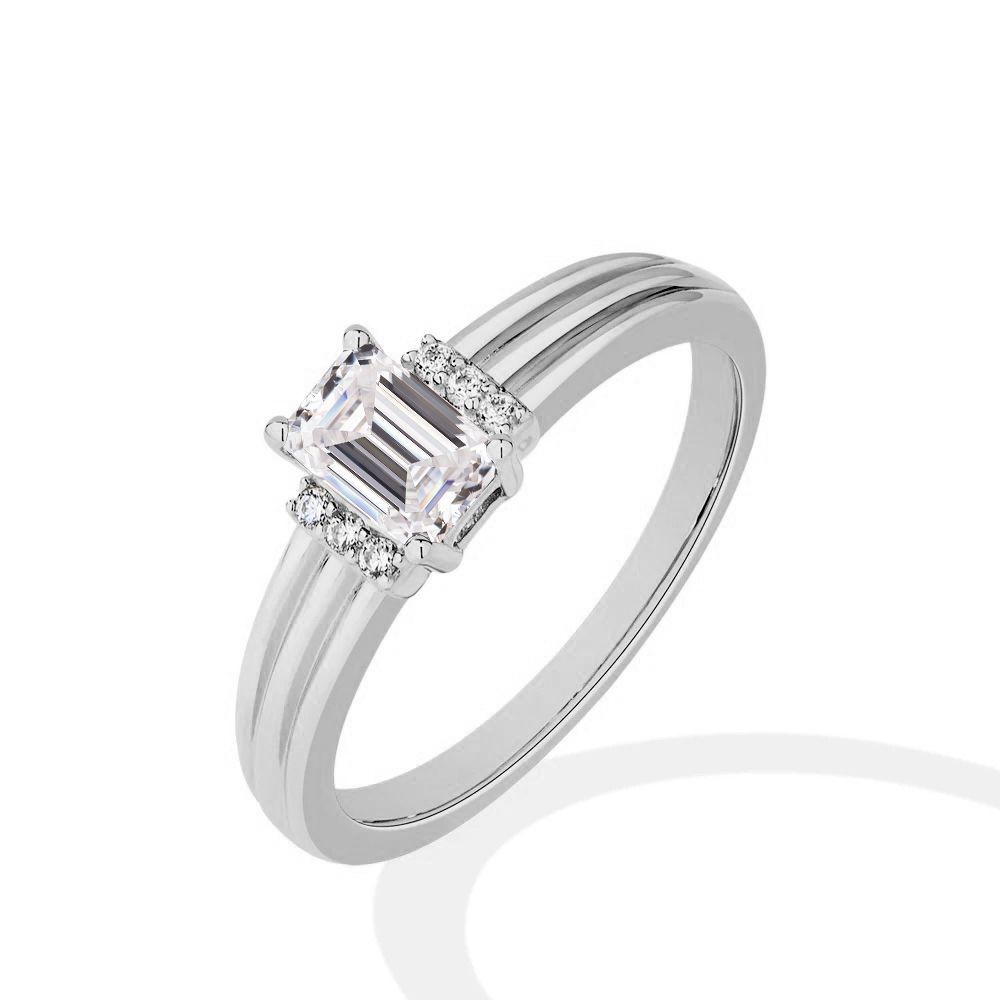
If you have watched brides scroll through ring trays this year, you have probably noticed one silhouette rising faster than most: the split shank engagement ring. Instead of one solid band running under the center stone, the shank parts into two, three, or even four slender strands as it approaches the setting. The effect is broader at the top, lighter on the finger, and far more dimensional in photographs than a plain solitaire. For buyers stocking engagement ring trends for 2026, this is a shape worth understanding before the spring proposal season.
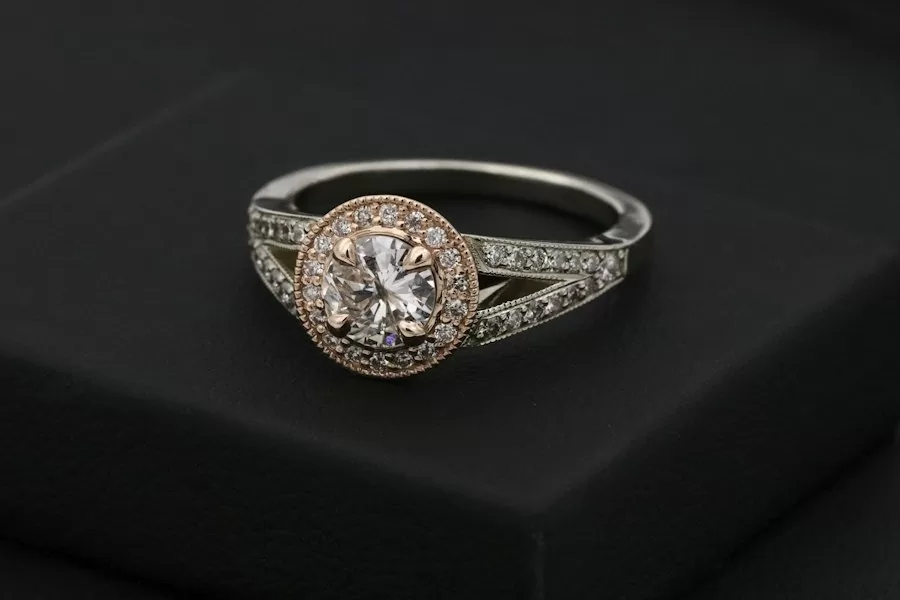
The appeal starts with proportion. A split shank optically widens the area around the center stone, which is flattering on slender fingers and narrow knuckles. Brides who worry a one-carat moissanite looks too small on their hand often react differently to the same stone in a split shank, because the two strands draw the eye across the finger rather than straight to the diamond. That makes it an easy upsell for a lower-carat center stone dressed up with extra metal and micro-pavé.
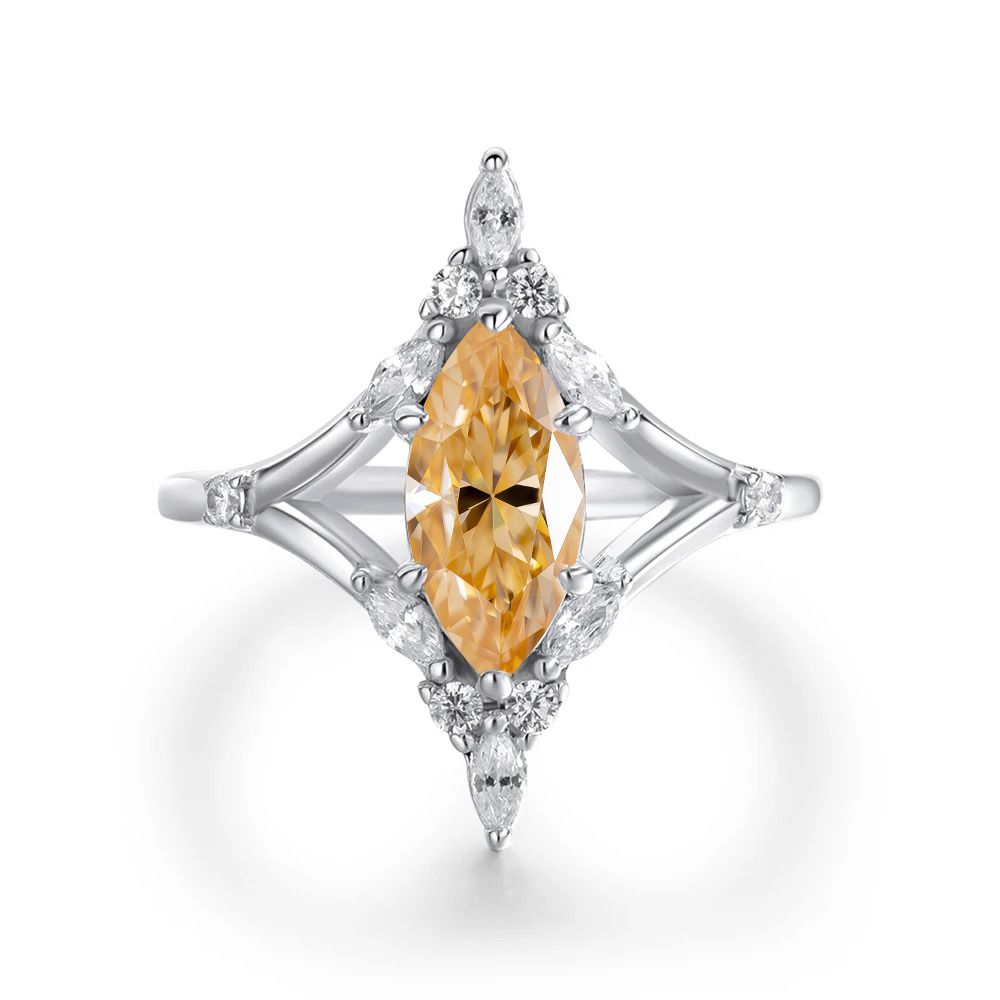
There are several common variations to recognize before you order. A full split shank separates the band all the way from the base of the center stone down the finger, giving the most dramatic look. A half split parts only near the head and rejoins halfway down, which sits more comfortably next to a wedding band. A crossover split weaves the two strands over and under each other, echoing a twisted vine motif. Each variation changes how the ring stacks, which matters more than many buyers realize.
Stacking compatibility is the detail most likely to come up in your showroom. A wide, fully split shank can leave a visible gap against a straight wedding band, and some brides find that gap awkward. The half-split design is usually the safest seller because it accepts a standard band flush against the center setting. If you stock a full split, pair it in your display with a matching wedding band guide so staff can explain the gap honestly rather than surprising the customer on the wedding day.
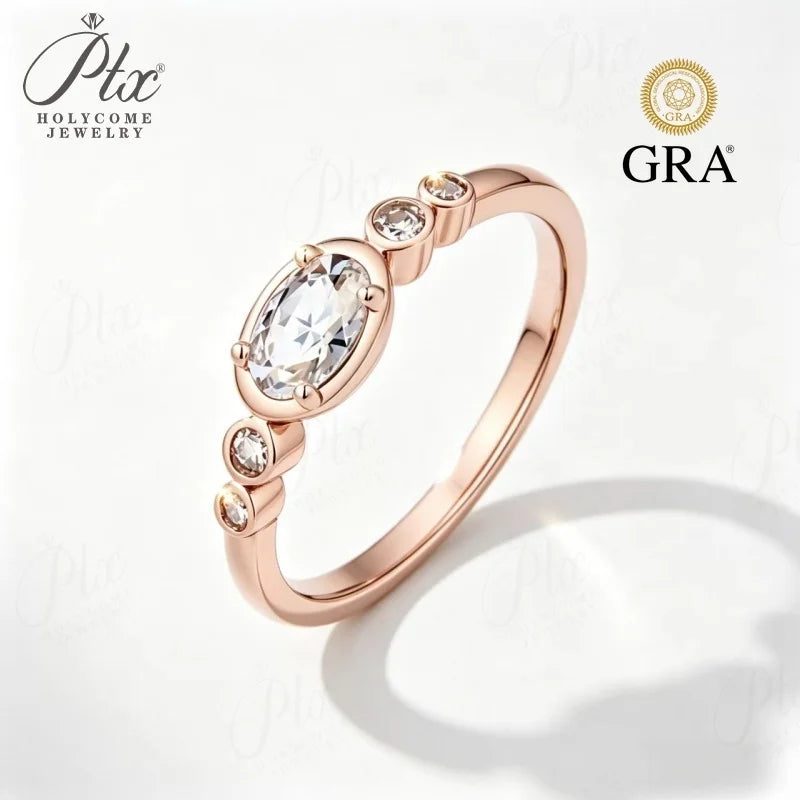
Metal choice changes the read of the design. Yellow gold on a split shank feels warm and vintage, while white gold or platinum makes the thin strands look delicate and architectural. Rose gold softens the whole piece and pairs naturally with pavé. Because the strands are narrow, buyers should confirm the karat and wall thickness—thinner strands bend more easily, and a dainty two-strand shank on a soft 10k alloy may not hold up to daily wear.
On the pricing side, split shanks usually cost a little more to cast and finish than a plain solitaire, because polishing two narrow channels takes more labor. That labor cost is easy to pass on: brides perceive the ring as more detailed and are willing to pay for the extra surface area. When sourcing, compare the total metal weight and the pavé count, not just the center stone, because those drive the wholesale difference.
Photography is where this design earns its margin. Split shanks catch light from the side as well as the top, so they video and reel beautifully. If your store runs short-form content, this silhouette performs better in close-ups than a flat top. Ask your supplier for the same ring on a model hand so brides can see how the strands lie against the finger.
Watch for fit complaints. Because the shank opens into two strands, resizing a split shank is more complex than a solid band, and splitting then rejoining can weaken the joint. Set clear expectations around resizing—most reputable shops can handle a modest size change, but drastic jumps may require rebuilding the head.
Customer feedback is easy to gather because brides photograph their rings constantly. Watch which split shank angles look best on video—slightly elevated, with the strands catching side light—and use those shots in your own content. You will also hear consistent questions: whether the two strands rub together and make noise, whether they trap soap under the band, and how easy they are to clean. Have a short answer for each. A split shank does trap a little more residue than a solid band, so a weekly soft-bristle brush under warm, soapy water is the honest care advice. That small detail reassures buyers who are used to plain solitaire upkeep.
On the showroom floor, train staff to hand the customer the split shank next to a plain solitaire of the same center stone. The visual difference in finger width is immediate and does the selling for you. Most brides will reach for the split shank once they see both, which is why this design converts even browsers who arrived convinced they wanted a classic solitaire.
Stock a mix of widths. A wide split shank reads bold and modern; a slim, delicate split reads bridal and feminine. Keeping both on hand lets a sales associate match the ring to the customer's hand shape rather than pushing one look on everyone. Done well, the split shank is one of the most versatile upgrades you can offer a bride who wants her ring to look distinctive without stepping into a halo or a colored stone.
Carat weight conventions cited here follow the Wikipedia entry on carat weight.
Frequently Asked Questions
What ring sizes can you supply in bulk?
US sizes 5–12 including half sizes. Send a size breakdown with your order and we cast to that curve; comfort-fit inner bands reduce resize requests.
Can I order a mixed size run instead of one size?
Yes. Mixed runs are standard for wholesale: specify quantity per size and we pack and label by size at no extra labor cost.
What is the MOQ for custom ring designs?
50 pieces per design for existing molds; 100–300 pieces when a new mold or CAD model is required.
How should I price rings for retail margin?
Most partners use a 3–4x markup on FOB cost for sterling and 2.5–3x for moissanite solos, which keeps landed cost under 30% of retail.
Send your spec sheet — stone, cut, size, plating and quantity — and we will return a costed timeline.
Ask the workshop