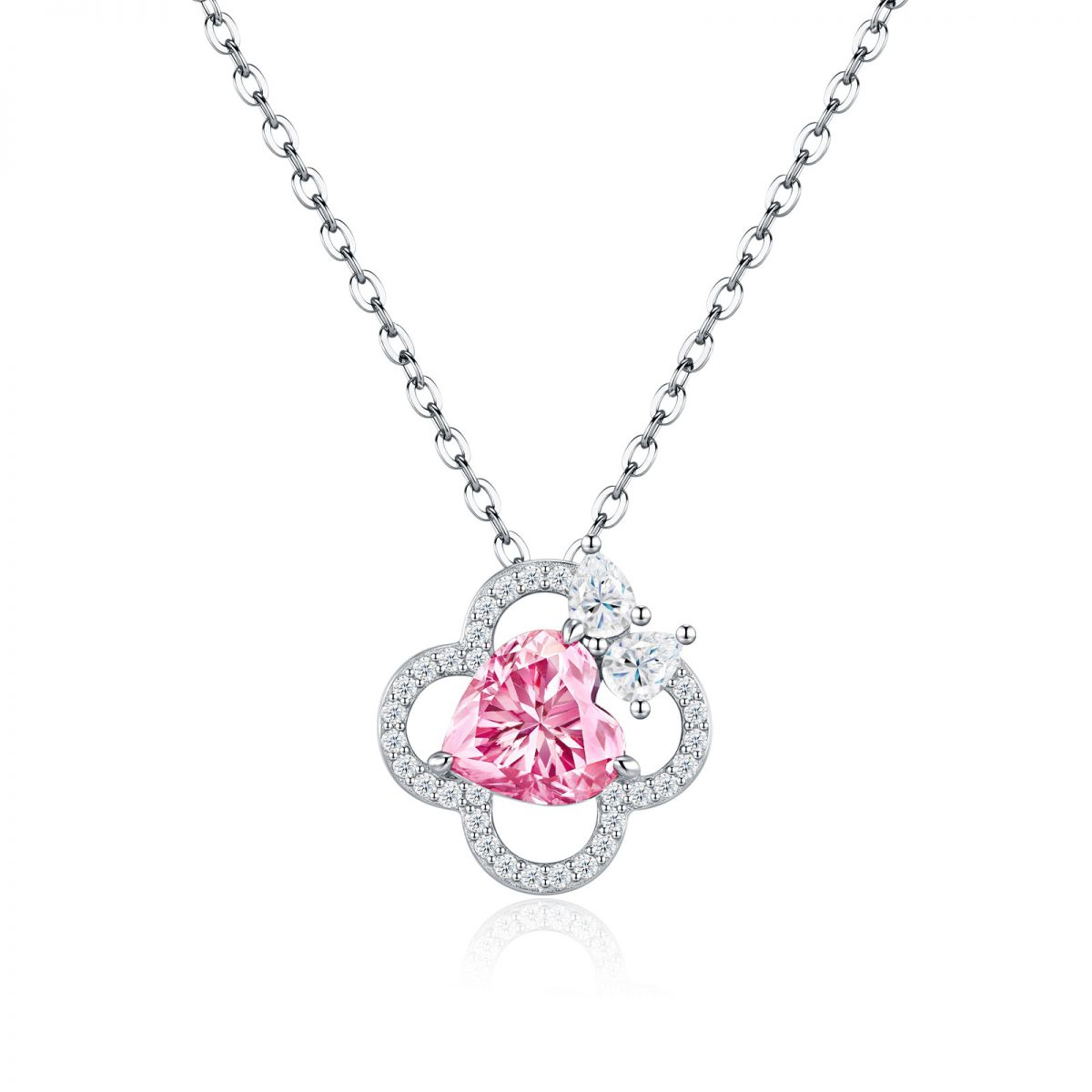
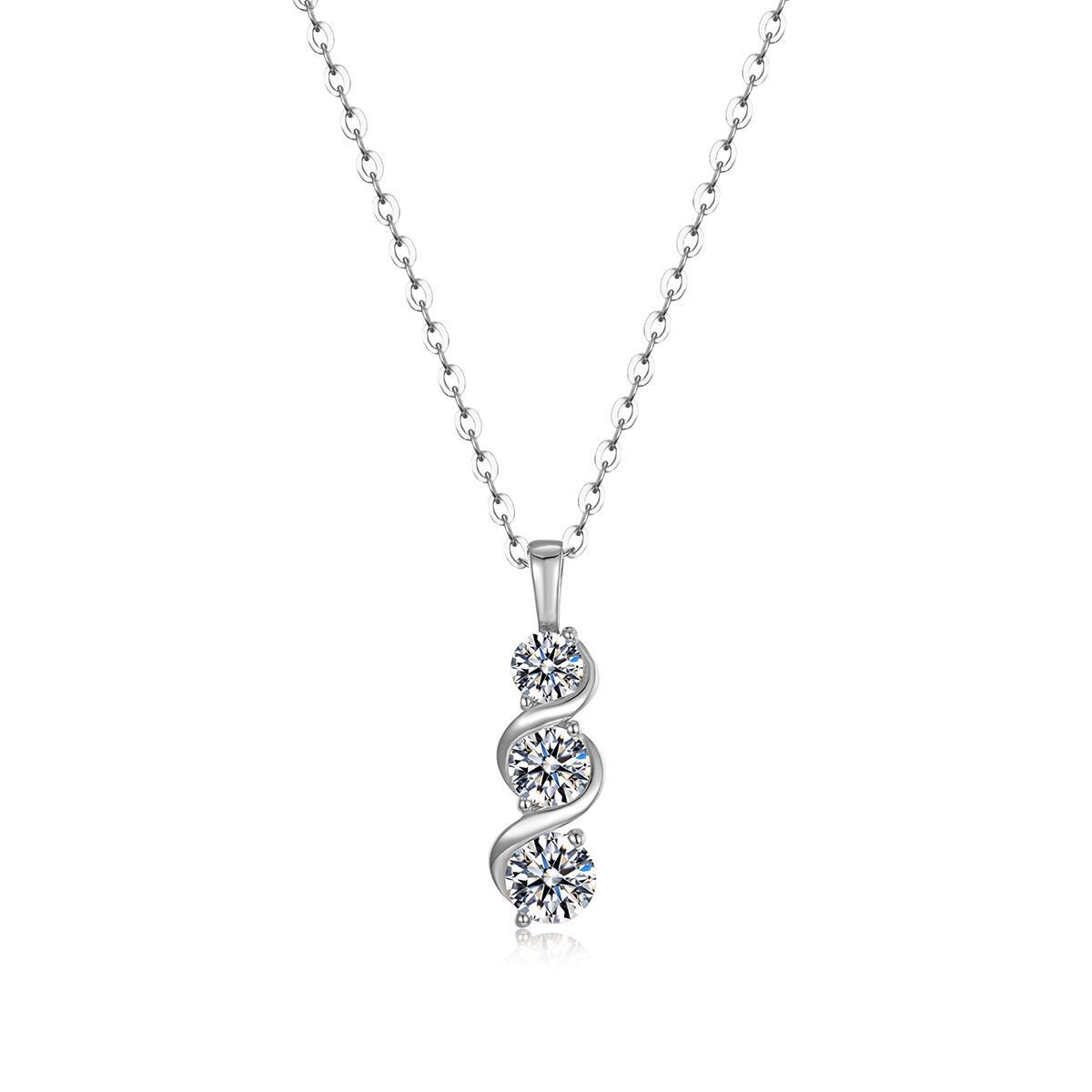
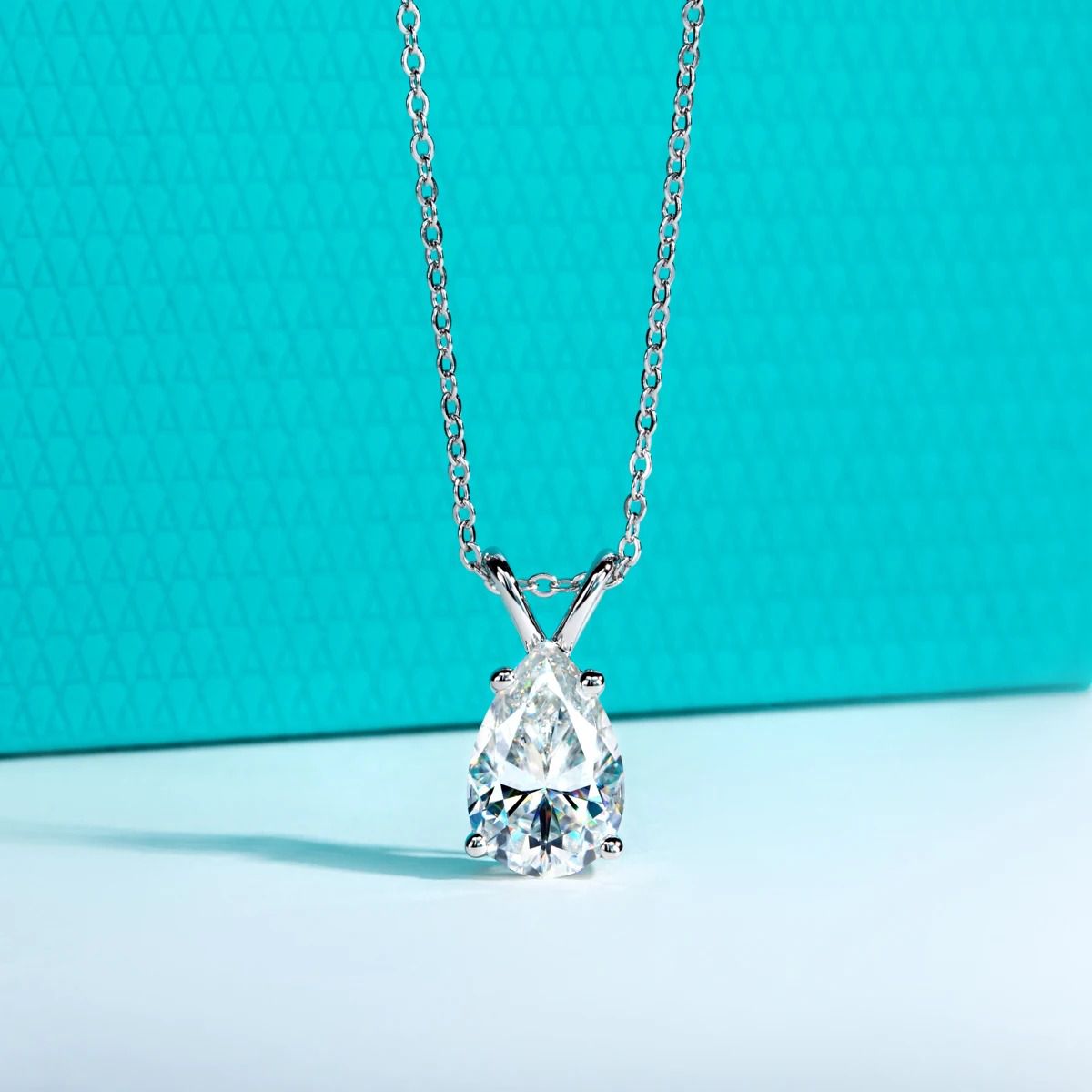
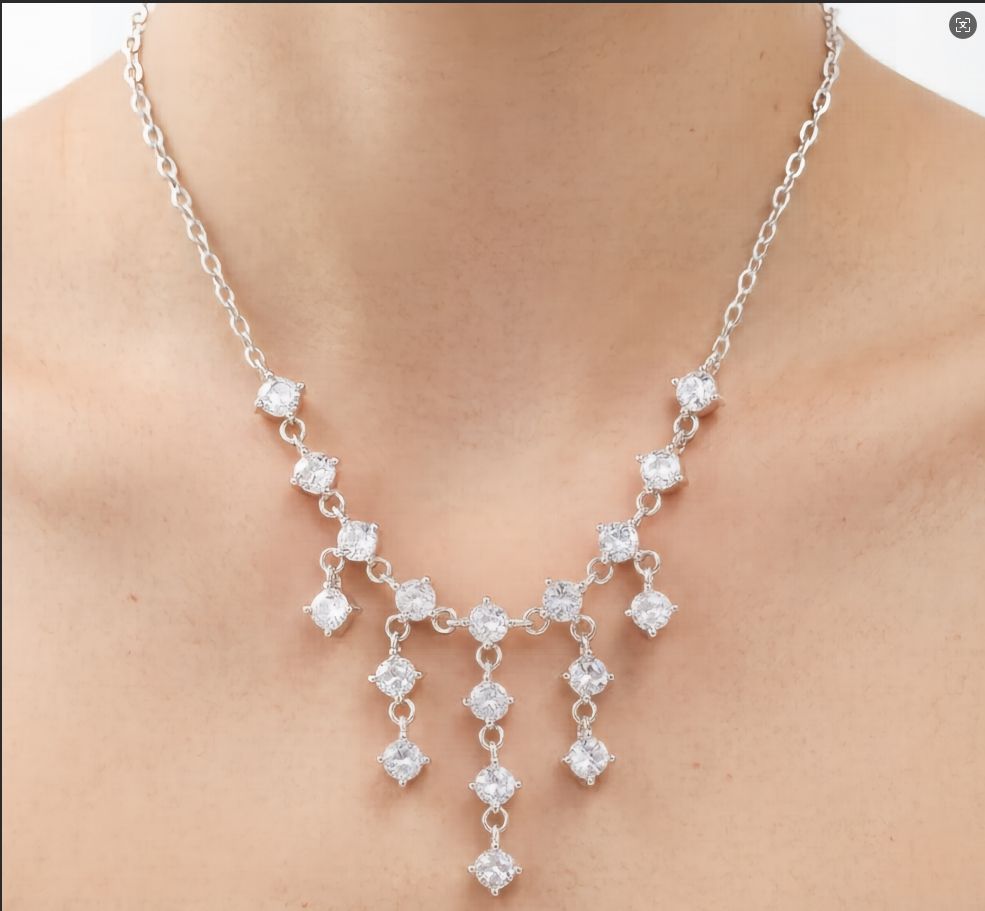
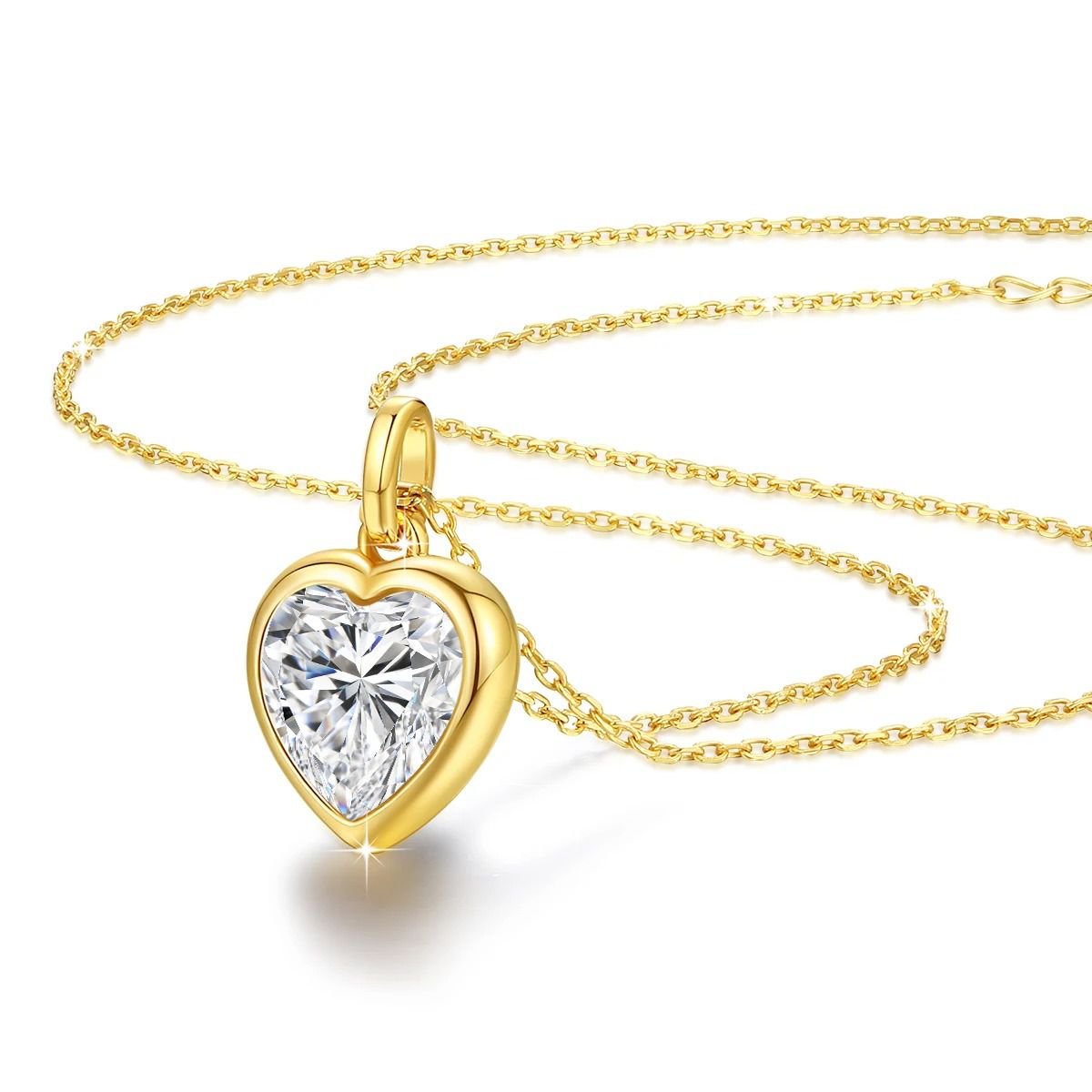
Necklaces & Pendants
Necklaces & Pendants Wholesale: certificates
Why Certificate Verification Matters for Wholesale Necklaces & Pendants
When you source wholesale Necklaces & Pendants set with moissanite, the certificate attached to each stone is one of your strongest tools against disputes, returns, and customer complaints. Certificates from GRA or IGI document the stone's carat weight, color grade, clarity grade, and cut, giving your team an objective record to reference when quality questions arise.
A pendant that arrives with paperwork matching the stone builds trust with your retail buyers; a pendant with mismatched or missing documentation creates chargebacks and lost accounts. For a serious wholesale buyer, verification belongs in your inbound quality control process, not in an afterthought pile at the back of the warehouse.
This article walks through the practical decisions you face: which certificates to request, how to confirm a report is genuine, how to match certificate data against the physical goods, and how to build verification into your ordering workflow with a supplier.
GRA and IGI Certificates: What Each One Tells You
Both GRA and IGI issue grading reports for moissanite and lab-created stones, but they serve slightly different purposes in a wholesale context. Understanding the difference helps you write clear purchase order terms.
GRA Reports for Moissanite Stones
GRA papers are commonly issued for loose moissanite sold by the carat and for stones set into finished pieces such as solitaire pendants and tennis-style necklaces. A GRA report typically lists carat weight, dimensions, color, and cut details. For wholesale buyers ordering loose stones to set later, or finished pendants where the center stone drives the price, the GRA report is the document you will reference most often at receiving.
Keep in mind that pricing is per piece or per carat depending on the item, so the carat weight on the certificate directly supports the invoice amount you are paying.
IGI Reports and Their Role in Graded Stones
IGI is a widely recognized grading laboratory whose reports are used across lab-created stones and diamond alternatives. An IGI report gives your retail customers a document they may already recognize, which can shorten conversations at the point of sale. If your market includes buyers who ask for a familiar laboratory name on the paperwork, requesting IGI papers on applicable stones is a reasonable specification to include in your purchase order.
Choosing Which Certificate to Specify
Your choice depends on your sales channel. For resale to jewelry stores that understand grading laboratories, either document works as long as it matches the goods. For e-commerce sellers serving consumers, IGI recognition can support the listing description. Whichever you choose, name it explicitly in your order terms so the supplier ships the correct paperwork with the bulk production run, not just with the samples.
A common oversight is approving samples with certificates and then receiving bulk goods without them; state the certificate requirement as a condition of shipment acceptance.
How to Verify a Certificate Step by Step
Verification is a repeatable process you can train receiving staff to complete in minutes per shipment. Document each step so the procedure survives staff changes.
Step 1: Check the Report Basics
Confirm the laboratory name, report number, and issue date are present and legible. A report missing any of these fields is not a usable document. Photograph every certificate on arrival and file it against the purchase order number so records stay organized across orders.
Step 2: Match the Report Number to the Stone
Many graded stones carry a laser-inscribed or micro-engraved number on the girdle that corresponds to the paper report. Under magnification, confirm the number on the stone matches the number on the certificate. For pendant settings where the girdle is hidden by the mount, rely on the dimensional and weight checks described below instead.
Step 3: Measure and Weigh Against the Report
Use a carat scale and a millimeter gauge, then compare the measured carat weight and stone dimensions against the certificate values. Small rounding differences happen, but a stone that reads noticeably different from its paperwork is a red flag that should pause shipment acceptance and trigger a supplier conversation before you pay the balance.
Step 4: Confirm the Metal Description Matches the Invoice
The certificate covers the stone; the invoice and product specification cover the metal. Read both together. A pendant described as 925 sterling silver should be stamped and documented as such, and solid gold pieces should be specified by karat, such as 10K, 14K, or 18K solid gold. Gold vermeil and gold plated pieces must be named exactly that way on your paperwork.
Never list plated or vermeil items as solid gold in your own catalog, because mislabeling creates compliance risk with your retail partners and marketplaces.
Building Verification Into Your Ordering Workflow
Certificate checking works well when it is tied to the natural checkpoints of an order: sampling, production, and delivery. The table below maps the checkpoints to the actions your team should take.
Use this workflow as a starting template and adapt it to your team size and order volume:
| Checkpoint | Timing | Verification Action | Owner |
|---|---|---|---|
| Sample approval | 7 to 10 days sampling | Confirm certificate matches sample stone | Buyer |
| In-process check | During 15 to 25 day production | Request photos of set stones and stamps | Buyer |
| Pre-ship review | Before balance payment | Match AQL report to certificate list | QC team |
| Receiving | 5 to 8 days DDP delivery | Weigh, measure, file certificates | Receiving staff |
Once the table is in place, the process becomes routine. Most mismatches are caught before goods ship, when corrections cost the least.
How Supplier Quality Control Supports Certificate Accuracy
A structured supplier inspection program reduces the chance that certificate data and physical goods drift apart during production. Ask prospective suppliers how their three-stage QC system works: incoming inspection of raw materials and loose stones, in-process checks during setting and finishing, and pre-ship AQL inspection on finished Necklaces & Pendants before cartons are sealed. At the pre-ship stage, the inspector should reconcile certificates against the pieces packed, so the paperwork leaving the factory matches the carton contents.
Requesting a copy of the pre-ship AQL report alongside the certificate list gives you a second document to cross-check at receiving.
Payment terms should support this sequence. A standard structure is T/T with a 30 percent deposit and the 70 percent balance before shipment, which means your balance payment is the natural moment to complete certificate verification on the pre-ship inspection results. For sample orders, PayPal keeps the commitment small while you evaluate whether the supplier's certificates and goods line up consistently.
Common Verification Mistakes Wholesale Buyers Make
Avoid these errors, which show up repeatedly in wholesale buying programs:
- Accepting bulk shipments with the certificate count short of the piece count, then discovering the gap at customer returns.
- Filing certificates loosely instead of linking each report number to a purchase order line.
- Verifying only the largest center stones and skipping the smaller accents on halo and tennis pendant styles.
- Treating certificate data as marketing copy rather than measurable specifications you can test with a scale and gauge.
- Leaving certificate requirements out of the purchase order, so they are negotiated only after a problem appears.
Each mistake is preventable with the checkpoint workflow described above. The cost of a scale, a gauge, and a magnifier is small relative to the value of a single rejected carton or a lost retail account.
Order Terms for Wholesale Buyers
MOQ is 1 piece for stock styles and 30 pieces for custom work, and loose stones are sold by the carat. Sampling takes 7 to 10 days, and bulk production runs 15 to 25 days after the sample is approved. Pricing is quoted per piece or per carat depending on the item. Payment is T/T with a 30% deposit and the 70% balance before shipment, and PayPal is accepted for sample orders.
Frequently Asked Questions
Do all moissanite stones come with a certificate?
No. Certificates apply to graded stones, and loose stones are sold by the carat with accompanying paperwork where specified. Small accent stones in a pendant are often not individually certified, so your specification should state which stones require GRA or IGI papers and which do not.
Should I request GRA or IGI papers for my pendant orders?
Either can work; the deciding factor is what your customers recognize and what your supplier can consistently provide. Name your choice in the purchase order, and confirm it again at sample approval so bulk production follows the same standard.
How does DDP delivery affect my verification timeline?
With DDP delivery to the US taking 5 to 8 days, plan your receiving inspection as soon as cartons land rather than letting them sit. The sooner you weigh, measure, and reconcile certificates, the sooner any discrepancy can be raised while the order is still active.
What if a stone matches the certificate but the metal is mislabeled?
Raise it immediately with the supplier and correct the specification in writing. Your own catalog must name the true metal — 925 sterling silver, 10K/14K/18K solid gold, gold vermeil, or gold plated — so accurate supplier documentation flows directly into compliant product listings.
Can I verify certificates before the balance payment?
Yes, and you should. Because the 70 percent balance is due before shipment, complete your reconciliation of the pre-ship AQL report, the certificate list, and the goods photos before releasing that payment.
Where to Go Next
Certificate verification is one of those processes that pays for itself the first time it catches a mismatch. If you are building a sourcing program for Necklaces & Pendants, start by reviewing the buying guides and category updates in our wholesale jewelry blog, then review answers to common ordering, certificate, and shipping questions in our buyer FAQ.
When you are ready to request samples with GRA or IGI papers or to discuss a custom pendant run with a 30 piece minimum, reach out through our contact page and our team will walk you through sampling, production timelines, and payment terms.
Sources: Grading references: GIA gem education and GIA laboratory information.
Send your spec sheet — stone, cut, size, plating and quantity — and we will return a costed timeline.
Ask the workshop