Necklaces & Pendants
Necklaces Pendants Wholesale: First-Order Landed Cost Math
Why the sample price is not the price you pay
Every week a buyer sends me a screenshot of a sample invoice and asks why the bulk quote came in higher. The sample was one piece, pulled from stock, packed in a poly bag. The bulk order is 500 pieces with custom plating, a printed card, and a hangtag. Those are different products with different cost structures.
If you are pricing necklaces pendants wholesale for the first time, the number that matters is landed cost per sellable unit. That means everything that had to happen before the piece can sit on a shelf or go into a mailer. I have watched buyers win a 6% unit price negotiation and lose 11% on freight and rework. Here is how I would build the sheet.
The five cost lines on a first necklace order
Ignore the temptation to compare a single quoted unit price across suppliers. Build the full stack for each one and the picture changes fast.
- Ex-works unit cost — the factory gate price for the piece itself, before packing extras.
- Stone and metal yield loss — the melee you pay for versus the melee that ships in finished goods.
- Freight — air express, air cargo, or sea, plus the DDP surcharge if you want door delivery.
- Duty and import VAT — country-specific, and it applies to the declared value plus freight, not just the goods.
- QC and rework reserve — the percentage you hold back for the pieces that fail inspection or arrive damaged.
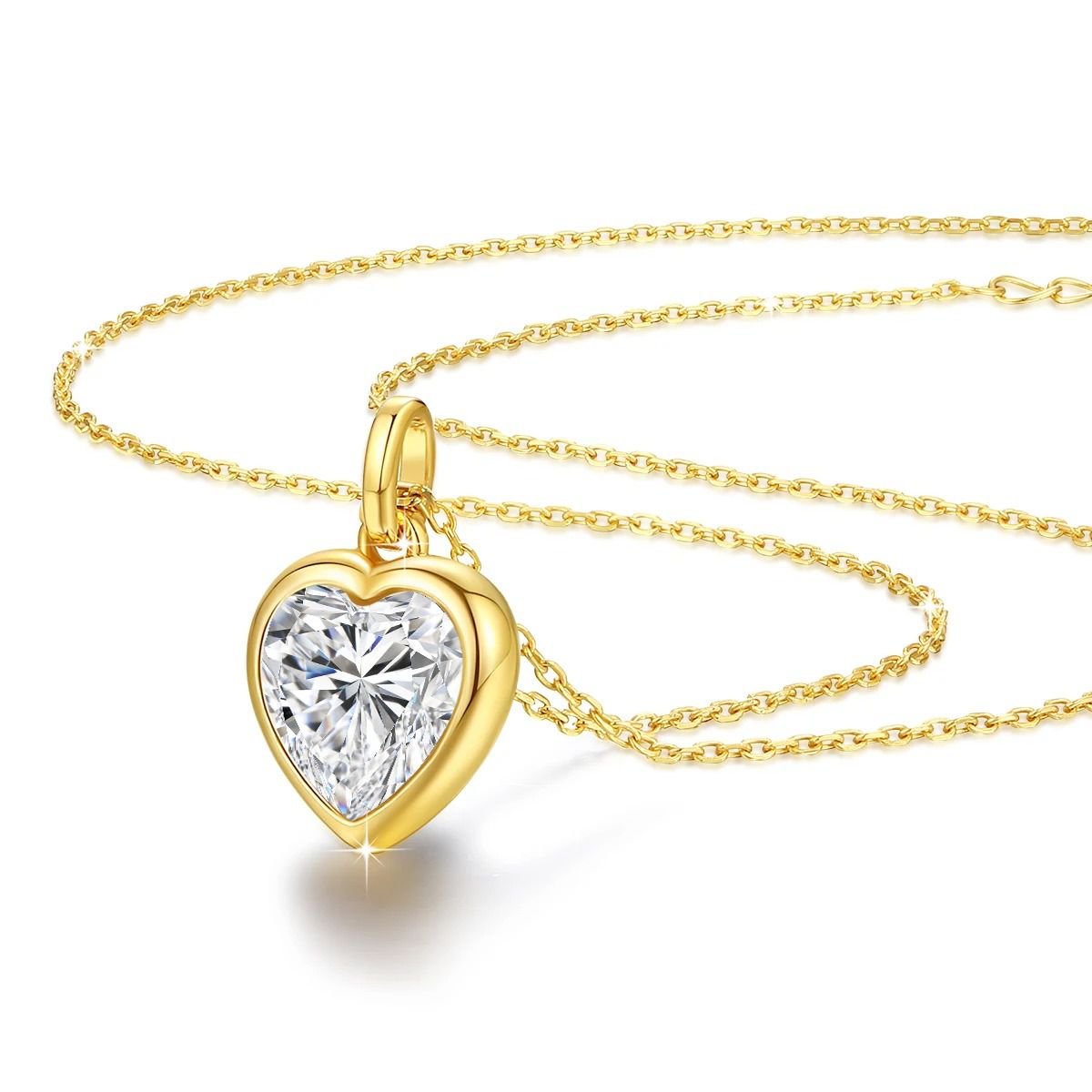
On a typical moissanite pendant in 925 silver with rhodium plating, the ex-works unit might be 3.20 to 5.80 USD depending on stone size and setting labor. Freight on 500 pieces at roughly 8 kg chargeable weight lands around 0.35 to 0.60 USD per piece by air express DDP. Duty into the US or EU on silver jewelry sits in a range you should confirm with your broker, but budget it before you sign, not after.
Where first orders actually leak money
The three places I see margin disappear are stone rejection, plating inconsistency, and packaging mismatch. All three are preventable with process, and all three are invisible on a quotation.
Stone rejection at incoming check
Moissanite melee arrives in parcels of a few thousand stones. Under a loupe at 10x, a percentage will show inclusions, off-color, or a bad table. If the factory does not screen incoming stones, that percentage ends up in your finished pendants. Our incoming check pulls a sample per lot and rejects the lot if the fail rate crosses the agreed threshold. This is stage one of three-stage QC, and it is the cheapest place to catch a problem.
Plating color drift between batches
Rhodium and gold plating baths drift as they are used. Batch one and batch four of the same order can read slightly different in daylight. In-process inspection catches color drift before the whole run is plated, which is why we check at the plating stage rather than only at the end.
Packaging that does not match the listing
A buyer specifies a 60mm card, the factory ships a 55mm card, and now the piece does not fit the retail fixture. Confirm card dimensions, pouch size, and hangtag placement in writing with a photo approval before production starts.
A worked landed cost example
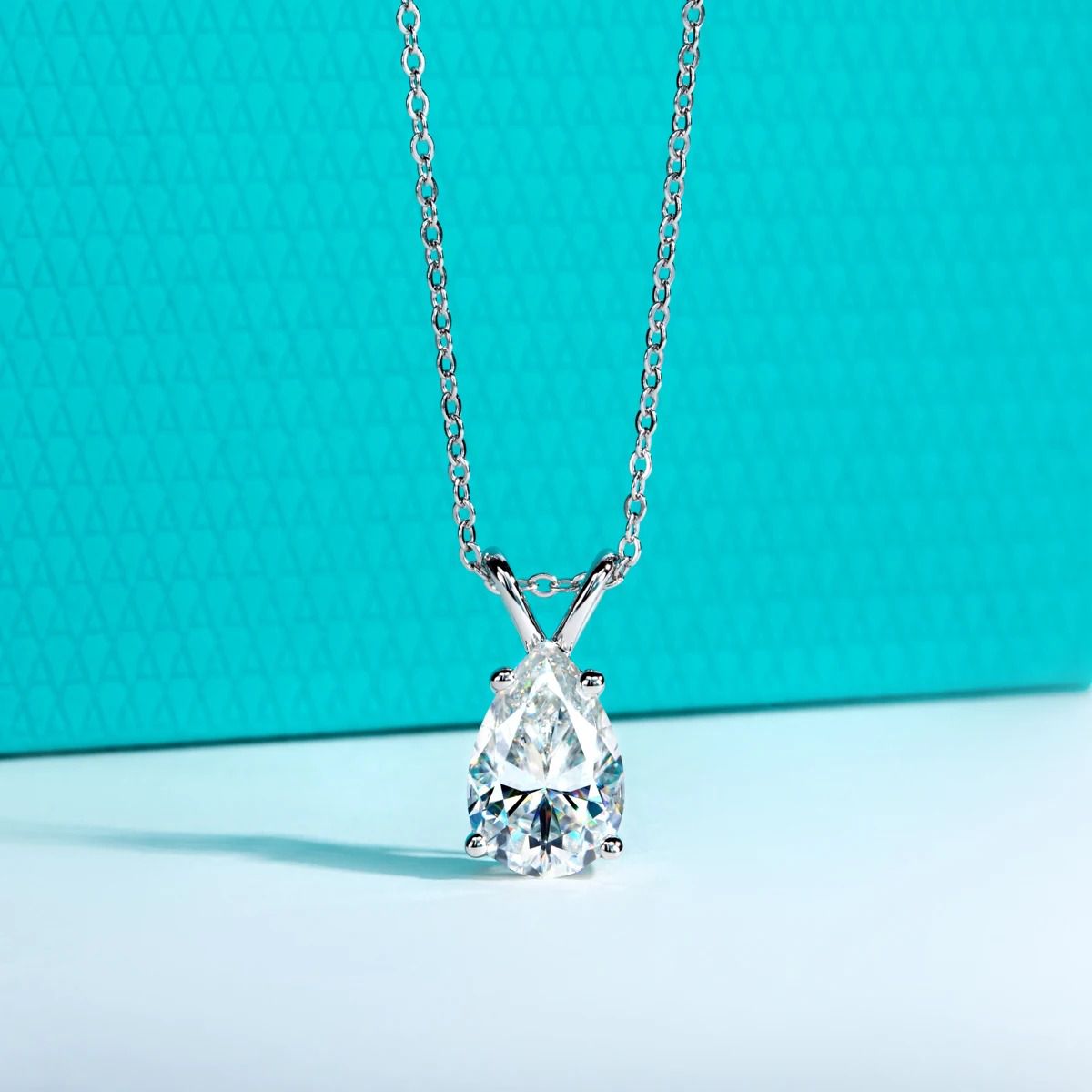
Here is a real-shaped example for 500 units of a 7mm moissanite solitaire pendant in 925 silver with rhodium finish, shipped DDP air express to a US address.
| Cost line | Basis | Per unit (USD) | Notes |
|---|---|---|---|
| Ex-works unit cost | 500 pcs | 4.40 | Includes stone, setting, plating, poly bag |
| Custom card and hangtag | 500 pcs | 0.28 | One-time plate fee amortized |
| Freight, DDP air express | 8 kg chargeable | 0.48 | 5 to 8 day door delivery |
| Duty and import VAT | Declared value | 0.62 | Confirm rate with your broker |
| QC and rework reserve | 2.5% of goods | 0.11 | Held for fails and transit damage |
| Landed cost | — | 5.89 | Your true cost per sellable unit |
Compare that to a trading company quoting 4.75 ex-works with no yield screening and a 15-day consolidation wait. On paper the trading company looks cheaper by 35 cents. Add the rework reserve at 6% instead of 2.5% and the landed numbers converge, then flip. That gap is where our roughly 20% cost and speed advantage comes from: we cut and set in-house instead of buying finished goods from a second factory, so there is no middle margin and no double handling on the QC bench.
Ask every supplier for the landed number, not the unit number. If they cannot produce it, they have not shipped many first orders.
MOQ, lead time, and what changes the math
Stock designs start at 1 piece, so you can test a pendant shape before committing to a run. Custom designs, your own CAD, your own stone layout, start at 30 pieces per SKU. Production runs 12 to 18 days after deposit and artwork approval, and that window assumes stones are in stock. If you need a specific moissanite size that has to be cut, add a week.
Payment is T/T with 30% deposit and balance against pre-ship inspection photos. For samples, PayPal is fine and faster for most buyers. Certificates matter for the listing: GRA for the moissanite itself, IGI where you are selling as lab-grown diamond. Both add a small per-piece cost and a day or two to the schedule, so decide before production, not after.
Pre-ship inspection uses AQL sampling. We pull according to the agreed level, check clasp function, chain pull strength, stone security, plating appearance, and packaging. You get photos and a pass or fail report before the balance is due. That report is your evidence if a claim comes up later.
Building the sheet before you request quotes
Decide four things first: target landed cost per unit, retail price point, certificate requirement, and delivery window. Then request quotes against those four numbers. A supplier who quotes without knowing your duty exposure and delivery date is guessing, and guesses cost you money on the second order.
Keep a column for yield loss and a column for rework reserve on every comparison. Those two columns are the difference between a buyer who scales to a second and third order and one who discovers in month three that the margin was never there.
Frequently Asked Questions
What is the minimum order for necklaces pendants wholesale?
Stock designs ship from 1 piece, which is useful for testing a shape or a stone size before a full run. Custom designs with your own CAD or stone layout require 30 pieces per SKU. The 30-piece floor is set by setup time on the casting and plating lines, not by policy.
How long does a first order take from deposit to delivery?
Production runs 12 to 18 days after deposit and artwork approval, assuming stones are in stock. DDP air express adds 5 to 8 days door to door. Add roughly a week if a specific moissanite size has to be cut, and one to two days if IGI certificates are required.
How is pricing calculated per piece?
Price is built from stone cost by size and grade, metal weight in 925 silver, setting and plating labor, and packaging. Certificate cost and freight are quoted separately so you can see the landed number. Ask for the ex-works and landed figures side by side and compare on landed cost per sellable unit.
Send me your pendant spec, target landed cost, and delivery date, and I will come back with a line-by-line quote plus a sample plan. Samples can go out by PayPal within a few days, and I will flag any spec that will push your cost or timeline before you commit. Reach the floor desk at service@holycome.com or WhatsApp +86 133 7744 7107.
Send your spec sheet — stone, cut, size, plating and quantity — and we will return a costed timeline.
Ask the workshop