Engagement Rings
Moissanite vs Diamond for Weddings: A Retail Buyer's Guide
Brides do not ask which stone to buy in the abstract. They ask it while wearing one on their finger and holding the other under the loupe. The retailer's job is to give an honest side-by-side that helps the customer decide, rather than steering toward whichever piece carries the bigger margin. Here is the comparison trained associates use, and the talk track that closes the right sale for the right bride.
Hardness and everyday wear
Diamond is the hardest known natural gem at 10 on the Mohs scale. moissanite (per Wikipedia) sits at 9.25, second only to diamond, and it is durable enough for a lifetime of daily wear. Both stones survive handwashing, typing, and the ordinary bumps of a married life. The difference a customer will actually feel is not hardness but chip resistance: a direct, sharp blow can chip either stone's girdle, and both need a periodic prong check. For the wear case, the two are in the same league. Telling a bride moissanite is fragile loses the sale on a false premise.
Brilliance and fire
This is where the comparison gets interesting. Diamond returns white light; moissanite disperses light into color and reads with more fire. Under store lighting, a well-cut moissanite looks livelier than a diamond of the same size. In bright daylight the gap narrows. Brides who want a stone that pops in photos often prefer moissanite; brides who want the quiet white sparkle of a classic diamond usually prefer diamond. Let the customer compare the two under the lights she will actually wear the ring under — store light, daylight, phone flash — rather than selling from a description.
Price and what the budget buys
The honest number: moissanite delivers the visual size of a much larger diamond at a fraction of the cost. A bride with a three-thousand-dollar engagement budget can walk out with a two-carat-equivalent moissanite and a matched band. The same budget on a natural diamond buys a smaller stone, often under a carat. That trade is not a defect in moissanite; it is the reason the category exists. The retailer who says this plainly earns the trust of the bride who would otherwise compare online alone. The math also frees the wedding budget: a moissanite engagement leaves room for the band, the ring, the honeymoon, or a nicer venue, and that is a conversation most brides want to have.
Certification and documentation
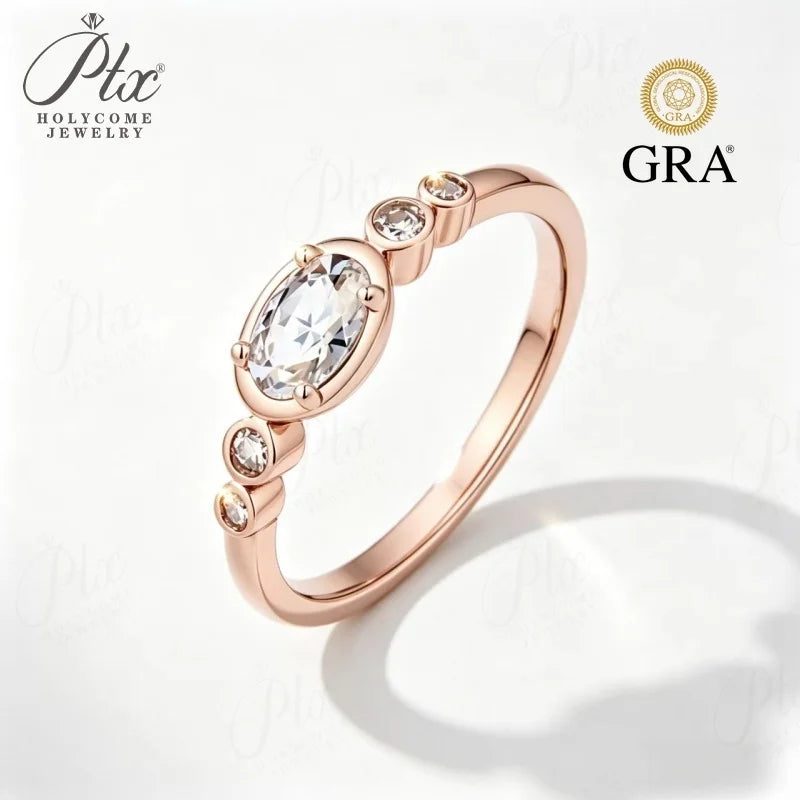
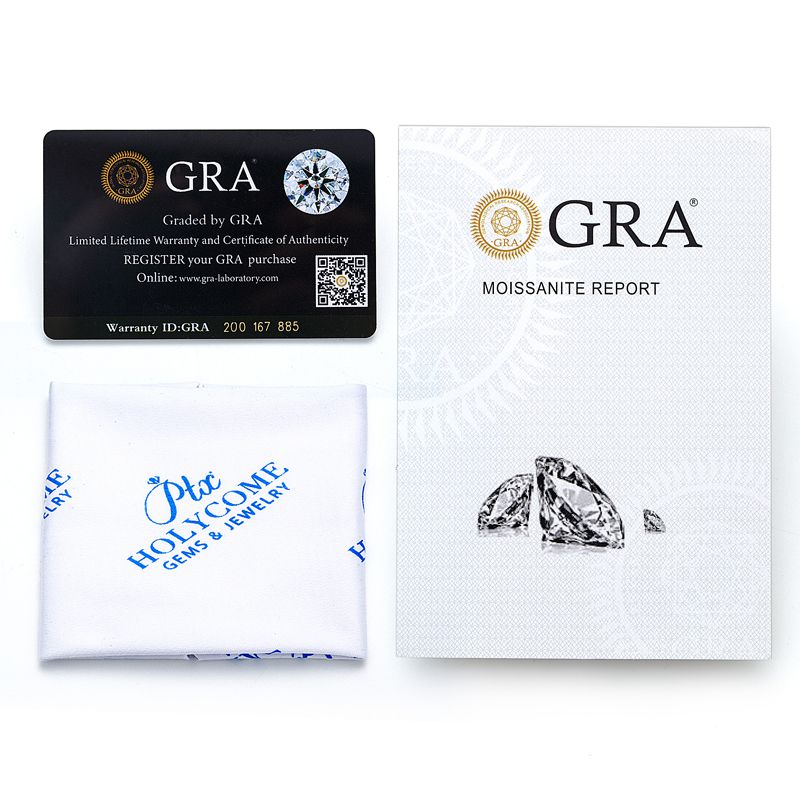
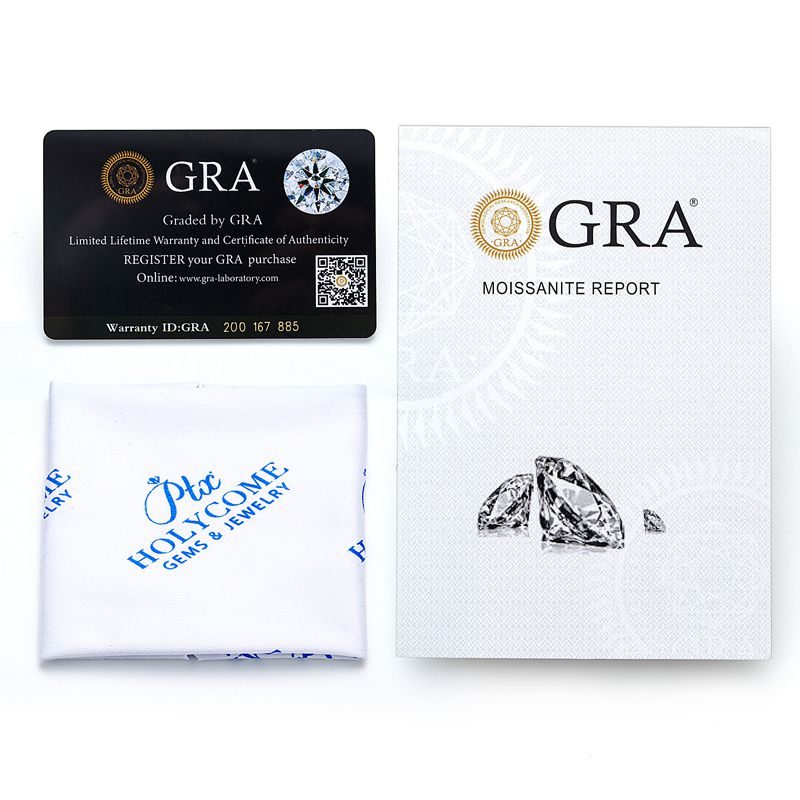
Diamonds ship with diamond-grading reports; moissanite ships with its own grading report covering carat, cut, color, and clarity. A bride who expects a diamond certificate should be told, in plain language, that the documents are different because the stones are different. What matters is that the report matches the stone on the bench and that the retailer is willing to show both. Certification is a trust move, not a sales pitch.
Ethics and story
Moissanite is lab-created, non-mined, and carries no conflict sourcing question. That matters to a meaningful share of modern brides. It also means the stone has no mining supply chain to explain. The natural diamond side carries its own story — geological time, rarity, family heirloom potential. Neither story is universally better. The retailer's job is to ask which story the bride wants to tell, not to assume.
Resale and heirloom value
This is the most candid part of the talk track. Natural diamond engagement rings hold some resale value, though almost never at retail. Moissanite is priced for wear, not for investment, and resale value is minimal. A bride buying an engagement ring as a financial asset is buying the wrong product in either case; a bride buying a ring to wear is buying the right product if the stone and setting make her happy. Say this clearly and the bride who cares about resale can make an informed choice.
The lab-grown middle ground
Some brides arrive already comparing lab-grown diamonds, which price between natural diamonds and moissanite. Honest talk matters here too: lab-grown diamond is a real diamond, optically identical to mined, with a lower price and no mining story. Moissanite is a different stone, brighter in fire, and still less expensive. The retailer who can walk the bride through all three options in five minutes is the retailer who keeps the sale instead of sending her to a price-comparison site. The choice usually comes down to budget, the look she wants under the loupe, and the story she wants to tell.
Which bride, which stone
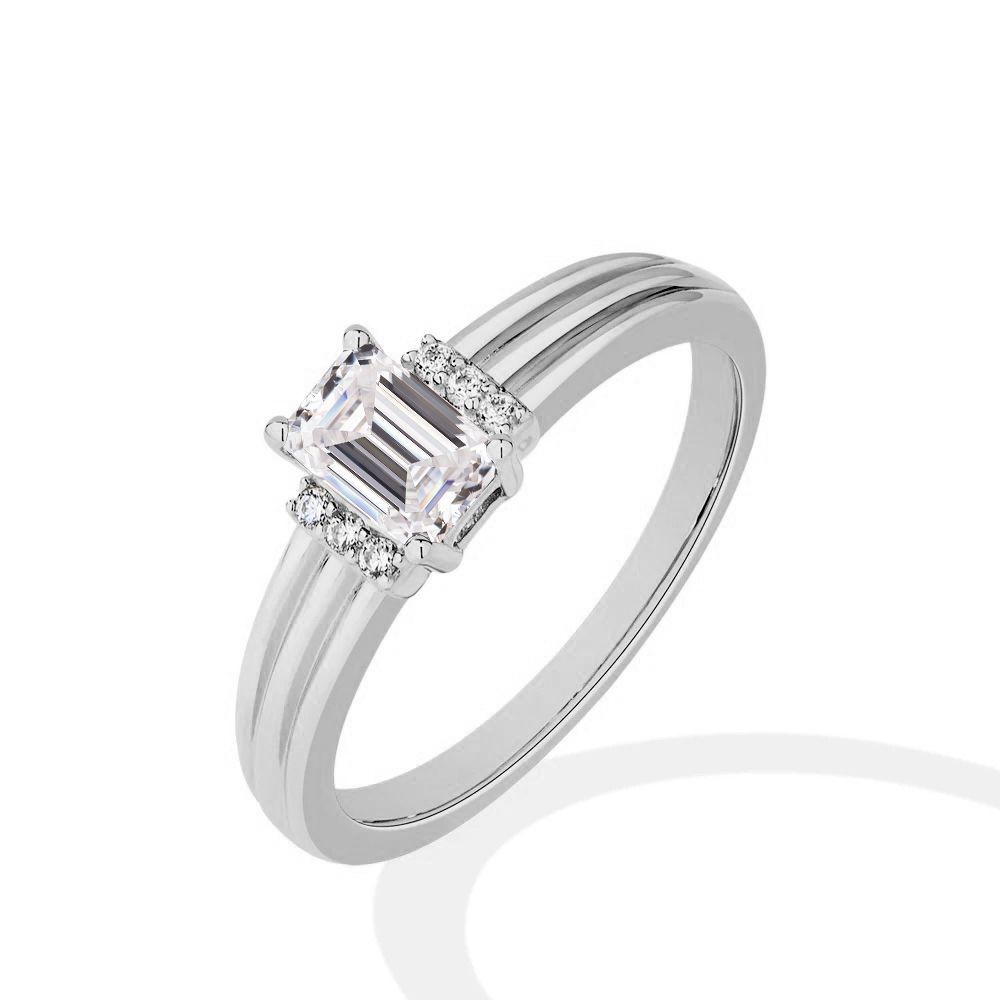
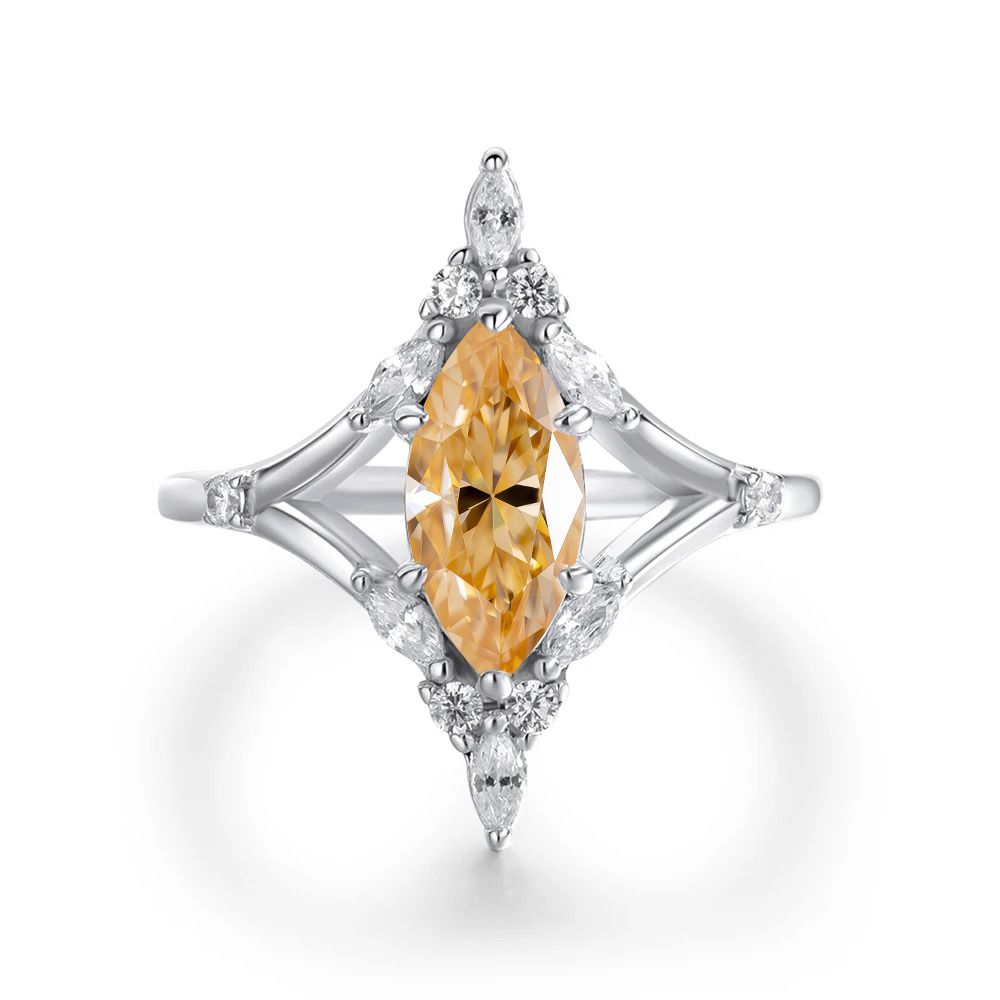
The bride who wants maximum visible size, modern fire, and a price that leaves room for the wedding — moissanite. The bride who wants the traditional diamond story, heirloom potential, and a specific natural stone — diamond. Most customers sit between those poles, and the honest comparison is what moves them. For the moissanite side of that conversation, see our moissanite engagement rings.
Frequently Asked Questions
Is moissanite a good diamond alternative for retail buyers?
Yes for price-sensitive customers who want brilliance and hardness. Moissanite ranks 9.25 on the Mohs scale, holds up to daily wear and costs a fraction of a natural diamond of the same size, so it resells fast in bridal and fashion lines.
What is the minimum order for wholesale moissanite?
MOQ starts at 50 pieces per design for stock items. Custom cuts and private-label settings usually start at 100–300 pieces depending on the mold.
Do you provide certificates with moissanite stones?
Yes. Every parcel ships with GRA or IGI documentation listing carat weight, color grade and cut. We recommend passing the certificate to your end customer for trust.
How long does sample and bulk production take?
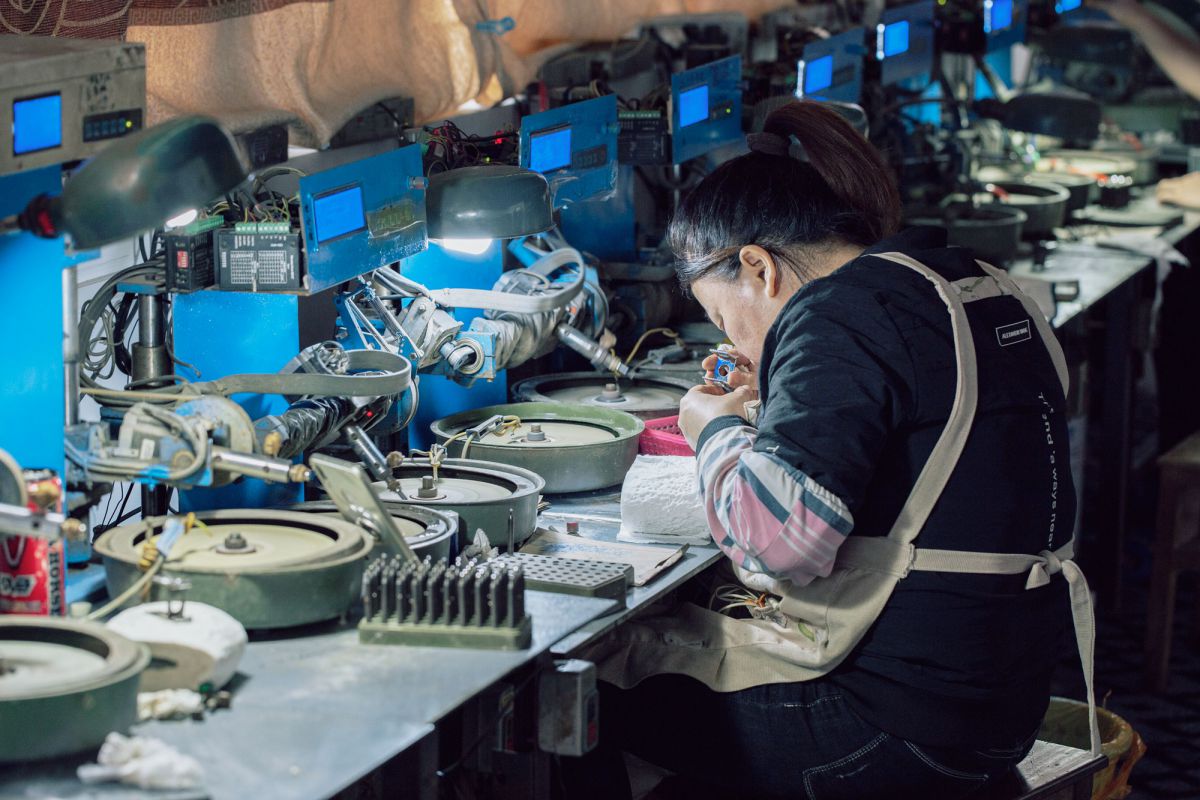
Samples ship in 3–5 days. Bulk runs take 15–20 days under 500 pieces, and 25–30 days for custom work.
Send your spec sheet — stone, cut, size, plating and quantity — and we will return a costed timeline.
Ask the workshop