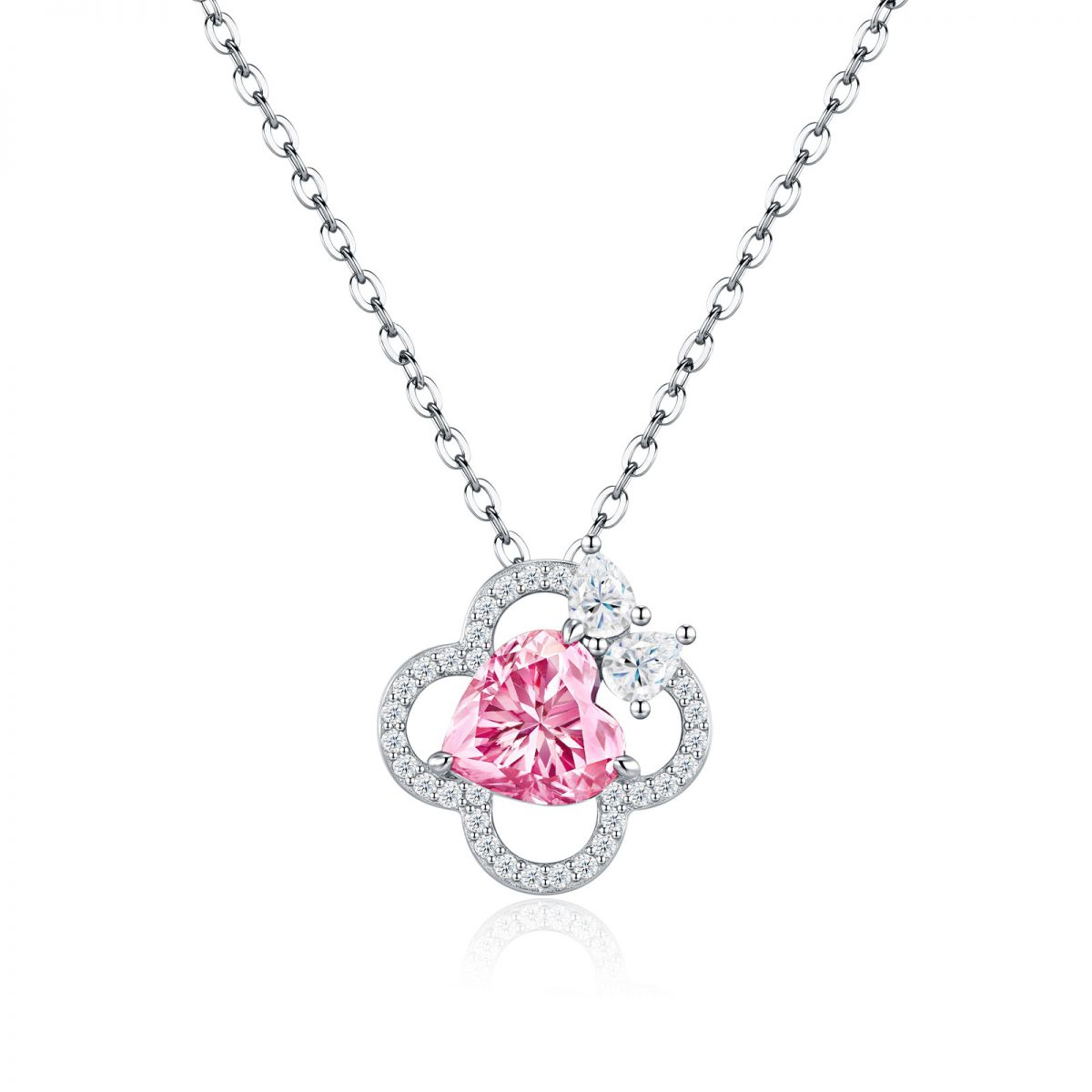
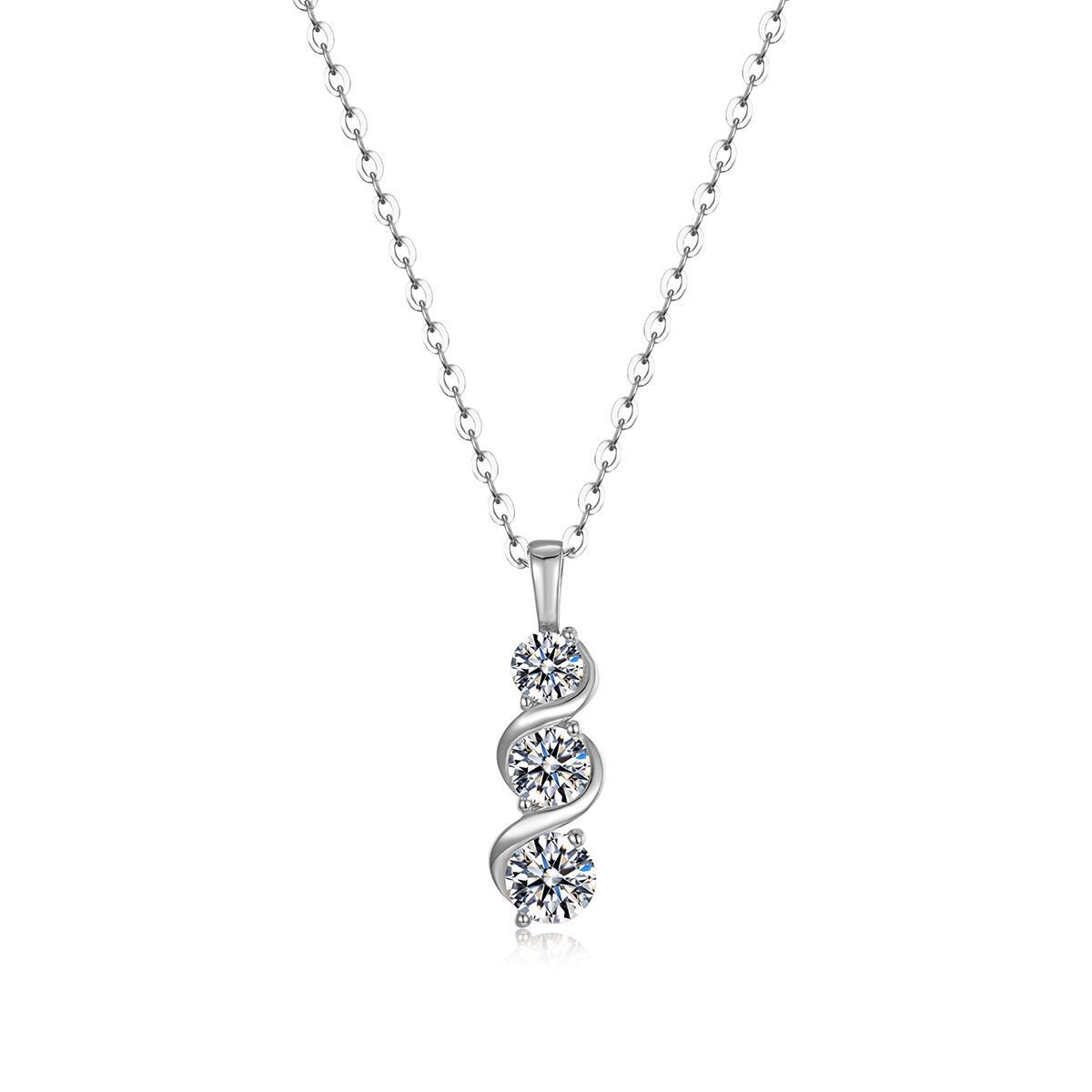
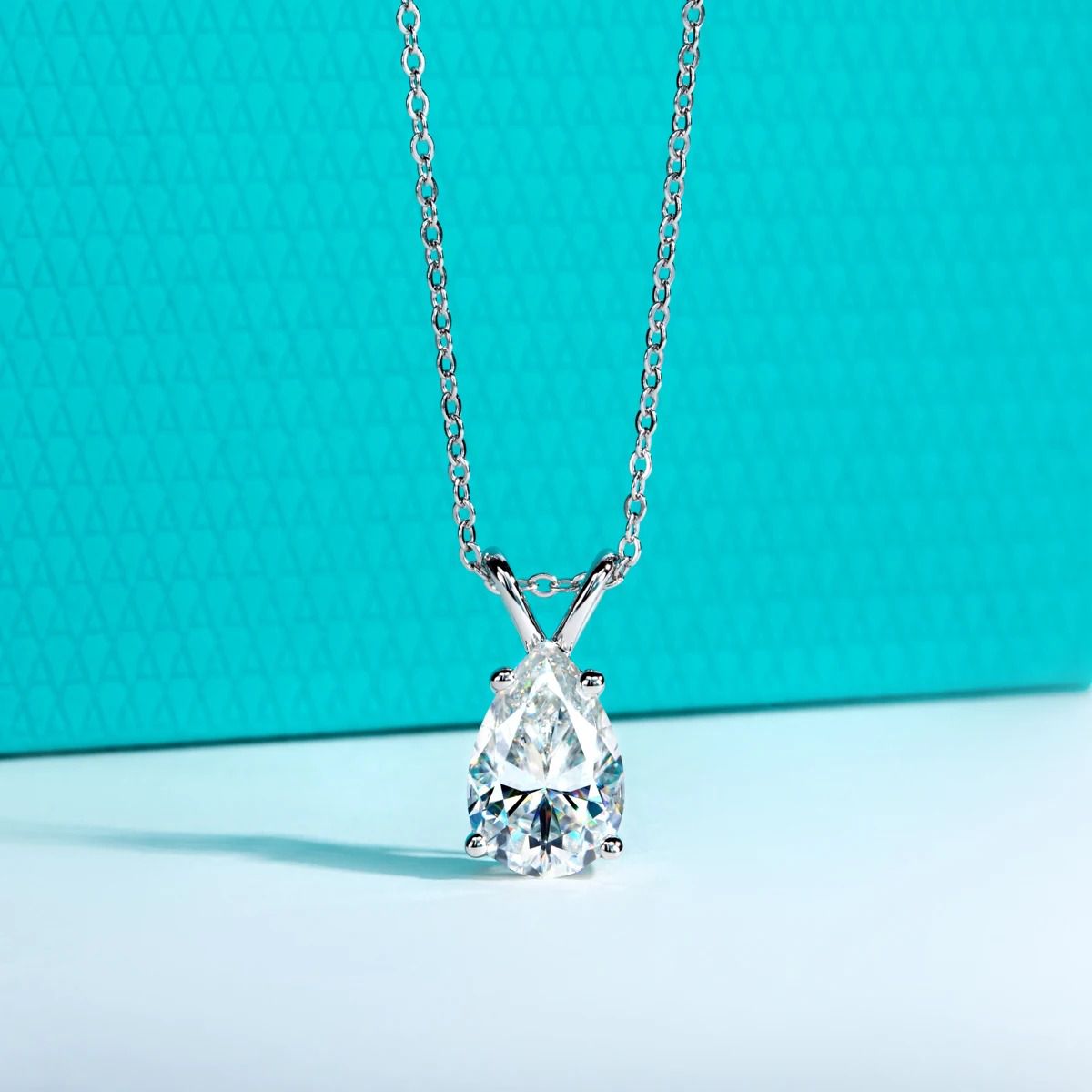
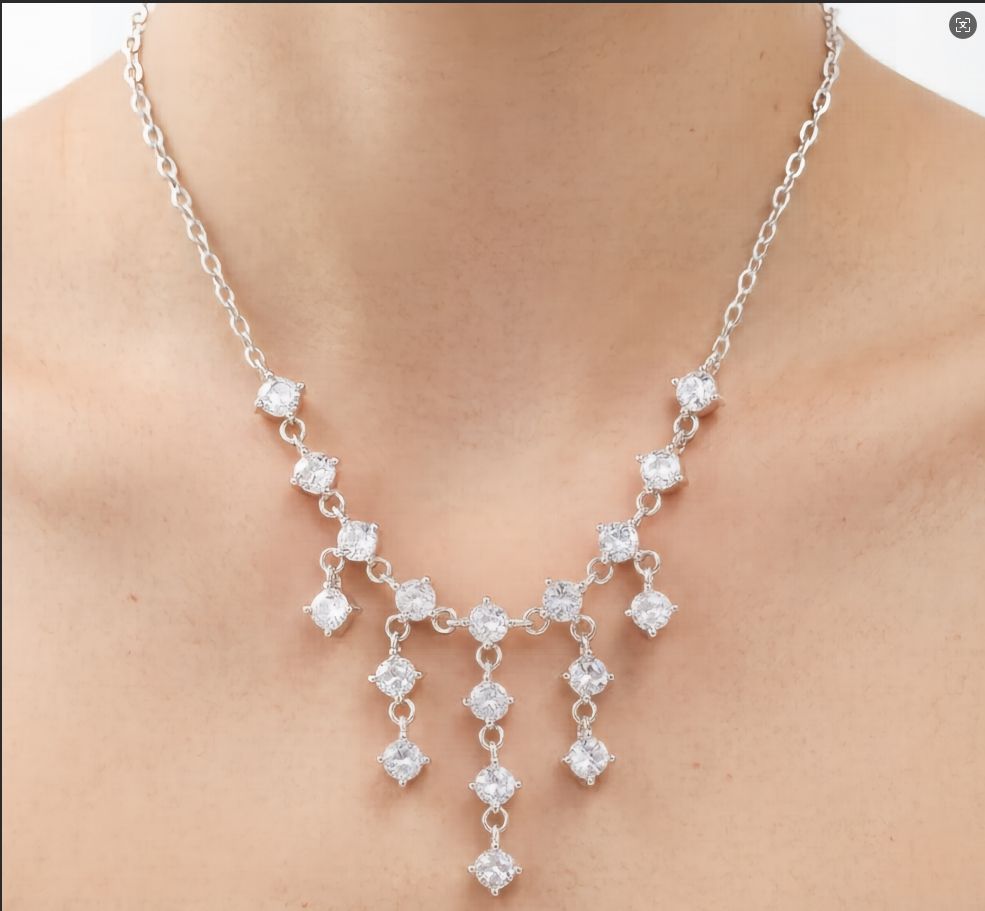
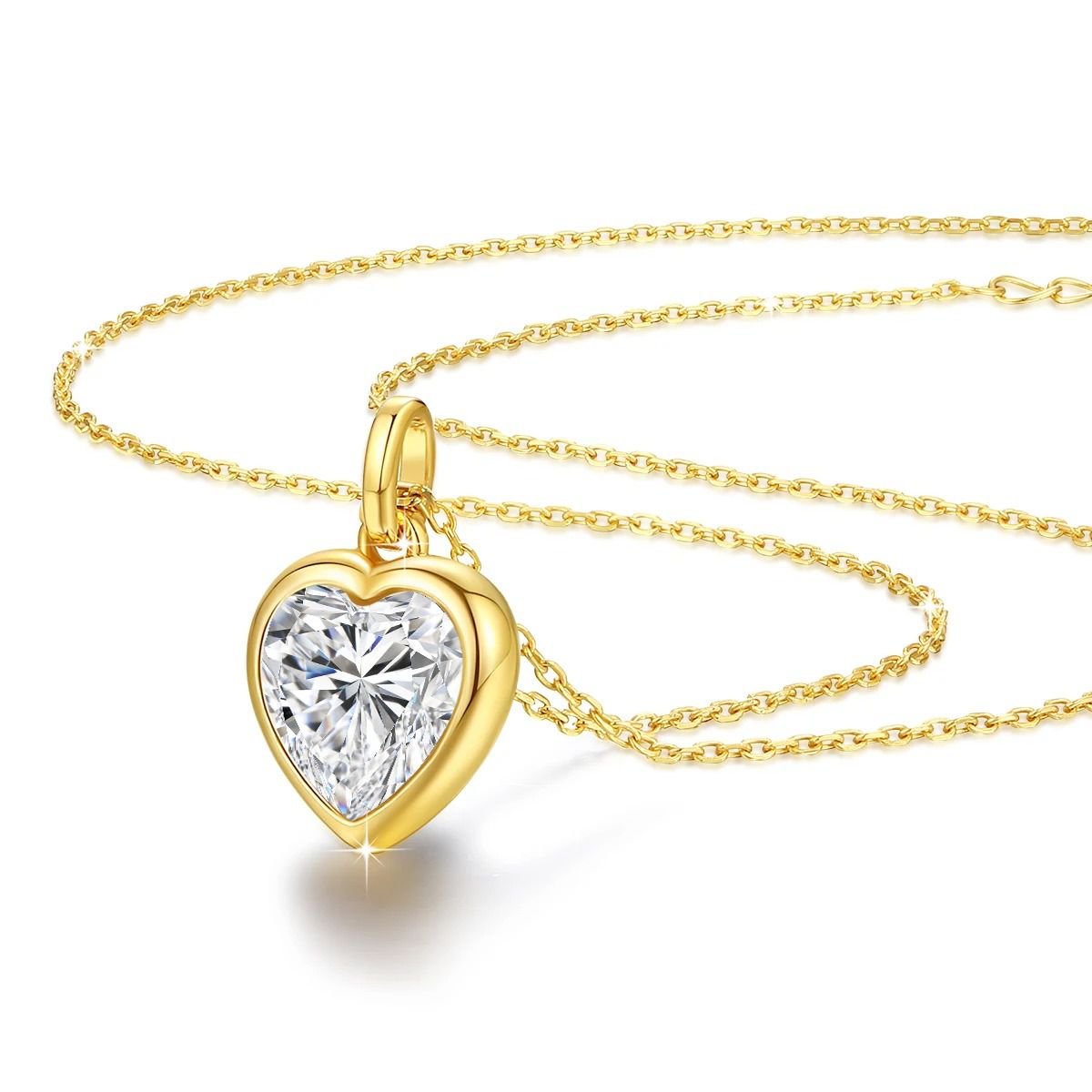
Necklaces & Pendants
Moissanite Jewelry Care Instructions: What to Hand Every Customer
Moissanite is 9.25 on the Mohs scale and takes a daily beating that softer stones cannot. That toughness is the selling point, and it is also the reason customers assume it never needs care. A short, well-written care insert does two jobs: it protects the piece from the mistakes that actually damage it, and it gives the store a reason to invite the customer back. Here is what that insert should say.
Why moissanite needs care even though it is hard
Hardness means the stone resists scratches, not that it resists everything. A sharp blow can chip a girdle or loosen a prong, and household chemicals can dull the plating on white gold and eat at soldered joints. The stone survives the kitchen; the setting does not always. The care insert starts with this distinction so the customer does not confuse a loose stone with a damaged one.
Cleaning: the two-minute method
Warm water, a drop of mild dish soap, and a soft toothbrush is the recommended clean. Brush behind the stone where lotion and soap film build up, rinse under warm running water with the drain closed, and pat dry with a lint-free cloth. Repeat every two to four weeks. That routine keeps a moissanite pendant looking like the day it left the case for a decade. Anything stronger — bleach, chlorine, abrasive paste — attacks the metal, not the stone, and customers rarely make that distinction on their own.
Ultrasonic and steam: know what you are running
A loose or damaged prong can let an ultrasonic cleaner shake a stone free. For a piece with secure settings, an ultrasonic is a time-saver in the store. For the customer at home, advise against it unless the piece was checked recently. Steam cleaners carry the same caveat. The safe message: clean at home with soap and water, bring it in for the ultrasonic and steam check once a year. That annual trip is the after-sales touchpoint.
Storage: why pendants tangle and chains snap
Necklaces and pendants fail less from wear and more from storage. A fine chain knotted in a jewelry bag tangles, and the customer yanks at it until a link breaks. Advise customers to store pendants closed in their own pouch, clasped, and away from other pieces. Diamonds in other jewelry scratch gold and silver surfaces over time; even though moissanite itself is nearly as hard, the surrounding metal is not. One piece per pouch is the rule that prevents the most avoidable returns. A travel case with individual slots is a small upsell that pays for itself in fewer broken chains. Humidity matters too: a damp drawer speeds tarnish on sterling, so a closed pouch beats an open tray for long-term storage.
Prong checks and the six-month habit
Brides should bring the piece in for a prong check at six months, then annually. The check takes five minutes: look at each prong under a loupe, brush out the buildup, and tighten anything that moves. Most stone-loss complaints trace back to a prong that has worn thin without a check. A store that offers this check free turns a transaction into a relationship, and that relationship feeds anniversary and upgrade sales.
What the insert should actually say
Keep the insert short. Three bullets on cleaning, one on storage, one on what to avoid (chlorine, bleach, heavy knocks), and one invitation: bring it in for a free six-month check. Print your store name and phone number on the card. A generic care sheet without your contact number is a business card the customer throws away; the same sheet with your name on it is a reason to walk back in.
Wedding-day and travel care
Brides ask how to pack the piece for the honeymoon. The answer: carry it in your carry-on, never in checked luggage, and keep it in its pouch inside a carry-on jewelry case. On the day itself, advise putting the ring on last, after hairspray and perfume, because aerosol residue builds up behind prongs and dulls the metal. If the bride is traveling to a beach wedding, remind her to rinse the piece after saltwater; salt leaves a film that looks like dullness but is easy to wash off. These small tips read as attention to detail and are remembered months later when the bride refers a friend.
Insurance and paperwork
Beyond cleaning, encourage the customer to add the piece to a home policy or a specialty jewelry rider. Hand them the original certificate and a clean copy of the receipt. A bride who can hand her insurer the paperwork on the spot is a bride who feels looked after, and that feeling feeds the referral business. Keep a digital copy of every bridal sale in your system so a lost receipt can be reissued in minutes.
Care instructions are not paperwork; they are the cheapest repeat-customer program in bridal retail. Tell customers how to clean, warn them about chemicals and storage, and invite them back for the prong check. Pair the insert with pieces from our bridal necklace assortment to close the after-sales loop at the counter.
For third-party reference, the Wikipedia article on moissanite details moissanite’s discovery, optical properties and use in jewelry.
Frequently Asked Questions
Is moissanite a good diamond alternative for retail buyers?
Yes for price-sensitive customers who want brilliance and hardness. Moissanite ranks 9.25 on the Mohs scale, holds up to daily wear and costs a fraction of a natural diamond of the same size, so it resells fast in bridal and fashion lines.
What is the minimum order for wholesale moissanite?
MOQ starts at 50 pieces per design for stock items. Custom cuts and private-label settings usually start at 100–300 pieces depending on the mold.
Do you provide certificates with moissanite stones?
Yes. Every parcel ships with GRA or IGI documentation listing carat weight, color grade and cut. We recommend passing the certificate to your end customer for trust.
How long does sample and bulk production take?
Samples ship in 3–5 days. Bulk runs take 15–20 days under 500 pieces, and 25–30 days for custom work.
Send your spec sheet — stone, cut, size, plating and quantity — and we will return a costed timeline.
Ask the workshop