Engagement Rings
Adding Moissanite Engagement Rings to a Boutique: What to Stock First
Independent boutiques that add a moissanite engagement ring case usually do it for one reason: a slice of customers walk in asking for something that looks like a one-carat diamond at a price they can actually finance. Those brides either buy a lab diamond online or leave empty-handed. A small, well-chosen moissanite selection keeps that transaction in the store. The trick is opening with the right handful of SKUs rather than a wide, shallow case that ties up cash.
Start with shapes brides actually ask for
Round brilliant still anchors the bridal case, followed by oval and cushion. Pear and marquise add fashion interest but move slower. For a first buy, open with round solitaire, oval halo, and a three-stone in cushion, each in the 1.5 to 2 carat equivalent range. That bracket covers the most common request — a ring that reads as a serious engagement stone without a serious carat price tag. Skip the sub-0.8 carat pieces; they compete with silver promise rings and thin out your margin.
Build the case around setting styles, not just stones
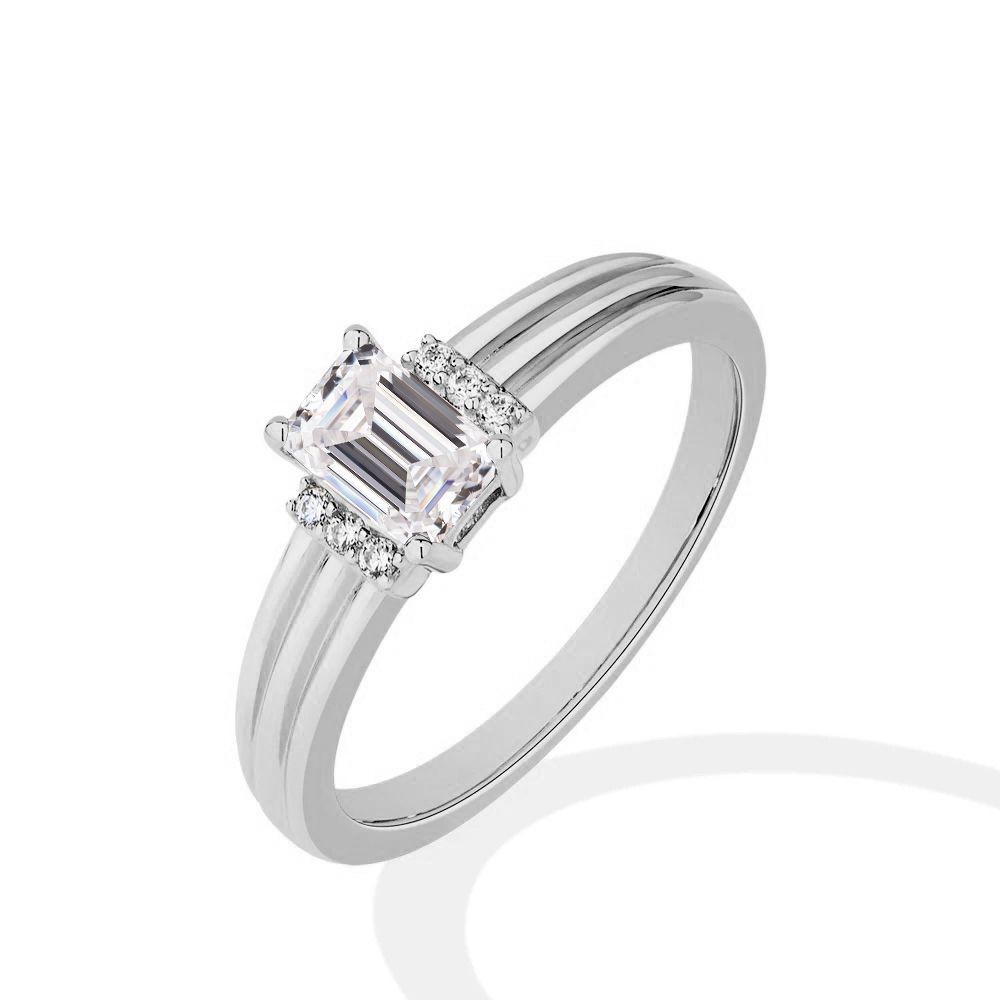
Brides do not buy carats; they buy the look. Solitaire settings sell to the classic bride, halos sell to the bride who wants maximum visible size, and three-stones sell to brides who want a story to tell. Stock at least one of each. Understated six-prong solitaire in 14K white gold, a pavé halo with a slim shank, and a three-stone with accent melee cover roughly 70 percent of what walk-in engagement buyers will ask for. Channel-set and bezel pieces are a second reorder, not a first.
Know your cost-to-retail math
Wholesale moissanite engagement rings land at a fraction of a comparable retail diamond, which lets a boutique price with a healthy keystone and still come in well below a diamond quote. Price the round solitaire as your anchor — the piece brides compare every other ring against — and step pricing up for halo and three-stone. Do not undercut your own anchor; the halo should look like a step up, not a substitute. Build a small price ladder: an entry solitaire, a mid halo, and a three-stone at the top. The bride who walks in hoping for the entry piece usually climbs one rung once she sees the halo on her hand, which is exactly where the margin lives.
Light the case for fire, not for sparkle
Moissanite shows its best under cool, bright light. Warm store lighting flattens it and makes the stone look gray. If your case runs warm yellow LEDs, swap in cooler daylight bulbs at the moissanite shelf specifically. Put the halo pieces on a small raised riser so they catch the light first, and keep a small loupe and a certificate folder within arm's reach. The bride who picks up the loupe is the bride who buys; make that action frictionless.
Train the counter, not just the case
The most common failure in a new moissanite case is that staff treat it as the cheap ring drawer. Reframe it. Moissanite measures 9.25 on the Mohs scale, second only to diamond, and disperses more fire. A trained associate says: this is a moissanite, it is a genuine gemstone, it will keep its brilliance for a lifetime, and it costs a fraction of a diamond. Hand the customer a loupe and a certificate. Let her compare fire under the store lights. The sale closes on the comparison, not on the discount.
Do not fear cannibalization
Brides who walk in expecting a diamond budget of three thousand dollars and find a moissanite at a third of that are not the same customer who would have bought your top diamond. The moissanite case catches the buyer who could not have closed with you anyway. Over time it also feeds your service book: sizing, prong checks, and cleaning become recurring revenue. Watch your attach rate on wedding bands; a moissanite engagement buyer is a wedding band buyer in waiting.
Plan the reorder before the first order
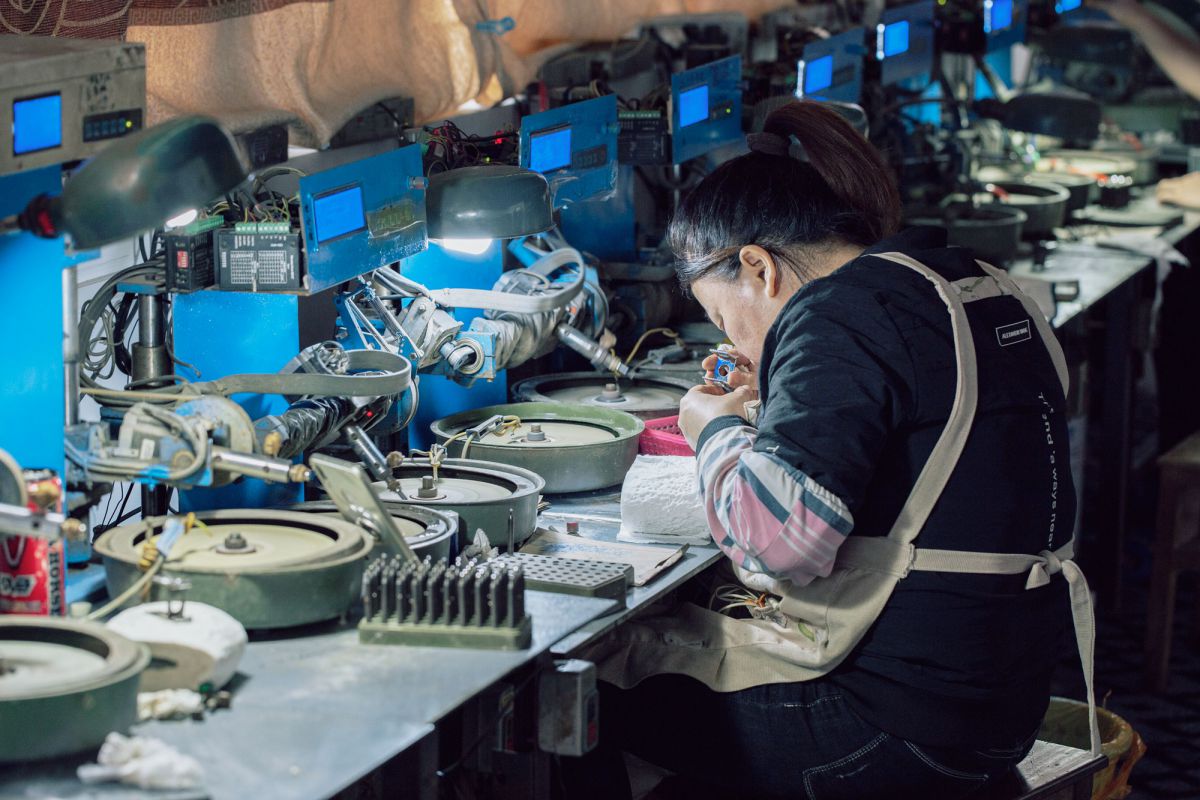
Before you place the opening buy, ask the factory which pieces it stocks at all times versus made-to-order. The opening SKUs should all be stocked, so a sold solitaire is back on the counter in a week, not six. Reserve custom work — a specific oval in a specific setting — for brides who come in ready to commission it. That two-track approach keeps the retail case full while still capturing bespoke requests.
Adding moissanite engagement rings is less about the stones and more about owning the conversation that already happens in your store. Open with three setting families, price them as a real bridal collection, and train staff to compare rather than discount. Browse our stocked moissanite rings for the opening assortment boutiques reorder most often.
Independent background on moissanite — how its hardness and refractive index compare with diamond — is documented in the Wikipedia article on moissanite.
Frequently Asked Questions
Is moissanite a good diamond alternative for retail buyers?
Yes for price-sensitive customers who want brilliance and hardness. Moissanite ranks 9.25 on the Mohs scale, holds up to daily wear and costs a fraction of a natural diamond of the same size, so it resells fast in bridal and fashion lines.
What is the minimum order for wholesale moissanite?
MOQ starts at 50 pieces per design for stock items. Custom cuts and private-label settings usually start at 100–300 pieces depending on the mold.
Do you provide certificates with moissanite stones?
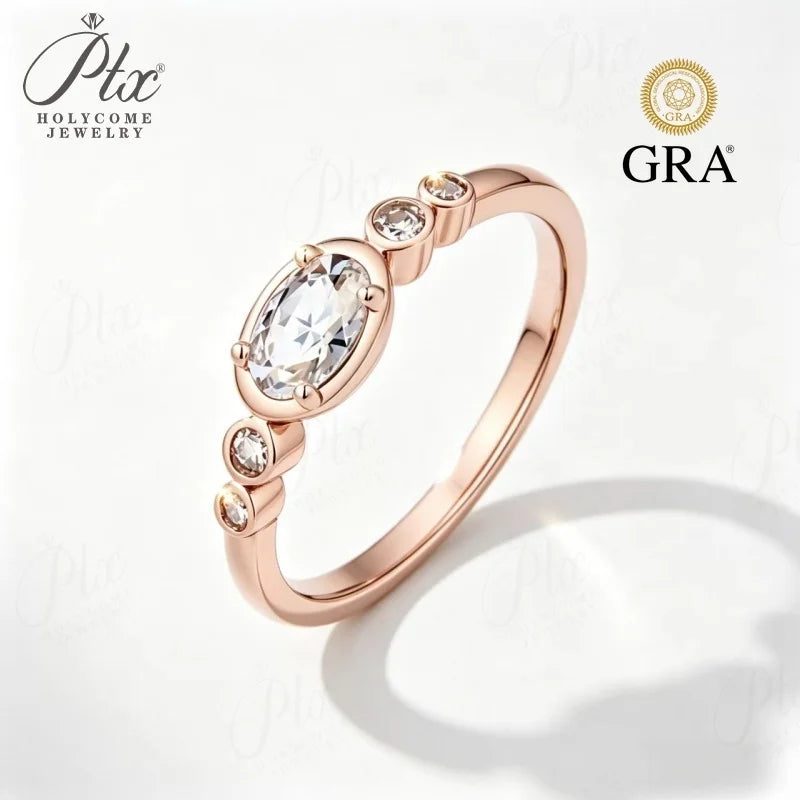
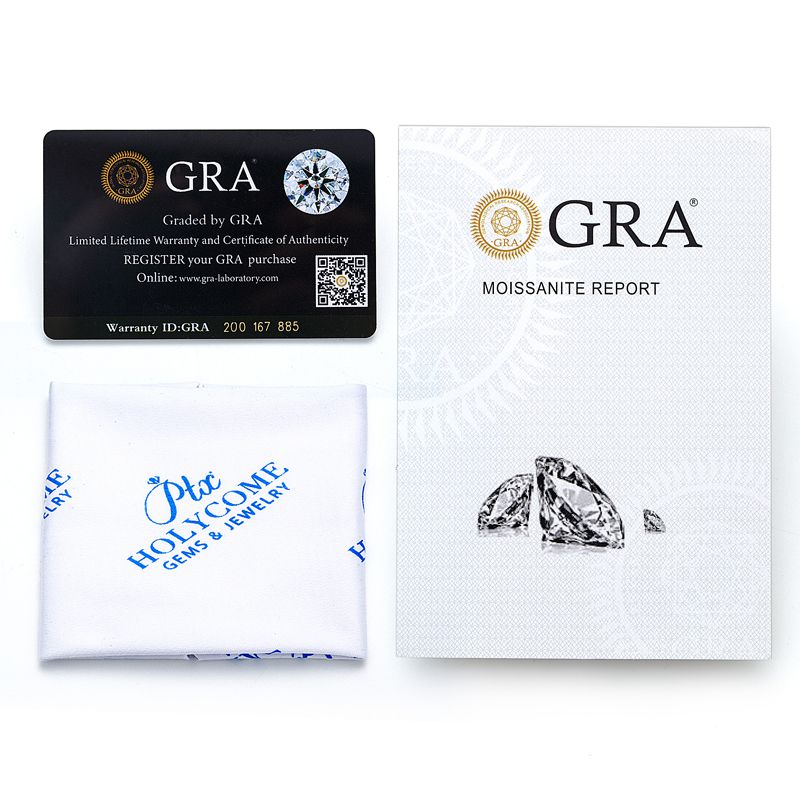
Yes. Every parcel ships with GRA or IGI documentation listing carat weight, color grade and cut. We recommend passing the certificate to your end customer for trust.
How long does sample and bulk production take?
Samples ship in 3–5 days. Bulk runs take 15–20 days under 500 pieces, and 25–30 days for custom work.
Send your spec sheet — stone, cut, size, plating and quantity — and we will return a costed timeline.
Ask the workshop