Engagement Rings
Milgrain Edge Details on Engagement Rings: A Vintage Buyer's Guide
Run a finger along the edge of an antique ring and you may feel a fine, rippled line of tiny beads rather than a smooth metal border. That texture is milgrain, a French word meaning “thousand grains.” It is one of those details most buyers cannot name until they see it, and then they recognize it everywhere: on Art Deco wedding bands, Edwardian engagement rings, and the revival pieces inspired by them. On a modern moissanite ring, a single line of milgrain is often the difference between a setting that looks like a catalog piece and one that looks like an heirloom.
What milgrain actually is
Milgrain is created by rolling a small beading wheel along the edge of a metal rail, compressing the gold or platinum into a continuous row of uniform little beads. Done well, the beads are tight, even, and crisp. Done poorly, they look like a wavy, melted seam. On a well-crafted ring the milgrain sits along the shoulders, the edges of a halo, or the outer rails of a band, framing the center stone without competing with it. It is a border detail, not a primary design element.
The detail is closely associated with vintage-inspired moissanite engagement rings, because the Edwardian and Art Deco periods relied on exactly this kind of fine metalwork to dress up rings at a time when settings were relatively simple.
Why it reads as vintage
Modern jewelry tends toward clean, sharp, machine-polished lines. Milgrain introduces a hand-made, slightly irregular rhythm that signals age and craft. It also catches light in a subtle way: instead of one bright reflection off a polished edge, the ring throws a hundred tiny pinpoints of light as the hand moves. For a bride who wants a ring that looks like it has a story, milgrain provides that narrative without the cost or uncertainty of a true antique.
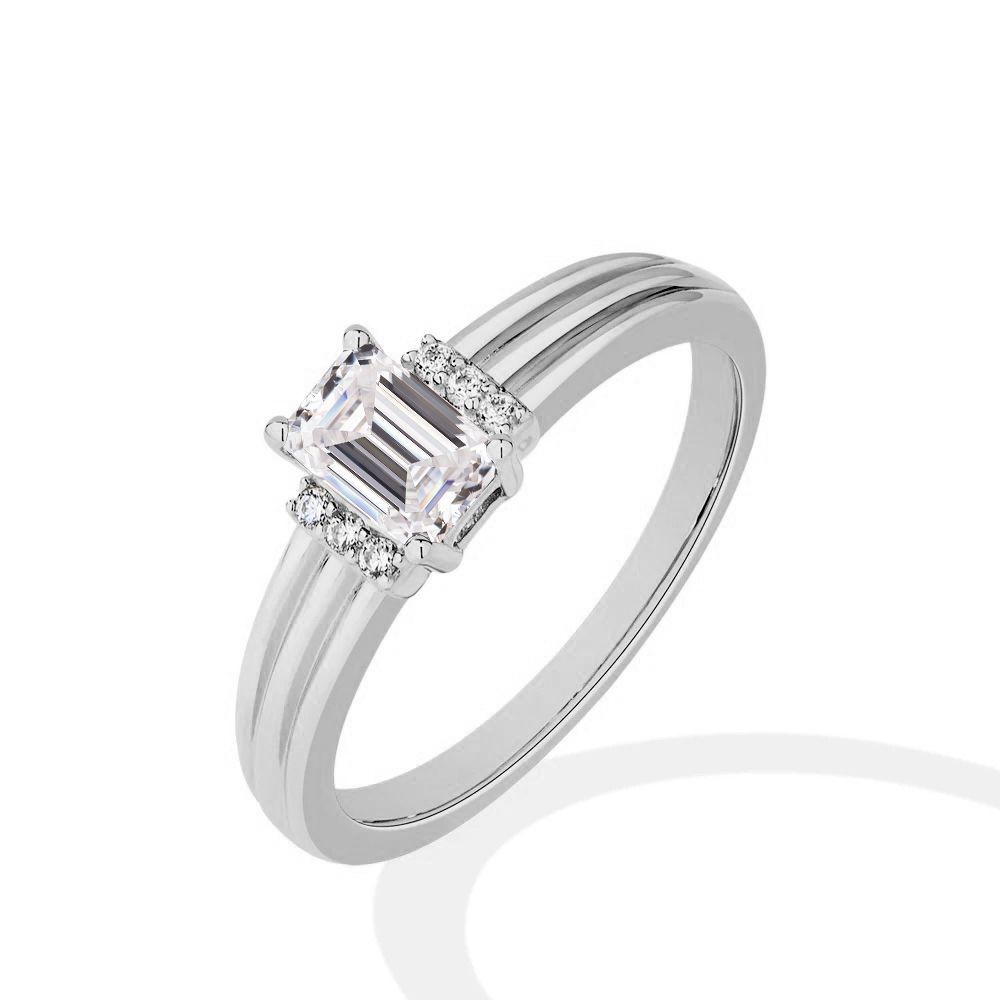
It pairs especially well with a halo setting, where a beaded outer rail softens the geometric circle of the halo ring. It also appears on bezel settings, where the milgrain runs around the rim of the bezel, and on split-shank designs where it traces the shoulders.
How milgrain wears over time
The honest caveat: milgrain is a raised texture, and raised textures wear down. On a ring worn daily, the beads on a high-contact outer edge will soften and round after several years, eventually blending into a smoother line. This is not damage so much as patina, and many owners find it charming. But a buyer who wants a perfectly crisp, showroom-fresh edge forever should understand that daily wear will gently round the detail. Periodic polishing can also thin milgrain if a jeweler goes aggressively at the edge, so gentle, hand buffing is the safer aftercare.
Who should choose it
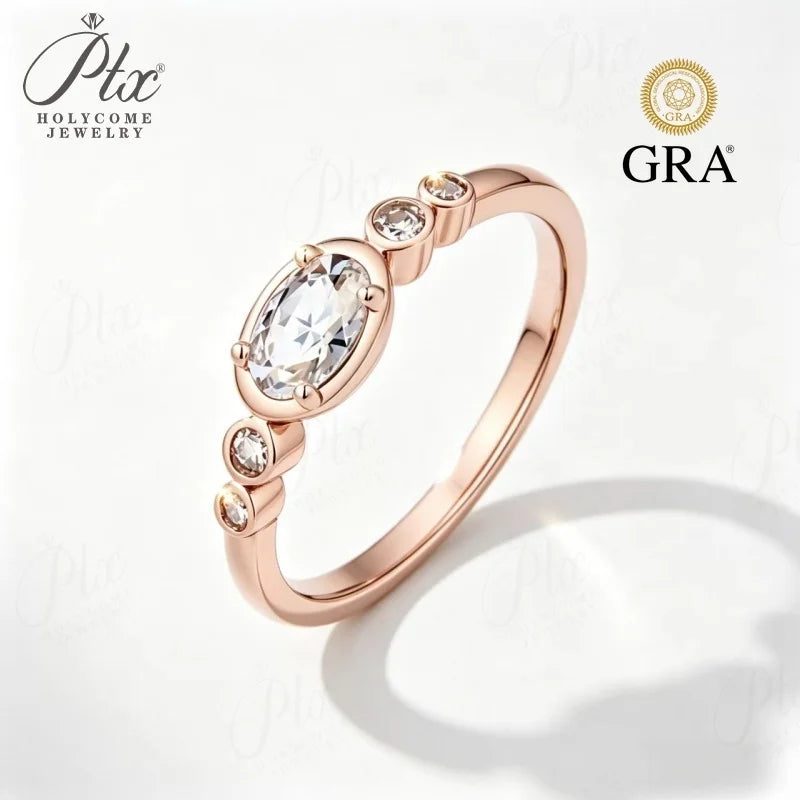
Milgrain suits the buyer drawn to soft, romantic, slightly old-world aesthetics. It is a natural fit with rose gold, where the beaded edge takes on a warm, filigree-like quality, and with platinum, where it echoes the crisp white metal of Art Deco pieces. It is less common on bold, geometric, modern settings, where a clean edge is the whole point. Retailers often find that once a buyer notices milgrain, she specifically asks for it—which makes it a useful detail to point out rather than wait to be asked.
Stocking and styling tips
Because milgrain is a detail rather than a category, it travels well across price points. A modest solitaire gains instant character with a beaded shoulder, and a halo ring gains depth with a beaded outer rail. When photographing milgrain, macro shots matter: the texture vanishes in a wide product image and only shows up in close focus. Show it that way on product pages, and pair it with a matching wedding band that echoes the same beaded edge for a coordinated look. The consistency of detail is what makes a bridal set feel considered rather than assembled.
Pairing milgrain with the wedding band
A milgrain detail wants company. An engagement ring with a beaded shoulder looks most considered when the wedding band echoes the same beaded rail along its own edge. The two then read as a matched set even though they were bought as separate pieces. If the bride chooses a plain band instead, the milgrain still works, but it stands alone as the single vintage note on her hand—a quieter, more personal detail. Either choice is valid; the key is deciding deliberately whether the detail should be echoed or allowed to stand on its own.
Milgrain also ages gracefully in a way that suits sentimental buyers. As the beads soften with wear, the ring develops a gently worn-in look that mirrors the passage of a marriage. Many owners bring the piece back years later and remark that the beaded edge feels like it has kept time with them. For a shopper who wants jewelry that changes and deepens rather than stays frozen, that slow patina is part of the appeal, not a concern.
For third-party reference, the Wikipedia article on moissanite details moissanite’s discovery, optical properties and use in jewelry.
Frequently Asked Questions
What ring sizes can you supply in bulk?
US sizes 5–12 including half sizes. Send a size breakdown with your order and we cast to that curve; comfort-fit inner bands reduce resize requests.
Can I order a mixed size run instead of one size?
Yes. Mixed runs are standard for wholesale: specify quantity per size and we pack and label by size at no extra labor cost.
What is the MOQ for custom ring designs?
50 pieces per design for existing molds; 100–300 pieces when a new mold or CAD model is required.
How should I price rings for retail margin?
Most partners use a 3–4x markup on FOB cost for sterling and 2.5–3x for moissanite solos, which keeps landed cost under 30% of retail.
Send your spec sheet — stone, cut, size, plating and quantity — and we will return a costed timeline.
Ask the workshop