Loose Stones
Buying Loose Moissanite for Repair and Replacement Stones
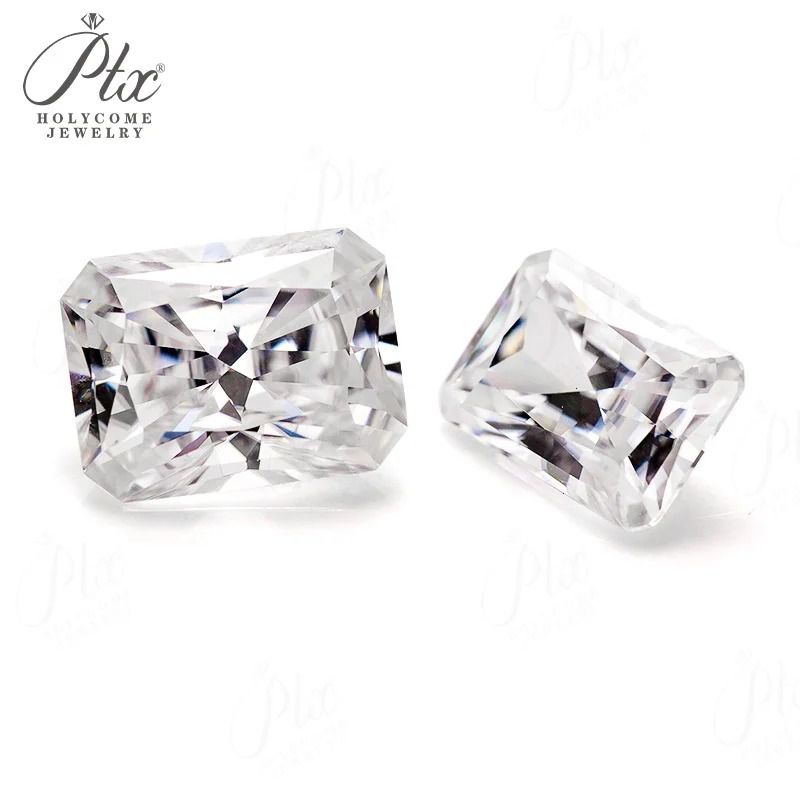
A loose stone falls out, a chip appears on a pendant, or an earring goes missing after years of wear. When that happens, the first instinct is to replace the whole piece. More often, the smart move is a loose moissanite replacement stone. Because moissanite is sold by exact millimeter size and shape rather than only carat weight, you can match the original stone almost perfectly and reset it into the existing setting. It is one of the most cost-effective repairs a jeweler can offer, and it is a steady source of repeat customers.
Start with the setting, not the stone
The most common mistake is guessing the replacement size from the outside of the ring. The correct process is to measure the empty seat inside the setting. A caliper across the inside of the basket tells you the maximum stone that will sit flat. If you measure the old stone that fell out, measure it across the widest point. Round stones are measured in diameter; pear, oval, and marquise are measured length by width. Match those numbers to a loose stone listing. The moissanite mm size guide gives the standard diameter for each nominal carat, which helps you translate what you measure into a searchable size.
Matching shape, cut, and color
A replacement only looks invisible if the new stone matches the old one. Pay attention to:
- Shape and cut. A round brilliant has to replace a round brilliant. An emerald cut will not sit in a round basket, and the facet pattern has to match for the stone to blend with any surviving accents.
- Color grade. If the original stone was near-colorless, ordering a noticeably warmer replacement will stand out. Stick to the same color range; the moissanite color grading scale helps you describe what you have.
- Clarity. Moissanite is typically very clean, but a high-sitting solitaire shows the table more, so clarity matters more for a center stone than for a tiny side accent.
- Refraction. Moissanite and diamond refract light differently. If the original was a diamond, a moissanite replacement will sparkle slightly differently, though most people cannot tell in everyday wear.
Common repair scenarios
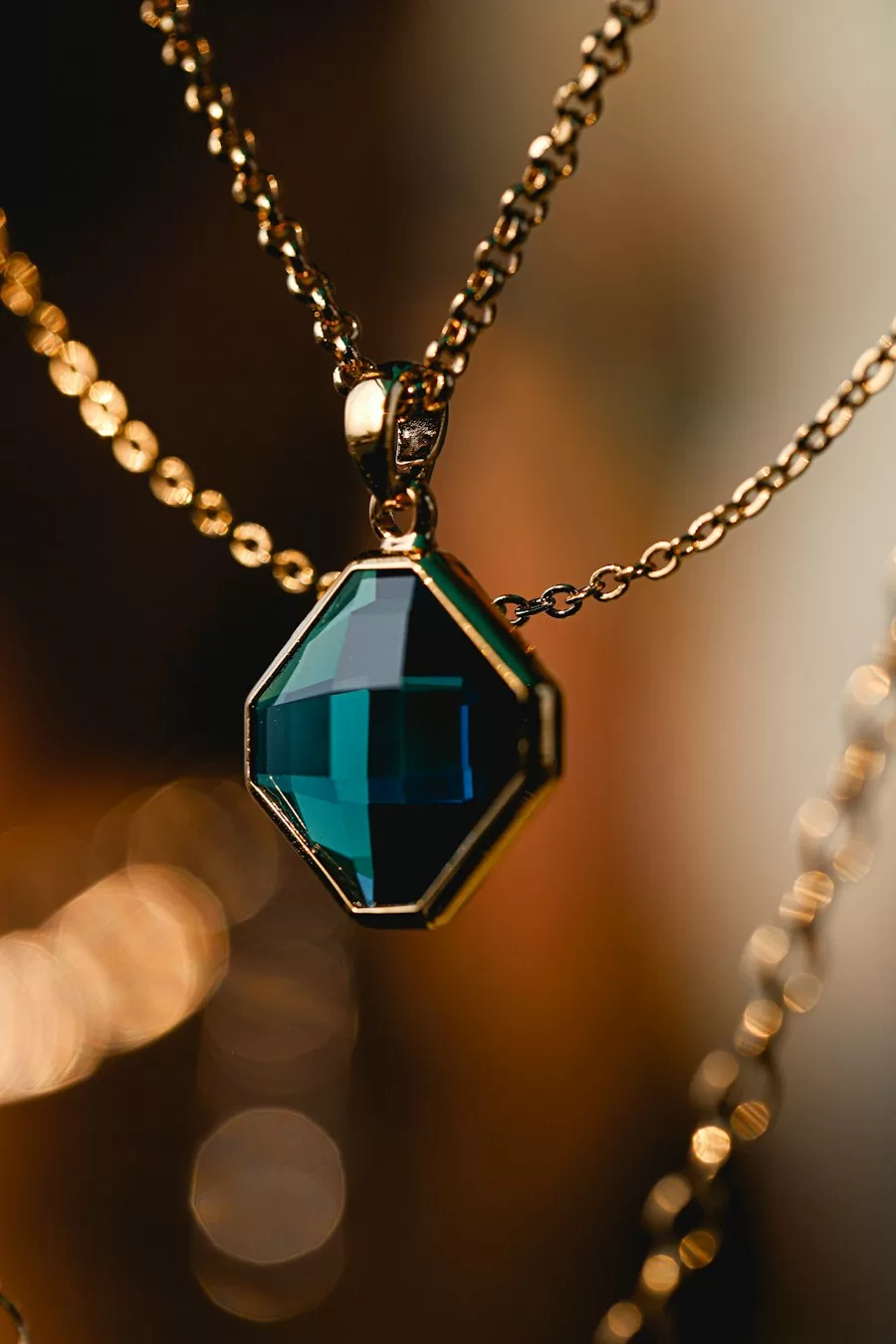
Replacement stones show up across every category. A solitaire loses a prong and drops its center stone; a tennis bracelet snaps a link and sends a stone flying; a pendant's bail loosens and the stone pops out; a stud earring post bends and the stone is gone. For small accent stones, parcel buying is efficient because side stones are usually tiny and interchangeable. Our notes on loose moissanite parcel buying cover stocking a range of small sizes so you are never caught without a match.
The reset and the check
Once the stone arrives, the setter seats it, re-tips the prongs, and checks that the stone sits level. After setting, the ring should be ultrasonically cleaned only if the setting and stone are rated for it; moissanite is generally safe, but a glued-in antique setting is not. Finish by checking every prong by hand and wiggling the stone gently. A replacement that drops out twice in a month is a trust problem with the customer, not just a repair bill.
Cost comparison and when to reset instead
A loose replacement stone plus a reset is almost always cheaper than buying a new piece, which is why repair work keeps customers coming back. A small round moissanite for a stud or a side accent costs a fraction of a new earring, and the reset labor is quick. For a larger center stone, the math still favors repair as long as the setting is in good shape; the gallery is solid, the shank is not worn thin, and the original design is one the customer still loves.
There are times when replacement is not worth it. If the shank is cracked, the setting is bent beyond straightening, or the whole piece is an inexpensive fashion item, a reset may cost more than a new version. A jeweler should be honest about that on the first visit rather than stringing a customer along. For anything with emotional value—an engagement ring, an heirloom pendant, a pair of wedding studs—the reset is almost always the right call, because the metal and the story are worth keeping even when the stone is not.
For independent jewelers, offering a fast loose-stone replacement keeps customers from walking to a big-box store. Keep a small on-hand selection of the most common round and oval sizes, and order the rest to a 48-hour turnaround. It turns a moment of disappointment into a reason the customer comes back for their next piece.
Gemstone grading terminology used here follows the Gemological Institute of America’s gem encyclopedia.
Frequently Asked Questions
Is moissanite a good diamond alternative for retail buyers?
Yes for price-sensitive customers who want brilliance and hardness. Moissanite ranks 9.25 on the Mohs scale, holds up to daily wear and costs a fraction of a natural diamond of the same size, so it resells fast in bridal and fashion lines.
What is the minimum order for wholesale moissanite?
MOQ starts at 50 pieces per design for stock items. Custom cuts and private-label settings usually start at 100–300 pieces depending on the mold.
Do you provide certificates with moissanite stones?
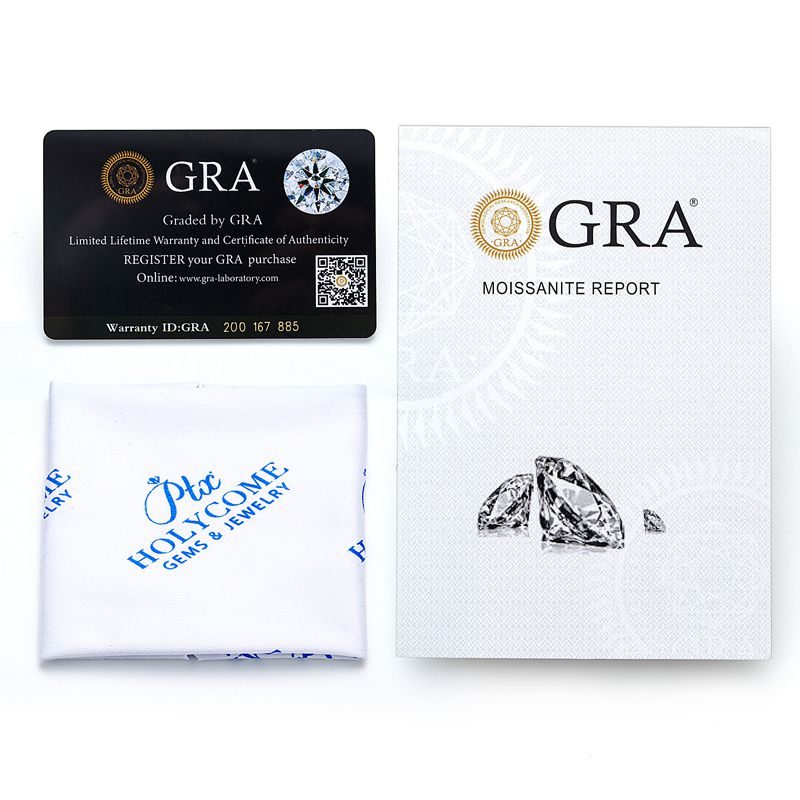
Yes. Every parcel ships with GRA or IGI documentation listing carat weight, color grade and cut. We recommend passing the certificate to your end customer for trust.
How long does sample and bulk production take?
Samples ship in 3–5 days. Bulk runs take 15–20 days under 500 pieces, and 25–30 days for custom work.
Send your spec sheet — stone, cut, size, plating and quantity — and we will return a costed timeline.
Ask the workshop