Selling finished rings is a volume business. Selling custom jewellery is a margin business. A customer who walks in with a sketch of the ring she wants is a customer who will pay for design, service and something one-of-a-kind — and the margin on a custom piece is typically far higher than on a finished SKU. Yet most retailers shy away from custom work because they think it requires a workshop and a goldsmith. It does not. With loose stones and a trusted setter, any retailer can take custom orders.
This playbook walks through how to run a custom-jewellery service. See our loose stones and wholesale terms.
What you actually need
You do not need a workshop. You need three things: a small range of loose certified stones, a trusted setter you can send work to, and the confidence to take the order. The loose stone is the product; the setting is outsourced; you handle the design conversation and the customer relationship. This is how many independent retailers run a profitable custom service without any bench of their own.
How a custom order works
- The customer describes the ring she wants — shape, metal, budget.
- You sketch or show a similar design, and agree the price.
- You source the loose stone from our range, in the right shape and mm size.
- You send the stone to your setter, who builds the band and sets it.
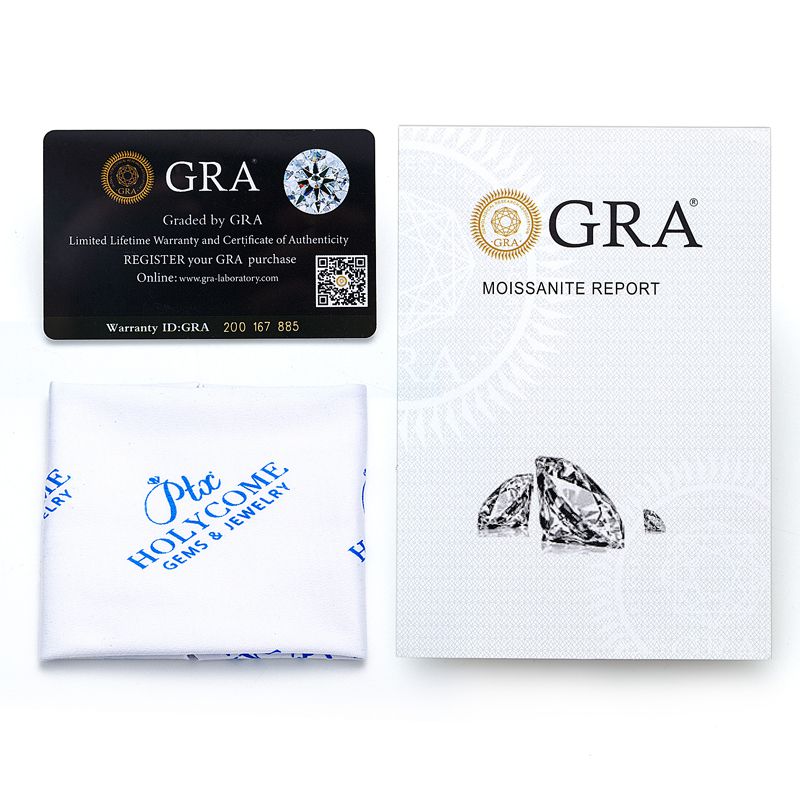
- You hand the finished ring to the customer with the GRA certificate.
The whole process takes two to four weeks, and the customer pays a deposit up front.
Where the margin lives
The margin on custom work comes from three places: the stone is bought at wholesale, the setting is outsourced at a known cost, and the customer pays a premium for design and service. A custom piece that costs you the stone plus the setting can retail at a meaningful multiple. This is why custom work is the most profitable thing a small retailer can do, and why loose stones are the gateway.
Managing customer expectations
The biggest risk in custom work is expectation mismatch. Show the customer photos of similar finished pieces, not just a sketch. Agree the design in writing, with the stone shape, mm size, metal and budget. Take a deposit. Under-promise on the timeline and over-deliver. A customer who knows what to expect is a customer who refers friends; a customer who imagines a bespoke piece and receives something different will not.
Marketing the custom service
Advertise "bespoke engagement rings" and show photos of finished custom pieces. Customers who want something unique actively seek out custom jewellers, and they will find you if you make the service visible. A few before-and-after photos — a customer's sketch next to the finished ring — are the most powerful marketing you have. Our loose stones range gives you the inventory to back up the promise.
Common mistakes
- Taking on designs you cannot actually deliver.
- Not taking a deposit, then being left with an unwanted piece.
- Sourcing the wrong stone size, which means re-ordering and delay.
- Forgetting to hand over the certificate with the finished ring.
The bottom line
Custom jewellery is the highest-margin work a retailer can do, and it starts with a small range of loose certified stones. Take the order carefully, outsource the setting, and hand over the certificate. When you are ready to offer custom work, request a wholesale quote for the loose stones to stock.
Marketing custom work on a budget
You do not need a big marketing budget to attract custom orders. You need photos. Every time you finish a custom piece, photograph it well — on a hand, in good light — and ask the customer if you can use the photo. A gallery of finished pieces, with a line about "bespoke engagement rings made to order", is enough to bring in customers who specifically want something unique. Add a few before-and-after shots of a sketch next to the finished ring, and you have a portfolio that sells itself. The loose stones in our range are what let you take those orders in the first place.
Frequently asked questions
Do I need a workshop? No. Source the stone, outsource the setting, and handle the design and customer relationship.
How long does a custom order take? Two to four weeks from deposit to finished piece.
Should I take a deposit? Yes, usually half up front, so you are not left holding an unwanted piece.
The custom order process, from sketch to stone
Selling custom jewellery does not require your own workshop. You handle the design, the customer relationship and the sale; you source the loose stone and outsource the setting. A custom order usually runs two to four weeks: first the customer picks the stone and the design, then you take a deposit (usually half), source the stone, send it to the setter, and deliver the finished piece. Clear timelines and a deposit protect you from being left holding an unwanted ring.
Marketing custom work is mostly photography. Every time you finish a piece, photograph it well on a hand in good light, and ask the customer if you can use the photo. A gallery of finished pieces — a sketch next to the final ring, on a hand, in a box — is enough to attract customers who specifically want something unique. You do not need a big budget; you need a portfolio of proof. The loose stones in our range are what let you take those custom orders in the first place.
Working from customer sketches and inspiration photos
Most custom orders do not start from nothing — they start from a screenshot. A customer shows you a ring she saw online but wants in a different metal, a different stone, or a slightly different shape. Your job is to translate that inspiration into something you can actually build: pick the matching loose stone, describe the setting, and outsource the work to a setter you trust. Never promise you can copy a designer ring exactly; instead, offer something inspired by it that you can deliver well.
Be clear about timelines and deposits from the first conversation. A custom order usually runs two to four weeks, and a deposit of around half secures the stone and your time. Set expectations honestly about what can and cannot be done, and confirm the design in writing before the stone is set. Customers who understand the timeline and the deposit up front are happy customers; customers who thought it would take a week are the ones who dispute the price. The loose stones in our range are what let you take these custom orders with confidence.