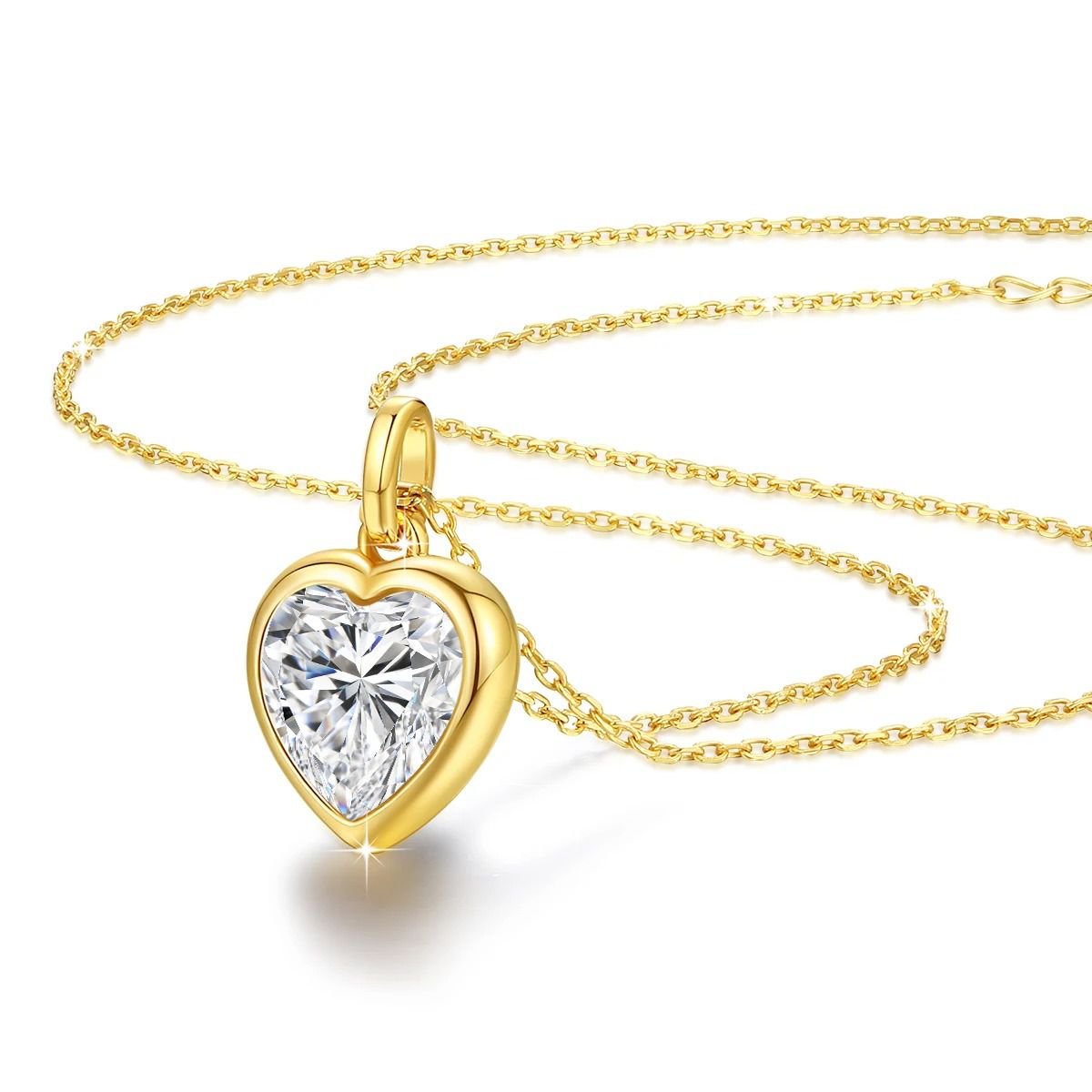
Necklaces & Pendants
Lariat and Y-Necklaces for Bridal: A Wedding Day Styling Guide
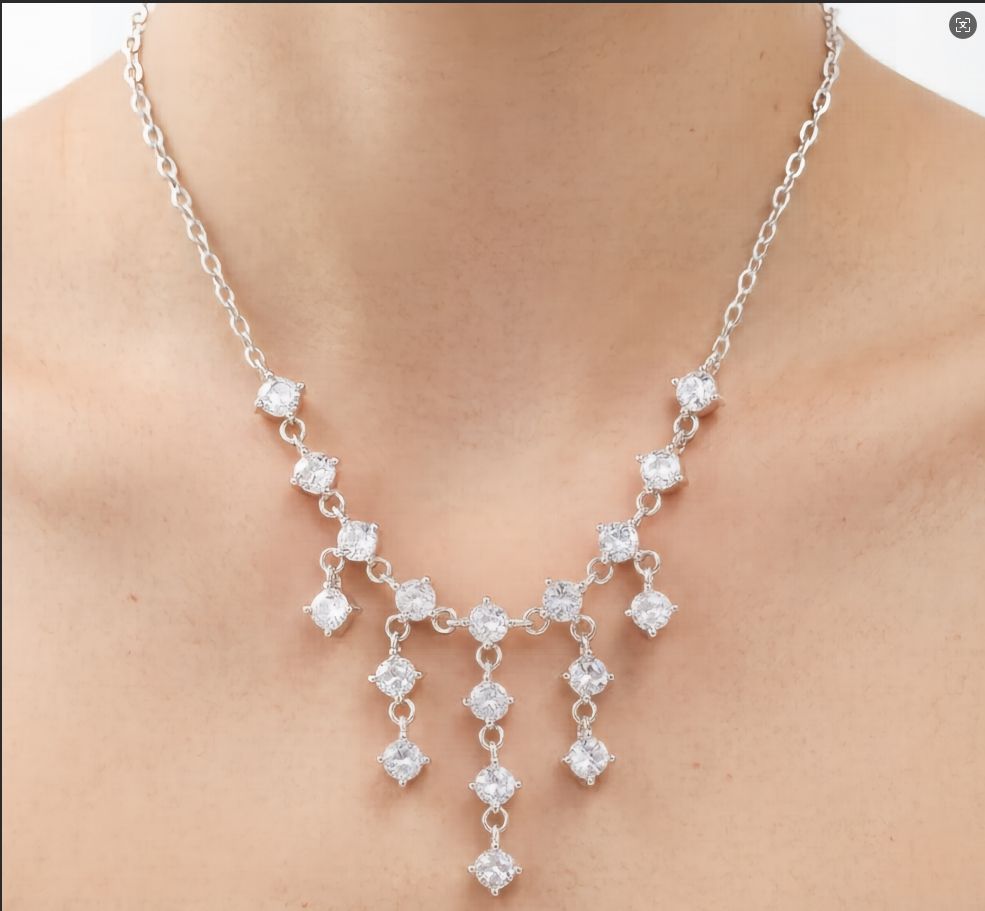
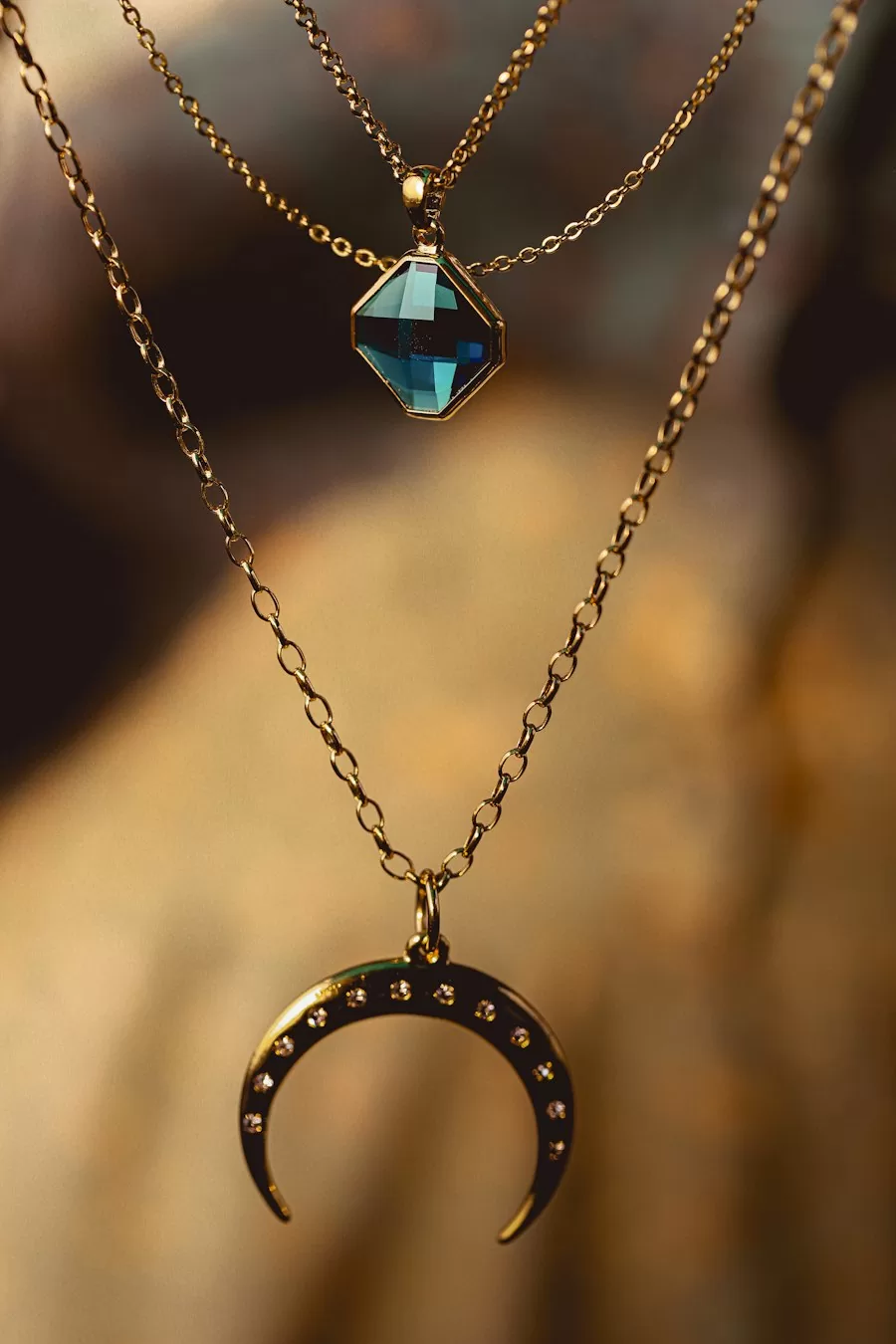
Among bridal necklaces, the lariat has the most dramatic silhouette. A long chain drapes down the chest in a soft V, sometimes ending in a drop, a tassel, or a small stone. Worn against a wedding dress, it elongates the neck, frames the décolletage, and photographs with a kind of easy elegance that a single pendant cannot match. As open-back and deep-V gowns continue to dominate bridal runways, lariats are moving from editorial styling into mainstream retail demand.
What a lariat actually is
A true lariat has no clasp. The chain loops around the neck and is secured by pulling the long ends through, creating an adjustable V. A Y-necklace is the fixed version: a short chain sits at the collarbone, and a single drop hangs from the center. For bridal retail, the two are often grouped together because they serve the same styling purpose. The Y-necklace is easier for most brides to wear because it stays put; the lariat offers more adjustability but requires a little practice.
Which wedding dresses suit a lariat
The lariat's superpower is the V. It flatters deep V-necks, sweetheart necklines, and plunge gowns by repeating and extending that line. It is also a natural choice for open-back dresses, where a long lariat can be arranged to drape down the spine for the ceremony exit photos. For strapless and bateau necklines, a shorter Y-drop works better than a long lariat, which would hang too low. Our guide on choosing a necklace by neckline walks through the full matching logic if a customer is undecided.
Length and drop decisions
Bridal lariats usually fall between 18 and 24 inches from the back of the neck to the bottom of the drop. A 16 to 18 inch Y-drop sits above the bust and suits sweetheart necklines. A 20 to 24 inch lariat extends toward the sternum and suits deep V and backless looks. Use our chain length guide to recommend the right measurement based on the bride's height and the dress. Taller brides can carry a longer drop; petite brides look best with a shorter V so the chain does not overwhelm the frame.
Pairing with other bridal jewelry
A lariat is already a statement. Keep earrings simple — a pair of small moissanite studs or tiny pearl drops — so the neckline does not compete. If the bride wants more sparkle, suggest adding a slim tennis bracelet on one wrist rather than layering more chains. The goal is one focal point, not several.
Stocking for the bridal floor
Lariats sell best when styled on a mannequin bust wearing a sample gown. Customers do not visualize a lariat from a flat card. Display at least two lengths — a shorter Y-drop and a longer lariat — so brides can compare on their own neck. Carry them in gold and rose finishes, with one stone-drop option and one plain chain option. The plain chain is surprisingly versatile; it works with evening wear long after the wedding, which is a strong selling point.
Pricing lariats in the accessible gift range also opens up bridesmaid and mother-of-the-bride purchases. A shorter lariat in a soft gold makes an elegant thank-you gift that the recipient will actually wear. Gift-ready packaging turns the purchase into a moment, which matters more than the price point itself.
Care messaging
Long chains tangle easily. Advise brides to store the lariat flat or hung on a small hook, not folded in a jewelry box. A short cleaning cloth and a note about avoiding sprays directly on the chain is enough care guidance. Because the chain is fine, mention that it is a dress piece rather than a beach-and-brunch piece; that honest framing sets the right expectations and reduces returns.
Working with sheer and beaded fabrics
Lariats look different on satin versus tulle, so advise brides to bring a swatch of their dress fabric when trying necklaces. A heavy beaded bodice competes with a sparkly lariat; a plain satin V-neck needs the chain to fill the space. On open-back gowns, a lariat arranged down the spine catches the camera during the recessional, which is one of the most photographed moments of the day. If the dress has a train or a long veil, keep the lariat simple so the whole look stays intentional rather than busy. Brides who trust the stylist comparison in the store almost always pick the simpler option when they see it on their own neck.
The opportunity
Lariats are a high-aspiration, low-inventory item. You need only a handful of SKUs to test demand, but each one photographs beautifully and gives your case a runway-level feel. Brides who want something beyond a classic pendant will remember the store that offered a lariat as an option. Add one styled bust, two lengths, and let the neckline do the selling.
For third-party reference, the Wikipedia article on moissanite details moissanite’s discovery, optical properties and use in jewelry.
Frequently Asked Questions
Which chain lengths should I stock first?
16 to 18 inch covers most necklines and gift purchases. Add 20 inch for layering sets and 24 inch for pendant lines.
Are your chains nickel-free and hypoallergenic?
Yes. Sterling silver is 92.5% silver; stainless lines use 316L. Both are nickel-safe for reactive customers when plated correctly.
Can necklaces be personalized?
Laser engraving on pendants and clasps is available from 50 pieces, with 3–5 day turnaround on the engraving step.
What is the bulk lead time?
15–20 days under 500 pieces; 25–30 days for custom pendants or new molds.
Send your spec sheet — stone, cut, size, plating and quantity — and we will return a costed timeline.
Ask the workshop