Engagement Rings
How to Insure an Engagement Ring: A Plain-Language Guide for Brides
A proposal is emotional, and the ring at the center of it feels permanent. Yet the very object that symbolizes a lifelong promise is also small, easy to slip off at a sink, and surprisingly easy to lose. Insuring an engagement ring is the boring step that protects the most exciting purchase of many couples' lives. This guide walks through how coverage works in plain language, without the fine-print jargon.
Why standard renters or homeowners insurance is only half a plan
Most homeowner and renter policies do include a small amount of scheduled jewelry coverage, often somewhere between $1,000 and $2,500 per item. That sounds reasonable until you realize a two-stone bridal set or a solitaire with a halo can sit well above that limit. Above the cap, the policy treats the ring like any other stolen item and applies a deductible. Worse, standard coverage usually pays only for theft, not for a ring that slips off a finger at the beach or drops down a hotel drain.
A dedicated jewelry policy, or a scheduled endorsement attached to an existing policy, is built for exactly those losses. It typically covers theft, loss, mysterious disappearance, and in some cases accidental damage. For a destination wedding or a honeymoon abroad, that worldwide coverage matters more than many couples expect.
Start with a proper appraisal
Before any insurer will bind coverage, they need a current, written appraisal from a qualified gemologist or jeweler. The appraisal lists the stone type, carat weight, cut, color, clarity, the metal and weight of the setting, and a replacement value. For a moissanite center stone, the appraisal should note the stone's identity and its retail replacement cost, not a diamond equivalency figure.
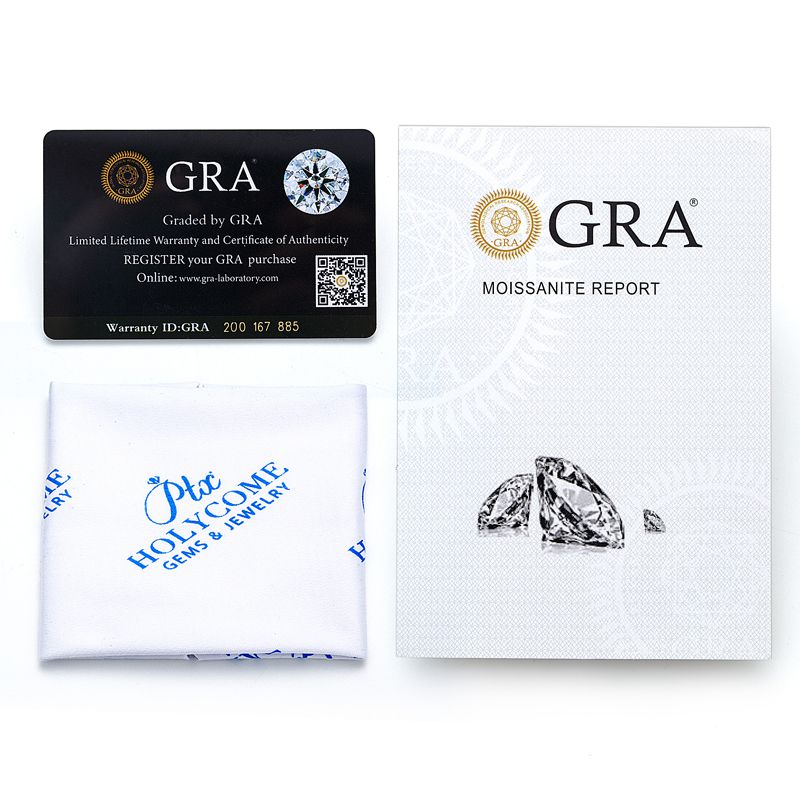
Keep the receipt, the GRA or lab certificate, and the appraisal together in a digital folder. Insurers ask for all three when a claim opens. If you later upgrade the ring or add an anniversary band, have the appraisal updated so coverage stays accurate. A ring that grew in value over the years but was never re-appraised is a ring that is underinsured at claim time.
What a policy should actually cover
When comparing quotes, read the covered-perils list rather than the premium. A robust engagement ring policy should include:
- Theft from a home, car, hotel, or restaurant.
- Mysterious disappearance, meaning the ring vanished without a known cause.
- Loss, including slipping off while swimming or washing hands.
- Accidental damage such as a chipped stone or bent prong that needs repair.
- Worldwide coverage so a trip abroad does not void the claim.
Confirm whether the policy pays replacement cost or actual cash value. Replacement cost puts a comparable ring back on her finger. Actual cash value subtracts depreciation and almost always leaves a gap the couple has to cover out of pocket.
What it costs
Premiums are usually quoted annually and run as a small percentage of the insured value, commonly one to two percent. A ring insured at $5,000 might cost $50 to $100 a year. That is less than most couples spend on a single dinner out, and it is far cheaper than replacing a ring after it is gone. Couples on a tight wedding budget sometimes skip this line item, but it is one of the few wedding costs that pays for itself the day it is needed.
Self-insuring the deductible is a reasonable choice for many. You can choose a higher deductible to lower the premium and set aside that amount in savings, accepting the small risk while still protecting against a total loss.
When to actually buy the policy
Bind coverage the day the ring leaves the store, not the day after the honeymoon. Most policies are backdated to the purchase, but a ring worn unprotected between purchase and the wedding day is uninsured for the most exciting weeks of its life. Keep the policy in a shared account so both partners can file a claim if the worst happens, and tell at least one trusted family member where the paperwork lives. A claim filed six months late is far harder than one filed the same week the ring went missing.
Common gaps that sink claims
Two mistakes come up again and again. The first is underinsuring. An appraisal from five years ago reflects five-year-old prices, and replacement costs move with the market. Review the insured value every two to three years, especially if you bought the ring at a tiered price that has since climbed.
The second is ignoring routine maintenance. Some claims are denied because the owner never had prongs checked and the stone fell out due to a known looseness. A yearly inspection, along with cleanings like those described in our home cleaning guide, protects both the ring and the claim. Photograph the ring from several angles as well, because a clear reference makes the claims process faster.
The bottom line
Insuring a ring takes an afternoon and costs less than a monthly phone plan. Get the appraisal, compare two or three quotes, confirm worldwide replacement coverage, and set a reminder to revisit the value every two years. That is the single step that turns a sentimental purchase into a protected one, and it belongs on every bride's closing checklist right after the proposal.
The Wikipedia entry on engagement rings gives an independent overview of engagement ring traditions and settings.
Frequently Asked Questions
What ring sizes can you supply in bulk?
US sizes 5–12 including half sizes. Send a size breakdown with your order and we cast to that curve; comfort-fit inner bands reduce resize requests.
Can I order a mixed size run instead of one size?
Yes. Mixed runs are standard for wholesale: specify quantity per size and we pack and label by size at no extra labor cost.
What is the MOQ for custom ring designs?
50 pieces per design for existing molds; 100–300 pieces when a new mold or CAD model is required.
How should I price rings for retail margin?
Most partners use a 3–4x markup on FOB cost for sterling and 2.5–3x for moissanite solos, which keeps landed cost under 30% of retail.
Send your spec sheet — stone, cut, size, plating and quantity — and we will return a costed timeline.
Ask the workshop