Engagement Rings
Bridal Jewelry Wholesale FAQ: Answers Boutique Buyers Actually Need
Every wholesale buyer who emails a bridal supplier starts with the same handful of questions. Most of them are not about the stones. They are about how the order actually works: minimums, timing, what happens when a ring does not fit, and whether the supplier will stand behind the piece after it leaves the factory. This page collects the questions we hear most from first-time boutique buyers and answers them the way a factory floor manager would.
What is the minimum order quantity?
For stocked bridal pieces, expect a low piece minimum rather than a high dollar one. A typical first order is built from mixed SKUs across engagement rings, bands, and small bridal boxes, with no single style required in quantity. Custom private-label pieces carry a higher per-SKU minimum because the factory has to set up casting and plating runs. If a supplier quotes a single-style minimum above ten pieces for stocked moissanite, ask whether mixed SKUs count toward the same floor.
How long is lead time?
Stocked engagement rings and bands usually ship within one to two weeks of confirmed payment. Made-to-order pieces, including engraved bands and rings set with customer-specified loose stones, run four to six weeks. Peak wedding season and the run-up to major gift holidays push both windows out, so place spring and fall bridal buys no later than eight weeks ahead. Confirm whether quoted lead time is working days or calendar days; factories quote working days.
Do the stones ship with certificates?
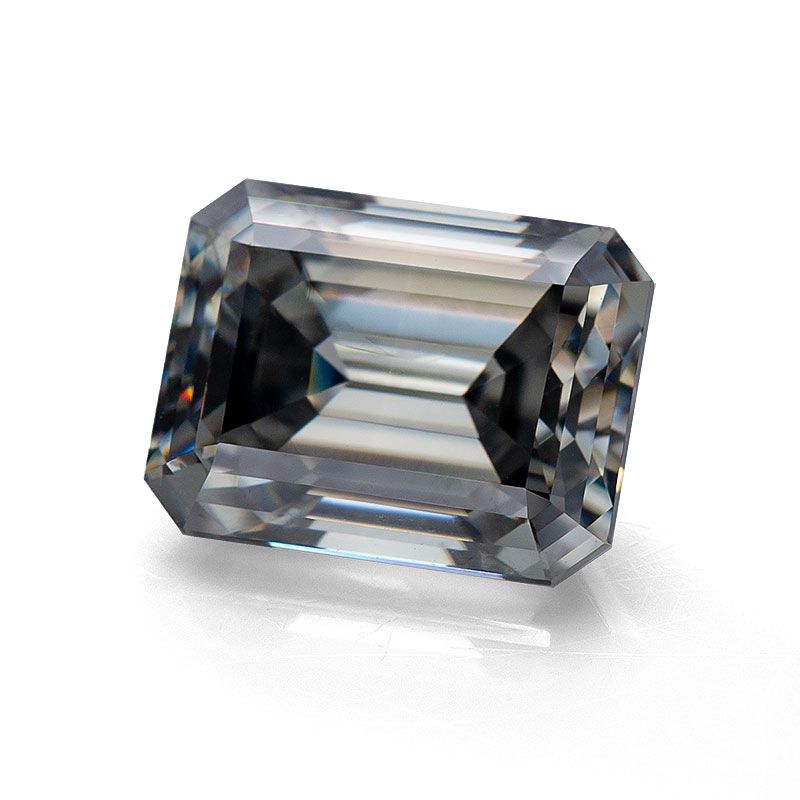
Moissanite stones sold wholesale should ship with a grading report that matches the stone's carat, cut, color, and clarity. Reported weight must match the stone you ordered; a mismatch on hand is the single most common quality dispute. Ask whether the certificate number is laser-inscribed on the stone's girdle so a retail jeweler can verify it on the bench. For your own counter, keep certificates with the stock rather than filing them away; brides ask to see them.
Can we private-label or brand the pieces?
Most factories support private labeling on hardware, packaging, and laser engraving inside the band. Disc finishing, logo stamps on the inside shank, custom gift boxes, and printed care inserts are standard. Branding usually adds lead time and a setup fee, so negotiate it on the second reorder rather than the first run, when you still need to prove which styles sell.
What about resizing after a sale?
Moissanite itself does not break during resizing, but plated and sterling pieces thin out with every size change, and eternity bands with stones going halfway or fully around the shank cannot be sized more than half a size without resetting stones. Stock comfort-fit bands in a width range that covers the bulk of female finger sizes (4.5 to 7) and male sizes (8 to 12), and plan to send extreme sizes to the factory rather than attempting them in-store.
What are payment and shipping terms?
First orders are commonly prepaid by wire or card, with terms opened after a clean reorder history. Shipping goes out insured and signature-required; ask whether the quoted price includes freight and insurance, or whether those land separately. Import duties and taxes are the buyer's responsibility in most buyer-agreed Incoterms, so build them into your landed-cost math before you price to retail.
Do you accept returns or exchanges?
Wholesale bridal is not consignment, and factories rarely accept open returns on engraved or made-to-order work. What you should negotiate is a defect replacement policy: pieces that arrive with stone loss, plating fault, or obvious craftsmanship error are replaced or credited within a stated window. Photograph incoming shipments on the day they arrive; claims filed weeks later rarely move. If a supplier pushes back on a written defect window, treat that as a signal rather than a negotiating point.
Can I order samples before committing to a full buy?
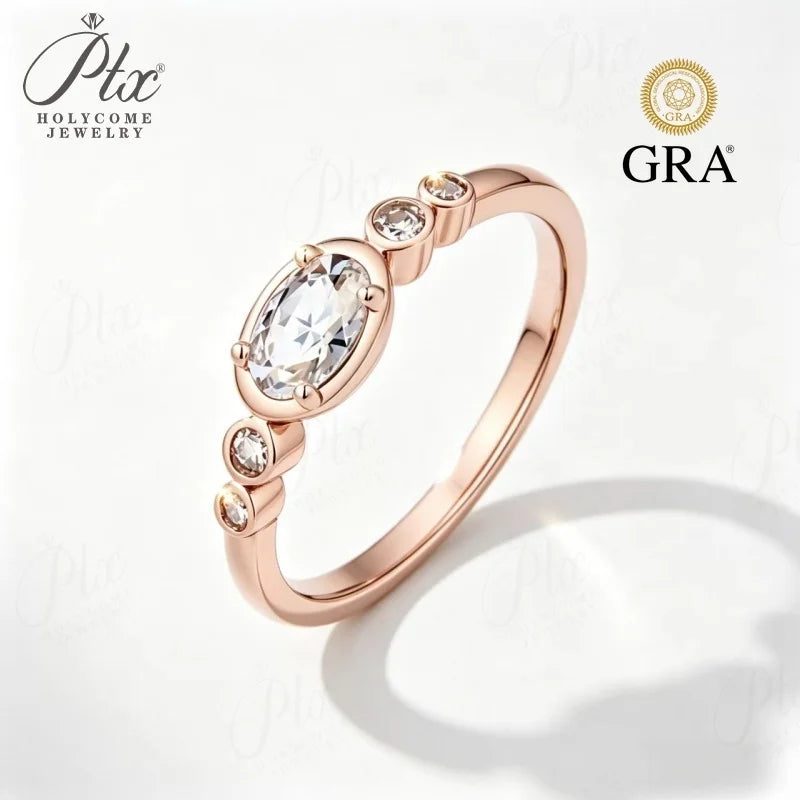
Most factories will sell a small sample set at near-wholesale price so a buyer can feel the weight, check the finish, and show the case to a partner before committing. Samples are not free, but the cost is trivial against a bad first buy. Use samples to test the settings you are unsure about — the bezel versus the prong, the rose gold versus the white. A sample order is also the cleanest way to judge the supplier's communication: how fast they reply, how they handle a shipping delay, and whether the invoice matches the quote.
How fast can I reorder a style that sells?
Stocked bestsellers usually reorder inside the initial lead window. Ask the supplier to hold a small safety quantity of your top movers so a sold halo does not become a six-week wait. Reordering on the 80/20 rule — restock the styles that already sold, not the ones you hope will sell — keeps cash moving and avoids the dead stock that kills a bridal case.
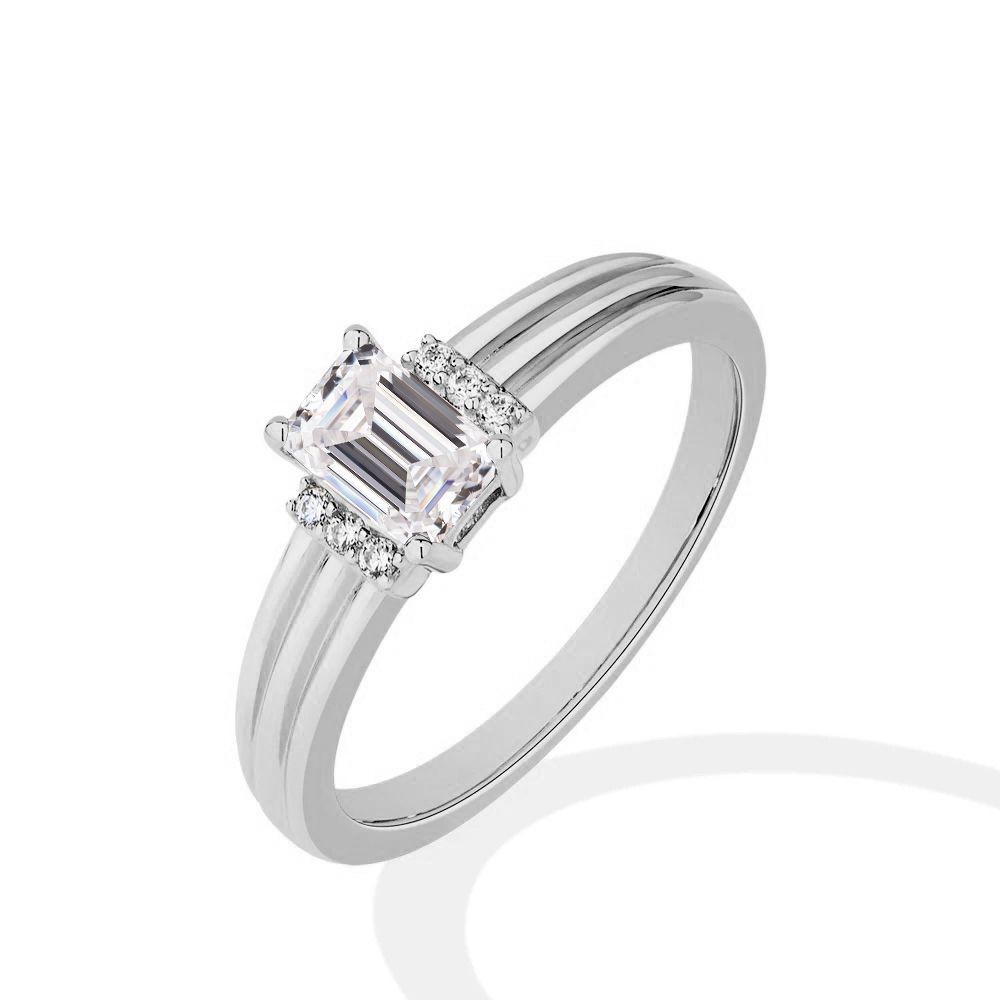
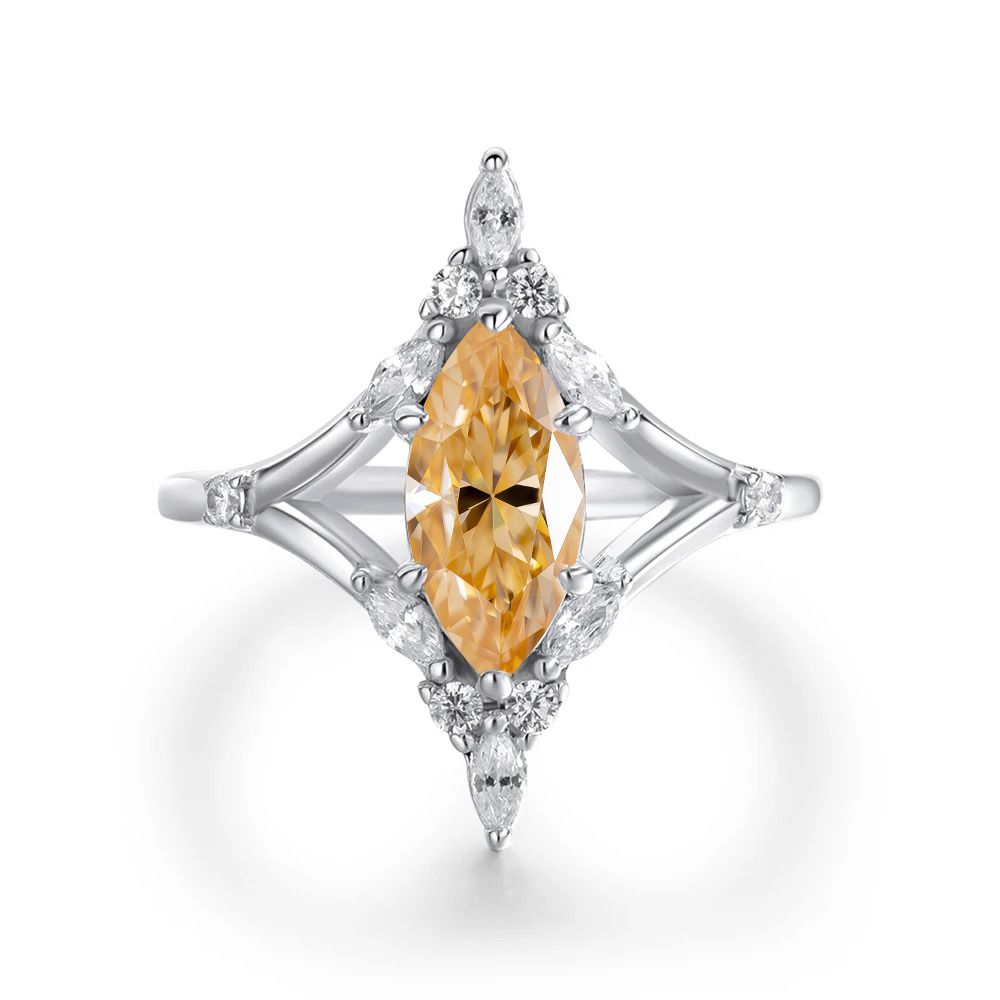
The best bridal suppliers answer these questions in writing before you commit. If a rep hedges on MOQ, lead time, or what happens when a ring arrives wrong, that hesitation tells you more than any catalog page. Browse moissanite engagement rings stocked for wholesale to compare typical specs side by side before your first buy.
For HS classification of jewelry in customs and export documentation, the WCO Harmonized System nomenclature is the authoritative nomenclature.
Authoritative References
For buyers who need to verify the technical and regulatory basis of this guide, the following independent institutions publish authoritative reference data:
- FTC Advertising FAQs - U.S. guidance on truthful marketing and disclosure.
- Wikipedia: E-commerce - online retail and marketplace background.
Frequently Asked Questions
How do I verify a factory before placing a bulk order?
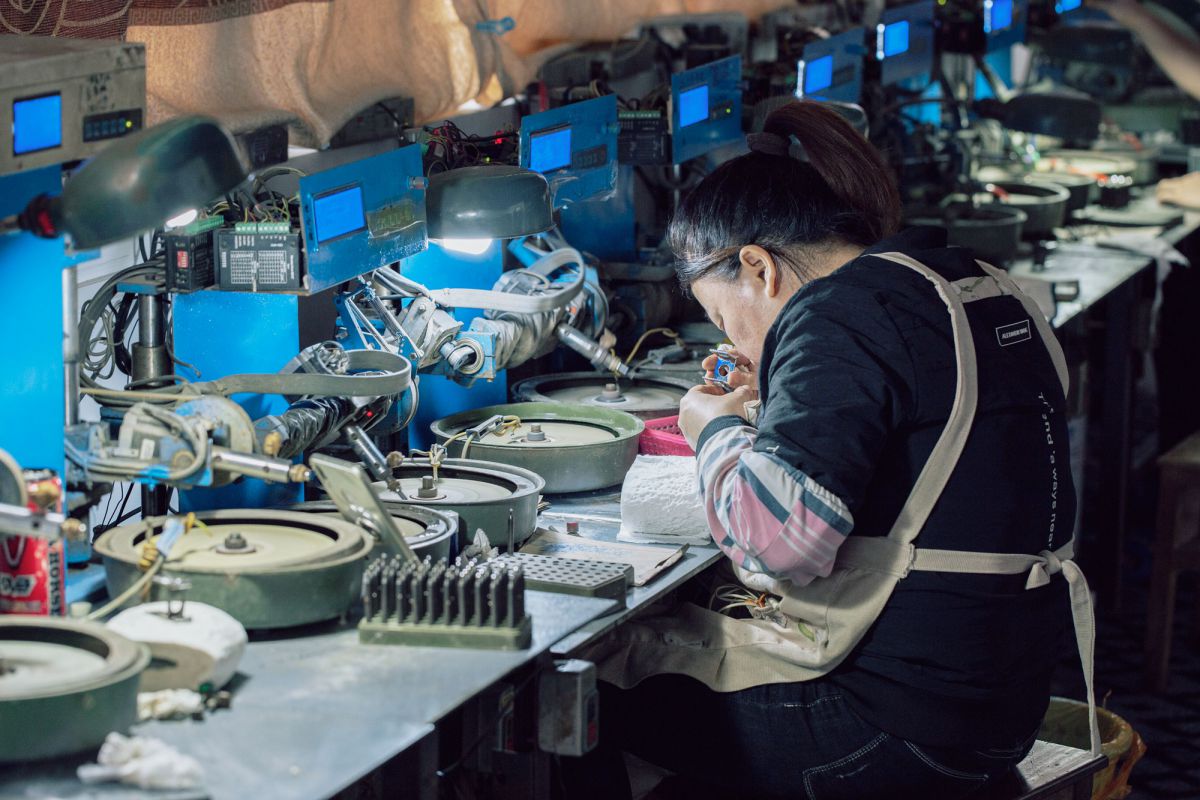
Request a production video, business license, export records and a paid sample run. A factory that accepts a 50-piece test order is usually a real manufacturer.
What payment terms do you offer?
30% T/T deposit with the balance against the bill of lading. This protects both sides on first orders and can move to net terms after a track record.
What is your normal reject rate?
3–5% under 10x loupe inspection for cast and set pieces. Defective units are replaced free in the next shipment.
Where is the factory located?
Wuzhou, Guangxi, China—the core lab-grown and moissanite manufacturing cluster. Shipments go via Guangzhou or Shenzhen ports.
Send your spec sheet — stone, cut, size, plating and quantity — and we will return a costed timeline.
Ask the workshop