Necklaces & Pendants
Freshwater Pearl Pendants for Bridal: A Retail Trend Report
For a decade, bridal necklaces were dominated by diamonds and moissanite, and not much else. That has softened. Brides now walk in asking for pearl pendants — not their mother's single strand, but a single freshwater pearl on a fine gold chain, layered with a dainty pendant or worn alone against a satin wedding dress. The pearl pendant is having a genuine moment in bridal, and retailers should pay attention.
Why pearls are back for brides
Several trends collided at once. Quiet-luxury dressing, the return of old-Hollywood glamour, and a generation of brides who want jewelry they will actually wear after the wedding. A pearl pendant fits all three. It is understated, it photographs beautifully against ivory and blush fabrics, and it translates to office and dinner settings long after the honeymoon.
Freshwater pearls, in particular, have improved dramatically in quality. Cultivated in China, modern freshwater pearls come in near-round and oval shapes with strong luster at a fraction of the cost of Akoya or South Sea pearls. That price gap lets retailers offer a credible pearl pendant at a price point brides will buy for themselves, not only as a gift.
Pairing pearls with moissanite
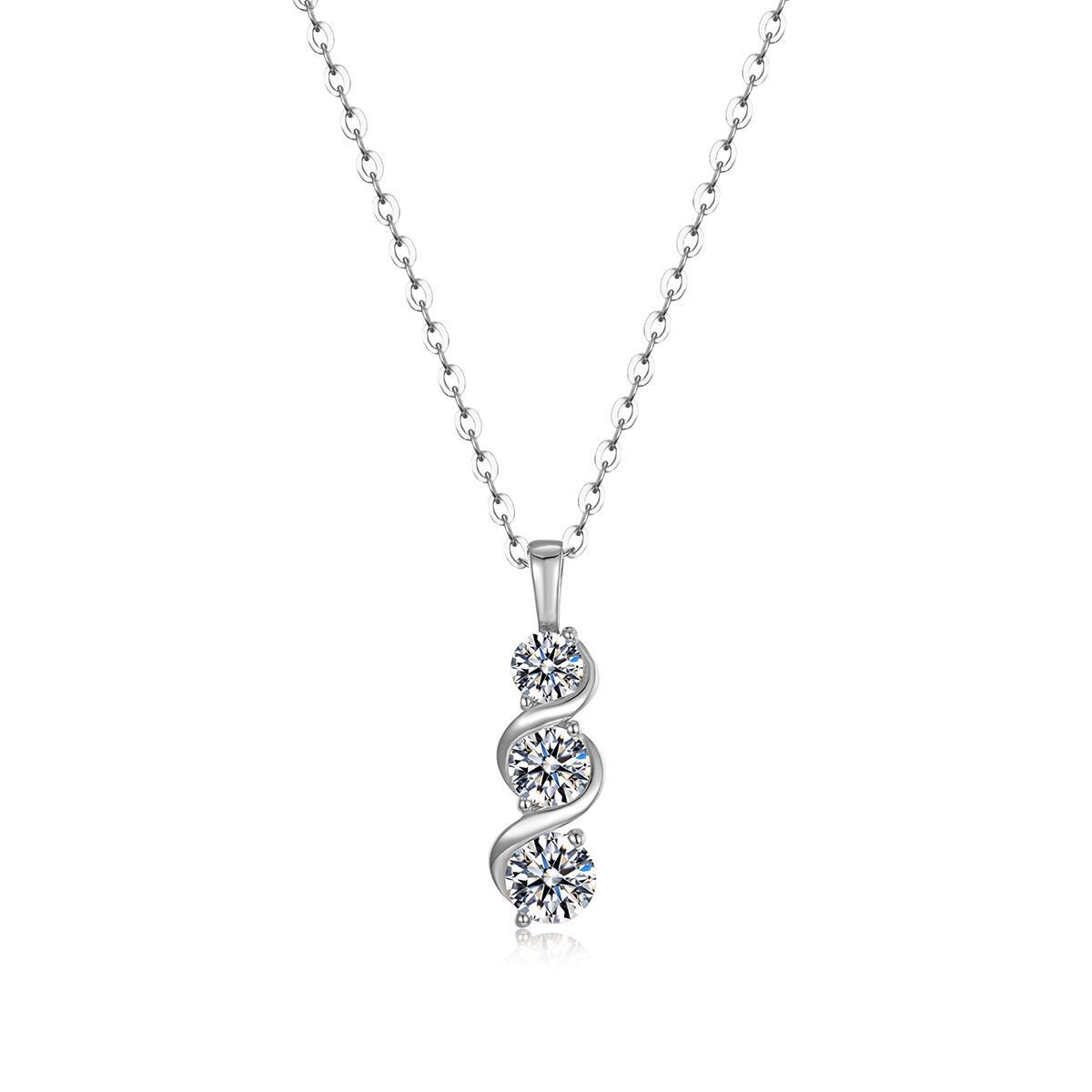
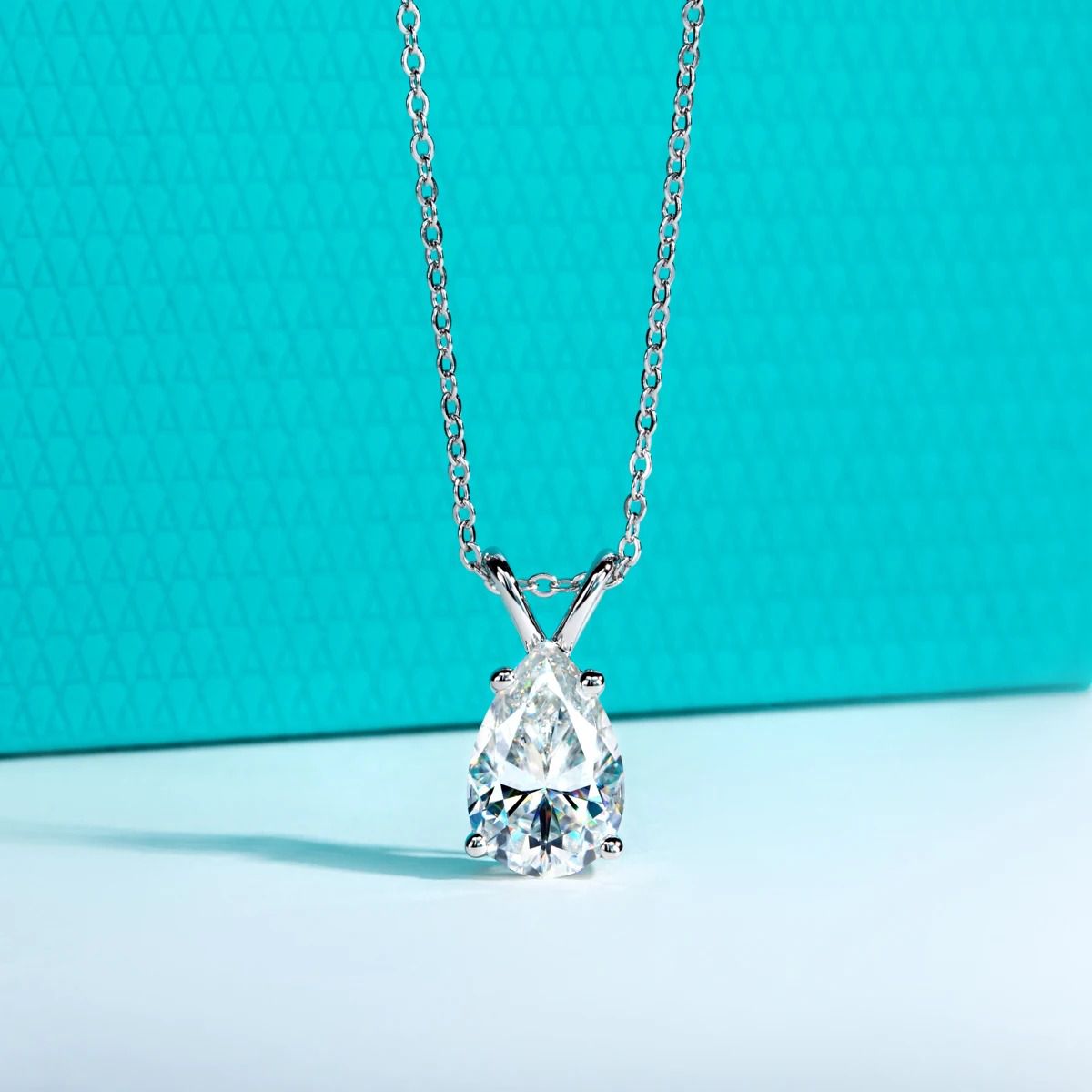
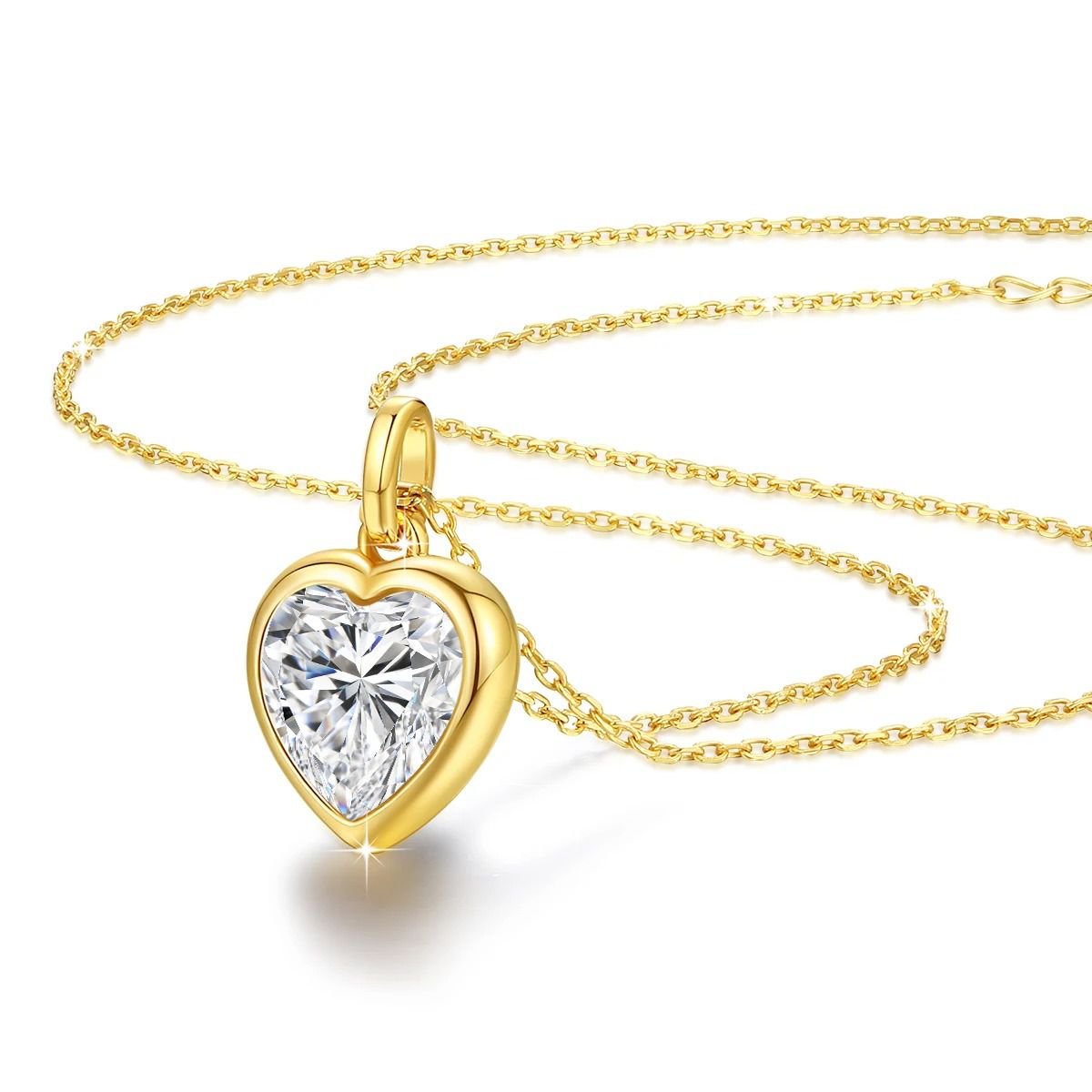
The most interesting retail development is the mix-and-match layering we are seeing. Brides wear a single freshwater pearl on an 18-inch chain, layered over a solitaire moissanite pendant on a shorter 16-inch chain. The contrast between soft pearl and bright stone gives the neckline depth without clutter. This is a genuine upsell: instead of one pendant, you are selling two chains that work together and separately.
Readers looking for length guidance can use our necklace chain length guide to recommend the right layering combination. The 16 and 18 inch pairing is the sweet spot for most bridal necklines.
Which necklines pearl pendants flatter
Pearl pendants are forgiving. A single pearl sits beautifully at the base of a V-neck, along the collarbone of a sweetheart, and against the open space of an off-the-shoulder gown. For strapless and bateau necklines, a shorter 16-inch chain frames the collarbone. For deeper V-necks, drop the pendant to 18 or 20 inches. Our guide on choosing a necklace by neckline covers the full matching logic if you want to walk a customer through it in the store.
Stocking strategy
You do not need a wall of pearls. A tight assortment of six to ten SKUs — white, cream, and blush pink freshwater pearls in 7 mm and 9 mm sizes, on yellow, rose, and white gold-plated chains — covers most bridal requests. Display one pendant layered with a moissanite solitaire so customers see the styling immediately. Pearls are a tactile sell; let brides feel the weight and roll the sphere between their fingers.
Price these as accessible keepsakes. The buyer is often a bridesmaid or a mother-of-the-bride looking for a gift, as much as the bride herself. That gift demand means pearl pendants sell outside wedding season too, especially around winter holidays and Mother's Day. Our piece on bridesmaid pendant gifts covers the bulk-gifting angle if you want to build a side display.
How to talk pearl quality
Customers will ask why one pearl costs twice another, so have a short answer ready. Four factors drive price: luster, surface, shape, and size. A pearl with deep, mirror-like luster reads as expensive; a chalky, flat pearl reads as costume. Near-round freshwater pearls with clean surfaces and strong overtone sell at the top of the category, while slightly off-round pearls with gentle blemishes sell at an accessible price. You do not need to grade pearls like a gemologist, but you should be able to hold two pendants side by side and explain the difference in light reflection. That credibility turns a price objection into an education moment. Customers who understand what makes a pearl look luminous are also more likely to appreciate your care guidance, which sets the tone for every future purchase they make in your store.
Care messaging
Pearls are organic and slightly porous. Advise brides to put the necklace on after hairspray and perfume, and to wipe it with a soft cloth after wearing. Avoid ultrasonic cleaners. A short printed care card turns a simple pendant into a considered purchase, and it signals that your store understands fine jewelry. Pair that care card with your standard jewelry cleaning guidance so customers have a single reference for all their bridal pieces.
The takeaway
Freshwater pearl pendants are not replacing moissanite. They are complementing it. Brides want softness now as much as sparkle, and a well-chosen pearl pendant delivers that at a price that encourages multiple purchases. Add a small, curated assortment, layer it on a display bust, and watch it become one of the easiest gift sales in your case. It pairs naturally with every other bridal category you already stock, so the upside is almost pure margin.
Independent background on moissanite — how its hardness and refractive index compare with diamond — is documented in the Wikipedia article on moissanite.
Frequently Asked Questions
Which chain lengths should I stock first?
16 to 18 inch covers most necklines and gift purchases. Add 20 inch for layering sets and 24 inch for pendant lines.
Are your chains nickel-free and hypoallergenic?
Yes. Sterling silver is 92.5% silver; stainless lines use 316L. Both are nickel-safe for reactive customers when plated correctly.
Can necklaces be personalized?
Laser engraving on pendants and clasps is available from 50 pieces, with 3–5 day turnaround on the engraving step.
What is the bulk lead time?
15–20 days under 500 pieces; 25–30 days for custom pendants or new molds.
Send your spec sheet — stone, cut, size, plating and quantity — and we will return a costed timeline.
Ask the workshop