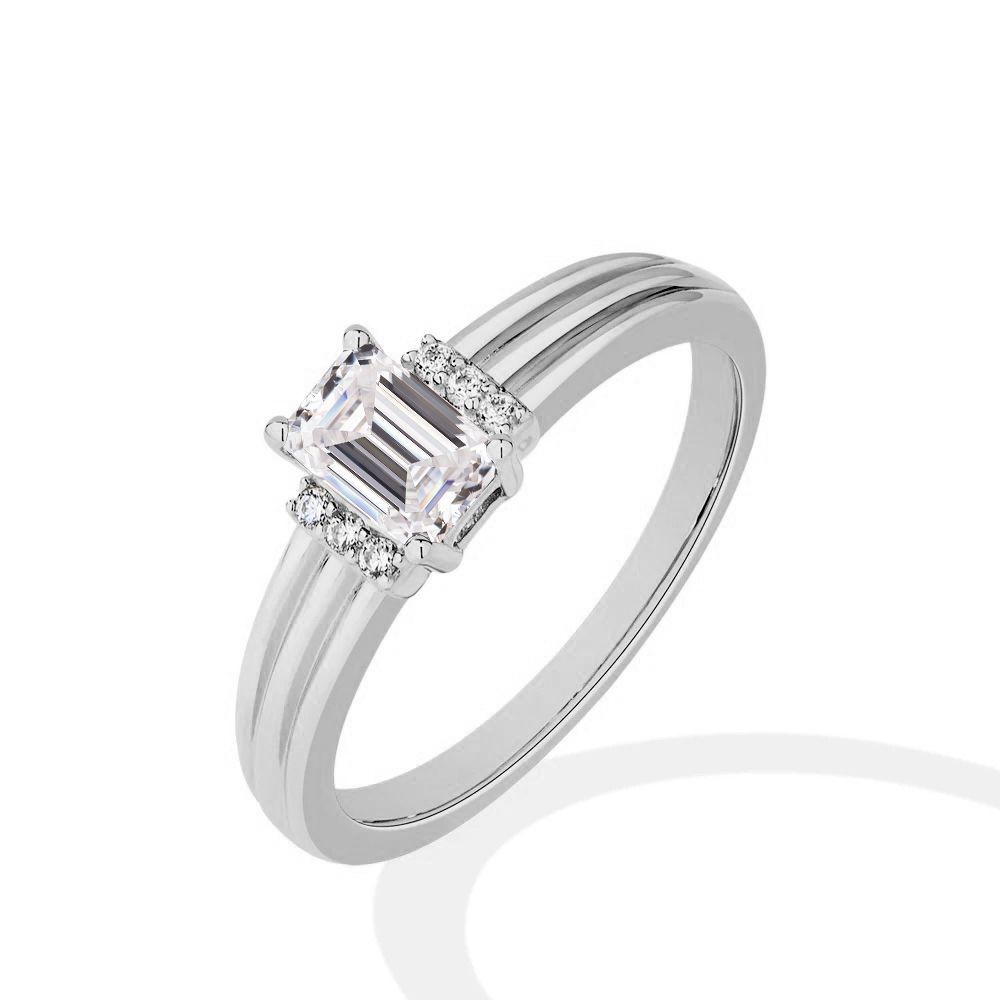
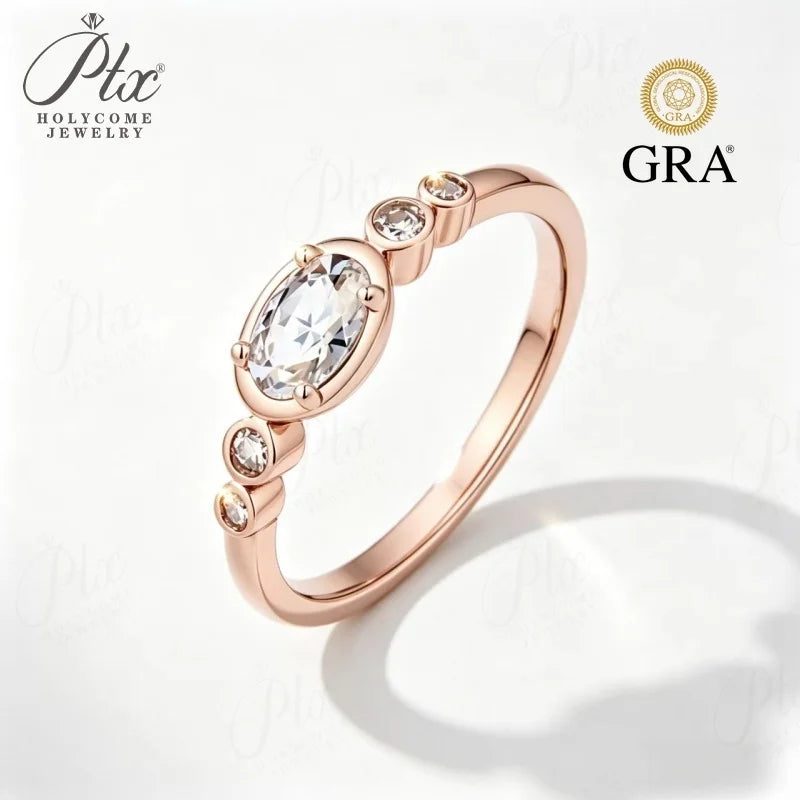
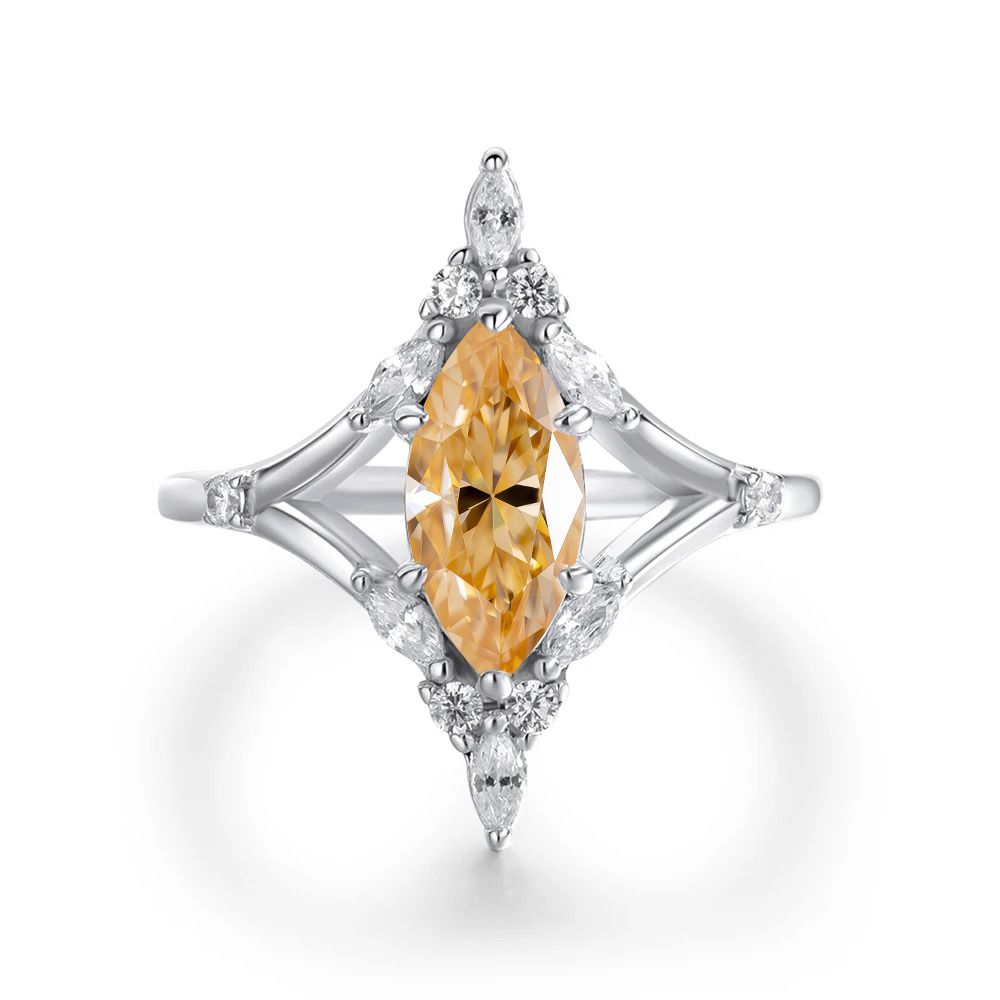
Engagement Rings
Solitaire vs Halo Engagement Ring Settings: Which Flatters Your Hand?
A retail floor manager told us last quarter that 62% of her first-time engagement shoppers walk in asking some version of "solitaire or halo?" She had noticed that the couples who made the fastest, happiest decisions were the ones who came in already understanding what each setting actually does to the stone. This article is that pre-visit briefing.
What a solitaire actually does
A solitaire uses a single center stone held by three to six prongs, usually on a plain shank 1.5 to 2 mm wide. Its job is to put all visual attention on the center stone: its cut, its clarity, its sparkle. The classic round four-prong solitaire leaves 75% of the crown exposed, which maximizes brilliance. It is also the easiest setting to clean, resize, and pair later with a straight wedding band. The reference point for how a round stone should perform is GIA 4Cs; if your center stone is lab-grown or moissanite, the same cut criteria apply.
What a halo actually adds, and costs
A halo surrounds the center stone with a ring of small accent stones, typically 0.5 to 1.5 mm each, set in pave or bead settings. Measured face-up, a 1-carat center in a 2 mm halo reads visually like a 1.35 to 1.45 carat stone, roughly a 35-40% size boost at a fraction of the price of upgrading the center diamond. That is the upside. The downsides are real: pavé edges catch on sweaters and hair, micro-prongs loosen over five to seven years and need inspection, and a halo can date faster than a plain solitaire. If you love the look, a thin "micro-halo" ages better than a thick double halo.
Which flatters which hand
We suggest a quick try-on rule set. Long, slender fingers carry either well, but a solitaire elongates while a halo widens. Short or wide fingers benefit from an oval solitaire on a slender shank; the continuous line lengthens the finger. For hands that do rough work, textile, catering, lab, gym, a solitaire with six rounded prongs is more forgiving than a halo, because there are fewer edges to snare. Shape choice compounds this: read oval vs. round on the hand before you commit, and when the wedding band arrives, learn how contour bands sit against a solitaire so you do not end up with a gap.
Lifestyle and resale
A clean four-prong solitaire is the most adaptable setting for resale, resetting, or upgrading the center stone later. A halo is harder to reset cleanly because the surrounding stones are built into the head. If resale or future reset matters, the solitaire wins on flexibility; if perceived size at a budget matters, the halo wins on optics.
Pavé, micro-pavé, and bead-set differences
Not all halos are equal. Pavé uses small prongs between each accent stone; micro-pavé uses beads under a microscope and sits closer to the skin; bead-set stones are pressed into round cups and feel smoother against hair. Micro-pavé reads the cleanest in close-up photos but is the hardest to repair. Bead-set is the most durable for active brides. Ask which one you are buying, because the price difference between the same-looking halos can be 30%.
Center stone size trade-offs
A 1ct center in a halo looks larger than a 1.2ct center alone, but the halo adds 1.5-2.5mm of total ring diameter, which can overwhelm a narrow finger. On a size 4-5 finger, keep the halo under 1.5mm wide; on a size 7+, a 2mm halo balances the proportion. If you already know your shape preference, oval vs round changes how the halo wraps around the center.
FAQ
Does a halo make the center stone look smaller over time?
No, but the halo ages visually. The accent stones stay the same size, so the center always reads proportionally smaller next to them than it did on day one. A solitaire, by contrast, never stops making the center stone the whole story.
Can I turn a solitaire into a halo later?
Usually yes, by swapping the head at a bench cost of $150-$350, provided the shank width supports the new head. Going the other direction, removing a halo, means rebuilding the head and losing the accent stones.
How many prongs are best on a solitaire?
Four prongs show more of the stone and maximize sparkle; six prongs grip the stone more securely and are safer for active lifestyles. For moissanite specifically, six rounded prongs are our default recommendation because the stone is slightly softer than diamond.
Do halos work with pear or marquise centers?
Yes, and a halo can soften the pointy ends of a pear or marquise. Keep the halo thin (under 1.2 mm) so it does not compete with the center's silhouette. Pairing with a band is covered in bridal sets explained.
Bridal CTA: Every HOLYCOME solitaire and halo ships in platinum or 14k white gold with a 1.6 mm comfort-fit shank, and you can add a matching band as a set and save 15-25% versus buying separately. Try it on for 30 days, risk-free.
Frequently Asked Questions
What ring sizes can you supply in bulk?
US sizes 5–12 including half sizes. Send a size breakdown with your order and we cast to that curve; comfort-fit inner bands reduce resize requests.
Can I order a mixed size run instead of one size?
Yes. Mixed runs are standard for wholesale: specify quantity per size and we pack and label by size at no extra labor cost.
What is the MOQ for custom ring designs?
50 pieces per design for existing molds; 100–300 pieces when a new mold or CAD model is required.
How should I price rings for retail margin?
Most partners use a 3–4x markup on FOB cost for sterling and 2.5–3x for moissanite solos, which keeps landed cost under 30% of retail.
Send your spec sheet — stone, cut, size, plating and quantity — and we will return a costed timeline.
Ask the workshop