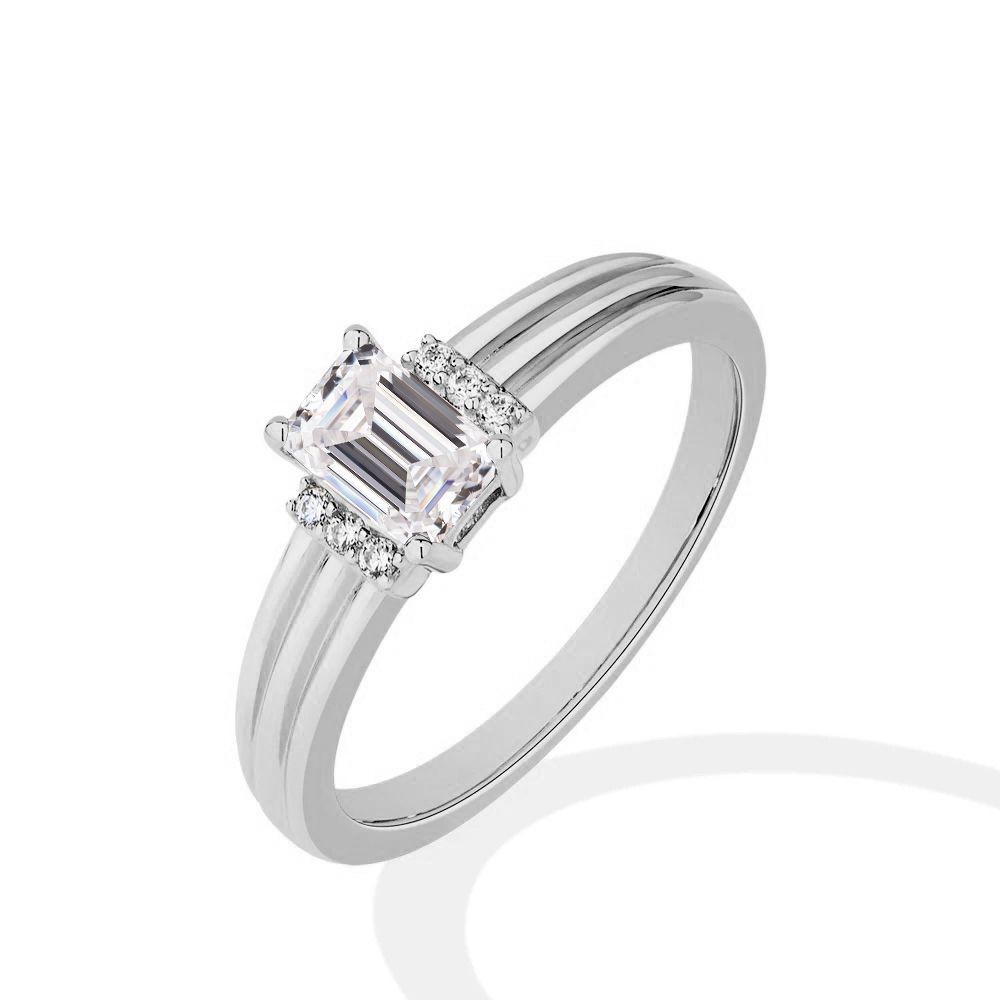
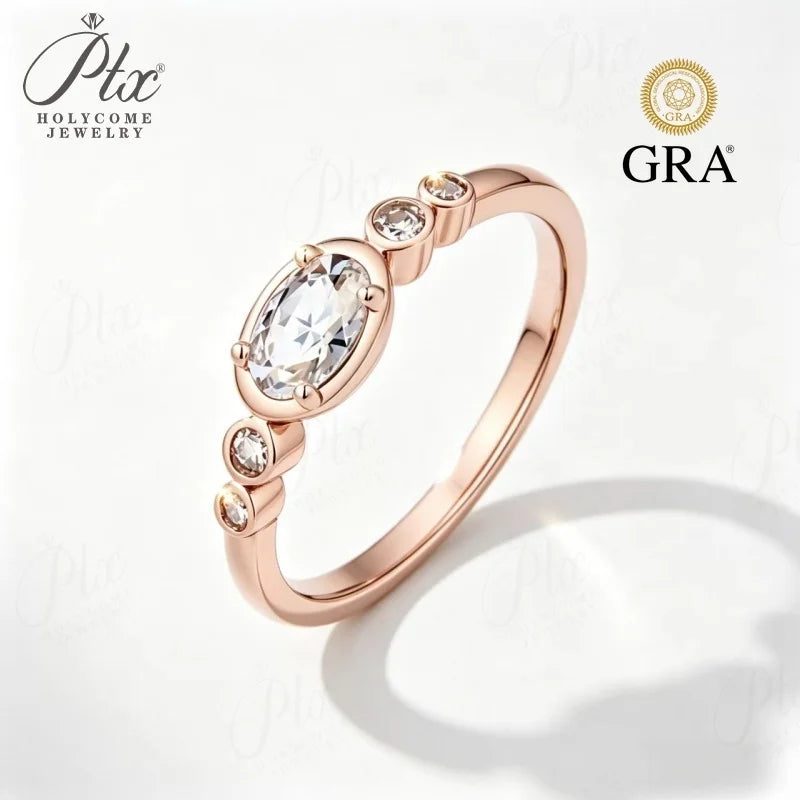
Engagement Rings
Floral & Botanical Motif Engagement Rings: The 2026 Trend
Walk into any bridal showroom and the conversation has shifted. Brides still ask for solitaires and halos, but a fast-growing number now say they want something with movement, texture, and meaning. That demand is driving the floral and botanical engagement ring trend, where petals, leaves, vines, and blooming clusters take the place of a clean geometric setting. It is romantic, wearable, and instantly recognizable as "her" ring.
Why botanical motifs are having a moment
Several forces are converging. First, brides want individuality, and a flower head or leafy shank is hard to mistake for anyone else's ring. Second, vintage and heirloom aesthetics keep gaining ground, and Art Nouveau jewelry is famously full of flowing botanical forms. Third, social media rewards detail: a ring with hand-formed petals photographs gorgeously in flat lays and close-ups. When a design checks all three boxes, it moves from a custom request to a stocked style fast.
The range of floral designs, from subtle to statement
At the quiet end, a ring might have a single diamond at its center with two small leaf accents on the shoulders, or a halo shaped like a flower instead of a perfect circle. At the dramatic end, the entire setting is a blooming cluster of stones and metal, with petals fanning around the center like an open rose. There is a design for every comfort level, which is why this trend works across price points and age groups.
Cluster-style floral settings borrow from the look of halo engagement rings but soften the geometry. Instead of a tight ring of round stones, the halo becomes organic, uneven, and petal-shaped. This is a useful bridge for a bride who likes the sparkle of a halo but finds it too perfect or modern.
Stone choices that read "botanical"
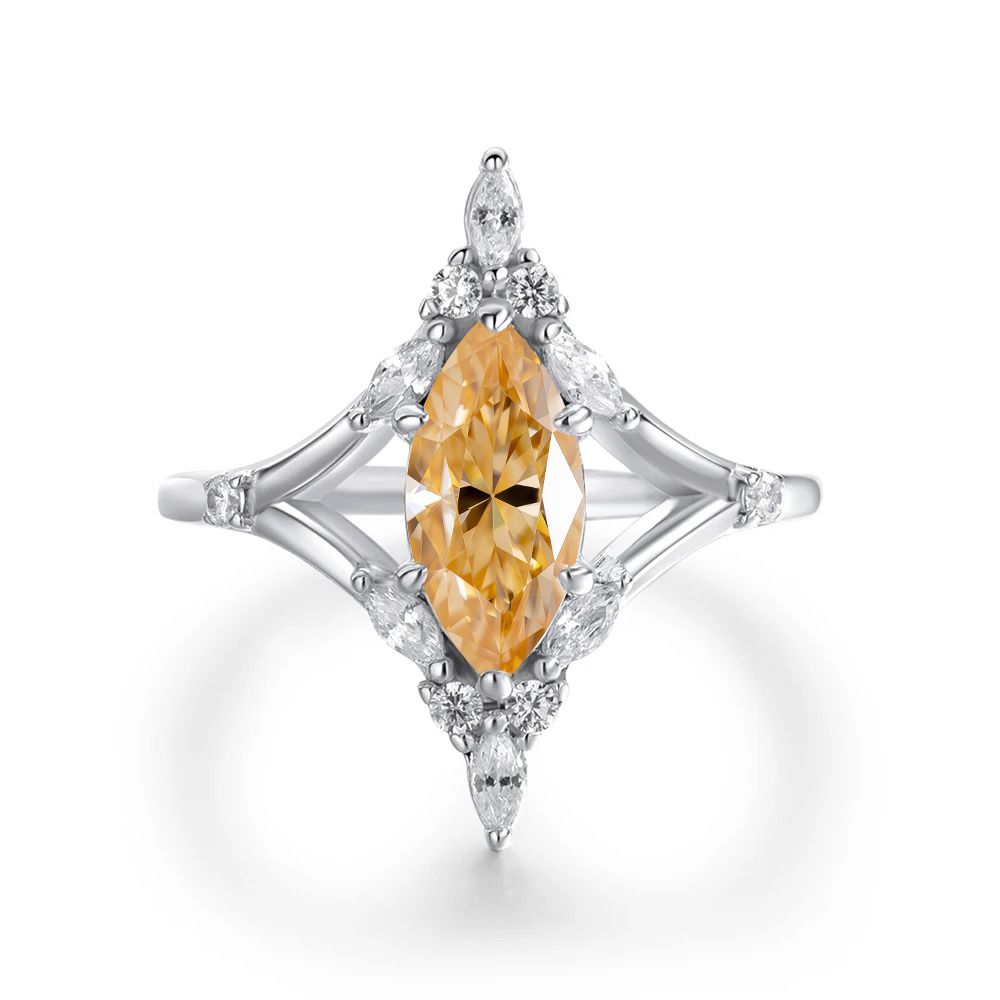
Round brilliants do the heavy lifting for petals because they mimic the roundness of flower centers. Pear and marquise cuts make convincing leaves when set point-first, and they add a splash of light along the branch. A touch of colored stone—a soft green sapphire for leaves or a champagne stone for the flower center—adds depth without overwhelming. For customers comparing cuts, our moissanite stone size guide helps them visualize how large each petal will actually read.
Metal finish matters as much as the motif
An antiqued or matte finish makes the design feel cast from a real plant, while a high-polish finish makes it modern and bright. Rose gold is the natural partner for a floral theme because it echoes a blush petal. Yellow gold leans vintage. Platinum reads sleek and contemporary. When you stock these, offer the motif in more than one finish so a bride can match her everyday jewelry rather than start a new metal wardrobe.
Pricing and merchandising the trend
Botanical rings often carry a craft premium because the setting is hand-finished, not cast in a rigid mold. Frame that as value: a one-of-a-kind-looking ring at a moissanite price point. Display them near the window where natural light catches the detail, and pair each one with a coordinating matching wedding band so the sale starts as a set. The brides who ask for these rarely walk out with a plain band—they want the whole garden.
Adding a touch of color
While a white moissanite center is always elegant, a whisper of color is what pushes a floral ring from pretty to unforgettable. A green sapphire or tsavorite leaf reads as fresh foliage, a peach or pink stone reads as a petal, and a champagne stone warms the whole cluster. You do not need much—two or three tiny accent stones are enough to tell the story.
Caring for detailed settings
More surface area and more little crevices mean lotion and soap build up faster in a floral setting. Advise a quick soft-bristle brush with warm, soapy water every few weeks, and a professional ultrasonic or steam clean once or twice a year. Because small accents sit in delicate prongs, check those prongs at each cleaning. A routine inspection keeps a tiny leaf accent from going missing—and keeps the ring looking as lush as the day it was bought.
Pairing it with a wedding band
Because a floral setting often has a busier, uneven shank, a straight band may not sit perfectly flush. Many brides love the contrast and wear a slim plain band anyway, but if a seamless fit matters, plan for a contour band made to follow the ring's outline. Either choice is legitimate—the goal is that the bride picks it on purpose. Done thoughtfully, her floral engagement ring and band will feel like a single growing thing on her finger, year after year.
For a bride who wants her ring to carry the feeling of a garden, a birthday, a favorite flower, or a place that matters, the botanical trend delivers meaning without shouting it. It is romantic, feminine, and quietly distinctive—the kind of ring that draws a second look and a question about where she found it. That word-of-mouth is the best advertising any bridal design can get.
Independent background on moissanite — how its hardness and refractive index compare with diamond — is documented in the Wikipedia article on moissanite.
Frequently Asked Questions
What ring sizes can you supply in bulk?
US sizes 5–12 including half sizes. Send a size breakdown with your order and we cast to that curve; comfort-fit inner bands reduce resize requests.
Can I order a mixed size run instead of one size?
Yes. Mixed runs are standard for wholesale: specify quantity per size and we pack and label by size at no extra labor cost.
What is the MOQ for custom ring designs?
50 pieces per design for existing molds; 100–300 pieces when a new mold or CAD model is required.
How should I price rings for retail margin?
Most partners use a 3–4x markup on FOB cost for sterling and 2.5–3x for moissanite solos, which keeps landed cost under 30% of retail.
Send your spec sheet — stone, cut, size, plating and quantity — and we will return a costed timeline.
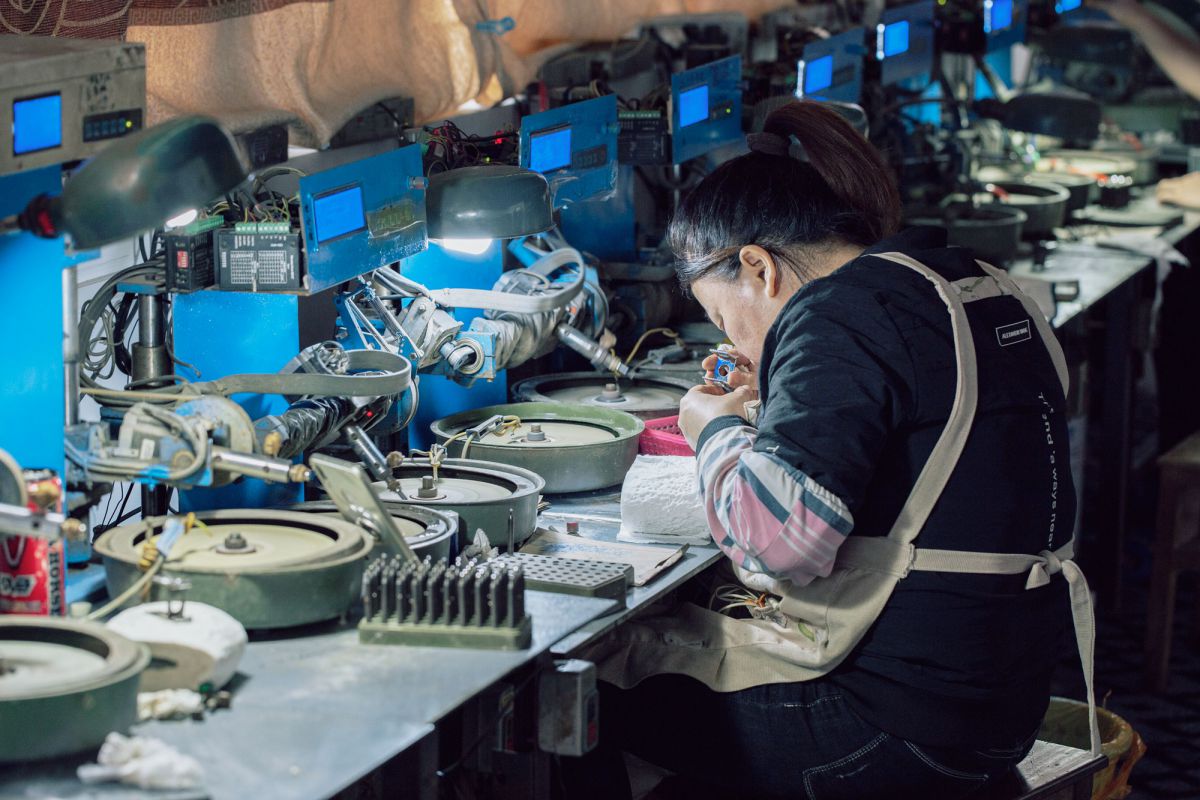
Ask the workshop