Engagement Rings
Engagement Ring Metal Color Trends: What Boutiques Should Stock This Season
A decade ago, a boutique buyer could stock 80 percent white gold and assume it would sell. That math no longer holds. Metal color demand has fragmented, and the shops that win are the ones that read the local clientele rather than the national feed. Here is how to think about the four colors in front of you.
White gold is still the base, but it is no longer the default
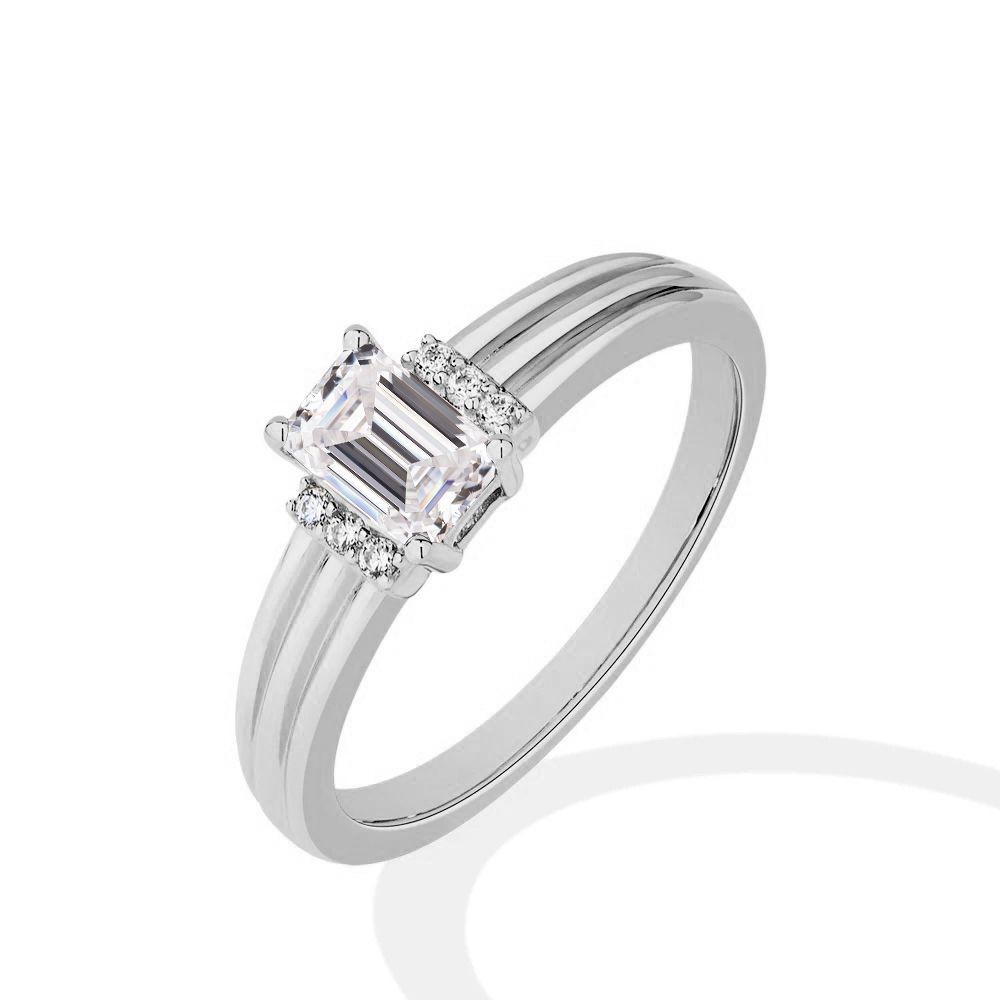
White gold and platinum remain the volume play. Clients who want a "classic" engagement ring still expect a white metal, and solitaire and halo settings in 14k white gold still move through the case fastest. Keep roughly half your engagement ring inventory in white metals, but watch the karat. Fourteen-karat white gold resists the knocks of daily wear better than 18k, and it rhodium-refreshes cleanly, which matters for a piece a client will wear for decades.
Yellow gold has come back as a statement, not a standard
Warm yellow gold is no longer a "vintage" niche. It now shows up in modern slim-band solitaire settings, east-west ovals, and bezel-set everyday rings. The clients buying it tend to be 25 to 35 and styling with stacked bands, not brides who want a family heirloom look. Stock yellow gold in slimmer band widths (1.8 to 2.2 millimeters) rather than the heavy 4-millimeter vintage style; that is the silhouette moving now.
Rose gold: keep it, but keep it small
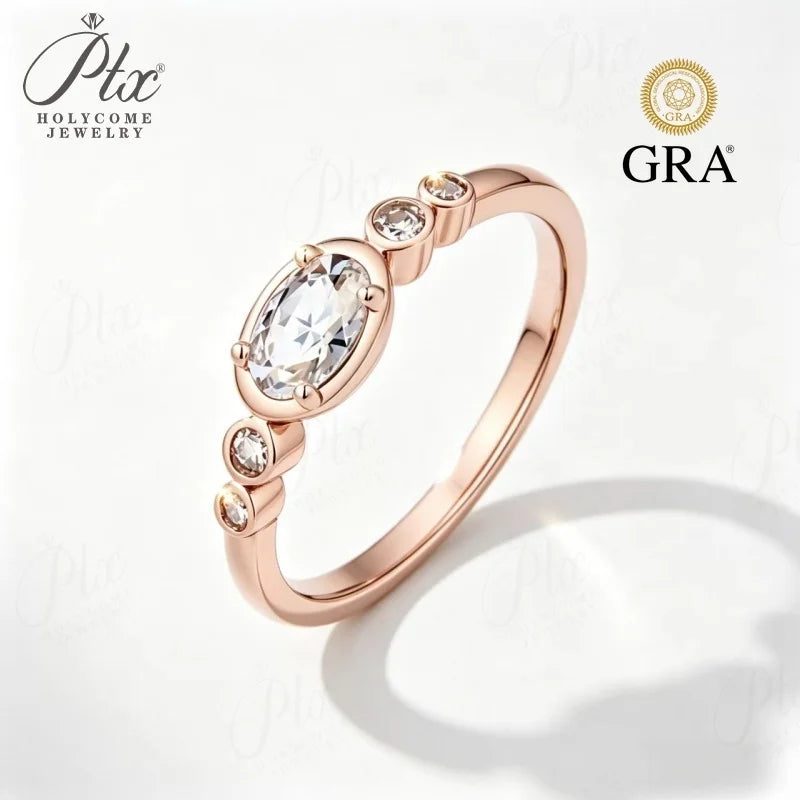
Rose gold peaked a few seasons ago and has settled into a steady mid-tier demand. It sells well to clients who want something softer than yellow and warmer than white, and it photographs beautifully against moissanite. Do not overbuy it. A 10 to 15 percent allocation is enough unless your local clientele skews younger. The mistake retailers made in 2021 was treating rose as a permanent shift; it is a palette, not a category.
Two-tone is the growth SKU most buyers understock
The most underrated move in the case right now is the two-tone ring: a white gold head holding a center moissanite, with a yellow or rose gold shank. It solves the color argument a couple has at the counter, and it reads as custom without a custom price. Boutiques that have tried two-tone solitaire and halo settings report faster average ticket because clients treat it as a deliberate choice rather than a compromise. Allocate 15 to 20 percent of your next buy to two-tone, and lead with it in your window display.
How to test demand before you commit cash
If you are unsure how much yellow gold vs white gold your local market wants, do not guess with a 30-unit order. Buy 3 pieces of each color in the same setting style and put them in the case for 60 days. Track which ones clients try on, not just which ones sell. Try-on rate is the leading indicator; sell-through lags it by a season. Reorder the color that gets tried on most, and stop reordering the one that sits untouched.
Repair reality: talk about rhodium and alloy up front
White gold needs a rhodium refresh every 18 to 24 months to stay bright. Rose gold alloys can darken slightly with skin chemistry. Yellow gold scratches more visibly but polishes out. Your sales staff should know these differences, because a client who asks "which metal lasts longest" is really asking which one requires the least thought. Be honest: white gold needs occasional servicing, yellow gold needs polishing, and platinum needs neither but costs more up front.
Alloy choice affects resizing and reorders
When you stock metal color, remember that 14k and 18k resize differently. Fourteen-karat bands are stiffer and resize cleanly through a wider range; 18k is softer and can crack if sized more than one full size. For a boutique that expects heavy resize traffic, lean 14k. Also note that white gold rhodium wears off faster on rings that see hand-washing; your aftersales schedule should reflect that. These are small details, but they determine whether a reorder comes back to you or whether the client walks to a jeweler who handles resizing in-house.
Finish matters as much as color. A polished yellow gold band reads one way; a brushed yellow gold band reads as contemporary. When you stock yellow gold, buy half polished and half brushed so you can show the range without doubling inventory. The brushed finish is the one clients under 30 tend to pick, and it is the finish most boutiques understock. If your supplier only offers polished, ask whether a brushed finish is available at a small upcharge; it is usually a finishing step, not a different casting.
Balance your engagement case around a white-metal core, a deliberate yellow-gold modernist push, a small rose-gold buffer and a growing two-tone section. Watch try-on data, not press releases. See our engagement ring line for the settings buyers are reordering this quarter.
Rhodium plating, which gives white gold jewelry its bright finish, is covered in the Wikipedia article on rhodium.
Frequently Asked Questions
What ring sizes can you supply in bulk?
US sizes 5–12 including half sizes. Send a size breakdown with your order and we cast to that curve; comfort-fit inner bands reduce resize requests.
Can I order a mixed size run instead of one size?
Yes. Mixed runs are standard for wholesale: specify quantity per size and we pack and label by size at no extra labor cost.
What is the MOQ for custom ring designs?
50 pieces per design for existing molds; 100–300 pieces when a new mold or CAD model is required.
How should I price rings for retail margin?
Most partners use a 3–4x markup on FOB cost for sterling and 2.5–3x for moissanite solos, which keeps landed cost under 30% of retail.
Send your spec sheet — stone, cut, size, plating and quantity — and we will return a costed timeline.
Ask the workshop