Engagement Rings
Engagement Ring Insurance & Appraisal: What Brides Actually Need
You just said yes. The ring is on your finger, the photos are posted, and life moves on. What most couples skip in that excitement is the boring paperwork that actually protects the ring. A lost or damaged engagement ring is not a rare scenario — it happens to people every year, usually in the most ordinary ways. A door handle, a hotel sink, a gym bag, a late-night kitchen. Insuring the ring costs a fraction of what replacing it would, and the process is far simpler than it sounds.

Why a receipt is not the same as an appraisal
Many couples assume the store receipt is enough. It is not. A receipt shows what you paid. An appraisal states what the ring is worth today in the open market, which is the number your insurer will use. Retail markup, changing metal prices, and the gap between wholesale and replacement cost all mean the two figures can diverge. If your ring is ever lost, a receipt-only claim often settles at the original purchase price, not the cost of replacing the ring with a comparable piece in the current market.
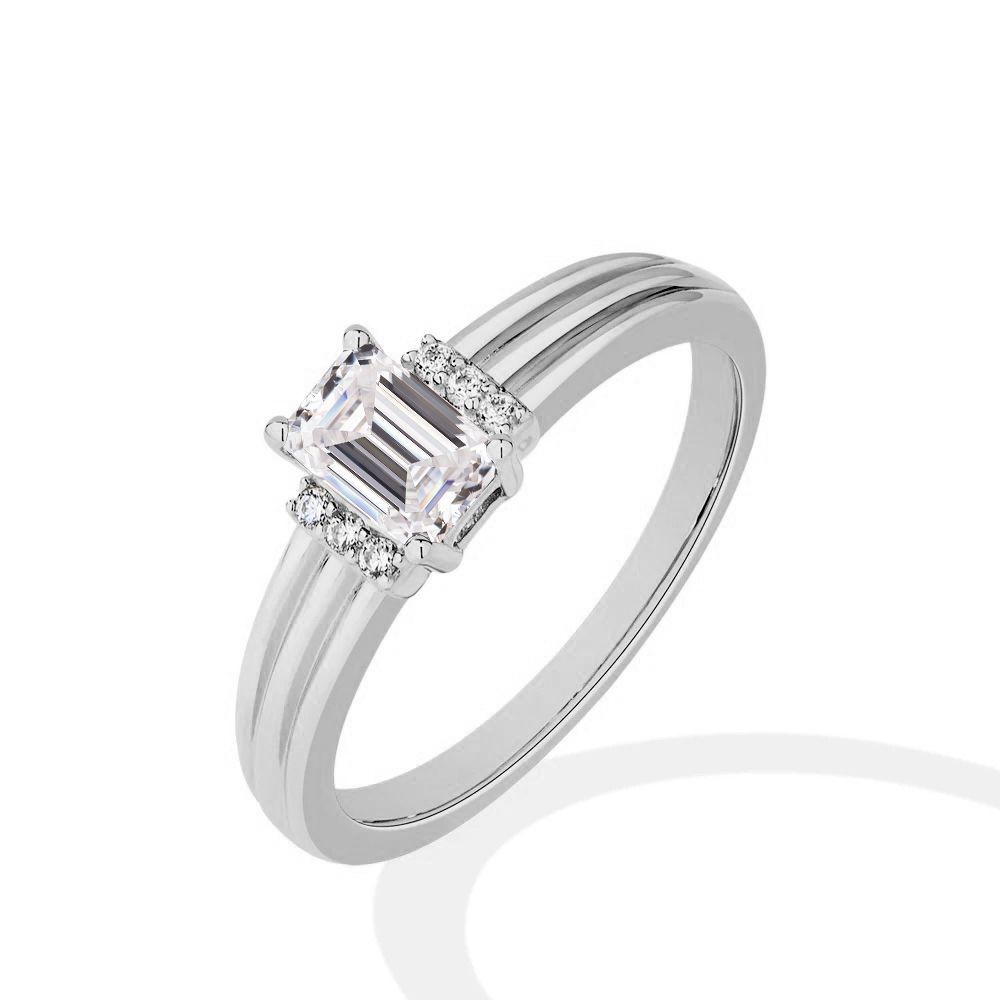
For a moissanite center stone, the appraisal should note the stone’s carat equivalent, exact millimeter dimensions, cut, color grade, and clarity, along with the GRA or other lab report number. A reputable jeweler will write this into the document rather than leaving the center stone described generically as “white gemstone.” That level of detail matters when a claims adjuster is deciding what a replacement should actually cost.
Replacement value vs. actual cash value
Insurance policies use two main valuation methods. Actual cash value depreciates the ring over time, which is rarely what you want for jewelry that holds sentimental value. Replacement value pays to replace the ring with a comparable one at today’s prices. When you ask for a quote, confirm in writing that the rider is written on a replacement-cost basis. For a deeper look at how a moissanite ring compares on value to a mined diamond, see our guide on moissanite vs. diamond engagement rings.
How to add the ring to your policy
Most homeowners or renters insurance policies already cover jewelry, but only up to a low sub-limit — often around $1,500. That is nowhere near enough for an engagement ring. The fix is a scheduled personal property endorsement, sometimes called a “floater.” You list the ring by description and value, pay a small additional premium, and the ring is then covered against theft, loss, mysterious disappearance, and often accidental damage.
Expect to pay roughly one to two percent of the ring’s value per year. A $5,000 ring typically costs around $50 to $100 annually to schedule. Standalone jewelry insurers also exist and are worth comparing, especially if you rent, travel often, or live in a city where theft risk is higher.
What the appraisal should include
A competent appraisal document lists the metal type and karat, ring weight, center stone measurements and grading, side stones, hallmarks, and a clear description of the setting. It should be signed by a qualified gemologist or appraiser and dated. If you resized the ring or had it serviced later, keep those receipts too — they support the documented history of the piece and can speed up a claim.
When to update the appraisal
Plan to re-appraise the ring every two to three years, or whenever metal prices move sharply. A ring bought five years ago may now cost noticeably more to replace. If you upgraded the center stone, added side stones, or reset the ring entirely, update the appraisal immediately so the insured value matches reality. Under-insuring is the most common and most expensive mistake couples make.
What is usually excluded
Read the fine print. Many policies do not cover normal wear and tear, damage from unapproved resizing, or loss caused by a clearly unsafe act. If you plan to travel with the ring, confirm that international loss is covered. Some policies require the ring to be locked in a hotel safe rather than left unattended, and will deny claims if it is stolen from an unsecured beach towel.
Beyond the paperwork
Insurance is the safety net, not the lifestyle. Take the ring off before swimming, lifting, gardening, or applying heavy lotion. Store it in a padded pouch when you travel, and never leave it on a hotel sink. If you are still deciding on a ring size before the proposal, our article on how to measure ring size at home can help you get it right the first time.
The goal is not to live in fear of the ring. It is to make sure that if the worst happens, the financial side of the problem is already solved — so you can focus on the people, not the paperwork.
The Gemological Institute of America’s gem encyclopedia is an authoritative, widely cited reference on moissanite and diamond quality factors.
Frequently Asked Questions
What ring sizes can you supply in bulk?
US sizes 5–12 including half sizes. Send a size breakdown with your order and we cast to that curve; comfort-fit inner bands reduce resize requests.
Can I order a mixed size run instead of one size?
Yes. Mixed runs are standard for wholesale: specify quantity per size and we pack and label by size at no extra labor cost.
What is the MOQ for custom ring designs?
50 pieces per design for existing molds; 100–300 pieces when a new mold or CAD model is required.
How should I price rings for retail margin?
Most partners use a 3–4x markup on FOB cost for sterling and 2.5–3x for moissanite solos, which keeps landed cost under 30% of retail.
Send your spec sheet — stone, cut, size, plating and quantity — and we will return a costed timeline.
Ask the workshop