Engagement Rings
An Engagement Ring for an Active, Rugged Lifestyle
Not every bride wants a tall, glittering solitaire that catches every light in the room. A lot of brides spend their days at a climbing gym, on a trail, in a pottery studio, or at a construction site, and they want a ring that stays on their finger without being a liability. The good news is that active-friendly engagement rings are no longer a style compromise — they have become one of the most popular modern looks.
Why prongs are the wrong default
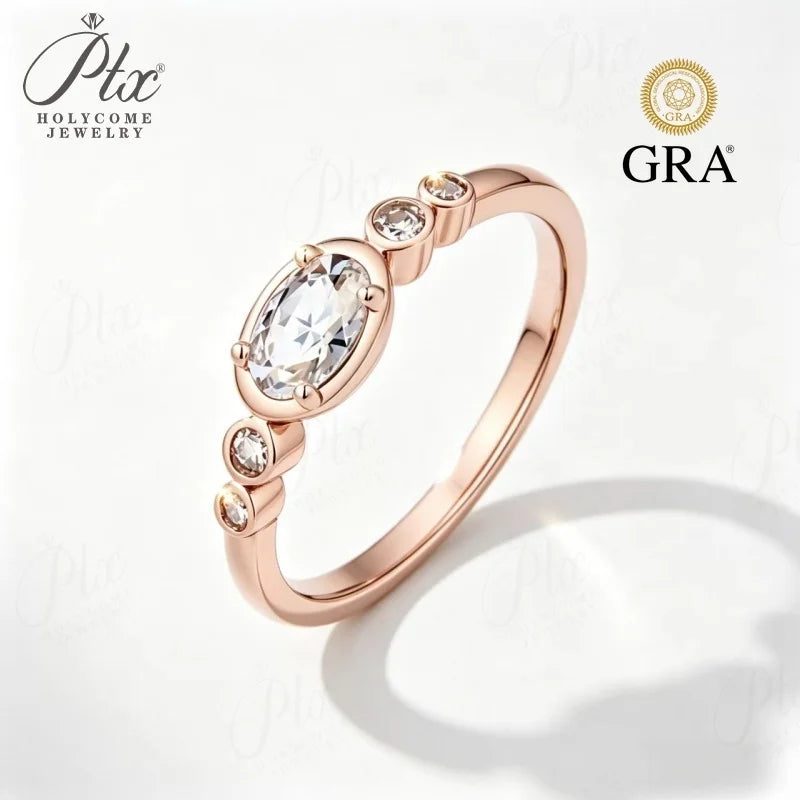
Tall prongs catch on everything — gloves, yoga mats, climbing ropes, dough, hair. They bend, they chip, and eventually a stone loosens. For an active wearer, the first rule of ring design is to keep the stone low and protected. A bezel setting wraps a thin rim of metal around the stone, so nothing catches on it. A flush or gypsy setting sets the stone directly into the band, almost level with the surface. Both read modern, minimalist, and quietly expensive.
Our setting guide on prong, bezel, and pavé settings compares these silhouettes so you can see which matches your daily life.
Shape matters for active hands
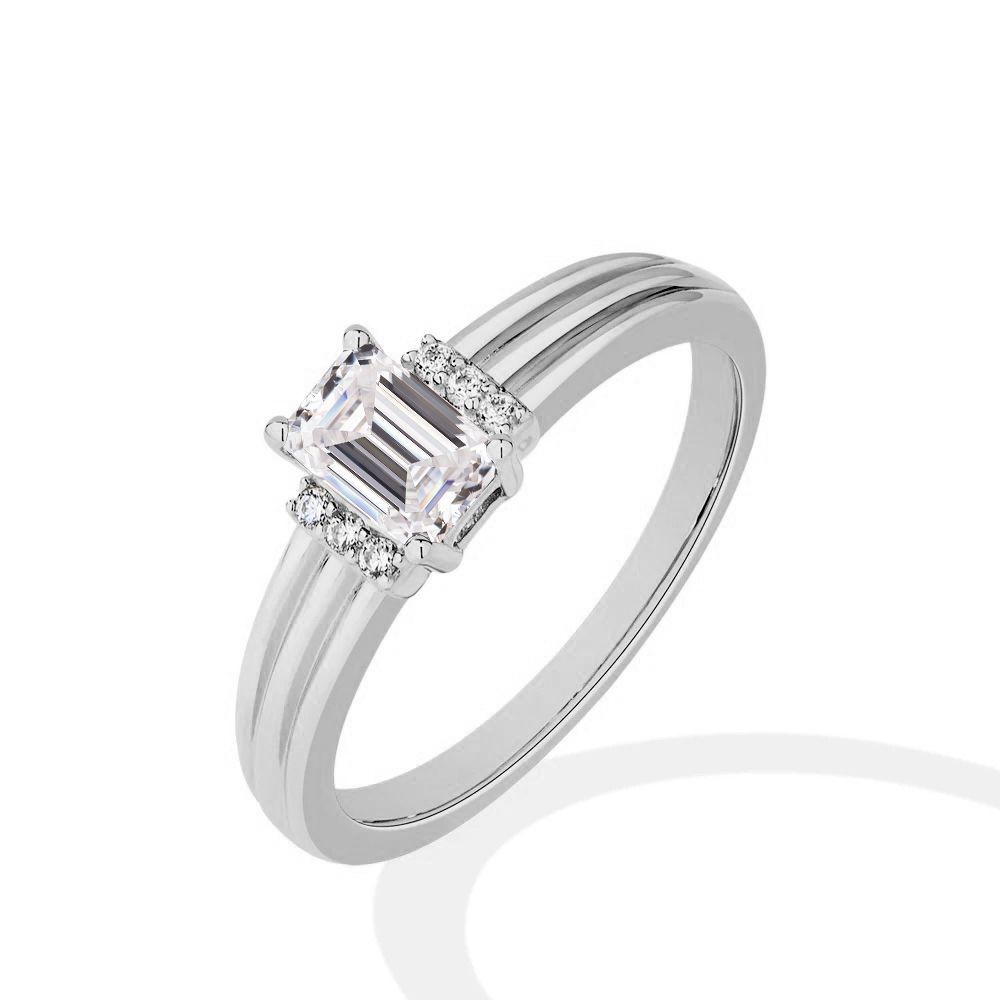
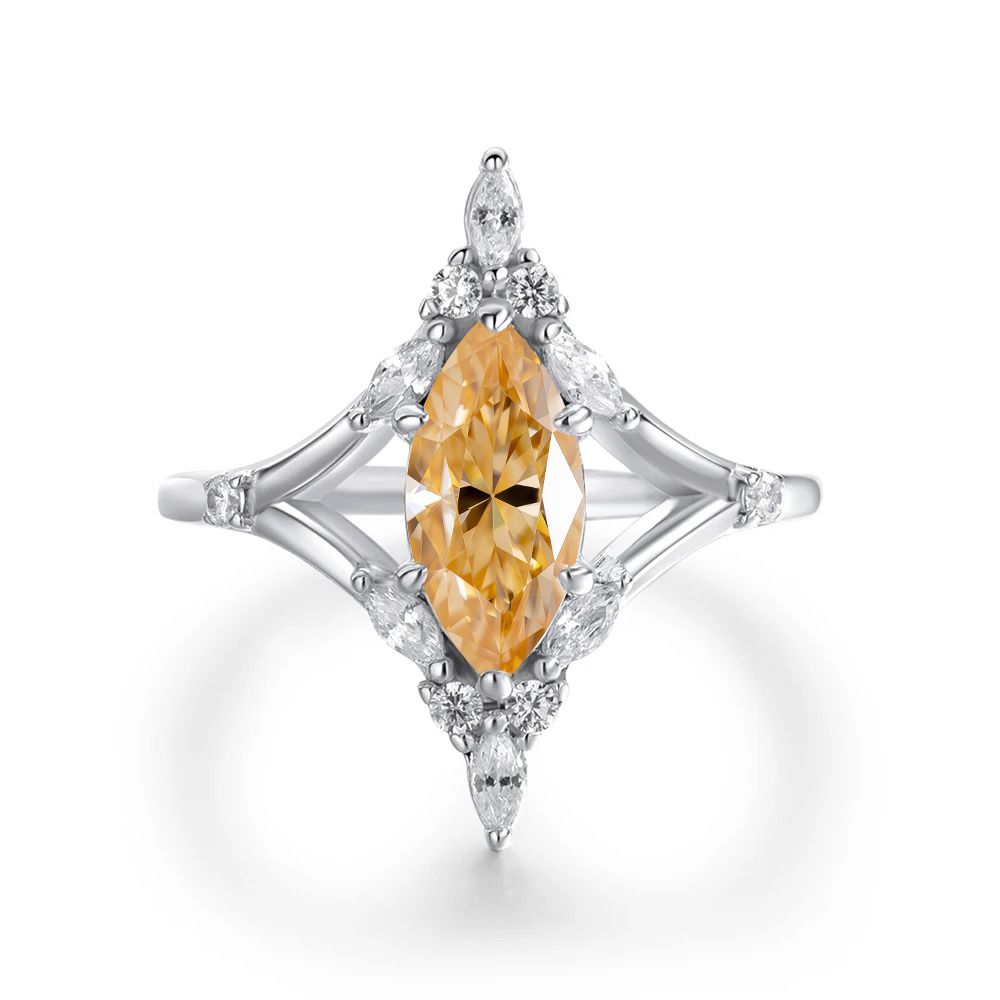
Elongated shapes like pear and marquise have tips that catch. Round, cushion, and bezel-set oval stones wear better on active hands. Emerald cuts look sleek but have corners that chip if hit hard. If you want a larger look without the height, a bezel-set oval or cushion in a slim band is the sweet spot.
Metals that take a beating
Platinum is the gold standard for durability — it wears down slowly rather than cracking, and it does not need rhodium plating. 14k gold is harder than 18k and holds up well. Avoid soft, thin bands under 2mm width for active wear; they bend. A 3 to 4.5mm band gives you the profile you want without the flex. For groom’s bands in the same category, our guide to tungsten and titanium men’s bands is a useful companion read.
Daily routine adjustments
Even the most durable ring benefits from a few habits. Take it off before lifting, rock climbing, or gardening. Store it in a single designated dish on your dresser so it never gets lost between activities. Wash it weekly with warm soapy water to keep dirt out from under the bezel. These thirty seconds a week add years to the life of the ring.
If you work out regularly, also think about how the ring interacts with gym equipment. Barbell knurling, kettlebell handles, and pull-up bars all catch on rings. Many gym-going couples simply train without the ring and put it back on afterward. This is not a compromise — it is the standard practice among people who actually lift, and it adds years to the life of any ring.
The silicone ring backup
Many active couples keep a thin silicone band for high-risk days — long runs, heavy lifting, hot yoga, surfing. The real ring lives in a small pouch. This is not a compromise; it is how people who actually wear their rings protect them. Some couples even wear the silicone band on vacation and the real ring back home. Silicone bands come in every finish now, so they look intentional rather than makeshift.
What to actively avoid
For an active lifestyle, skip tall cathedral settings, floating halos, and delicate pavé down the shank. All of these are beautiful on display, but they chip, catch, and loosen stones under regular wear. Skip thin bands under 2mm — they bend. Skip prong-heavy vintage styles unless you are prepared to retip prongs every year. A low, bezel-set, mid-weight band in platinum or 14k gold is the combination that just keeps working, year after year, without drama.
Travel and beaches
Sand and saltwater are hard on any ring. Sand acts like sandpaper between the ring and the finger, wearing down prongs and backs over time. Saltwater can accelerate corrosion on lower-karat alloys. On beach trips, swap to the silicone band and leave the real ring in the hotel safe. If you plan to travel often, our article on destination wedding moissanite sets touches on similar durability trade-offs.
If you have never worn a low-profile ring before, spend a week with a similar style before committing. Notice whether the band catches on sweaters, whether the setting feels bulky against a keyboard, and whether you forget you are wearing it. A ring you forget about is the right ring for an active life.
You do not have to choose between pretty and practical
Ten years ago, an active-friendly ring meant giving up on style. Today, low-profile bezels, offset solitaires, and embedded stones are runway trends in their own right. The ring that survives your life is also the ring you will actually wear — which, when you think about it, is the whole point. You are not choosing a ring to lock in a safe. You are choosing one to take with you, on trails, to the gym, and through every ordinary Tuesday that comes after the proposal. That is the ring worth saying yes to.
The Wikipedia article on rhodium explains why rhodium plating is applied to white gold and silver jewelry.
Frequently Asked Questions
What ring sizes can you supply in bulk?
US sizes 5–12 including half sizes. Send a size breakdown with your order and we cast to that curve; comfort-fit inner bands reduce resize requests.
Can I order a mixed size run instead of one size?
Yes. Mixed runs are standard for wholesale: specify quantity per size and we pack and label by size at no extra labor cost.
What is the MOQ for custom ring designs?
50 pieces per design for existing molds; 100–300 pieces when a new mold or CAD model is required.
How should I price rings for retail margin?
Most partners use a 3–4x markup on FOB cost for sterling and 2.5–3x for moissanite solos, which keeps landed cost under 30% of retail.
Send your spec sheet — stone, cut, size, plating and quantity — and we will return a costed timeline.
Ask the workshop