Engagement Rings
Getting Your Engagement Ring Appraised and Insured
Most couples spend weeks choosing the perfect engagement ring and five minutes thinking about what happens if it is lost, stolen, or damaged. That mismatch is understandable-the proposal feels like the milestone, and paperwork feels like a downer. But an engagement ring is one of the few possessions you wear outside daily, exposed to gym bags, hotel rooms, and summer vacations. A quick appraisal and insurance setup takes an afternoon and protects an emotional and financial investment for decades.

The process boils down to two things: getting the ring professionally valued, and getting it covered. Neither is complicated once you understand the vocabulary, and the annual cost is surprisingly modest compared with the peace of mind.
Why an appraisal matters
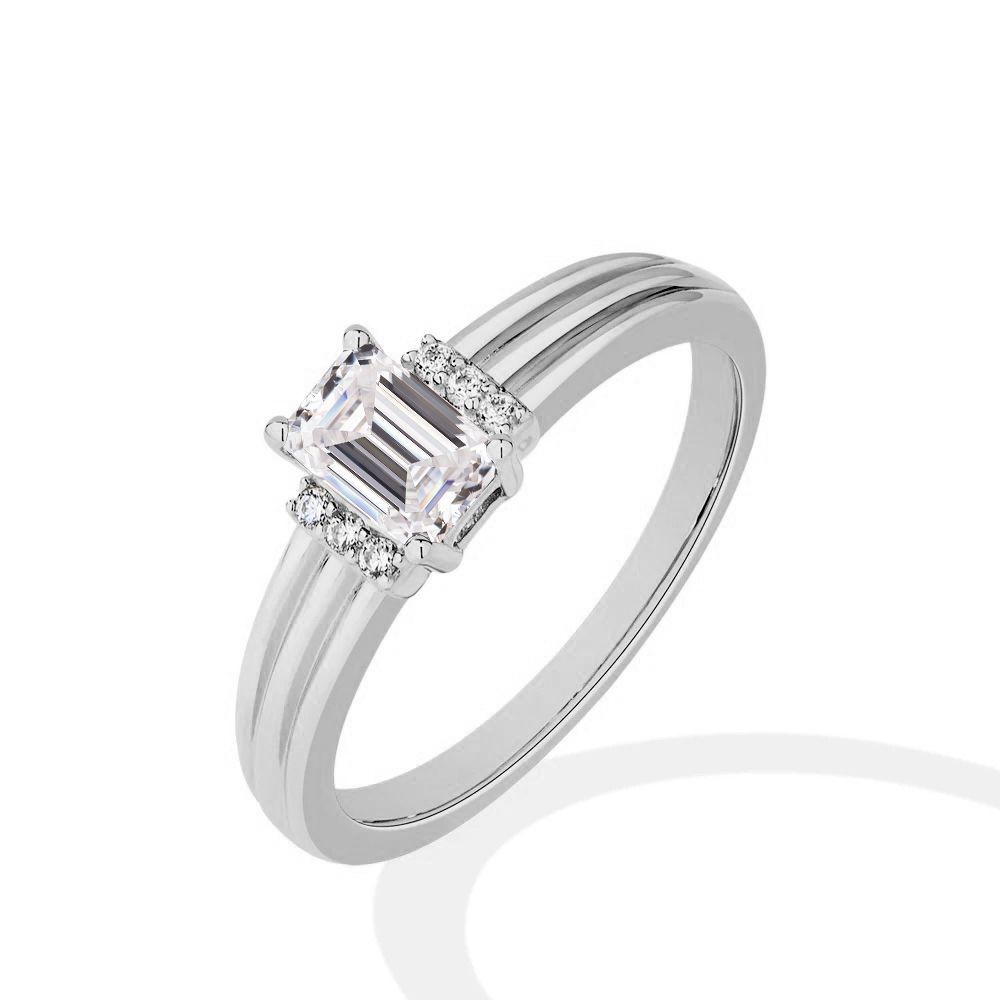
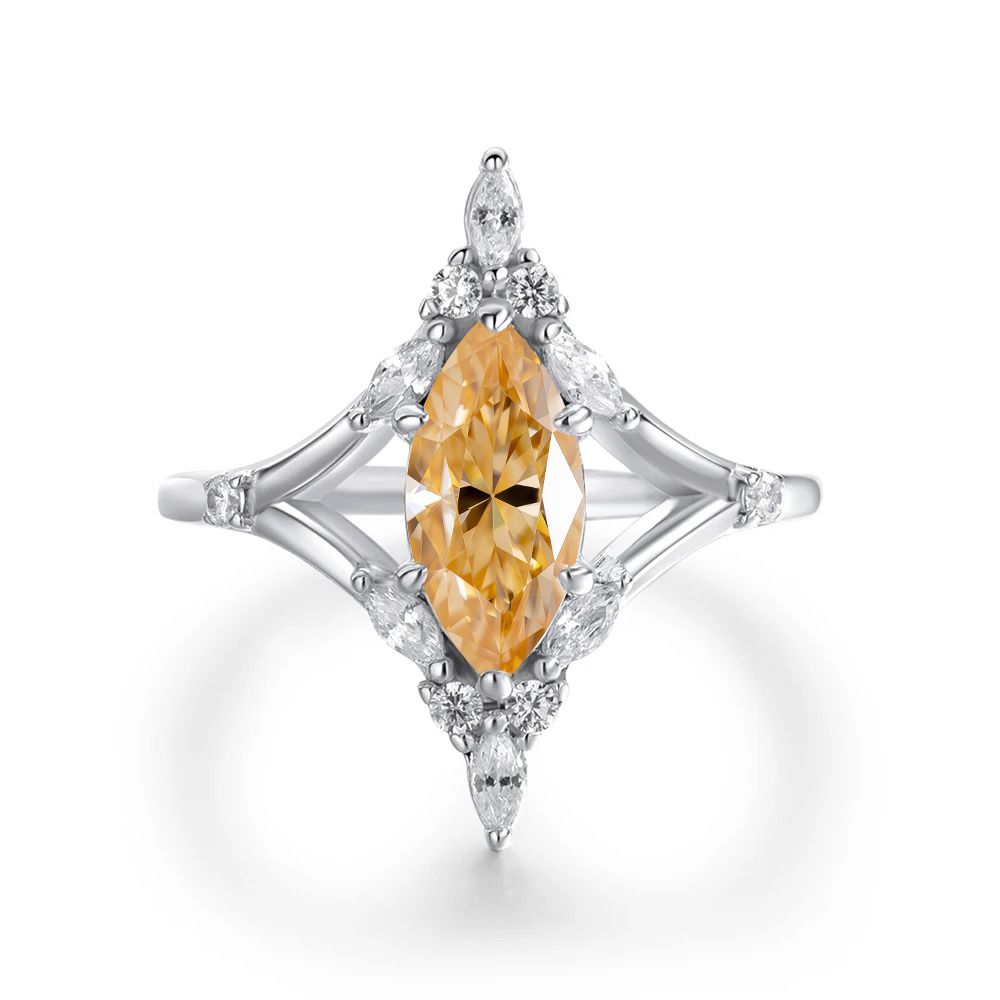
An appraisal is a documented assessment of your ring's retail replacement value. It lists the center stone's carat, cut, color, and clarity, describes the setting metal and any side stones, and states what it would cost to replace the piece at today's prices. Insurance companies rely on this document to decide how much coverage to issue and what premium to charge.
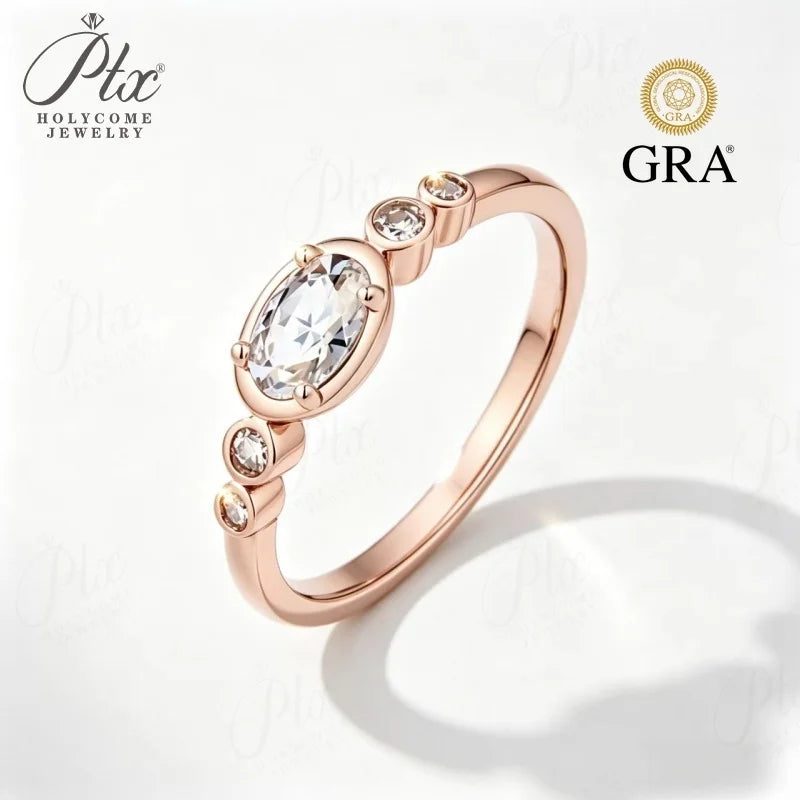
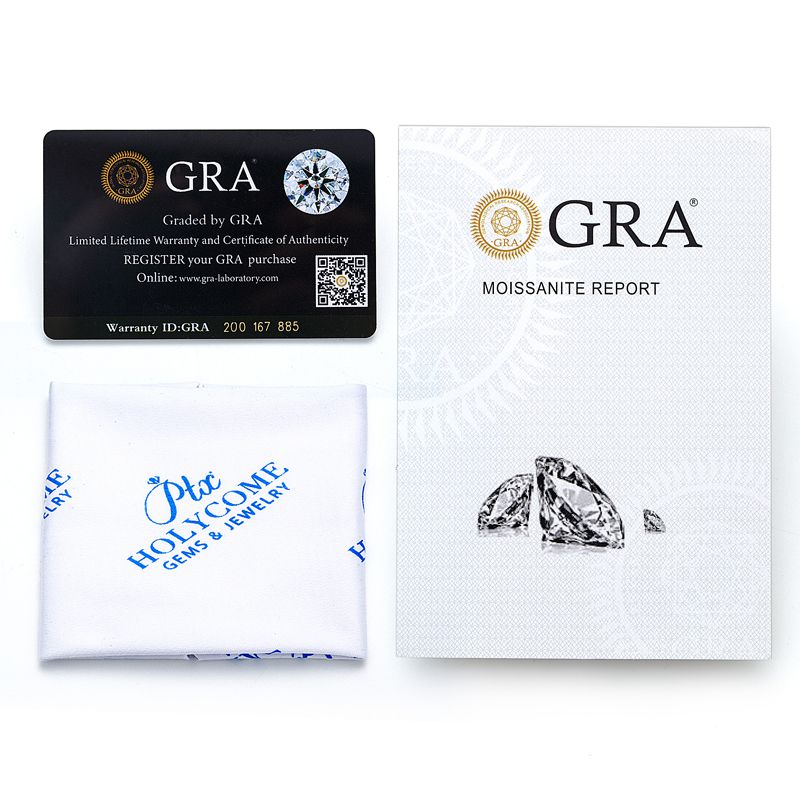
You generally cannot insure a ring properly without a recent appraisal. A receipt from the jeweler helps, but it shows what you paid, not what a like-for-like replacement costs now. For moissanite and many lab-created stones, the appraisal should also include the gem's identifying report, such as a GRA or comparable lab certificate, which confirms the stone's specs and strengthens the claim if it ever comes to it.
What an appraisal actually includes
A reputable gemologist writes a detailed report. Expect it to describe the center stone's measurements in millimeters, its shape, its cut quality, color grade, clarity grade, and weight. It will note the mounting metal, stamp, finish, and any accent stones. Photographs and a scale diagram are common in modern reports. The document is usually valid for several years, but jewelers recommend refreshing it every three to five years, since metal prices and retail values shift over time.
Appraisals typically cost between fifty and two hundred dollars depending on the jeweler and the complexity of the piece. Many jewelers include a complimentary appraisal when you purchase the ring, so check before booking a separate visit.
How jewelry insurance works
Most engagement rings are covered through a "rider" or "floater" added to your homeowners or renters insurance, or through a specialty jewelry insurer. The coverage usually protects against loss, theft, and damage, and sometimes even mysterious disappearance-that awkward moment when you cannot remember whether you left the ring at the gym or the restaurant.
Premiums are usually quoted as a yearly percentage of the ring's insured value. A ring appraised at several thousand dollars may cost roughly one to two percent of that value per year to insure, depending on your location and the insurer. To put that in context, a ring you budgeted for carefully-reviewed against our engagement ring spending guide-costs very little to protect once you have made the purchase.
Replacement value versus agreed value
When comparing policies, notice whether coverage is "replacement value" or "agreed value." Replacement value pays what it costs to buy a comparable item today. Agreed value locks in the appraisal amount at the start, which can be helpful if stone prices rise, but may leave you undercovered if the ring appreciates faster. For most couples, replacement value with a reputable specialty insurer is the simplest, fairest option.
Also check the deductible. Some policies carry no deductible, which is ideal. Others require you to pay a small amount toward a claim. Read the fine print about whether you must replace the ring at a specific jeweler or can choose your own.
Everyday protection habits
Insurance is a safety net, not an invitation to be careless. A few habits dramatically reduce risk: take the ring off before swimming, exercising, gardening, or applying lotion; store it in the same dish at home so it never wanders; and keep it insured before you travel. Regular cleaning also helps you notice loose prongs early-follow our advice for cleaning your engagement ring and inspect the setting while you do it. A loose prong caught early prevents a lost stone, which is far better than filing a claim later.
The paperwork checklist
Gather and store these together: the original purchase receipt, the gemstone certificate, the written appraisal, the insurance policy number, and a few clear photos of the ring on and off the hand. Keep digital copies in a secure cloud folder and a physical copy in a fireproof safe. If you ever need to make a claim, having everything organized turns a stressful process into a straightforward phone call.
An engagement ring carries more meaning than its price tag, but that meaning is exactly why protecting it makes sense. A single afternoon of paperwork ensures that if the unexpected happens, you can replace the ring that symbolizes your future-and start that chapter without carrying the weight of the loss.
Gemstone grading terminology used here follows the Gemological Institute of America’s gem encyclopedia.
Frequently Asked Questions
What ring sizes can you supply in bulk?
US sizes 5–12 including half sizes. Send a size breakdown with your order and we cast to that curve; comfort-fit inner bands reduce resize requests.
Can I order a mixed size run instead of one size?
Yes. Mixed runs are standard for wholesale: specify quantity per size and we pack and label by size at no extra labor cost.
What is the MOQ for custom ring designs?
50 pieces per design for existing molds; 100–300 pieces when a new mold or CAD model is required.
How should I price rings for retail margin?
Most partners use a 3–4x markup on FOB cost for sterling and 2.5–3x for moissanite solos, which keeps landed cost under 30% of retail.
Send your spec sheet — stone, cut, size, plating and quantity — and we will return a costed timeline.
Ask the workshop