Engagement Rings
East-West Engagement Rings: The Horizontal Setting Trend for 2026
If you have noticed more brides describing their dream ring as "different, but not loud," you have felt the pull of the east-west engagement ring. Rather than sitting tall and vertical, the center stone is rotated ninety degrees so its longest edge runs parallel to the knuckle. The effect is subtle in a catalog and surprisingly striking on the hand. For retailers watching the 2026 bridal floor, this is the setting trend worth ordering before your competitors do.
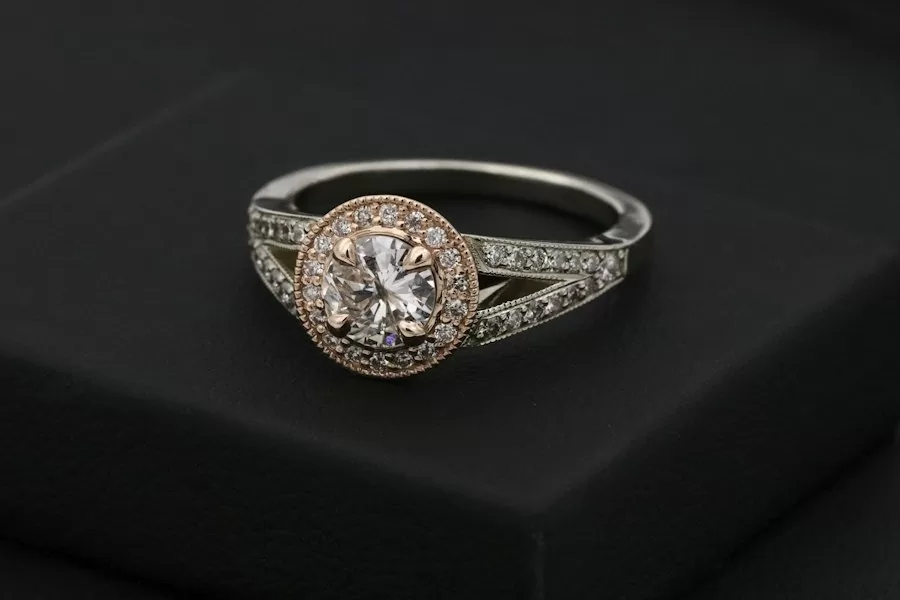
What is an east-west engagement ring?
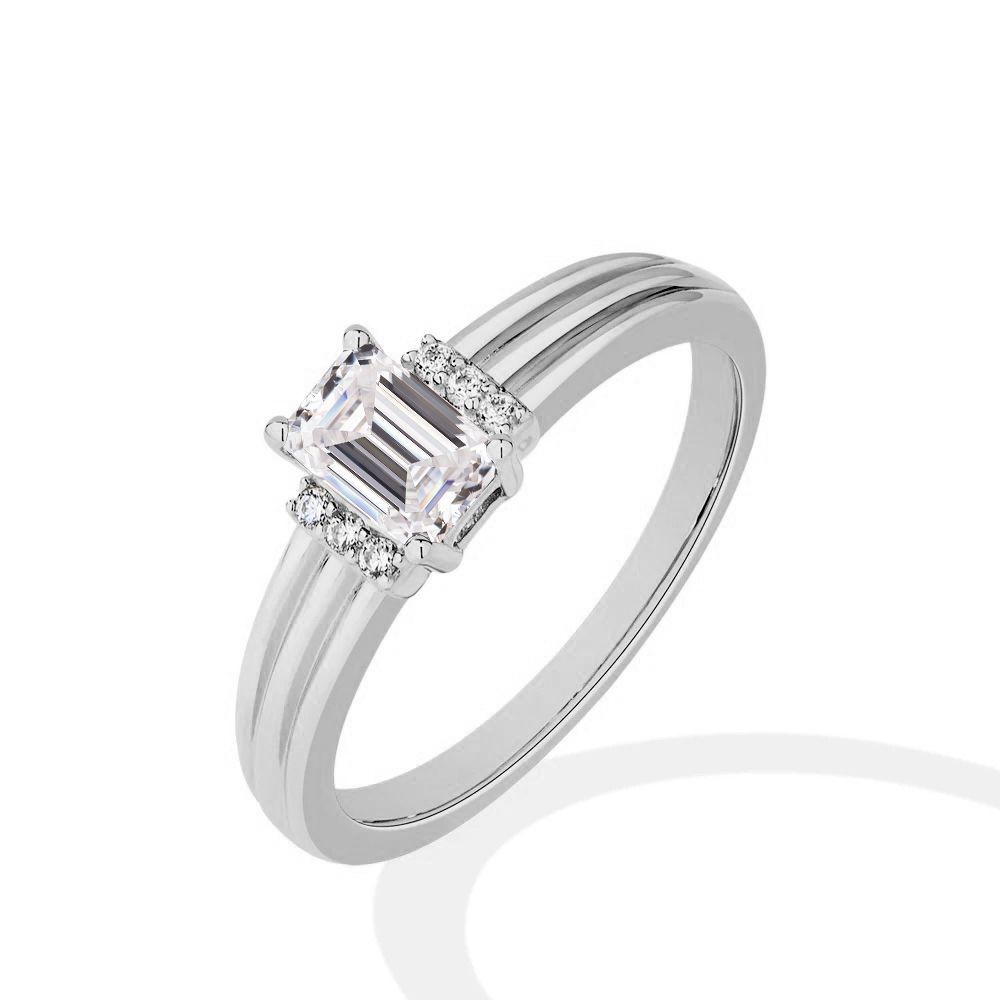
The term describes orientation, not a specific head design. A pear, emerald, oval, or marquise stone whose pointed or tapered ends point toward the adjacent fingers rather than up the hand is set east-west. Prongs, bezel, and pavé galleries all still apply; what changes is the axis. The setting sits lower on the finger than a vertical solitaire, which is part of its appeal to brides who want a ring that catches clothing less often.
Because the head is wider than it is tall, the ring reads as a horizontal band of sparkle rather than a single vertical highlight. On the hand, it tends to visually lengthen the finger because the eye travels across the knuckle instead of stopping at a tall stone.
Which shapes work best horizontally
Not every stone translates sideways. The best candidates are naturally elongated, where the horizontal orientation feels intentional rather than cramped.
- Pear: The teardrop points left and right, creating a soft, directional line. Many brides prefer the narrow tip pointing toward the pinky for a graceful sweep.
- Emerald cut: The step-cut rectangle is almost made to lie flat. Horizontal emeralds look architectural and modern without extra sparkle.
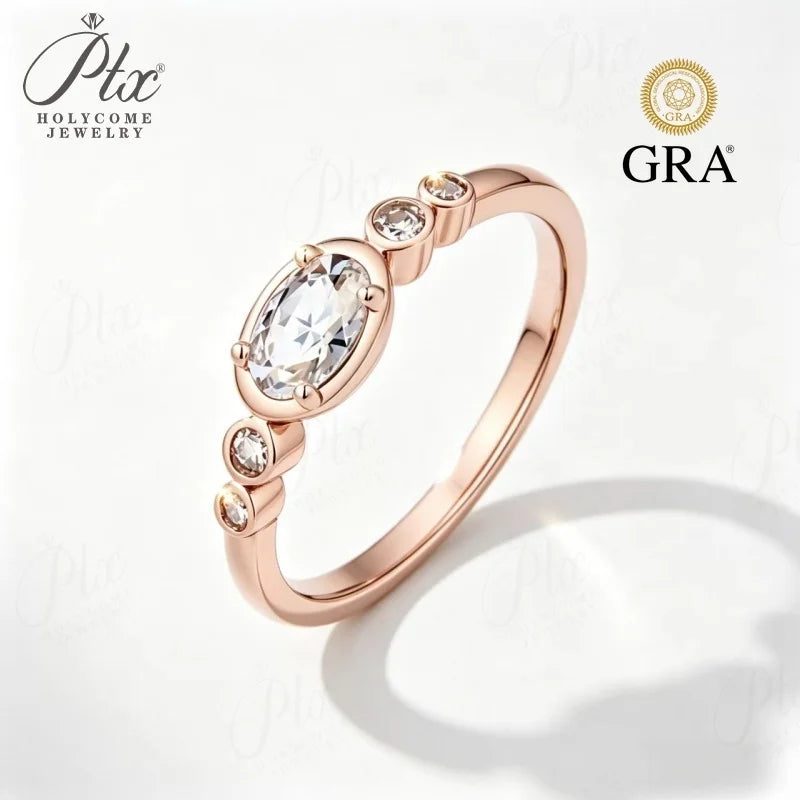
- Oval: A horizontal oval spreads width and reads wider than a vertical oval of the same carat, which is useful for brides chasing presence on a smaller budget.
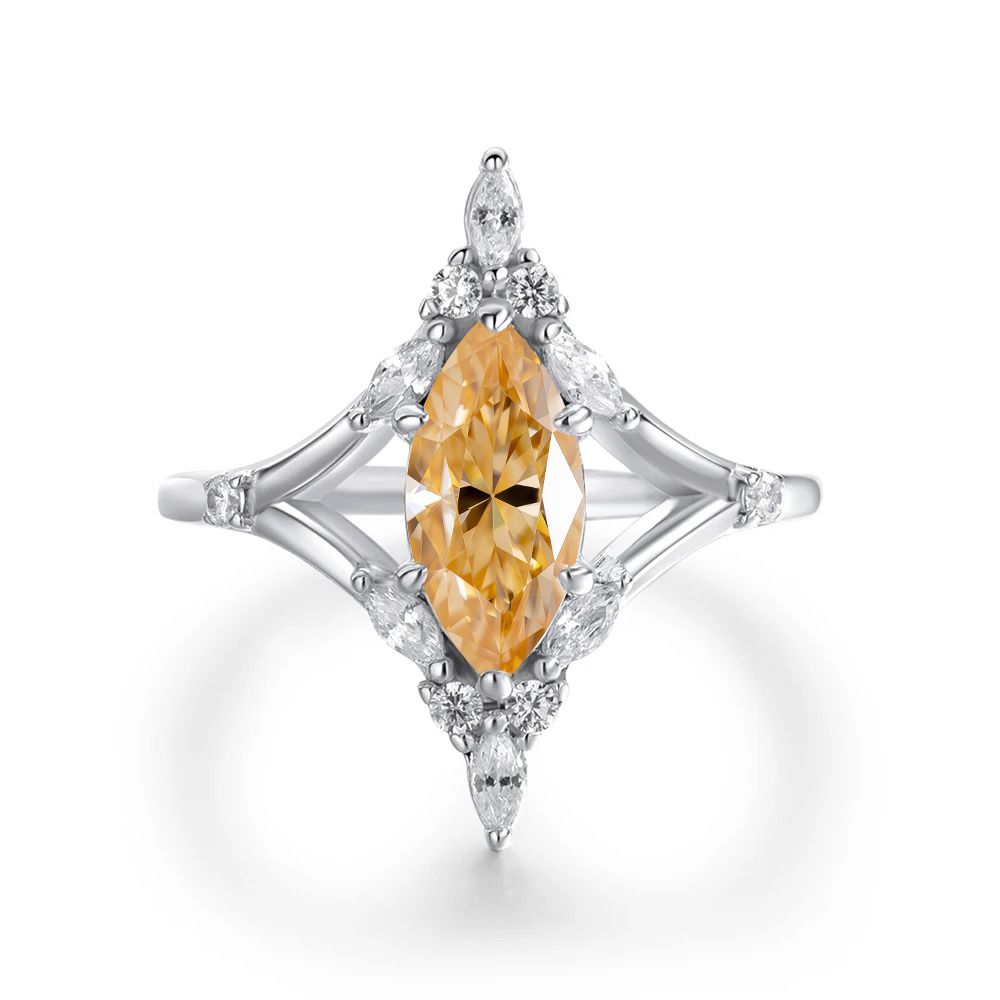
- Marquise: The pointed ends create the most dramatic finger-lengthening effect, though prong security must be dialed in at the tips.
Round stones rarely benefit from an east-west rotation, since a circle has no directional axis to celebrate. If a bride asks for a round stone set sideways, she may actually want a bezel or a modern gallery instead.
Why brides are choosing it in 2026
The east-west look has been quietly building for several seasons and now crosses from editorial spreads into mainstream request books. Three forces are driving it. First, Gen Z and millennial brides want rings that feel personal rather than textbook; a sideways stone signals taste without a huge center carat. Second, it pairs beautifully with both contemporary prong heads and vintage-inspired settings, so it fits clients who cannot decide between modern and romantic. Third, the low profile is practical. Brides who type, cook, or work with their hands appreciate a ring that does not catch on sweaters or sheets.
Setting considerations for retailers
East-west settings are not a simple flip of a vertical head. The longer axis puts more leverage on the prongs, especially at the narrow tips of a pear or marquise. Stock pieces with reinforced tip prongs and a sturdy gallery. A thin solitaire band can look overwhelmed by a wide horizontal head, so most retailers pair east-west stones with a 2.0 to 2.5 mm band or a slim pavé band that keeps the look balanced.
Because the setting is lower, matching wedding bands sit more flush against the shank, which is a selling point to mention. Brides tired of a visible gap between their rings often respond well to this detail.
How to merchandise and price
Display east-west rings on a finger-shaped riser, not a flat tray, so customers can see the horizontal line. Price them comparably to a vertical solitaire of the same stone grade; the orientation usually does not justify a large upcharge, but the modern silhouette supports strong margins. Offer the same shape options your clients already know so brides can trade a vertical oval for a horizontal one without learning a new category.
Caring for an east-west setting
The sideways head needs the same maintenance as any setting, with one extra checkpoint: the tip prongs. Because the narrow ends of a pear or marquise take daily leverage, recommend a prong check every six to twelve months, especially for active brides. Cleaning follows the usual routine—warm water, mild soap, and a soft brush along the pavé gallery. For travel, the low profile is an advantage; the ring catches less, but the exposed tip prongs should be capped or covered in a jewelry case so they do not snag on lining.
Because brides are often surprised by how different the sideways fit feels on their own hand, always let them try the ring on in person rather than selling from a tray. The horizontal line reads differently once it is on the finger, and that try-on is what converts a curious browser into a buyer.
For the 2026 floor, a small curated selection—one pear, one emerald, one oval in east-west—is usually enough to capture demand without overcommitting inventory. The brides who want them will ask, and once they try the sideways fit on their own hand, the sale almost closes itself.
For third-party reference, the Wikipedia article on moissanite details moissanite’s discovery, optical properties and use in jewelry.
Frequently Asked Questions
What ring sizes can you supply in bulk?
US sizes 5–12 including half sizes. Send a size breakdown with your order and we cast to that curve; comfort-fit inner bands reduce resize requests.
Can I order a mixed size run instead of one size?
Yes. Mixed runs are standard for wholesale: specify quantity per size and we pack and label by size at no extra labor cost.
What is the MOQ for custom ring designs?
50 pieces per design for existing molds; 100–300 pieces when a new mold or CAD model is required.
How should I price rings for retail margin?
Most partners use a 3–4x markup on FOB cost for sterling and 2.5–3x for moissanite solos, which keeps landed cost under 30% of retail.
Send your spec sheet — stone, cut, size, plating and quantity — and we will return a costed timeline.
Ask the workshop