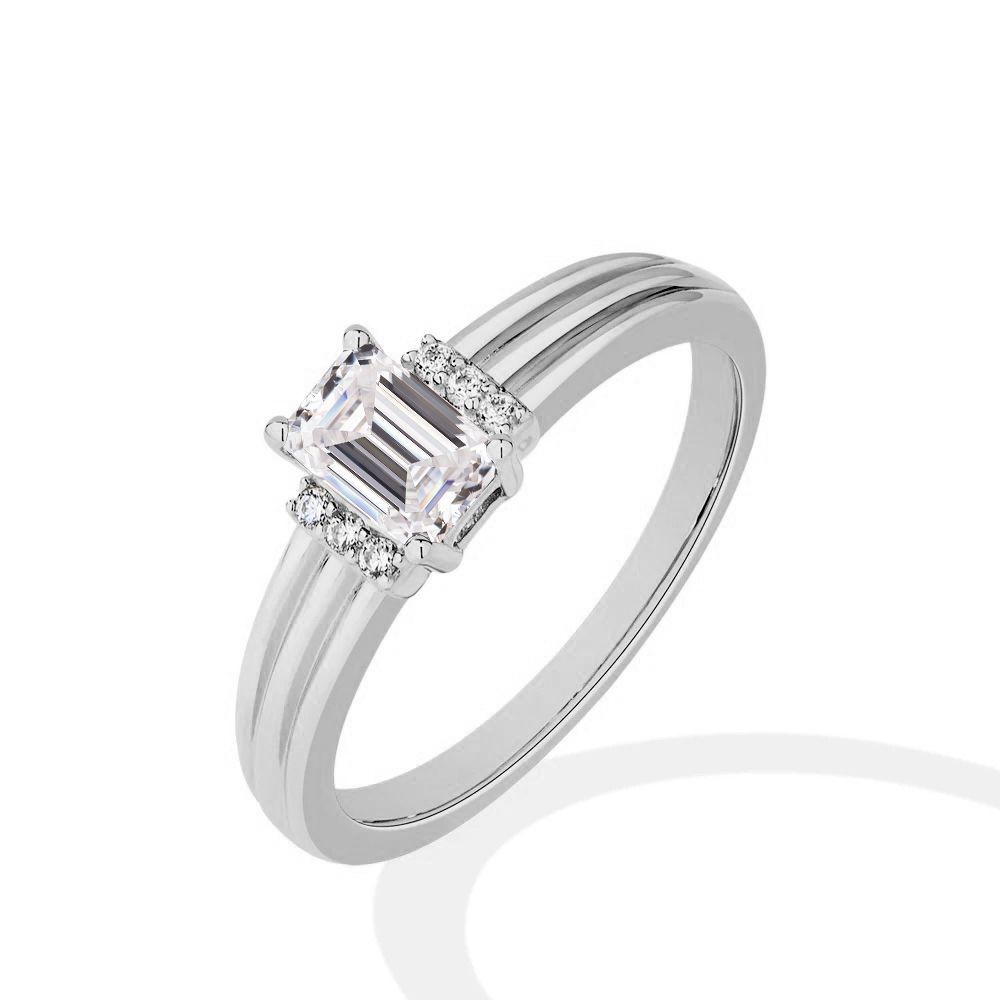
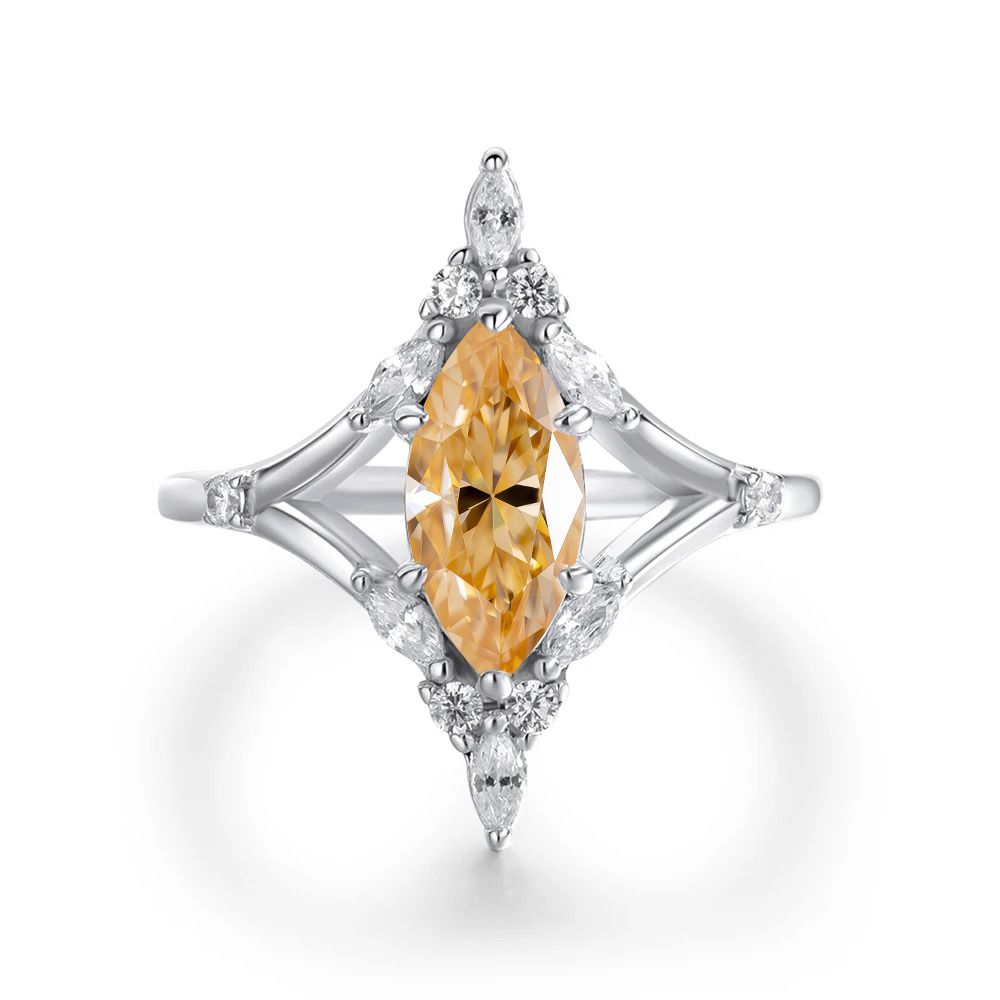
Engagement Rings
How to Choose a Moissanite Bridal Jewelry Supplier
A boutique owner in Amsterdam burned through three suppliers in two years. The first sent uncertified stones, the second vanished after a defective run, and the third quoted a low unit price but doubled the freight on the invoice. Choosing a moissanite bridal supplier is not a price decision; it is a risk decision, because the cheapest unit rarely stays cheapest once returns and reorders land. Below is the checklist we tell buyers to run before signing with any factory, covering certification (FTC jewelry industry guides), QC numbers, MOQ flexibility, RMA terms, and export track record.
The hidden cost of a cheap supplier
Unit price is the number every buyer negotiates first, but it is the smallest number on the P&L. A 2% higher defect rate on a 500-piece annual buy means ten pieces that come back, plus the freight, plus the customer goodwill lost. The table below shows where the real cost hides.
The other hidden cost is switching. Once a store trains staff on a setting, photographs it for the website, and builds a repeat customer base around it, moving to a new supplier means redoing all of that. That is why the first supplier choice is worth more than a 5% unit discount on year one; the cost of getting it wrong compounds over years, not months.
| Cost line | Cheap supplier | Reliable supplier |
|---|---|---|
| Unit price | Lowest | Slightly higher |
| Incoming defect rate | 5-10% | Under 2% |
| RMA resolution | Slow or refused | Credit on next order |
| Reorder consistency | Drifts between runs | Same tooling, same spec |
The five checks that predict reliability
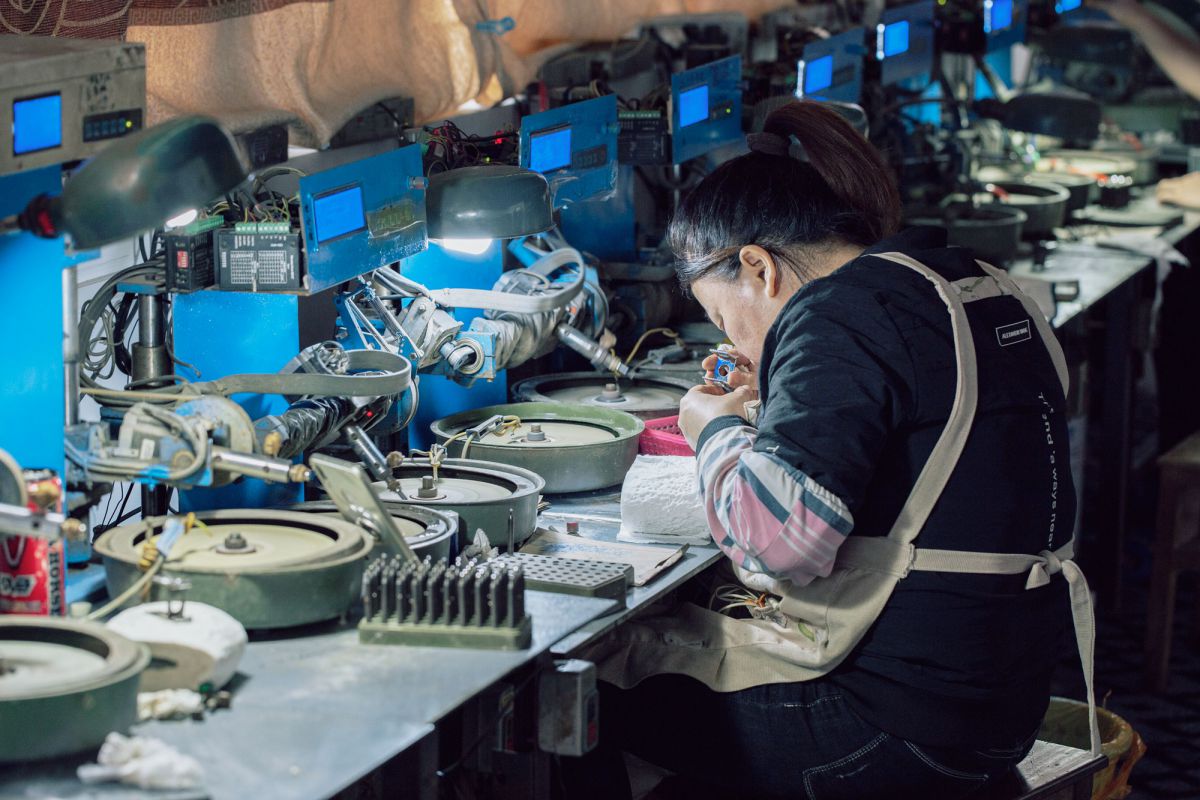
First, certification. A serious moissanite supplier attaches a GRA lab report to every stone 3mm and up, documenting cut, color, clarity, and carat equivalent. Ask to see a real report serial and cross-check it; a supplier that cannot produce one is reselling ungraded stock. Second, QC numbers. Ask what the outgoing reject rate is and how prongs are tested. We pull-test every prong at 1.5kg and reject about 1.2% of our own output before shipping; visual-only QC is a warning sign. Third, plating spec. Rhodium at 0.5 micrometre outlasts the 0.3 budget plate by roughly 40% on the wrist, which shows up in your return rate six months later.
Fourth, RMA terms. Get the 7-day inspection window, 30-day defect window, and credit-on-next-order remedy in writing. A supplier that says "we will consider returns" has not committed. Fifth, export track record. Ask how many years the factory has shipped to the US and EU, whether it handles DDP with prepaid duties, and whether it can provide commercial invoices and HS classification on every parcel. These are the boring documents that decide whether your parcel clears customs without a surprise bill.
How to choose by your stage
A first-time buyer should prioritize sample order credibility and a low entry MOQ over the lowest unit price, because the first buy is a test. A growing boutique should prioritize reorder consistency and the RMA clause, because a design that sells well and cannot be replenished to the same spec is worse than no design at all. A private-label brand should prioritize tooling retention, co-branded packaging, and the ability to attach GIA or IGI reports on request, because those are the assets that protect a brand margin over years. In every case, the supplier that answers your first email with specific numbers instead of "contact us" is the one likely to answer your RMA email the same way.
Watch the communication speed in the first two weeks. A supplier that replies to a sample inquiry within a business day and answers specific questions with numbers is signaling how it will behave when a parcel goes wrong. A supplier that takes three days to reply and gives vague answers at the sample stage will not magically become responsive at the RMA stage. The first email thread is a preview of the whole relationship, and it is one of the cheapest and most reliable signals you get.
Frequently Asked Questions
What certification should a moissanite supplier provide?
Every stone 3mm and up should ship with a GRA lab report listing cut, color, clarity, and carat equivalent. Ask to see a real serial; a supplier that cannot produce one is reselling ungraded stock.
What defect rate should I expect from a good supplier?
Under 2% incoming. We reject about 1.2% of our own output at outgoing QC, so a responsible factory should deliver a parcel with sub-2% defects on arrival.
Is the lowest unit price always the best choice?
No. A slightly higher unit price with a sub-2% defect rate and fair RMA terms almost always beats the cheapest unit once returns, freight, and reorders are tallied.
Should a supplier offer private-label packaging?
Yes, if you are building a brand. Co-branded boxes, laser-engraved serials, and custom inserts should be available above a reasonable MOQ, typically 30 to 50 pieces per design.
How do I verify a supplier's export track record?
Ask how many years they have shipped to the US and EU, whether they handle DDP with prepaid duties, and whether they provide full commercial invoices and HS classification on every parcel.
Takeaways
- Verify GRA serials, not just the claim of certification.
- Hold suppliers to a sub-2% defect rate and a prong pull test.
- Get RMA terms in writing before the first order.
- Weight reorder consistency above unit price.
Read more in our supplier vetting guides, browse our engagement ring program, review wholesale terms, or request a sample parcel to test QC on your own bench.
For HS classification of jewelry in customs and export documentation, the WCO Harmonized System nomenclature is the authoritative nomenclature.
Send your spec sheet — stone, cut, size, plating and quantity — and we will return a costed timeline.
Ask the workshop