Loose Stones
Loose Moissanite for Bridal: How to Choose a Vendor That Holds Color Grade
A jewelry manufacturer in Warsaw switched loose-moissanite vendors in 2023 to save 12 percent per carat. Twelve months later, half his bridal orders came back with stones that did not match the original color grade (per GIA's diamond grading standards). The new supplier was cheaper on the quote but inconsistent on the parcel. Choosing a loose moissanite vendor is a supply-chain decision, not a price decision, and the checklist wholesale buyers should use has five parts.
Color Grade Consistency Across Parcels
Moissanite is graded by color (D-F near-colorless, G-H tinted) and by cut grade. The risk in loose-stone supply is that one parcel reads near-colorless and the next parcel reads slightly gray. The International Gemological Institute issues graded reports on moissanite parcels, and buyers should require a lab report for every bulk shipment, not just the sample stone. Ask the vendor for three parcels from three different production weeks before committing a standing order. If the three parcels match under neutral 5000K light, the supply is consistent. If one looks warmer, the production line is not controlled. We covered how to read a finished stone in choosing loose moissanite for a custom ring, and the trade-off between loose stones and pre-set inventory in loose versus pre-set rings.
Cut Options, Sizes and the Replacement Problem
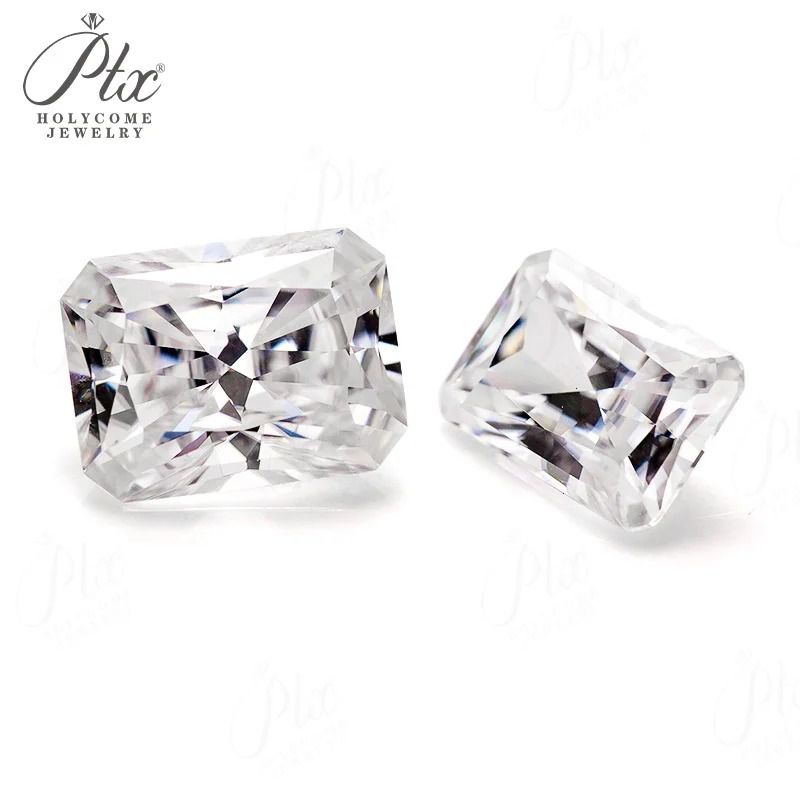
A vendor who only stocks round 6.5mm is not a bridal vendor. A real bridal supplier keeps rounds, ovals, pears, cushions, emeralds and marquises in matched color grades, in sizes from 5mm to 9mm. When a bride returns a ring to resize and one stone chips, the bench needs a replacement stone that matches the original. A vendor who carries the cut and the size in stock ships the replacement in 48 hours; a vendor who carries only rounds forces the bench to substitute a different shape, which the bride will notice. Buyers should also ask about minimum order quantity. MOQs under 50 pieces per cut are boutique-friendly; MOQs over 200 pieces tie up cash for a small workshop. Stockers who sell moissanite engagement rings should also confirm that the vendor can supply matched side stones for halo and three-stone settings, because halo side stones in the wrong color grade read as a visible ring of dots.
Certification, Packaging and After-Sales
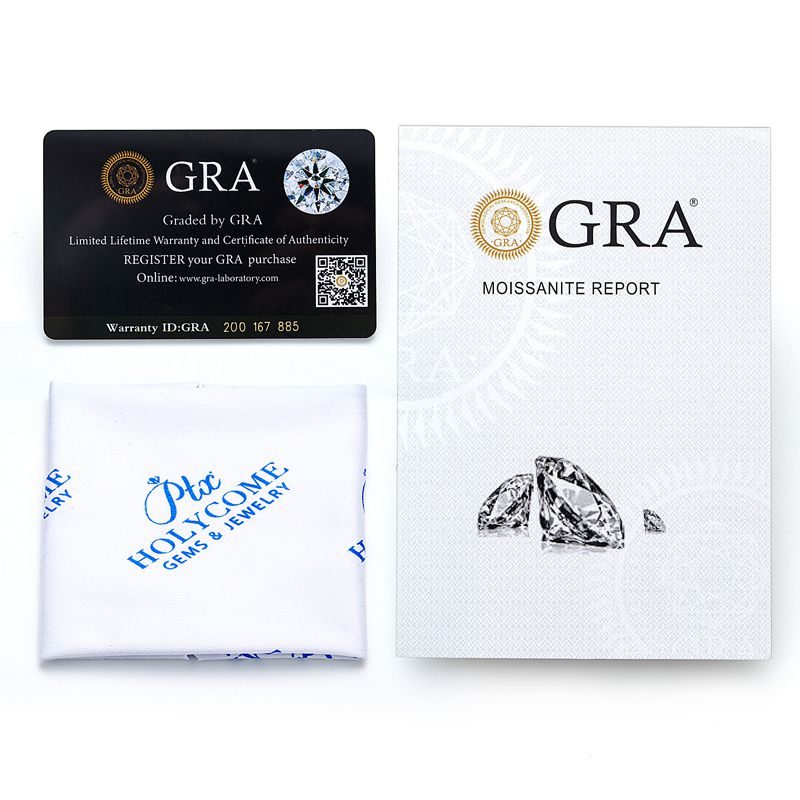
Three vendor details separate serious suppliers from resellers. First, lab reports. Every bulk parcel should ship with an IGI or equivalent certificate, not a photocopy of a generic sheet. Second, packaging. A serious supplier stones individually in labeled compartments, not in one bag. Third, replacement policy. A vendor who accepts returns on mismatched parcels within 14 days is a vendor you can build a standing order with. We also recommend visiting the factory floor at least once a year; the cushion cut setting guide depends on consistent cut angles that only a controlled production line delivers. Brides who read up on the stone will ask about origin and grading, and a retailer who can show the lab sheet closes the sale faster than a retailer who cannot.
Sample Orders, Communication and Lead Time
Before committing a standing order, place three small sample orders: one of your best-selling round size, one oval, and one fancy shape. Hold them next to each other under 5000K neutral light. If the color grades match, the production line is consistent. If one stone reads warm, ask the vendor which production week it came from, and whether that week is the exception or the rule. Communication speed is the second signal. A vendor who answers a technical question within 24 hours with a measurement, not a marketing line, is a supplier you can build on. A vendor who takes three days to reply to a sample request will take three days to reply when a bridal order is late. Lead times should be in writing: standard cuts 7 days, custom cuts 21 to 30 days, re-orders half the time. Buyers who get the lead time in writing avoid the worst surprise in the trade: a bride who needs a re-stone before her wedding and a vendor who has no tracking.
FAQ: Vendor Questions Buyers Should Ask on First Call
What is the minimum order for a bridal parcel?
Serious suppliers accept 10 to 20 pieces per cut for trial orders. Anyone demanding 100 pieces on a first order is not a boutique supplier.
Do you ship with lab reports?
Yes, every parcel should ship with an IGI or equivalent report. Vendors who offer "certified on request" only are resellers.
Can you match a stone I already have in production?
A real supplier can match by mm, cut and color grade within 48 hours. If they cannot, they are a middleman.
What is the lead time for custom cuts?
Standard cuts ship in 7 days. Custom cuts (fancy shapes, calibrated sizes) take 21 to 30 days.
Build a standing parcel order, not a one-off quote. HOLYCOME supplies loose moissanite in matched color grades across cuts and sizes, with IGI reports and replacement stock for bridal workshops. Request the parcel price list for your next production run.
Frequently Asked Questions
Is moissanite a viable diamond alternative for retail?
Yes for price-sensitive buyers who want brilliance and hardness. It ranks 9.25 on the Mohs scale and costs a fraction of a natural diamond of the same size, so it turns fast in bridal and fashion lines.
What is the minimum order?
MOQ starts at 50 pieces per design for stock items; custom cuts and private-label settings start at 100 to 300 pieces.
Are certificates included?
Yes. Every parcel ships with GRA or IGI documentation listing carat weight, color grade and cut.
What are the lead times?
Samples 3 to 5 days. Bulk 15 to 20 days under 500 pieces, 25 to 30 days for custom work.
Send your spec sheet — stone, cut, size, plating and quantity — and we will return a costed timeline.
Ask the workshop