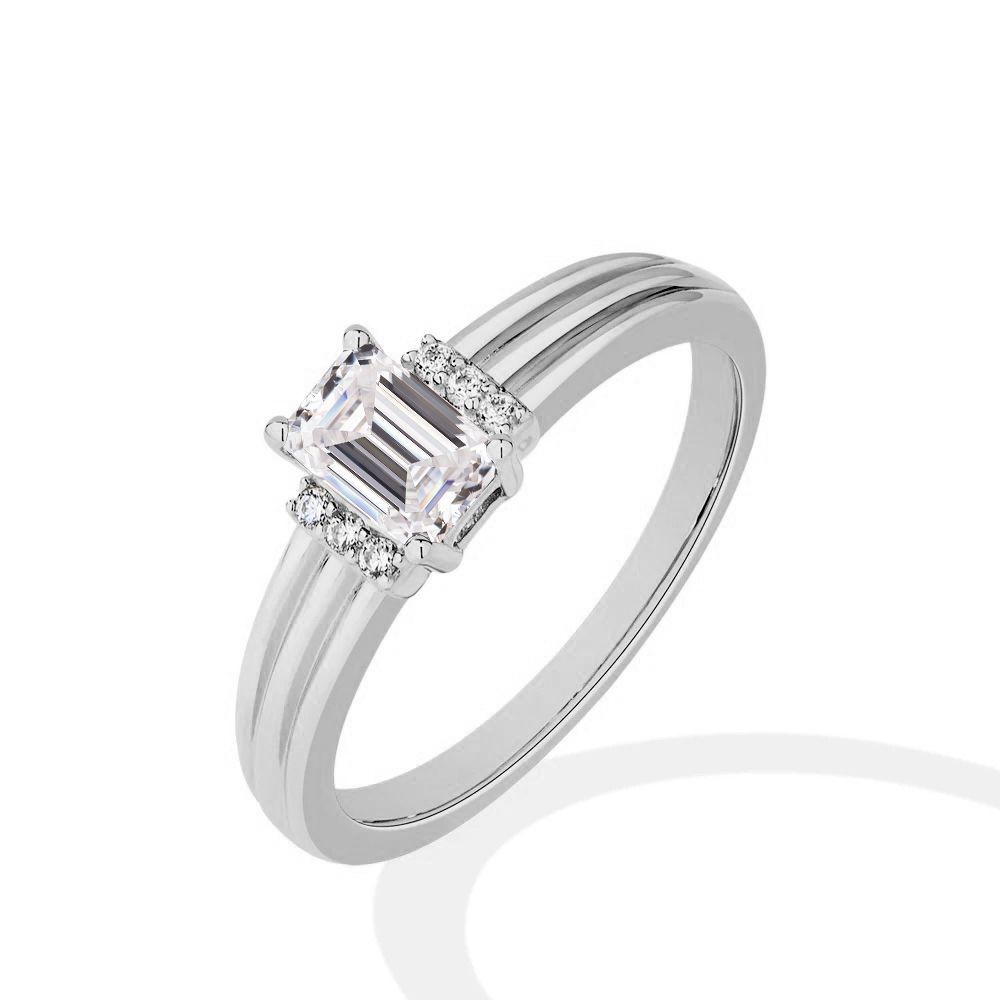
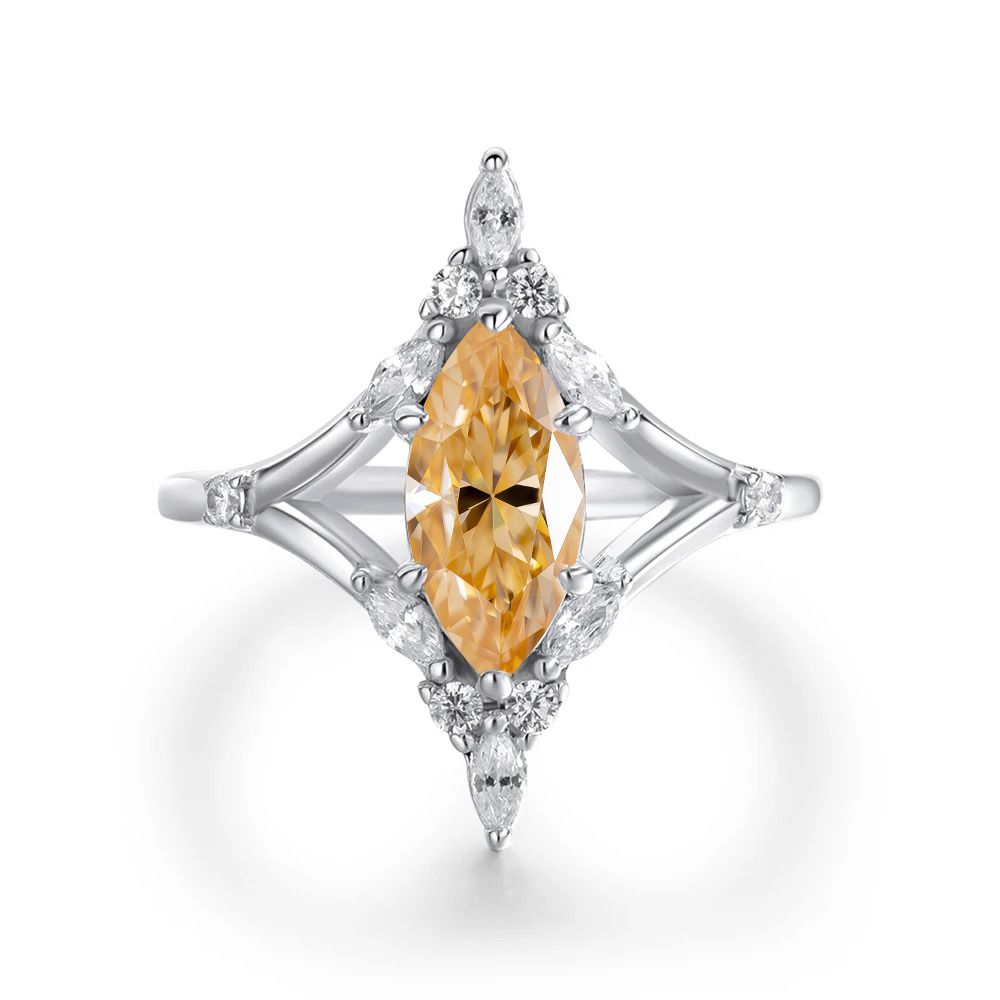
Engagement Rings
Choosing a Bridal Jewelry Supplier: Vetting Checklist
A first-time bridal buyer in Portland chose a supplier on price alone. The quote was 20% below market, the catalog looked clean, and the sales rep answered fast. The first order shipped three weeks late, arrived with 11% defects, and the rep stopped replying once payment cleared. Choosing a bridal jewelry supplier is a due-diligence job, not a price comparison. Below is the seven-point checklist we use to qualify any supplier—and the one we expect buyers to run on us.
What a cheap supplier costs you
The discount on the unit price is real. The cost of a late parcel during engagement season, of a defect rate you have to eat, and of a rep who disappears after payment is larger. Most boutiques that switch suppliers do so because of one of those three failures, not price—and switching costs a season of sales that no discount can recover.
| Vetting point | Skip it | Do it |
|---|---|---|
| Sample order before bulk | Bulk on quote | 20 pc sample, inspect yourself |
| QC reports per batch | "We check everything" | Written rejection rate under 2% |
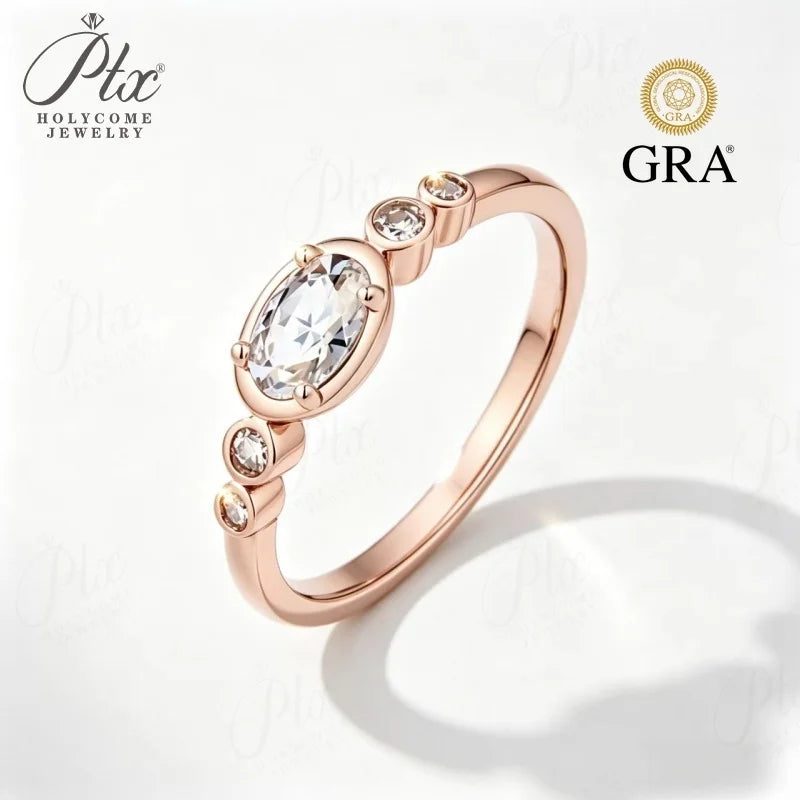
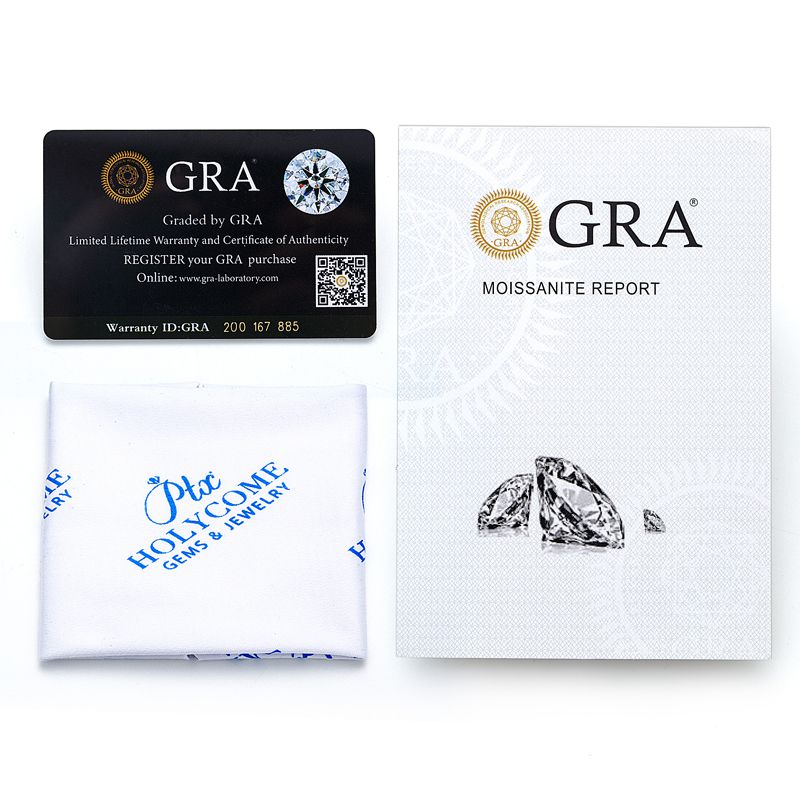
| Certificate (FTC jewelry industry guides) policy | Certs "on request" | GRA cert in every box |
| RMA terms | Store credit only | Replacement + return freight |
| Communication after payment | Slow / silent | Named contact, tracking updates |
The seven-point vetting checklist
- Sample order first. Buy 20 pieces yourself. Inspect prong pull, rhodium thickness, sizing, and certificates before you send a seasonal PO. A supplier that refuses a sample is telling you something.
- Ask for the QC rejection rate. Not "we check quality"—a number. Under 2% is best practice; 8–12% is the industry norm you are trying to escape.
- Confirm certificates per stone. GRA in every box, not "on request". GIA/IGI on request for premium parcels.
- Read the RMA in writing. Defect replacement, not store credit. Return freight paid by the supplier on their defect.
- DDP shipping and customs docs. You should know the landed cost before you order, not at the border.
- Named account contact. After payment, you need a person, not a generic inbox. Ask who you will talk to in week 4.
- References from boutiques like you. Not the factory's best customer—a boutique your size, in your market.
Moissanite at 9.25 Mohs, D–F VVS, rhodium at 0.5µm, prong pull at 1.5kg—these are not marketing lines, they are the specs a sample order lets you verify. We ship to US and EU accounts DDP, provide GRA certs in every box, and give a named contact from the first sample parcel. If a supplier hedges on any of the seven points above, that is the answer—not a negotiation opening.
Match the supplier to your stage
First-time buyer
Run the full seven-point checklist on two suppliers, not one. Place a 20-piece sample with each, compare the defects, and only then place the opening order. The sample cost is the cheapest insurance you will buy.
Established boutique
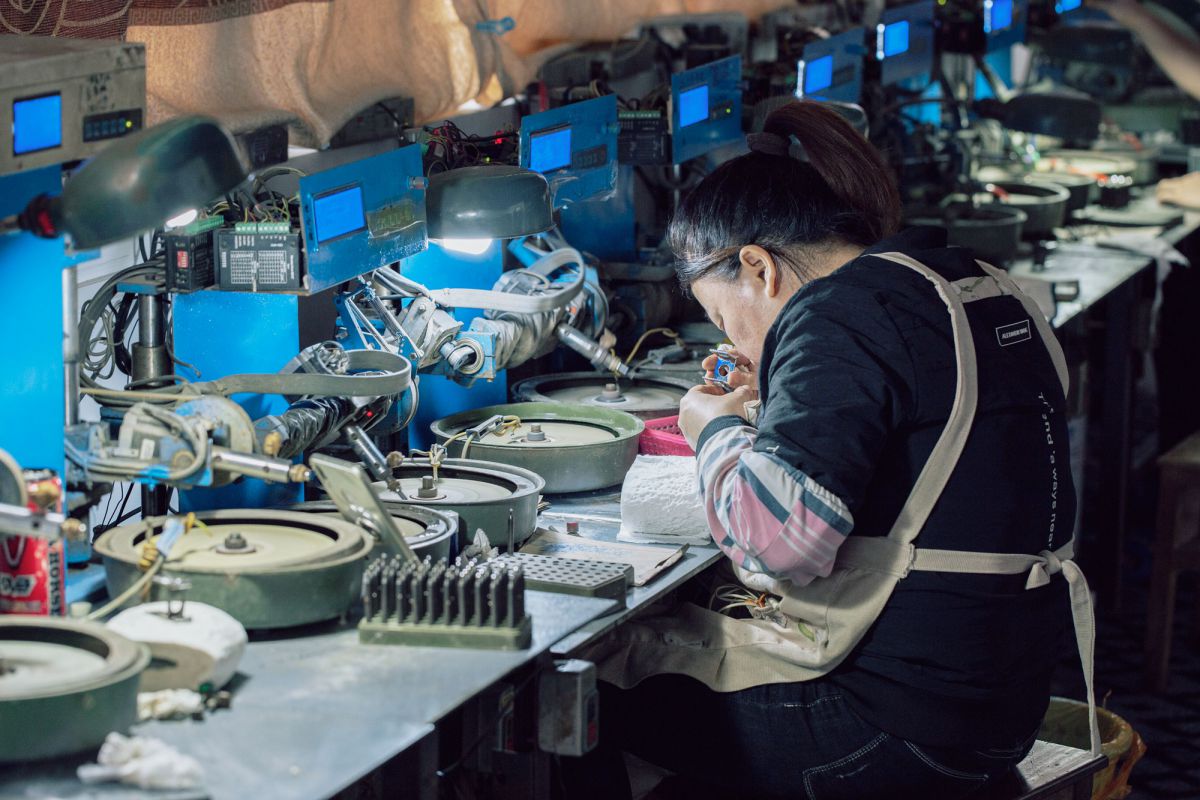
Add an annual audit—video walkthrough or expo meeting. Confirm the QC rate has not drifted since your first order. Factories scale; QC sometimes does not.
Private-label buyer
Private label adds an eighth point: confirm the supplier can keep your branding, packaging, and engraving consistent run to run. Ask for a sample of the second run, not just the first.
Frequently Asked Questions
How big should a sample order be?
A 20-piece sample parcel across 5–8 styles is enough to inspect QC, sizing, certificates, and packaging without overcommitting. It ships in 5 business days, DDP.
What QC rejection rate should I expect?
Best-practice suppliers publish a rejection rate under 2%. Industry norm runs 8–12%. Ask for the number in writing, not the phrase "we check quality".
Do you provide references from other boutiques?
Yes. On request we introduce you to active wholesale accounts in your market and size range, not our largest or oldest customer. References come with a phone number you can call.
What happens if a parcel arrives defective?
Manufacturing defects reported within 30 days are replaced at our cost, including return shipping. We rework, not discount, so you never resell a known-defective piece to a bride.
Can I visit the factory or meet at an expo?
Yes. We host buyers at our facilities and at major jewelry expos. Video QC walkthroughs are available for international accounts that cannot travel.
Key takeaways
- Always order a 20-piece sample before a seasonal PO—it is the cheapest QC you can buy.
- Ask for the QC rejection rate in writing; under 2% is the bar.
- GRA certs in every box, DDP landed cost, and a named contact are non-negotiable.
- Re-vet annually as factories scale—QC drifts when volume grows.
Request a 20-piece sample parcel: ships in 5 business days, DDP to US and EU. Browse our engagement rings, review wholesale terms, or see our bridal sets range. Ready to vet us? talk to our wholesale team.
The Gemological Institute of America’s gem encyclopedia is an authoritative, widely cited reference on moissanite and diamond quality factors.
Send your spec sheet — stone, cut, size, plating and quantity — and we will return a costed timeline.
Ask the workshop