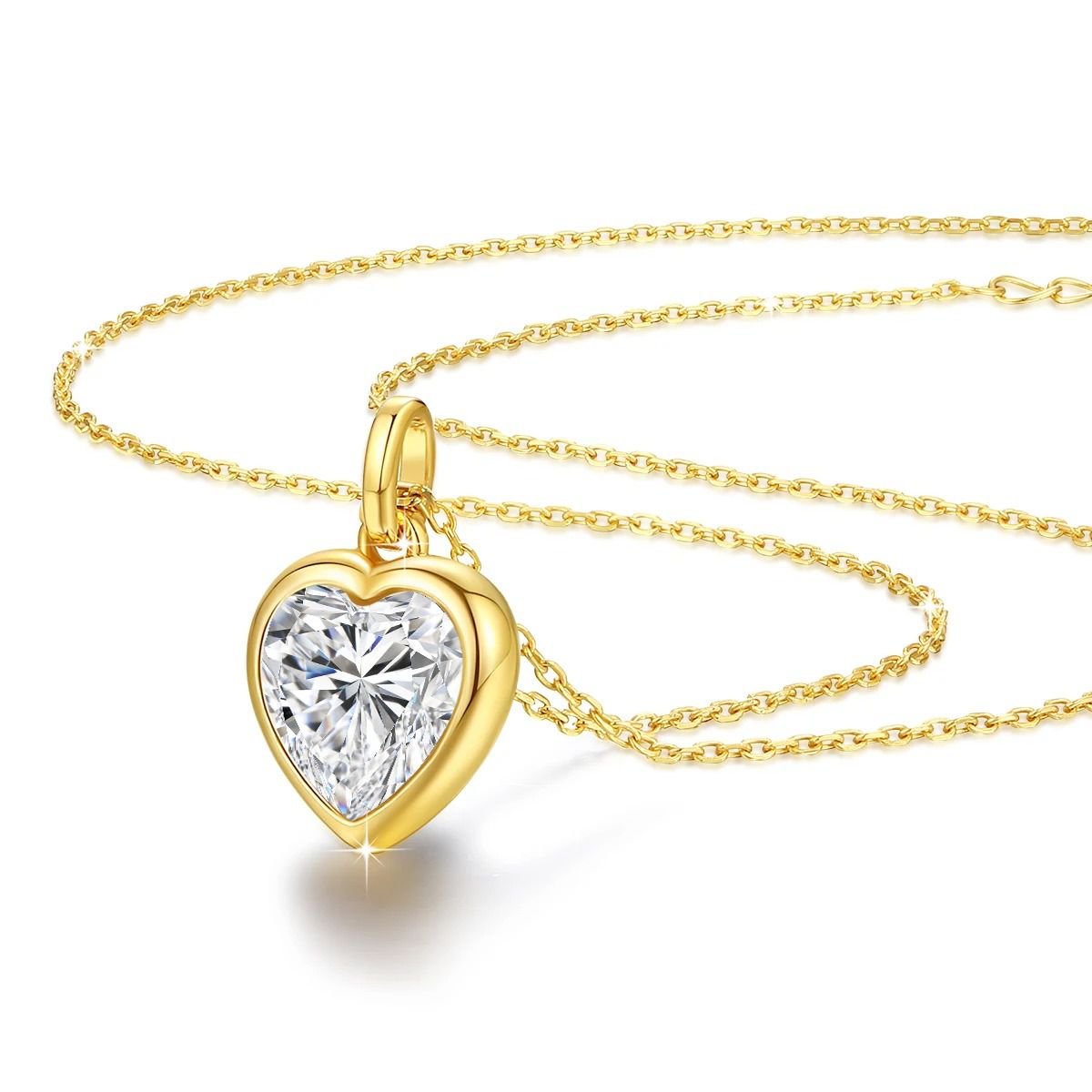
Necklaces & Pendants
Chain Gauge and Thickness: Buying Durable Bridal Necklaces
When a bride shops for a pendant, she usually focuses on the stone. The chain that holds it up is an afterthought until the clasp catches on a sweater or the links start to stretch. For jewelers, chain gauge is the quiet detail that separates a necklace worn daily from one that lives in a box. Understanding gauge helps you recommend the right chain for the pendant and the customer, and it prevents the most common post-sale complaint: a broken chain weeks after purchase.
What gauge actually means
Chain thickness is measured in millimeters of wire diameter, often shortened to gauge. A finer chain might use wire around half a millimeter thick, while a sturdy everyday chain approaches a millimeter or more. The thinner the wire, the more delicate the look and the easier it is to kink or snap. A thicker chain reads heavier, holds a pendant better, and tolerates daily movement, but it can overwhelm a tiny solitaire.
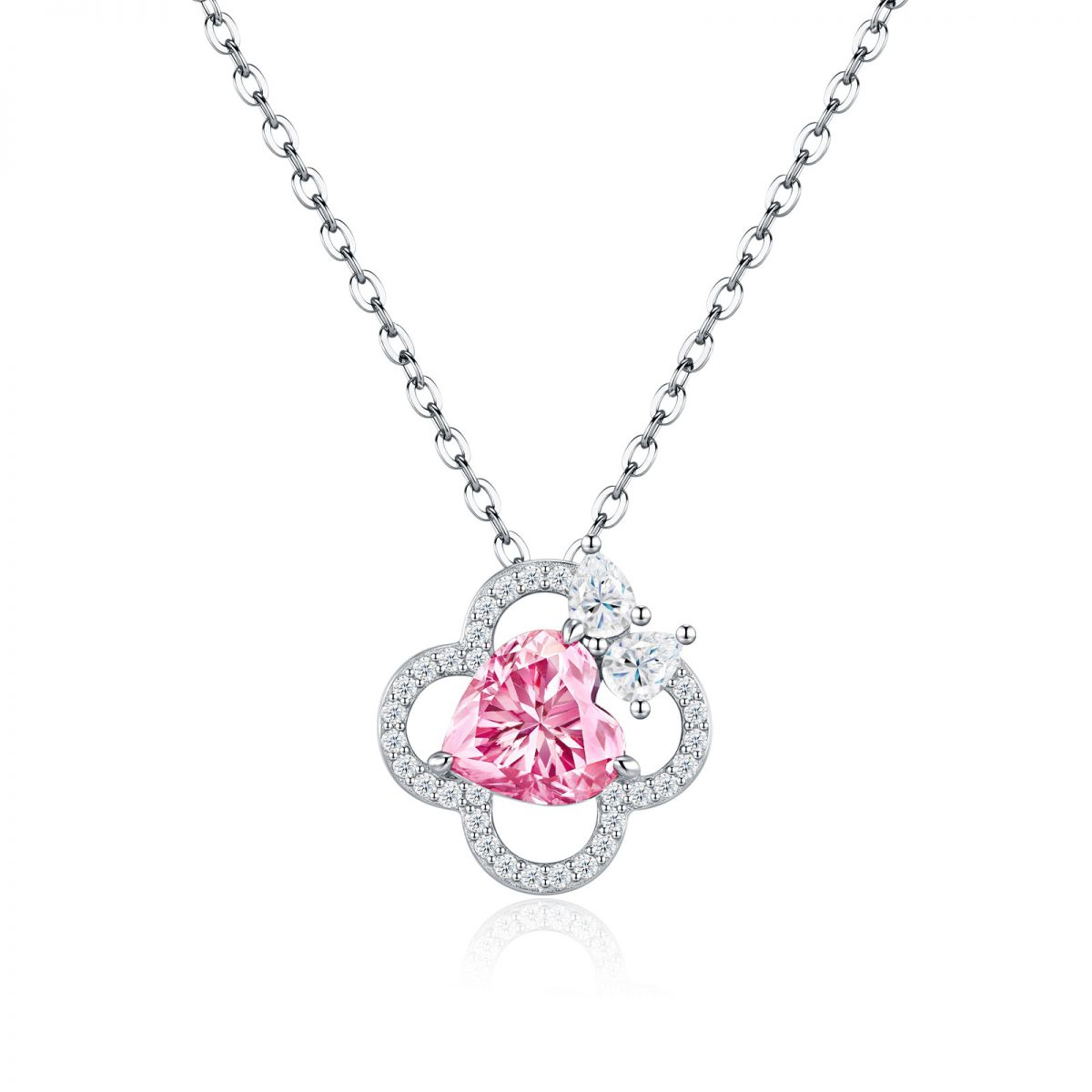
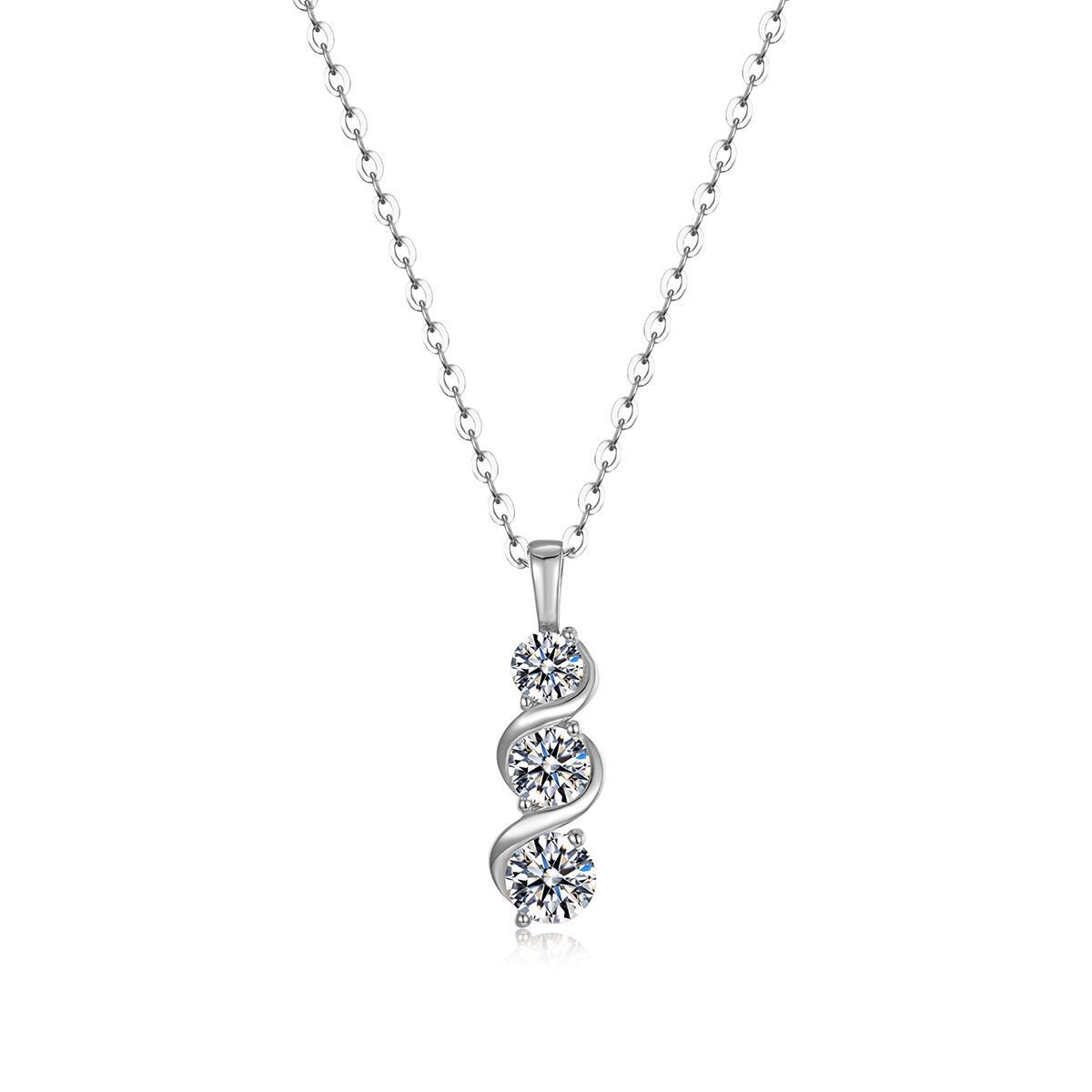
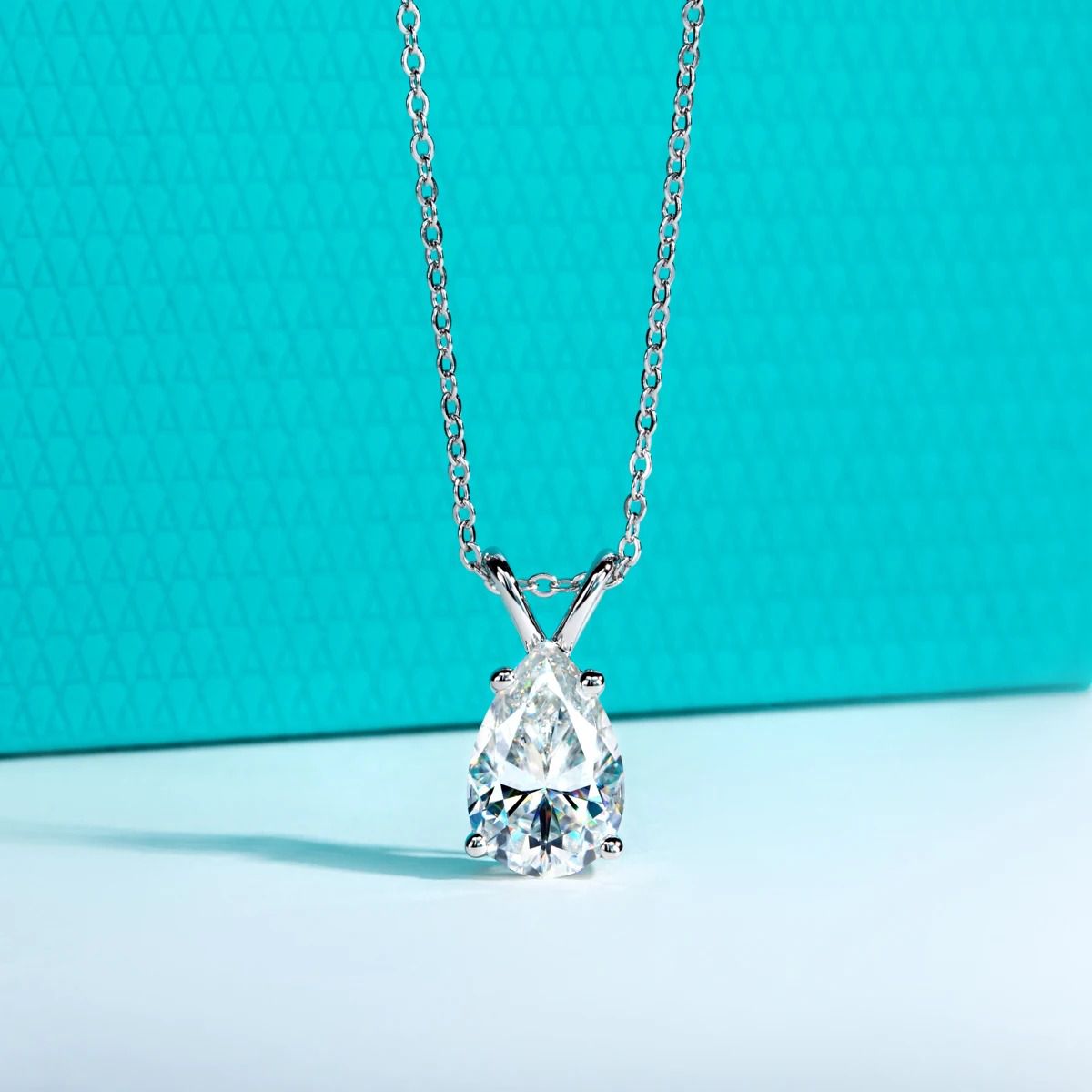
The trick is matching the chain weight to the pendant weight. A 2-carat-looking pendant on a hair-thin chain looks unstable and is genuinely at risk of the clasp failing under the weight. A heavy cable chain under a dainty charm, on the other hand, visually fights the piece. Balance the two and the necklace feels effortless.
Which gauges work for bridal wear
For a wedding-day pendant that will be worn for a few hours and then stored, a fine chain is acceptable and often preferred because it disappears against the skin. For an everyday pendant, step up. A 0.7 to 1.0 millimeter cable or box chain is a reliable everyday width for most pendants. Larger pendants, especially those over a carat, benefit from a box chain or wheat chain in the same range, because these link structures distribute stress better than a simple cable.
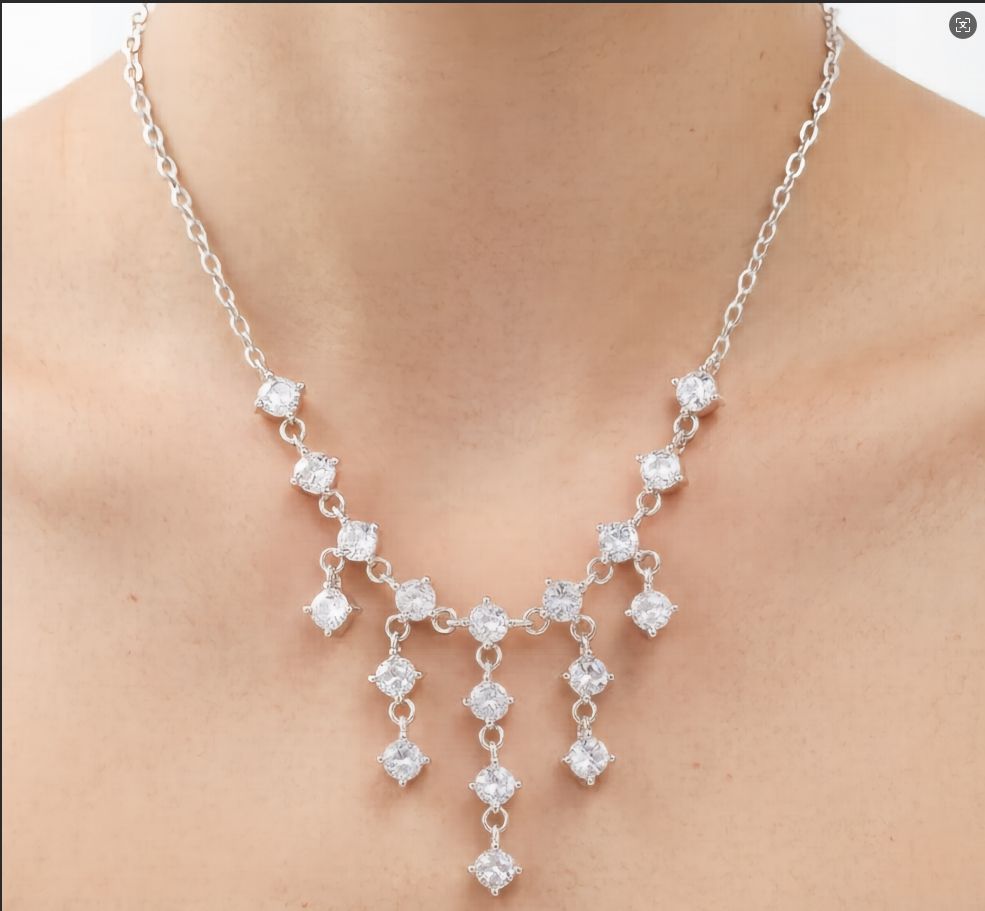
If your customer plans to layer multiple chains, each chain should still be sturdy enough on its own. Delicate chains tangled together are the number one cause of broken links. A quick reference on necklace chain lengths pairs naturally with gauge guidance, since the right length and the right thickness work together.
Clasps and gauges go together
A strong chain with a weak clasp fails just as surely as a thin chain. Lobster clasps are the standard for a reason; they are secure and easy to operate. Spring rings are lighter but more prone to opening accidentally, especially on a heavier pendant. When you upsell a sturdier chain, make sure the clasp is upgraded too, and check that the jump ring connecting clasp to chain is soldered shut. An unsoldered jump ring is a classic failure point that causes many lost pendants.
The bail on the pendant matters as much as the chain. If the bail is tiny and flimsy, even a perfect chain will rub through it over time. Our guide to pendant bail types and sizing covers how to match a bail to a chain so the two work as a system.
Plating and base metal considerations
Plated chains wear fastest at the high-contact points, and a thin plated chain shows it sooner. If you sell vermeil or gold-plated bridal necklaces, set expectations about replating. The same principle applies to bracelet plating, and our gold-plating thickness and wear guide explains how plate thickness translates to real-world durability. A heavier plate on a sturdier chain means the finish looks good for far longer.
Sterling silver chains are a popular bridal option because they cost less than solid gold and take rhodium plating beautifully. For customers with sensitive skin, a silver chain with a good plate avoids the nickel issues found in lower-quality fashion chains.
Repair and resizing realities
Thin chains are harder to repair than thick ones. A broken 0.5mm cable chain often cannot be soldered invisibly and may need a section replaced, which raises the repair cost. A thicker box chain can usually be fixed cleanly. When you sell a fine chain for a customer who intends to wear it daily, mention that a slightly sturdier choice will save them repair money over time. Most customers appreciate the honesty and upgrade the chain on the spot.
Extenders are another practical consideration. A chain that is slightly short can be fixed with an extender, but a chain that is too long cannot be shortened invisibly on fine gauge. Measure the neckline, consider the dress and the neckline, and choose the length before the customer leaves the store.
Stocking the right range
A practical necklace inventory includes a few fine chains for wedding-day and pendant display, plus a deeper selection of everyday sturdier chains in popular lengths. Display both so customers can feel the difference. Train staff to ask one simple question: will she wear this every day, or just for special occasions? The answer determines the gauge, and the gauge determines whether the necklace still looks good a year from now.
The Wikipedia article on rhodium explains why rhodium plating is applied to white gold and silver jewelry.
Frequently Asked Questions
Which chain lengths should I stock first?
16 to 18 inch covers most necklines and gift purchases. Add 20 inch for layering sets and 24 inch for pendant lines.
Are your chains nickel-free and hypoallergenic?
Yes. Sterling silver is 92.5% silver; stainless lines use 316L. Both are nickel-safe for reactive customers when plated correctly.
Can necklaces be personalized?
Laser engraving on pendants and clasps is available from 50 pieces, with 3–5 day turnaround on the engraving step.
What is the bulk lead time?
15–20 days under 500 pieces; 25–30 days for custom pendants or new molds.
Send your spec sheet — stone, cut, size, plating and quantity — and we will return a costed timeline.
Ask the workshop