Engagement Rings
Celestial Moissanite Engagement Rings: Stars, Moons & Night-Sky Designs
Some engagement ring trends come and go quickly, but the celestial movement has settled in for the long haul. Crescent moons, starburst prongs, trailing constellations, and tiny star-set side stones have moved from a niche Pinterest aesthetic into mainstream bridal cases. Brides describe the design in the same breath as fate, timing, and the night sky—language that sells far better than a list of cut grades. For buyers watching what brides ask for this year, celestial pieces are worth a small but deliberate section of the case.
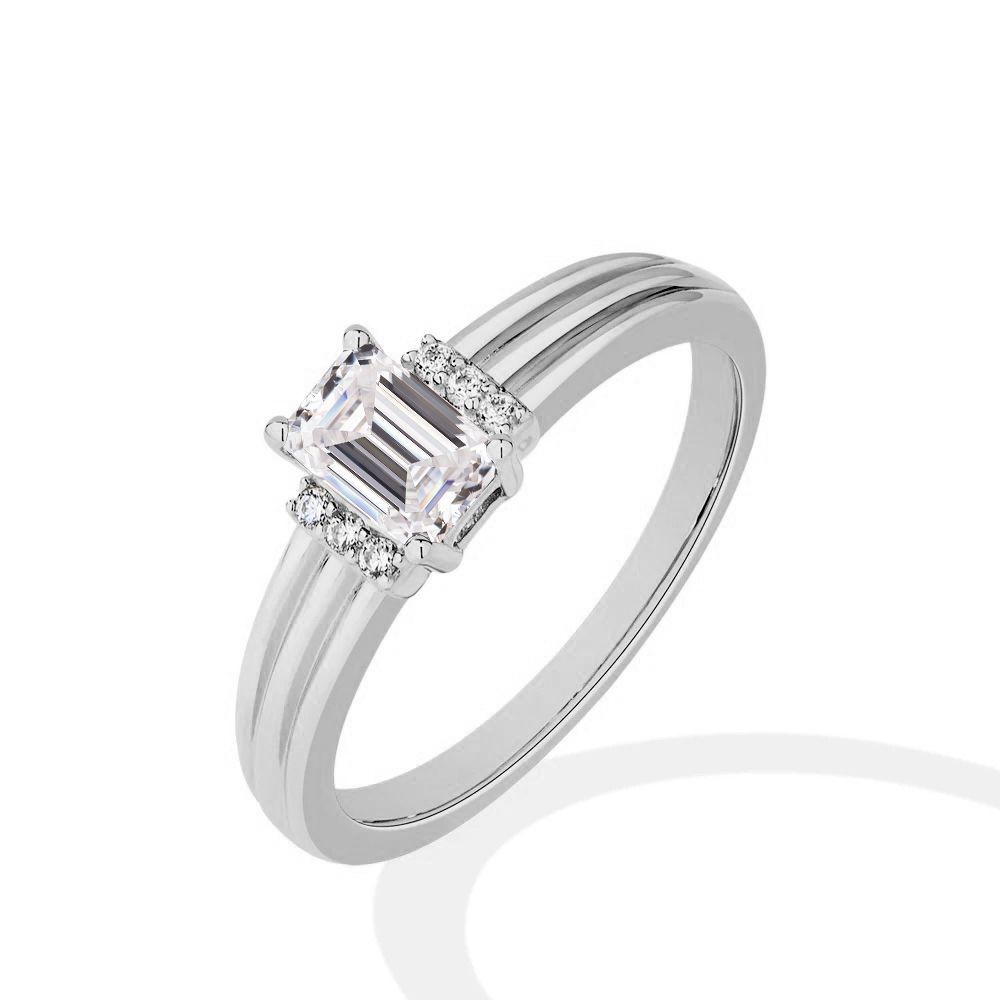
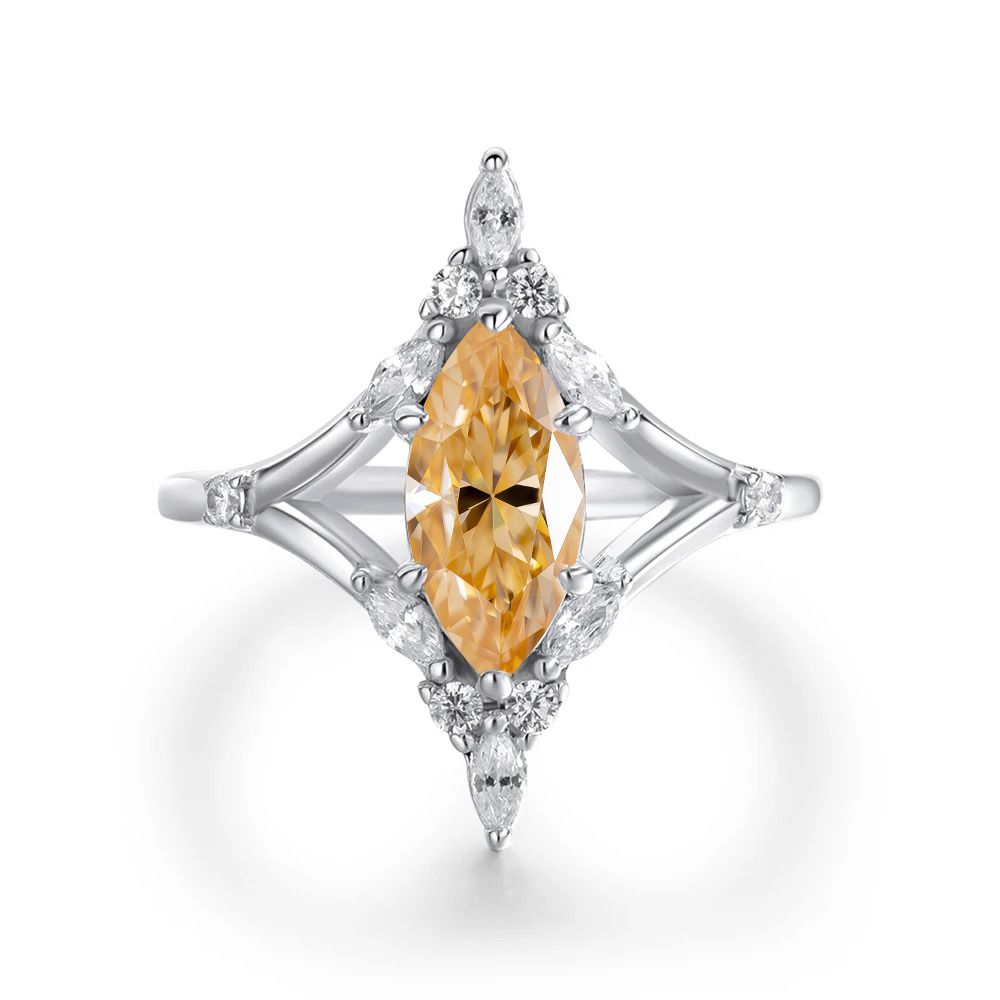
The design vocabulary is easy to learn. A crescent moon ring curves a metal moon around or beneath the center stone, as if the stone is held in the night sky. A starburst setting uses prongs that extend into small points, echoing a diamond's sparkle. Constellation bands scatter micro-pavé stones along the shank to mimic a star map, sometimes with slightly larger stones marking recognizable stars. Each motif can stand alone or stack together, which gives brides room to make the ring feel personal.
That personal angle is the engine of the trend. A crescent moon can reference a first date under the stars, a wedding date near a new moon, or a partner's love of astronomy. Sales associates who ask one open question—"Is there a moment you two want this ring to remind you of?"—often unlock a story that makes a celestial ring the obvious choice. This is design with a built-in conversation, which is rare in bridal jewelry.
Moissanite suits the aesthetic unusually well. The stone's exceptional fire—those flashes of rainbow light—reads like starlight on video and in bright window light. A round brilliant moissanite in a starburst setting looks almost like a glowing center, and the extra sparkle makes the smaller pavé stars around it feel like they are twinkling. When you compare options, review how the center stone is secured: a crescent cradle can sometimes leave the girdle exposed, so confirm the setting protects the edge of the stone.
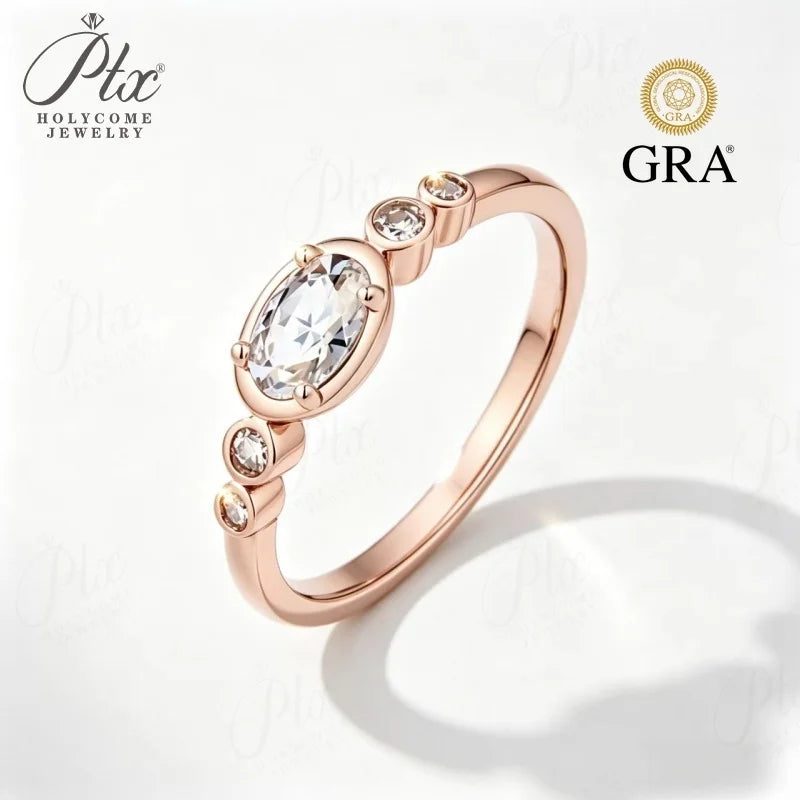
Metal tone matters here more than usual. Yellow gold on a celestial ring feels warm and antique, like something dug from a vintage astrology shop. Rose gold softens the crescent into a romantic blush. White gold or platinum keeps the look modern and graphic, as if the stars are drawn in silver ink. Many brides end up choosing the metal based on the story they want the ring to tell, not on everyday wardrobe.
Because the motifs are delicate, durability is a real consideration. Tiny star prongs and thin moon crescents can catch on knits and hair, and a thin constellation band bends more easily than a solid one. Talk honestly about daily wear: a bride who works with her hands may prefer the motif concentrated near the head, with a sturdier band underneath. Pairing a dainty celestial top with a comfort-fit shank is a practical compromise that keeps the romance without sacrificing durability.
For sourcing, keep the assortment tight rather than sprawling. Two crescent styles, one starburst solitaire, and one constellation band cover most requests. Over-stocking every moon phase and zodiac symbol dilutes the story and ties up capital in slow movers. The brides who want this look usually decide quickly once they see it, so a focused selection converts better than a crowded one.
Celestial rings also photograph beautifully, which matters when a bride is weighing a proposal ring she has not seen in person. Capture the ring in soft side light so the crescent shadow is visible, and show the pavé band next to a plain band so customers understand the sparkle level. A well-shot celestial ring drives more DMs than a generic solitaire shot.
Stocking a celestial piece also pairs naturally with other romantic motifs. A bride who loves the crescent moon often gravitates toward a twisted vine or a floral band, so keep those adjacent in the case. Cross-merchandising celestial rings with botanical bands lifts attach rates and gives the customer a coordinated look she cannot piece together online. The shared thread is storytelling, and sales staff who lean into that thread will sell more than staff who only discuss metal and cut.
Watch out for thin, delicate star prongs that look lovely in photos but bend if caught on a sleeve. A practical compromise is to set the center stone in a sturdy six-prong head and reserve the star and moon motifs for accents that sit off the high-traffic edges. That way the ring keeps its celestial character without becoming a repair ticket in six months.
Finally, treat the trend as personal, not just fashionable. Offer engraving options—coordinates, a date, or a single word—and watch the ring stop being a product and start being a keepsake. That emotional leap is exactly why celestial engagement rings keep selling long after other fads fade. It is also one of the few trends that works as well on a groom's band as on a bride's ring, which makes it an easy paired sale.
The history and conventions of engagement rings are outlined in the Wikipedia entry on engagement rings.
Frequently Asked Questions
Is moissanite a good diamond alternative for retail buyers?
Yes for price-sensitive customers who want brilliance and hardness. Moissanite ranks 9.25 on the Mohs scale, holds up to daily wear and costs a fraction of a natural diamond of the same size, so it resells fast in bridal and fashion lines.
What is the minimum order for wholesale moissanite?
MOQ starts at 50 pieces per design for stock items. Custom cuts and private-label settings usually start at 100–300 pieces depending on the mold.
Do you provide certificates with moissanite stones?
Yes. Every parcel ships with GRA or IGI documentation listing carat weight, color grade and cut. We recommend passing the certificate to your end customer for trust.
How long does sample and bulk production take?
Samples ship in 3–5 days. Bulk runs take 15–20 days under 500 pieces, and 25–30 days for custom work.
Send your spec sheet — stone, cut, size, plating and quantity — and we will return a costed timeline.
Ask the workshop