Engagement Rings
Cathedral Setting Engagement Rings: The Arched Silhouette Brides Love
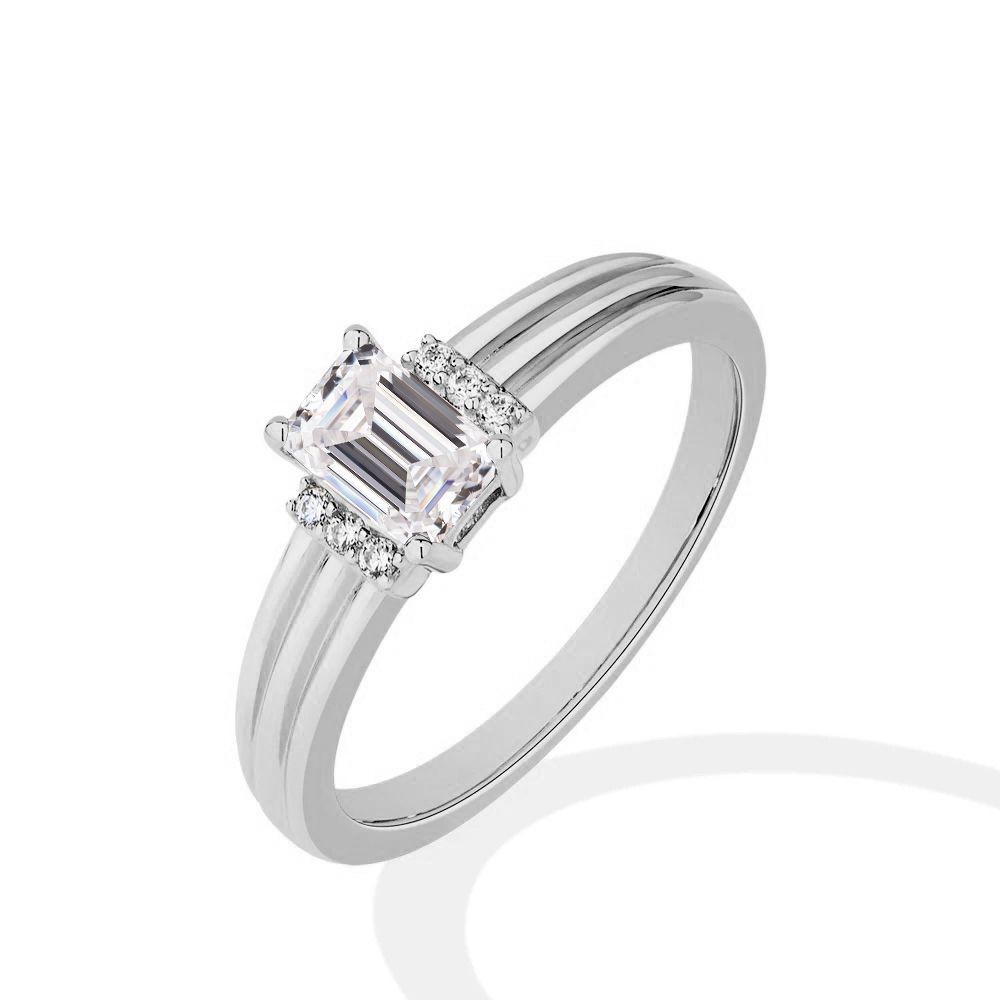
Of all the ways to hold a center diamond or moissanite, few carry as much romance as the cathedral setting. Borrowing its name from the arched ceilings of great cathedrals, the design uses two tapered rails that sweep up from the shank and cradle the stone above the band. The result is a ring that feels architectural, elegant, and quietly dramatic-the kind of silhouette that catches light from across a room without looking loud.
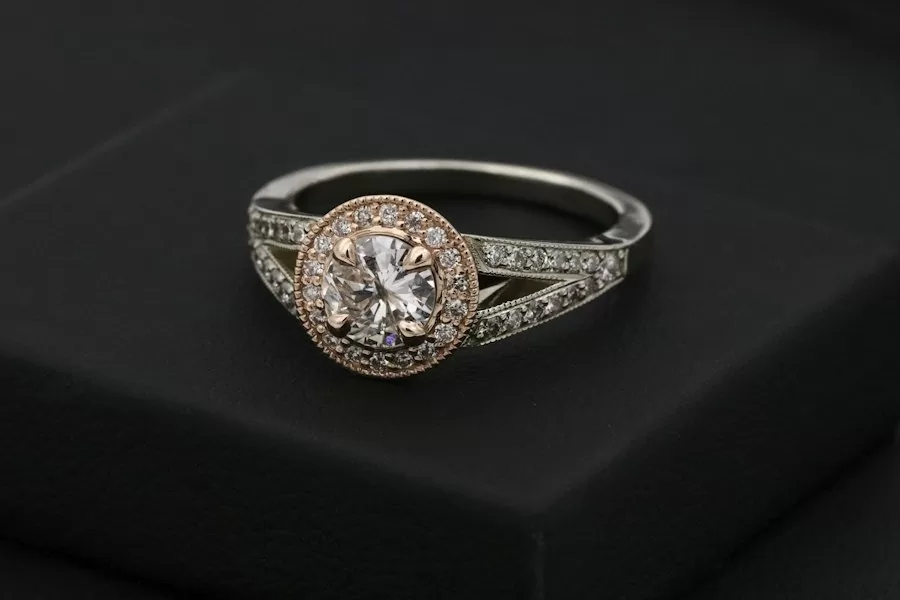
Brides who want a traditional engagement ring with a little more presence than a plain solitaire keep gravitating to this style. The arches add visual weight to the upper half of the ring while keeping the lower band slim and comfortable, which is a rare balance in bridal jewelry. If you are trying to decide between a cathedral, a halo, or a simple prong head, it helps to understand exactly what the setting does-and what it costs in trade-offs.
What a cathedral setting actually is
A cathedral setting is defined by its shoulders. Instead of a straight, horizontal basket sitting flat on the finger, the shoulders rise at an angle and meet the stone from the sides. Most designs use two symmetrical arches, but variations include split shoulders, open cut-outs, and arches set with pavé diamonds. The center stone itself is held by prongs-commonly four or six-and the cathedral element is purely structural and decorative.
The practical effect is elevation. Because the stone sits higher off the finger, more of its pavilion is exposed to light. For a well-cut round or moissanite, that extra exposure tends to improve brilliance, since light enters through the crown and exits through the sides rather than being blocked by a thick metal basket.
Why brides choose it
The cathedral style reads as timeless rather than trendy. It has appeared in engagement rings for generations, which means it photographs beautifully in both modern and vintage-inspired wedding galleries. Several qualities make it a repeat best-seller:
- Height and presence. The lifted stone makes a center piece look larger than its actual carat weight, an advantage for brides who want impact without a giant price tag.
- Finger lengthening. The upward-sweeping arches draw the eye vertically, which visually elongates shorter fingers. This is one reason the style flatters petite hands so well.
- Soft, romantic lines. Unlike a sharp bezel or a geometric tension setting, cathedral curves feel feminine and classic-an easy match for lace, silk, and traditional gowns.
- Customizable detail. The shoulders can carry pavé, milgrain, or engraving, letting a plain solitaire evolve into something personal.
If you are comparing setting families, our overview of prong, bezel, and pavé settings covers the basket styles that cathedral designs usually pair with.
How it fits with a wedding band
One of the first questions brides ask is whether a cathedral setting plays well with a wedding ring. Because the arches lift the stone, the band underneath is often smooth and flat, which means a straight wedding band usually slides snugly against it. That is a genuine advantage over high halos or tension settings, which can leave an awkward gap.
That said, very tall cathedral arches can still pinch the top edge of a thick band. If the shoulders rise aggressively, a slim comfort-fit band will sit closer than a wide pipe-cut ring. When in doubt, bring the engagement ring to your band fitting, or review our guide to matching a wedding band to your setting. A curved or contoured band is rarely needed for a cathedral, but it is always an option if you want a seamless fit.
The trade-offs to weigh
No setting is perfect, and cathedral designs have a few honest drawbacks. The elevated stone catches on knit sleeves and hair more easily than a flush bezel, so brides with active hands may find themselves twisting the ring slightly awkwardly. The arches also create small crevices where lotion and dust collect, meaning the ring needs more frequent cleaning than a smooth solitaire. On the plus side, moissanite stays brilliant with very little upkeep, and a quick soak in warm soapy water restores sparkle in minutes.
The open arches can also trap light from below, which is usually a benefit, but it makes any inclusion or asymmetry in the pavilion more visible. Buying a well-cut, clean stone matters more here than in a closed basket. If you are sourcing loose stones, our moissanite carat-to-mm guide helps you size a center stone that proportions well with the arch width.
Metal choices and styling
Cathedral settings work in every metal. Yellow gold softens the arches and leans vintage; white gold or platinum brightens the stone and feels modern; rose gold warms the silhouette for a romantic, bridal look. Because the shoulders themselves carry the design, the style does not rely on colored gemstones to be interesting. Many brides keep the center stone colorless and let the metal do the talking.
For a layered look, some jewelers add a thin halo beneath the cathedral stone, creating a cathedral-halo hybrid. Others keep it clean with four prongs and unadorned arches. Both directions sell well; the decision usually comes down to whether the bride wants timeless restraint or a little extra fire.
Is a cathedral setting right for you?
Choose a cathedral engagement ring if you love classic silhouettes, want your stone to sit high and catch light, and plan to wear a simple straight wedding band. Lean away from it if you prefer a low, snag-free profile for gardening, gym work, or typing, or if you want a completely flush, modern look. For most brides, the cathedral hits a sweet spot: recognizable enough to feel traditional, distinctive enough to feel personal.
Whichever direction you choose, the best cathedral rings are the ones where the arches look effortless rather than overworked. When the proportions are right, the stone appears to float-a small piece of architecture on the hand that feels, appropriately, made for a celebration.
The history and conventions of engagement rings are outlined in the Wikipedia entry on engagement rings.
Frequently Asked Questions
What ring sizes can you supply in bulk?
US sizes 5–12 including half sizes. Send a size breakdown with your order and we cast to that curve; comfort-fit inner bands reduce resize requests.
Can I order a mixed size run instead of one size?
Yes. Mixed runs are standard for wholesale: specify quantity per size and we pack and label by size at no extra labor cost.
What is the MOQ for custom ring designs?
50 pieces per design for existing molds; 100–300 pieces when a new mold or CAD model is required.
How should I price rings for retail margin?
Most partners use a 3–4x markup on FOB cost for sterling and 2.5–3x for moissanite solos, which keeps landed cost under 30% of retail.
Send your spec sheet — stone, cut, size, plating and quantity — and we will return a costed timeline.
Ask the workshop