Engagement Rings
Cathedral Setting Engagement Rings: What Buyers Should Know
Among the many ways to hold a center stone, the cathedral setting is one of the most quietly elegant. Two shoulders of metal rise from the band and sweep inward to cradle the stone, lifting it above the finger so light hits it from more angles. The name evokes the arched ceilings of a cathedral, and the comparison is apt: the design feels structural, soaring, and intentionally graceful. For couples who want a ring that reads romantic without leaning vintage, the cathedral is a dependable choice that never looks dated.
Why the lifted profile matters
The first practical benefit of a cathedral is height. By raising the stone above the band, more light enters through the pavilion, which boosts brilliance. On a moissanite center, where fire is already strong, that extra exposure makes the stone dance in normal room lighting. The lift also creates shadow beneath the stone, giving the ring depth and presence that a low, flush setting cannot match.
Height also changes how the ring sits on the hand. A cathedral draws the eye upward, elongating the finger. This is especially flattering on shorter or wider fingers, where a low-set stone can look cramped. Brides with slim fingers often find the added visual weight balances their hand nicely, too.
Durability and daily wear
The arched supports do more than look beautiful; they also protect the center stone. The shoulders brace the basket from the sides, so a bump against a table edge is absorbed by the metal rather than the prongs. That said, the raised profile can catch on knits and gloves more easily than a flush bezel, so brides who work with their hands should know the trade-off. A low-set bezel or tension-style ring might suit an active lifestyle better, which is why it helps to understand the full landscape of prong, bezel, and pave settings before deciding.
Prong tips on a cathedral should be checked at every cleaning visit. Because the stone sits high, the prongs take the brunt of accidental taps. Routine prong retipping every year or two keeps the center secure and avoids a lost stone incident.
Pairing with a wedding band
One detail couples overlook is the gap. A cathedral that arches high off the finger can leave space between the engagement ring and a straight wedding band, creating a visible gap when the two sit side by side. This is not a flaw, but some brides prefer a flush fit. The fix is a contoured or notched band that follows the curve of the cathedral. If you are advising a customer, bring out a matching curved band so they can see the stack together before the wedding day.
For reference, our deeper breakdown of moissanite engagement setting styles covers how cathedral sits relative to prong and bezel alternatives.
Customizing the look
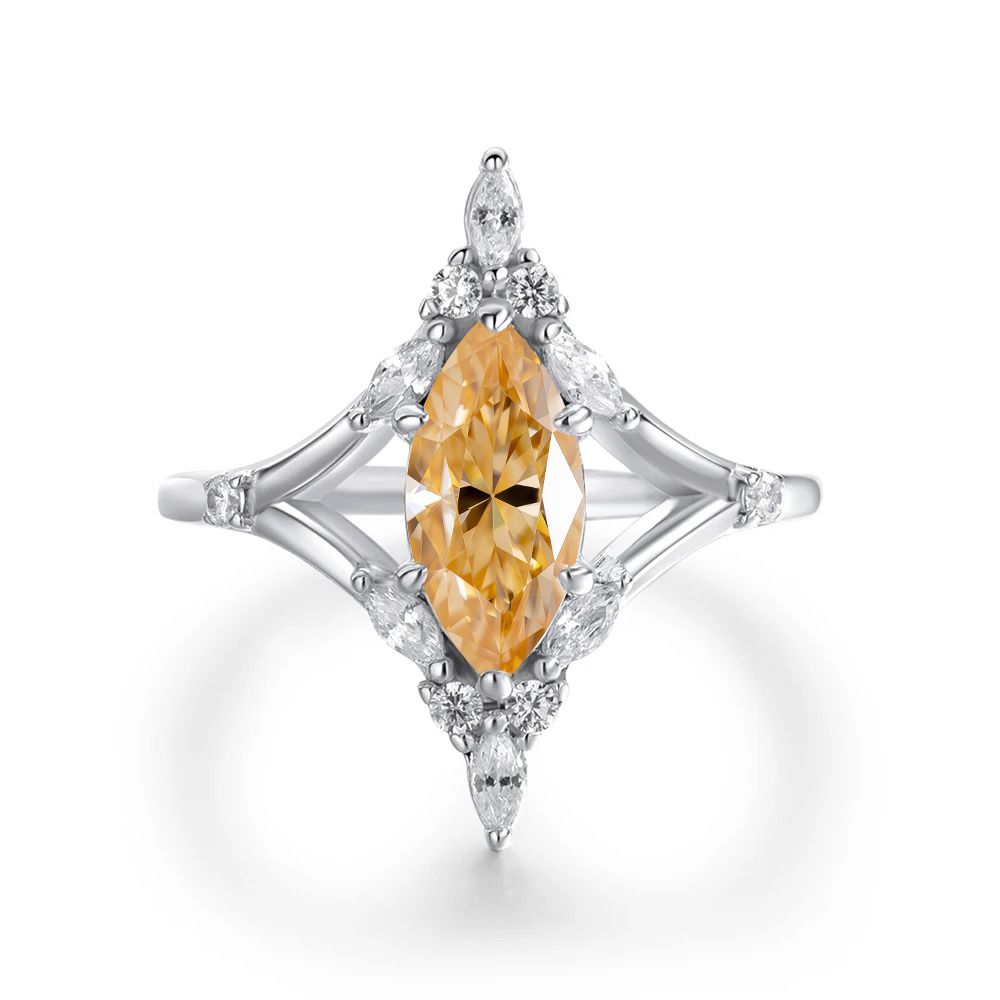
Cathedrals are easy to personalize. The arches can be slim and modern for a minimalist bride, or split into delicate double shoulders for a softer, vintage feel. Adding pave diamonds or moissanite along the arches raises the sparkle level and the price point, while leaving the shoulders plain keeps the design quiet and elegant. A hidden halo beneath the center stone is another popular upgrade that surprises from the side angle.
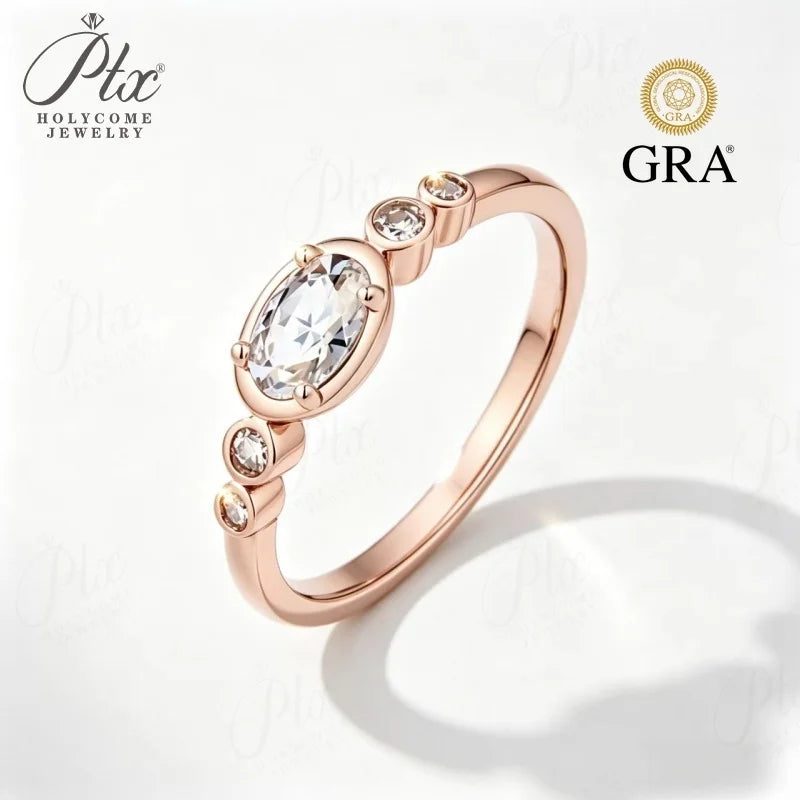
Metal choice shifts the mood sharply. White gold or platinum reads crisp and contemporary, yellow gold reads warm and timeless, and rose gold softens the arches into a blush-toned romance. Because the cathedral is a neutral silhouette, it adapts to whichever metal trend a customer prefers.
Who the cathedral suits
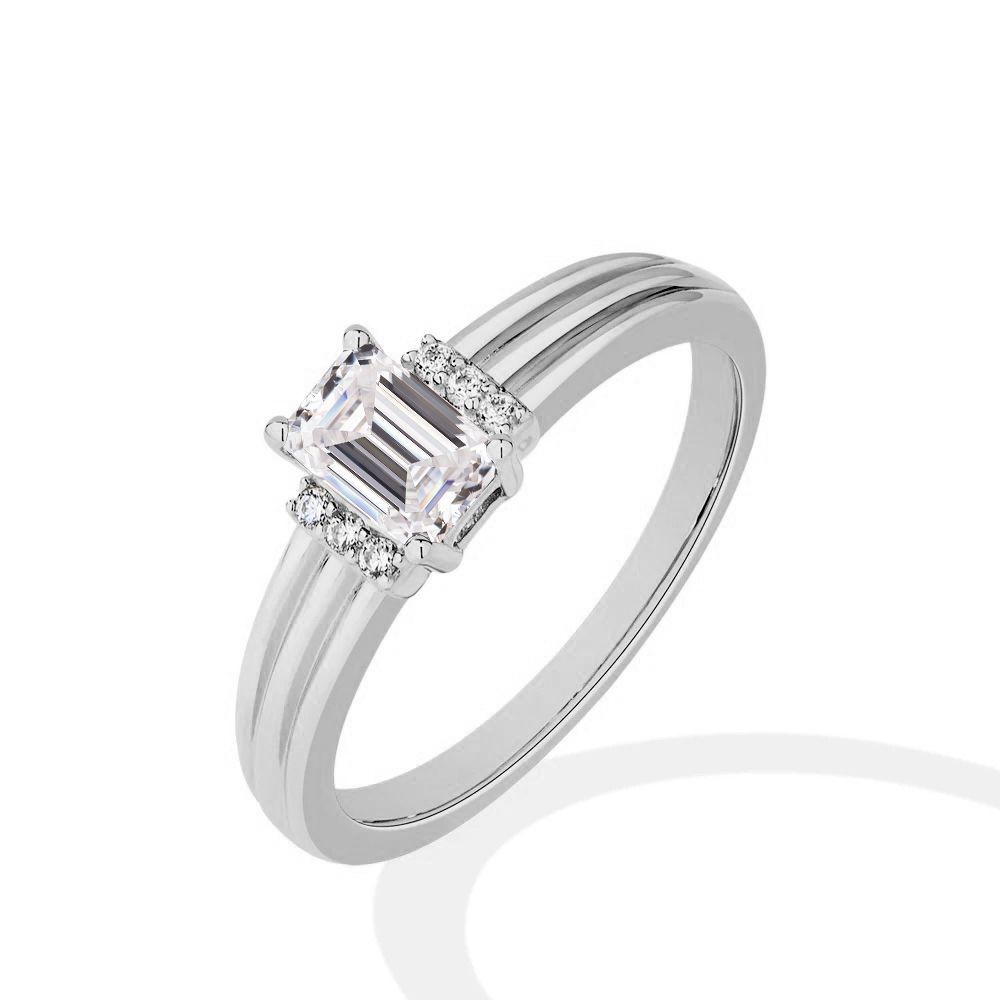
This setting is ideal for brides who want a romantic, elevated look and who do not mind a slightly taller profile. It pairs beautifully with round, oval, pear, and cushion centers, though a rectangular emerald cut can look especially architectural in a cathedral frame. It is less necessary for a very low-profile lifestyle buyer, and those customers may be happier with a bezel-set ring designed for active wear. When in doubt, ask the bride about her daily routine before steering her toward the height.
For jewelers, the cathedral is a versatile staple. It photographs well, it stacks well with a curved band, and it reads as a higher-tier design even with a modest center stone. Keeping two or three cathedral silhouettes in different metals gives you an answer for nearly every bride who asks for something romantic but not overly ornate.
The takeaway
The cathedral setting earns its enduring popularity by balancing beauty and function. It lifts the stone for brilliance, braces it for durability, and flatters a range of finger shapes. The only real caveat is the band gap and the slightly taller daily profile. Once a bride understands both, most are happy to choose a setting that feels as meaningful and intentional as the moment itself.
The International Gem Society moissanite guide explains how moissanite performs in daily wear compared with diamond.
Authoritative References
For buyers who need to verify the technical and regulatory basis of this guide, the following independent institutions publish authoritative reference data:
- FTC Advertising FAQs - U.S. guidance on truthful marketing and disclosure.
- Wikipedia: E-commerce - online retail and marketplace background.
Frequently Asked Questions
What ring sizes can you supply in bulk?
US sizes 5–12 including half sizes. Send a size breakdown with your order and we cast to that curve; comfort-fit inner bands reduce resize requests.
Can I order a mixed size run instead of one size?
Yes. Mixed runs are standard for wholesale: specify quantity per size and we pack and label by size at no extra labor cost.
What is the MOQ for custom ring designs?
50 pieces per design for existing molds; 100–300 pieces when a new mold or CAD model is required.
How should I price rings for retail margin?
Most partners use a 3–4x markup on FOB cost for sterling and 2.5–3x for moissanite solos, which keeps landed cost under 30% of retail.
Send your spec sheet — stone, cut, size, plating and quantity — and we will return a costed timeline.
Ask the workshop