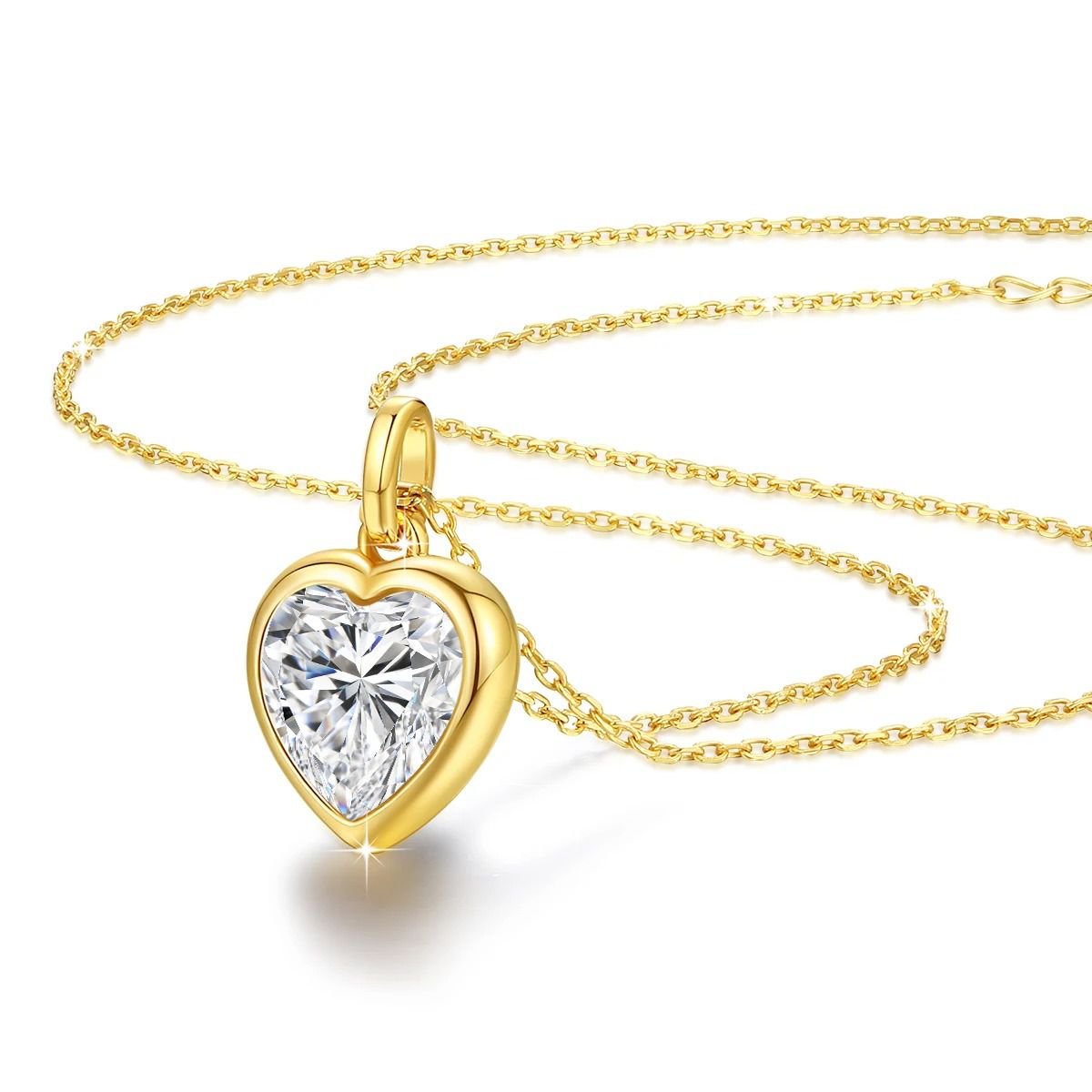
Necklaces & Pendants
Which Bridal Pendants Actually Reorder: A Sell-Through Guide for Buyers
Bridal pendants look easy to buy. Every trade show displays a wall of teardrops, halos and solitaire drops, and it is tempting to assume any of them will sell. In practice, the sell-through gap between pendant silhouettes is wide, and the shapes that earn repeat reorders in a bridal boutique are a much shorter list than the runway suggests. Buyers who treat every pendant as equally sellable end up with a drawer of slow movers by season's end.
Chain metal pairings that move
The chain is half the sale, and most boutiques under-stock the chain options that actually close it. Brides buying a pendant almost always want a chain they can wear separately after the wedding, which means the chain should be a fine cable or box chain at 0.8 to 1mm, not a thick cable that reads as costume. White gold pendants sell best on white gold chains; mixing yellow and white reads as a mismatch to most bridal buyers. Sterling silver chains are acceptable at the entry tier but tarnish in a jewelry box over the year between engagements and anniversaries, so upsell the 14k chain as a small add-on rather than including it for free. Stock 16 and 18 inch lengths in each metal, and keep a small handful of 20 inch extenders for high-neckline gowns.
The silhouettes that move
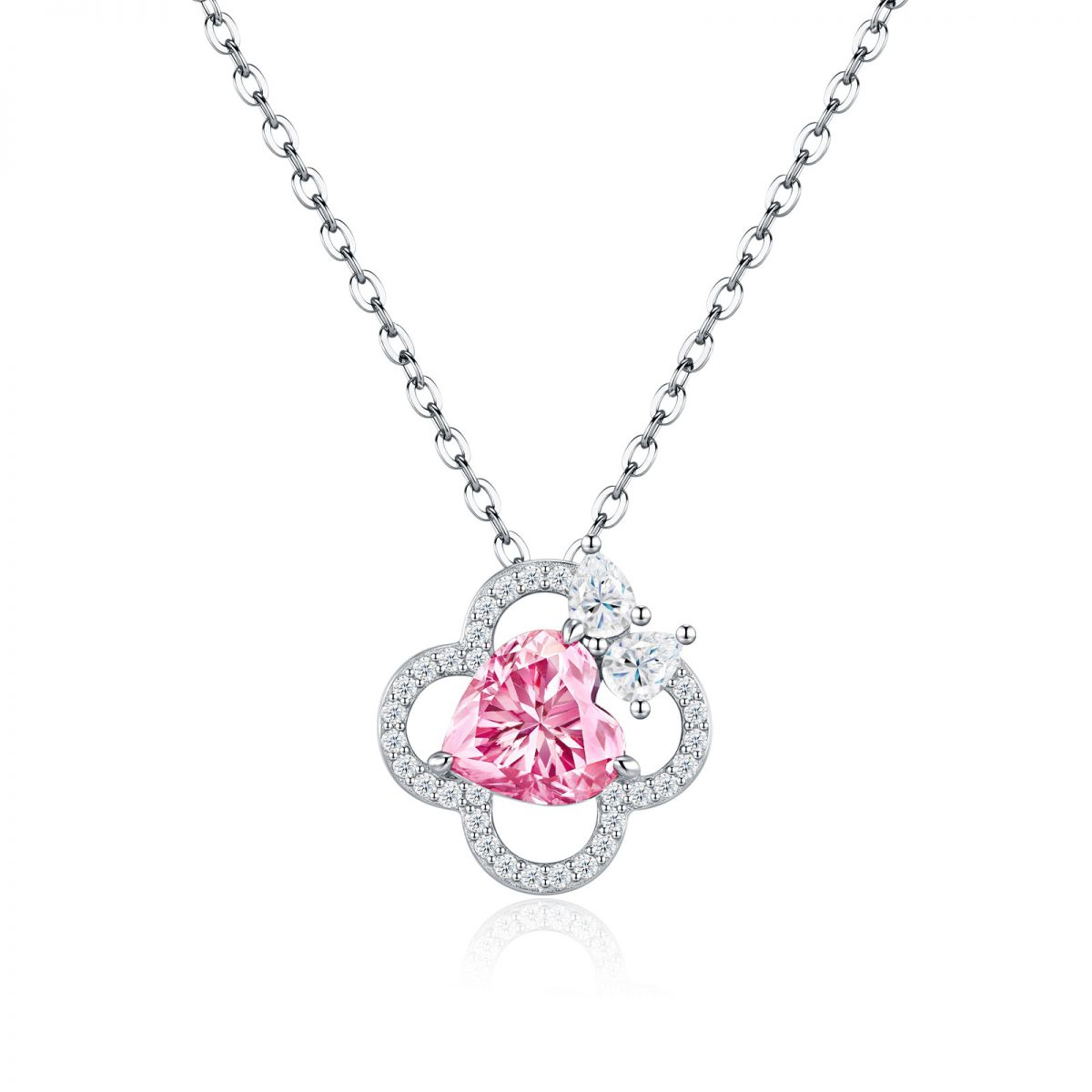
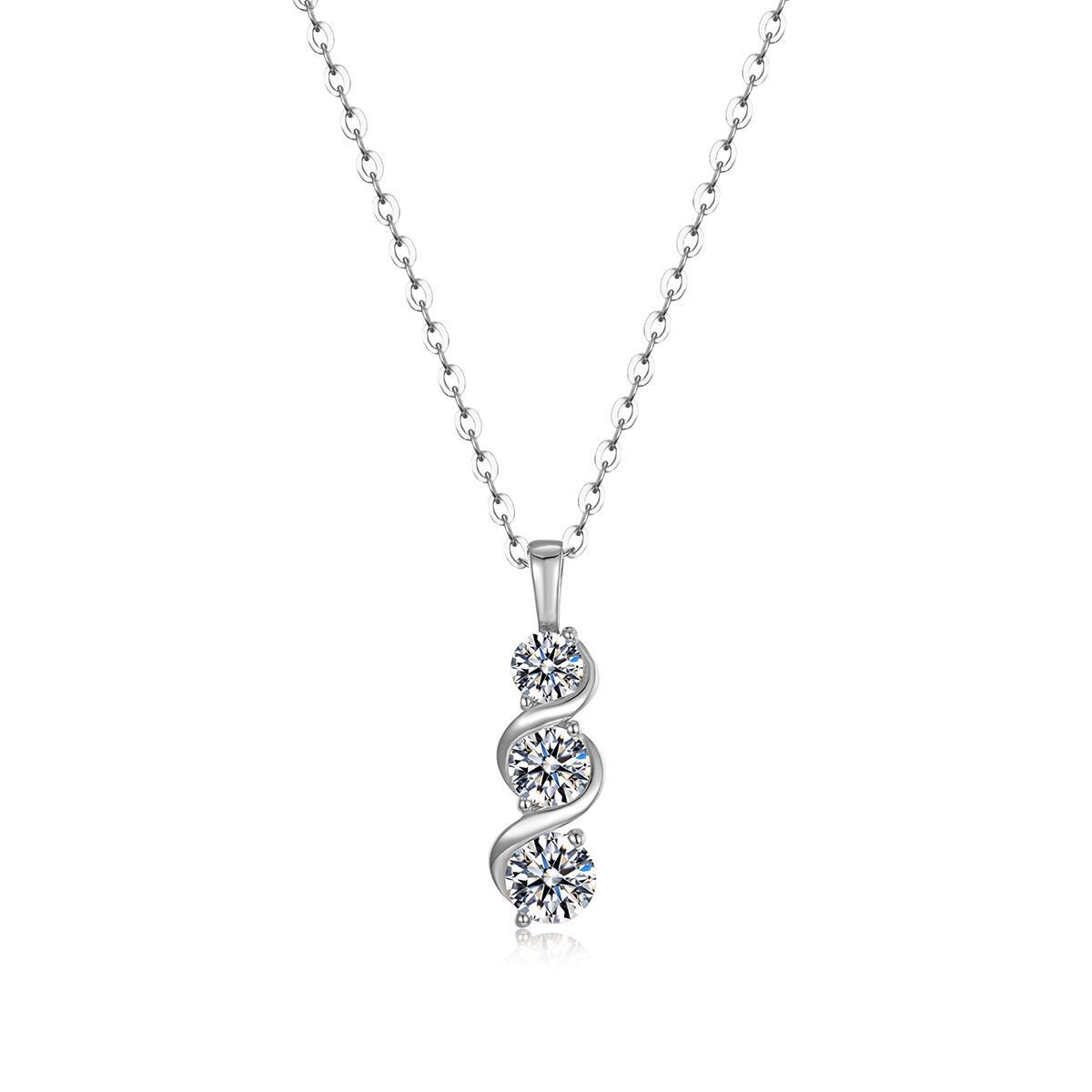
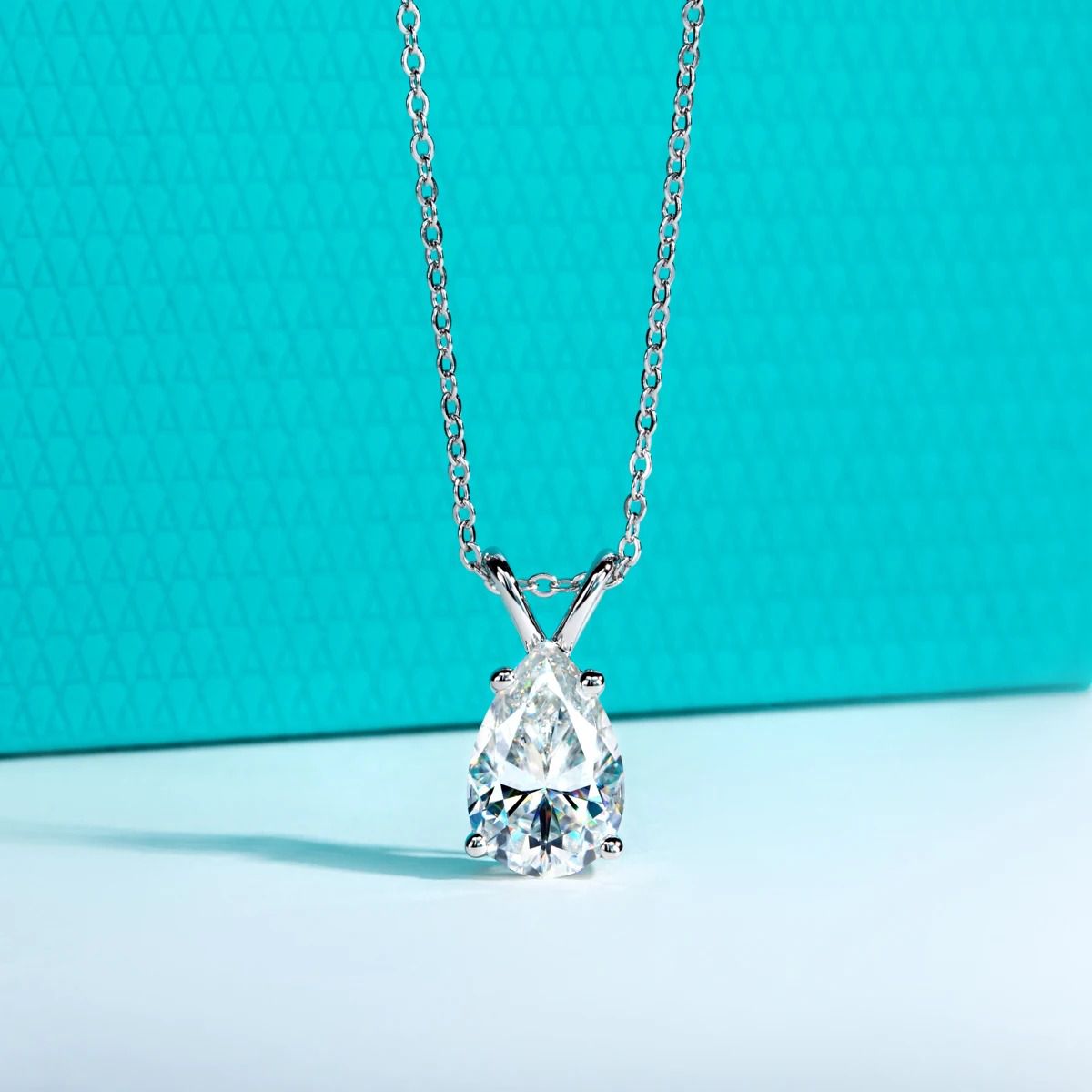
Across independent bridal boutiques, four pendant shapes carry the reorder velocity. The first is the single-stone solitaire on a 16- to 18-inch chain, usually 6 to 8mm, prong or bezel set. This is the safest SKU in the category because it is the pendant brides picture when they imagine "something simple." It reorders fastest because it pairs with every gown neckline and re-wears every day after the wedding. The second is the petite halo pendant, a center stone ringed by small moissanite; it reads more generously than a solitaire of the same center carat and sells to brides who want more sparkle without the budget of a diamond halo. The third is the three-stone pendant, traditionally interpreted as past, present and future, which carries a strong anniversary and Mother's Day secondary lift. The fourth is the teardrop or pear-shaped drop, which is the most photographable against a plunging gown line.
The silhouettes that slow down
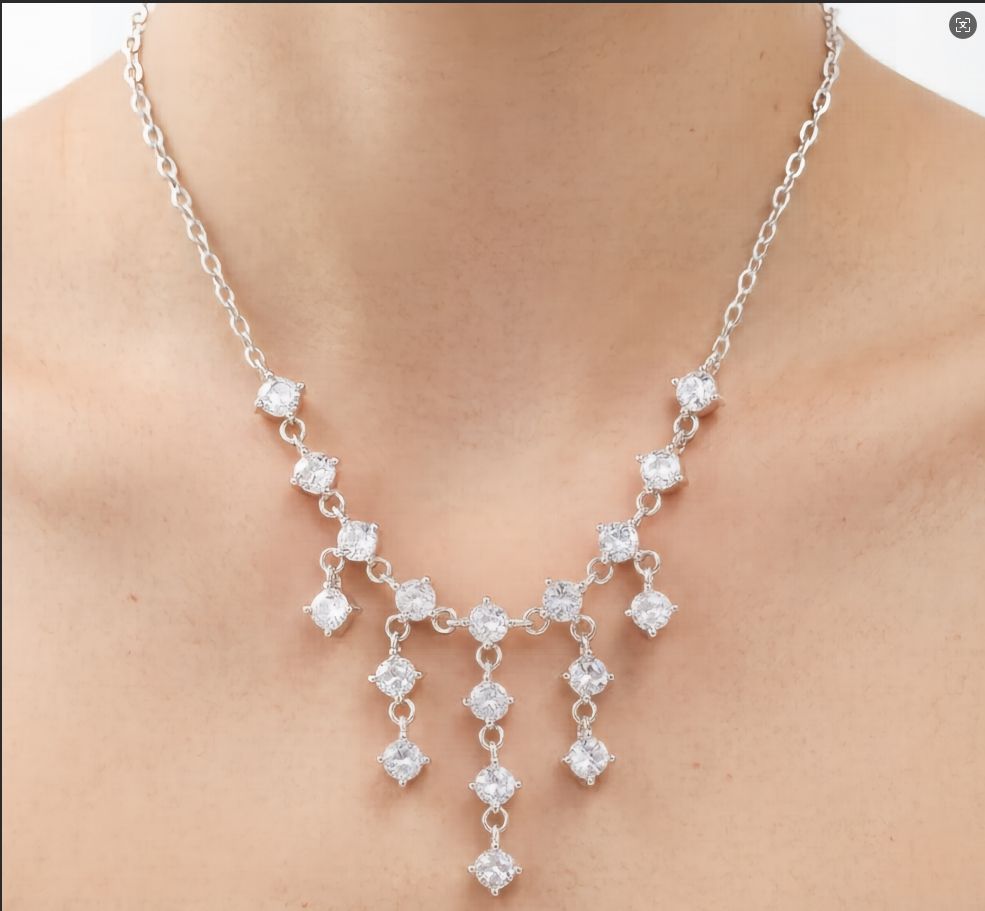
Chandelier pendants, collar-style pieces, and oversized statement pendants under 20mm read beautifully on a model but move slowly in bridal boutiques because they compete with the gown itself. Brides buying a wedding-day pendant are, almost by definition, looking for something that does not compete. Save the statement pieces for a general-accessory wall rather than the bridal pendant case. Layered necklace sets also underperform in bridal boutiques; they sell in fashion retail, but brides buying for a single day want one piece that reads cleanly in photographs.
Price points and chain pairings
Bridal pendants sell at three clean price tiers. Under $150 retail, sterling silver vermeil with a 6mm moissanite covers the budget bride and the bridesmaid-gift buyer. At $250 to $450 retail, 14k gold with a 7 to 8mm stone is the sweet spot for the bride who wants a pendant she re-wears. Above $600, platinum or 14k gold with a halo and a fine Italian chain is the heirloom tier. Pair each pendant with the chain length the gown neckline calls for: 16 inches for strapless and sweetheart, 18 inches for V-neck, and a 20-inch for higher necklines. Stocking the pendant without the correct chain length costs the sale about a third of the time.
The mother-of-the-bride secondary lift
Bridal pendants have a second buyer most boutiques under-merchandise: the mother of the bride and the mother of the groom. They are in the store on the same day, wearing a sheath or a jacket, and they want a small pendant that reads at the rehearsal dinner without outshining the bride. Carry one small solitaire and one petite halo in a 5 to 6mm size specifically for this customer. The reorder rate on that SKU is disproportionately high relative to its shelf space.
What to ask your supplier
Ask which pendant silhouettes the factory runs in repeat production versus one-off sample runs. Repeat-production pendants ship faster and at lower minimums; one-off samples tie up your cash. Confirm the chain is included at the wholesale price, not sold separately, and that the clasp is a lobster claw rather than a spring ring, which brides find fiddly on a wedding day. our moissanite pendant collection lists reorder lead times and chain pairings on each SKU, so you can plan depth against the sell-through tiers above instead of guessing.
The pendant case that reorders is the one stocked like a restaurant menu: a few clear bestsellers at the top, not twelve variations of the same idea. Cut the slow silhouettes at the end of each season and reinvest that shelf space in the shapes that actually turn.
For third-party reference, the Wikipedia article on moissanite details moissanite’s discovery, optical properties and use in jewelry.
Frequently Asked Questions
Which chain lengths should I stock first?
16 to 18 inch covers most necklines and gift purchases. Add 20 inch for layering sets and 24 inch for pendant lines.
Are your chains nickel-free and hypoallergenic?
Yes. Sterling silver is 92.5% silver; stainless lines use 316L. Both are nickel-safe for reactive customers when plated correctly.
Can necklaces be personalized?
Laser engraving on pendants and clasps is available from 50 pieces, with 3–5 day turnaround on the engraving step.
What is the bulk lead time?
15–20 days under 500 pieces; 25–30 days for custom pendants or new molds.
Send your spec sheet — stone, cut, size, plating and quantity — and we will return a costed timeline.
Ask the workshop