Engagement Rings
Stocking Bezel-Set Moissanite Rings for Hands-On Brides: A Buyer's Guide
Nurses, surgical techs, chefs, preschool teachers, farmhands and fitness instructors walk into bridal shops with the same complaint: a prong-set solitaire catches on gloves, sinks into dough, nicks small wrists and looks wrong under a sterile gown. They want an engagement ring they can actually wear on a Tuesday, not just at the rehearsal dinner. That customer segment is large, underserved, and almost never pitched correctly by generic wholesale catalogs.
Metal choice for a working ring
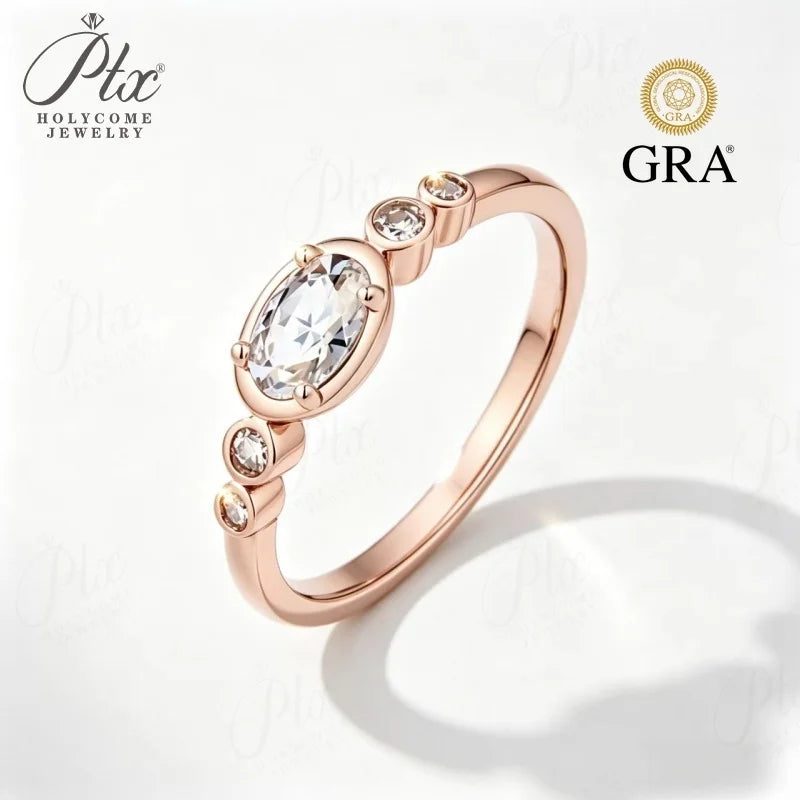
The metal matters as much as the setting for hands-on brides. 14k yellow gold is the most forgiving: it hides minor scratches, resists dents better than platinum for daily use, and suits brides who work outdoors or with their hands in soil. 14k white gold carries a rhodium plating that needs a refresh every two years, which is a service conversation to have up front rather than a surprise in year three. Platinum is the most durable but also the softest, and it develops a patina that some hands-on brides dislike. Rose gold sells to younger buyers but carries copper in the alloy, which can discolor skin in hot, humid climates. For a boutique serving a mixed clientele, stock 14k white and yellow as the core, and carry rose gold as a seasonal accent rather than a depth SKU.
Why a bezel changes the daily-wear math
A bezel setting wraps a thin rim of metal around the girdle of the moissanite instead of lifting the stone above the band on four or six points. For hands-on wearers this changes everything. The stone sits flush, or nearly flush, with the band; there are no points to catch on nitrile gloves, dish brushes or gym equipment; and the rim protects the girdle from side knocks against counters, railings and doorframes. Moissanite's 9.25 on the Mohs scale already makes it far more scratch-resistant than anything below sapphire, but a bezel removes the one failure point prong settings expose: chipped edges from lateral impacts.
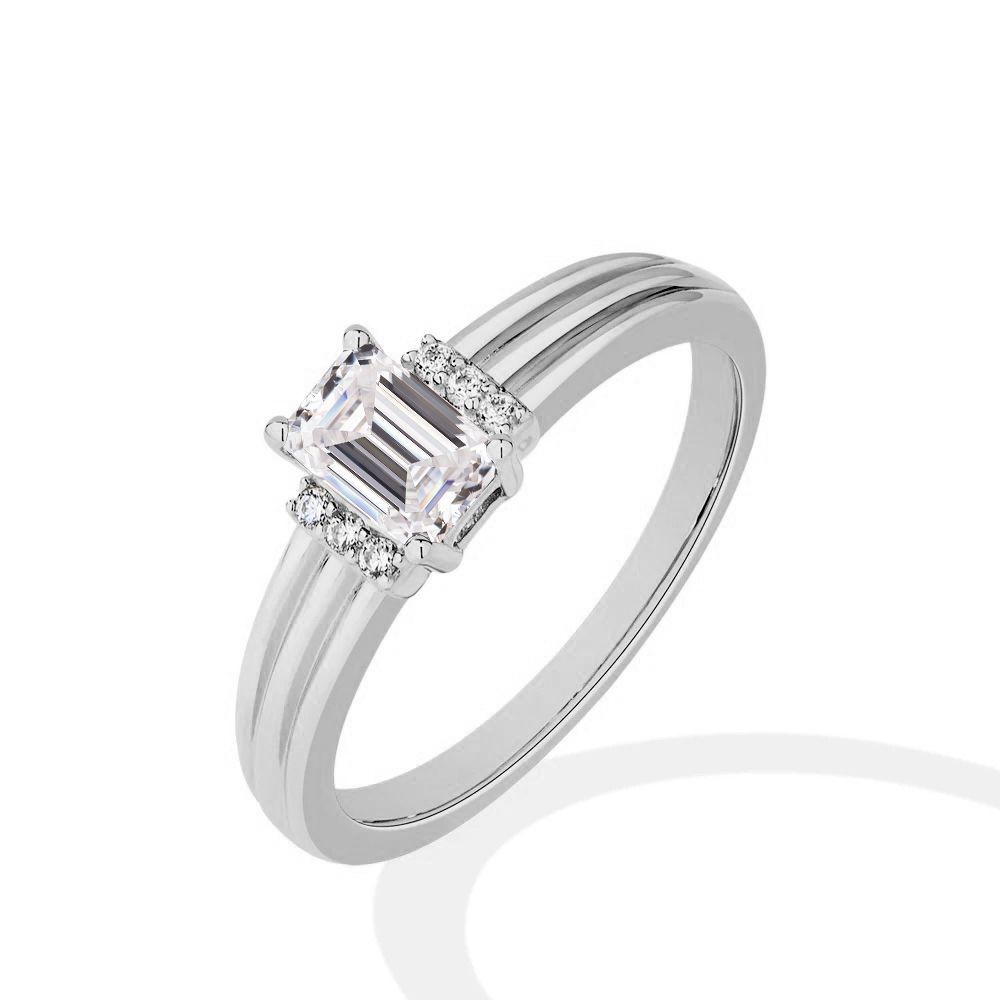
Round brilliant, oval and cushion cuts translate cleanly into bezels. Emerald and Asscher cuts need a slightly thicker rim to protect their corners, so buyers should ask suppliers which cuts they spec for active inventory rather than assuming every bezel SKU is equivalent. Slim bezels under 1mm of rim read delicate and sell to younger, style-driven buyers; heavy bezels at 1.5 to 2mm read architectural and sell to buyers who want the setting to read as protective armor rather than decoration.
What to stock, and at what price ladder
For a boutique serving hands-on brides, depth matters more than breadth. Carat sizes under 1.5ct equivalent move fastest in this segment because the bride is prioritizing function over statement. Stock 6.5mm (roughly 1ct equivalent) and 8mm (roughly 2ct equivalent) round bezels in 14k white, yellow and rose gold across sizes 4.5 through 8. Carry one slim and one heavy bezel per carat tier so the bride can feel the difference in her own hand. Platinum and 950 palladium options widen the margin on the top tier; sterling silver vermeil gives a sub-$200 retail entry point for budget-conscious younger buyers.
Pair each bezel ring with a comfort-fit band that matches the rim profile. A high-domed band under a flush bezel looks wrong in the case photograph and feels wrong on the finger, and brides notice the mismatch immediately.
Objections this customer will actually ask
Hands-on brides ask specific questions your sales staff should be ready for. "Will it catch on my scrub top?" The flush profile answers this: no exposed points. "Can I wash dishes with it?" Yes, but chlorine and bleach will discolor karat gold over years of exposure, so recommend removing before chemical work. "Will the bezel loosen over time?" A well-made bezel is in fact more secure than six prongs, because the stone is held on a full seat rather than at contact points. "Does it look less impressive than a solitaire?" This is where merchandising carries the sale: light the case so the moissanite's fire reads through the rim, and the bezel reads as intentional design rather than a compromise.
What to ask your supplier before reordering
Confirm three things. First, the seat: the moissanite should sit on a full bearing, not be pressure-set without a seat. Second, the rim interior: ask for a polished inside edge so the bezel does not abrade neighboring fingers during long workdays. Third, the finish: a brushed or satin bezel hides micro-scratches better than a high polish, and hands-on brides will notice six months in when the ring still looks cared-for. our bezel-set moissanite rings ship with rim width, finish and seat construction documented on the tag, so your staff can answer these questions without guessing.
The hands-on bride is not a niche. She is the majority of working women under forty, and the boutiques that spec their inventory around her daily routine win the referrals that other shops pay for in advertising.
The Wikipedia article on rhodium explains why rhodium plating is applied to white gold and silver jewelry.
Frequently Asked Questions
Is moissanite a good diamond alternative for retail buyers?
Yes for price-sensitive customers who want brilliance and hardness. Moissanite ranks 9.25 on the Mohs scale, holds up to daily wear and costs a fraction of a natural diamond of the same size, so it resells fast in bridal and fashion lines.
What is the minimum order for wholesale moissanite?
MOQ starts at 50 pieces per design for stock items. Custom cuts and private-label settings usually start at 100–300 pieces depending on the mold.
Do you provide certificates with moissanite stones?
Yes. Every parcel ships with GRA or IGI documentation listing carat weight, color grade and cut. We recommend passing the certificate to your end customer for trust.
How long does sample and bulk production take?
Samples ship in 3–5 days. Bulk runs take 15–20 days under 500 pieces, and 25–30 days for custom work.
Send your spec sheet — stone, cut, size, plating and quantity — and we will return a costed timeline.
Ask the workshop