Engagement Rings
Bezel-Set Engagement Rings for Active Brides: Durability That Lasts
Every engagement ring is worn, but not every engagement ring is worn the same way. Some sit on a hand that opens mail and holds a coffee cup. Others live on a hand that hikes, kneads dough, gardens, lifts weights, or changes diapers. For the second kind of bride, a prong setting full of upright tips is an invitation to catch on fabric, scratch skin, and eventually loosen a stone. The bezel setting exists for exactly this life.
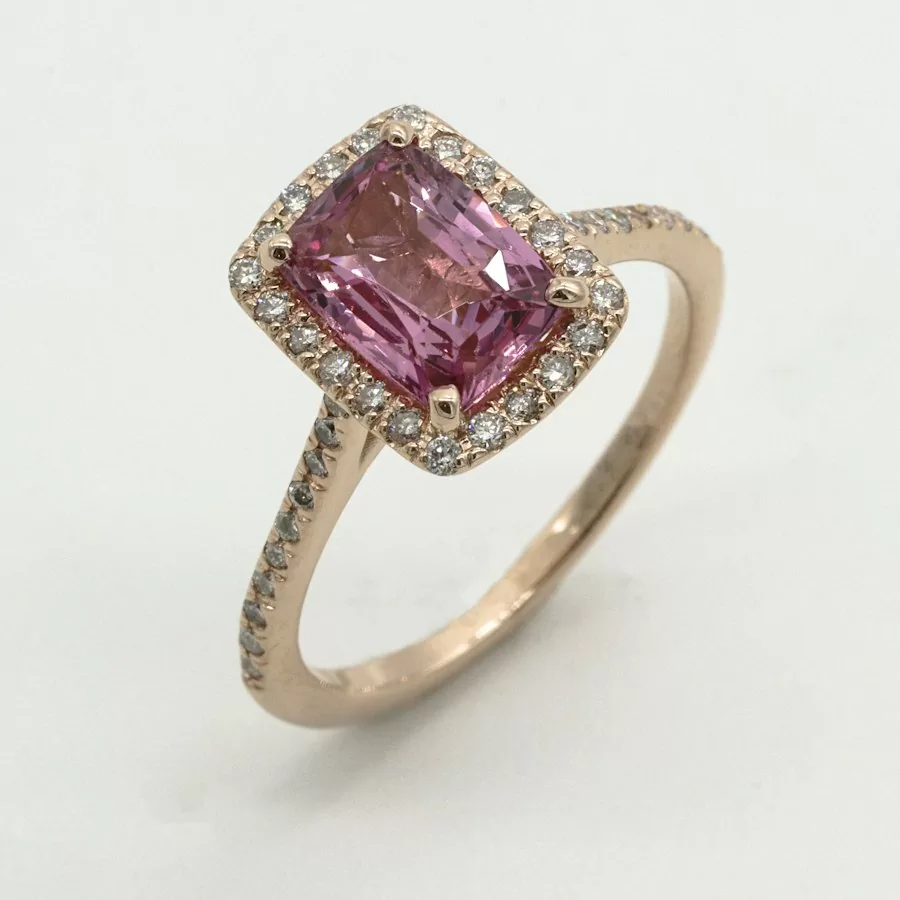
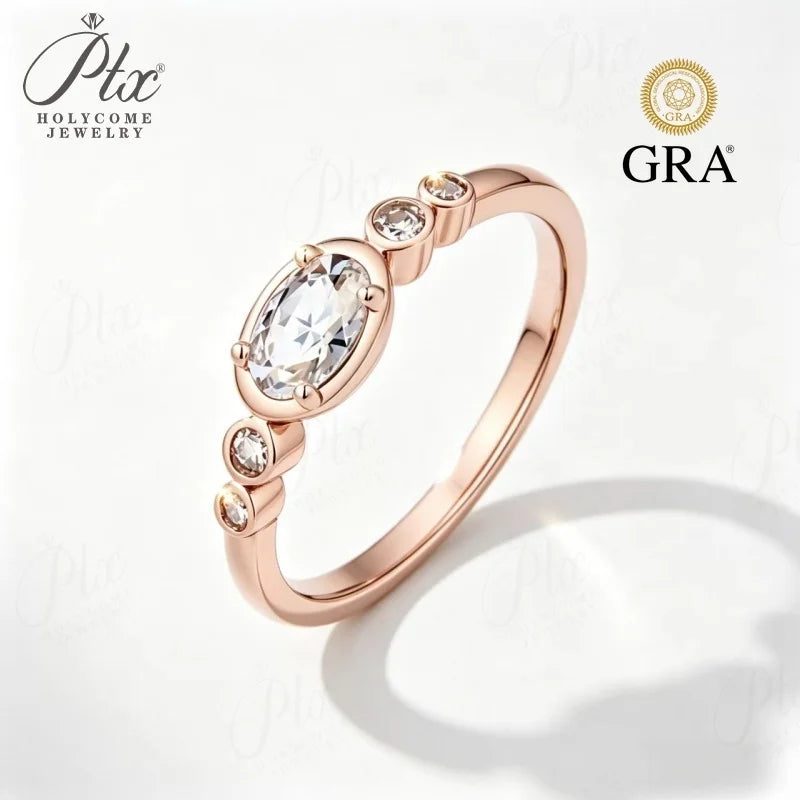
A bezel setting holds the stone inside a thin rim of metal that wraps around its girdle. The edge of the stone is protected; there are no prongs to bend, no tips to catch on a sweater. The ring also sits low, so it does not catch on steering wheels or gym equipment. It is, in plain terms, the most durable everyday setting short of a flush mount.
Why active brides choose it
The practical case is strong. A prong can catch on a yoga mat, a gardening glove, or a child's hair and bend without you noticing. Once a prong bends, the stone has room to move, and a moved stone is a lost stone. A bezel has no such weak point. The rim holds the girdle continuously, and even a sharp knock is absorbed by the metal rather than transferred to a single tip.
This does not mean the stone is invulnerable. Moissanite and diamond are tough, but a hard impact directly on the crown can still chip a stone. What the bezel does is remove the most common point of failure: a bent or worn prong. For a bride who will not remove her ring for workouts, that difference is the difference between a ring she keeps and a ring she replaces.
Which cuts work best in a bezel
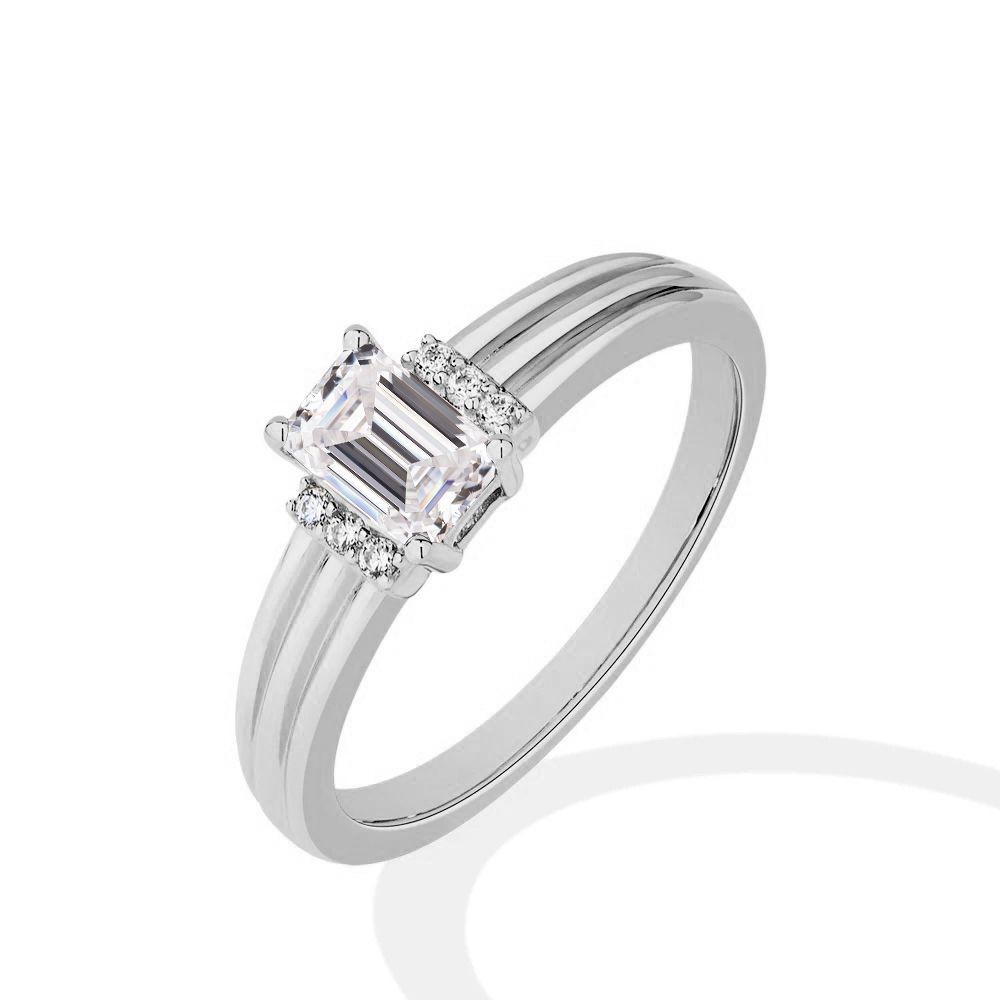
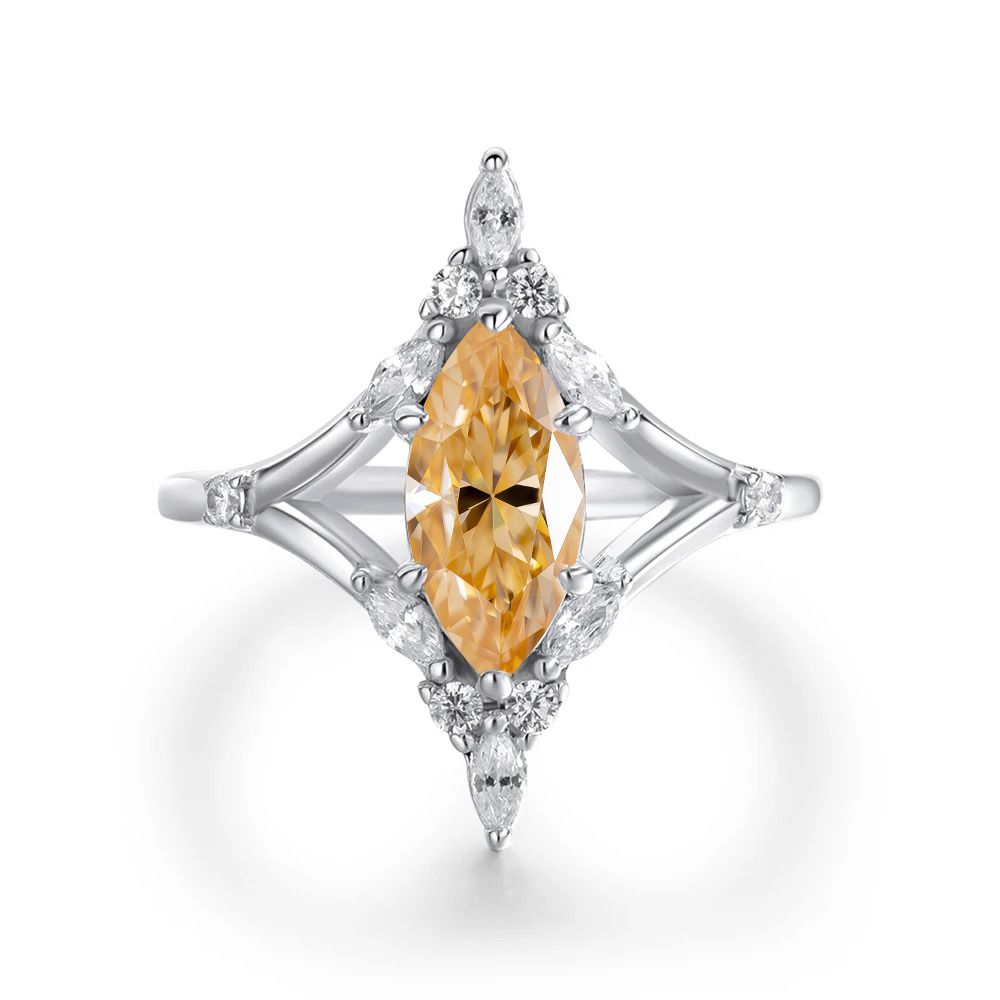
Round stones are the natural bezel partner because the rim follows a circle cleanly. Oval, cushion, and emerald cuts also bezel well because their outlines are regular. Pear and marquise shapes can be bezelled, but the setting needs careful engineering at the point to avoid thinning the rim too much. A well-made pear bezel is a beautiful, modern look; a poorly made one looks lopsided.
Because the bezel covers the outer edge of the stone, slightly less light enters from the pavilion sides. This is usually invisible to the eye, but it means a bezel can mute the sparkle of a very small stone. For stones under 0.5 carat equivalent, consider a thin tension-style bezel or a half-bezel that leaves the edges open. For 0.8 carat and up, the full bezel looks substantial and gorgeous.
Metal and profile
Platinum is the classic bezel metal because it is dense and holds its shape under repeated knocks. White gold works beautifully and costs less, but the rim will need rhodium refresh every few years as the white coating wears on the high-contact edge. Rose and yellow gold bezels warm the look and suit brides who want the setting to disappear into a metal story rather than stand out.
The profile of the bezel matters for comfort. A flat, sharp bezel edge can feel rough against the palm after a long day. A rounded, polished bezel edge glides. When you try one on, run your thumb over the rim; if it catches the skin, ask for a rounded edge. That small detail is what separates a jewelry-store bezel from a piece you actually forget you are wearing.
Pairing a wedding band
Because bezel settings sit low, they are among the easiest rings to pair with a wedding band. A straight band usually sits flush next to a round or oval bezel without needing a contour shape. That makes a matching set simpler and cheaper to buy. If you prefer a modern mixed look, a thin bezel engagement ring stacked with a slim plain band is one of the most timeless combinations in bridal jewelry.
For the active bride, the bezel ring is not a compromise. It is a deliberate choice for a ring that will look the same in ten years as it does on the proposal day. No bent prongs, no tightened settings, no lost stones during a move or a marathon. It just sits there, low and steady, while the hand wearing it lives a full life.
Cleaning is also gentler on a bezel. With no prongs to trap soap, lotion, or lint, a quick soak in warm soapy water restores the shine in minutes. Under the rim, a soft brush once a month keeps residue from building up where the stone meets the metal. For a bride who does not want a ring that needs quarterly servicing, this low-maintenance profile is part of the appeal. It also travels well: a bezel ring in a carry-on bag does not catch on jewelry pouches the way a pronged solitaire does, and it will not scratch other pieces in the same pouch. For couples who hike, fly, and move through life at speed, that quiet durability is worth more than the extra sparkle a prong setting might offer.
Rhodium plating, which gives white gold jewelry its bright finish, is covered in the Wikipedia article on rhodium.
Frequently Asked Questions
What ring sizes can you supply in bulk?
US sizes 5–12 including half sizes. Send a size breakdown with your order and we cast to that curve; comfort-fit inner bands reduce resize requests.
Can I order a mixed size run instead of one size?
Yes. Mixed runs are standard for wholesale: specify quantity per size and we pack and label by size at no extra labor cost.
What is the MOQ for custom ring designs?
50 pieces per design for existing molds; 100–300 pieces when a new mold or CAD model is required.
How should I price rings for retail margin?
Most partners use a 3–4x markup on FOB cost for sterling and 2.5–3x for moissanite solos, which keeps landed cost under 30% of retail.
Send your spec sheet — stone, cut, size, plating and quantity — and we will return a costed timeline.
Ask the workshop