Loose Stones
Loose Moissanite Inventory: Faster Custom Order Turnaround
Custom engagement commissions are where independent jewelers earn their reputation—and where they lose the most sales to waiting. A bride who wants a bespoke setting usually accepts a four to six week lead time in principle, but she rarely starts there. The moment a competitor offers her the same stone in a ring she can wear next week, the custom order slips. The most effective lever a jeweler has is not faster bench work; it is holding the right loose stones in stock so the custom setting can begin immediately.
Why loose stock wins custom orders
A custom order has two parts: the stone and the setting. If the stone has to be ordered, the clock starts on shipping and inspection before the bench even touches wax. Holding loose moissanite on hand collapses that wait. The bride can select her shape and grade in the showroom, see the stone under a loupe, approve the look, and hand it to the bench that afternoon. The perceived turnaround drops from six weeks to a couple of weeks, and the sale—which is the harder part—happens on the spot.
For jewelers building a custom business, loose stock is also a merchandising tool. A velvet tray of loose stones invites conversation far more effectively than a catalog, and brides who touch the stone buy more confidently than those who only imagine it.
Which shapes and grades to keep on hand
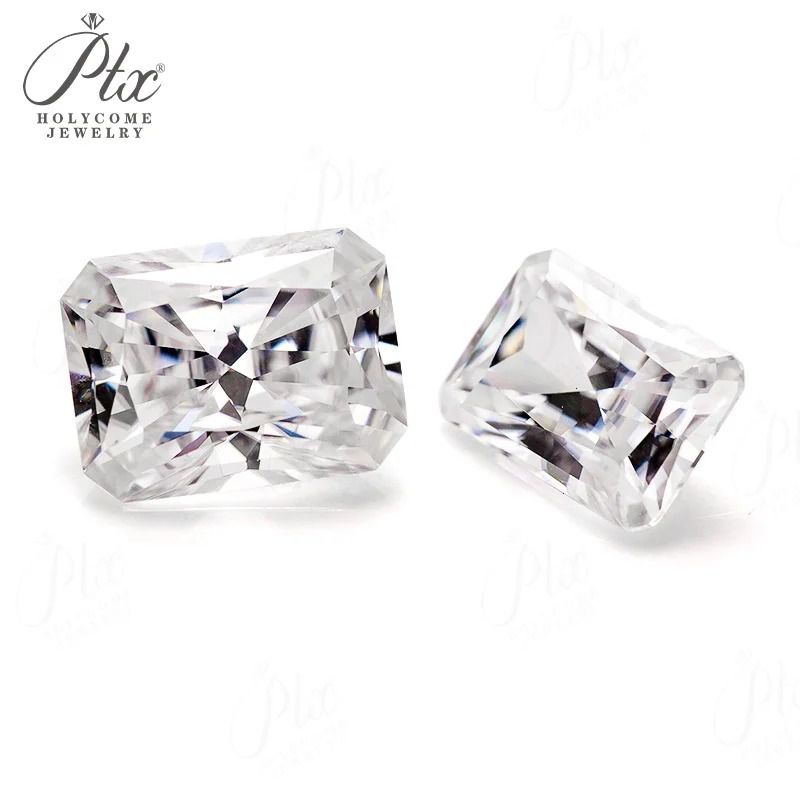
You cannot stock every shape and grade—the goal is to cover the requests you actually get. Start with the shapes that drive the majority of custom commissions: round, oval, and pear, followed by cushion and emerald. Marquise and princess can be ordered on demand unless they are frequent asks in your market.
For grade, most custom brides are choosing D to F color and VVS to VS clarity. Holding a small bench at the top of the commercial range—where the stones look indistinguishable in a setting—covers the majority of requests without tying up capital in exotic grades. Reference your color and clarity grading when describing stones to clients so expectations match what they see.
Carat tier stocking logic
Stock by the carat range brides actually commission, not by the range they ask about. The sweet spot for custom moissanite is 6.5 to 9 mm—the equivalent of roughly 1 to 2 carats. Hold two or three stones in this band across the top shapes. Larger stones (10 mm and up) tie up too much capital for the volume they move; order those on commission. Smaller stones (5 mm and below) are better handled through parcel buys for side stones and accents, not as center-stone inventory.
Certificates and record-keeping
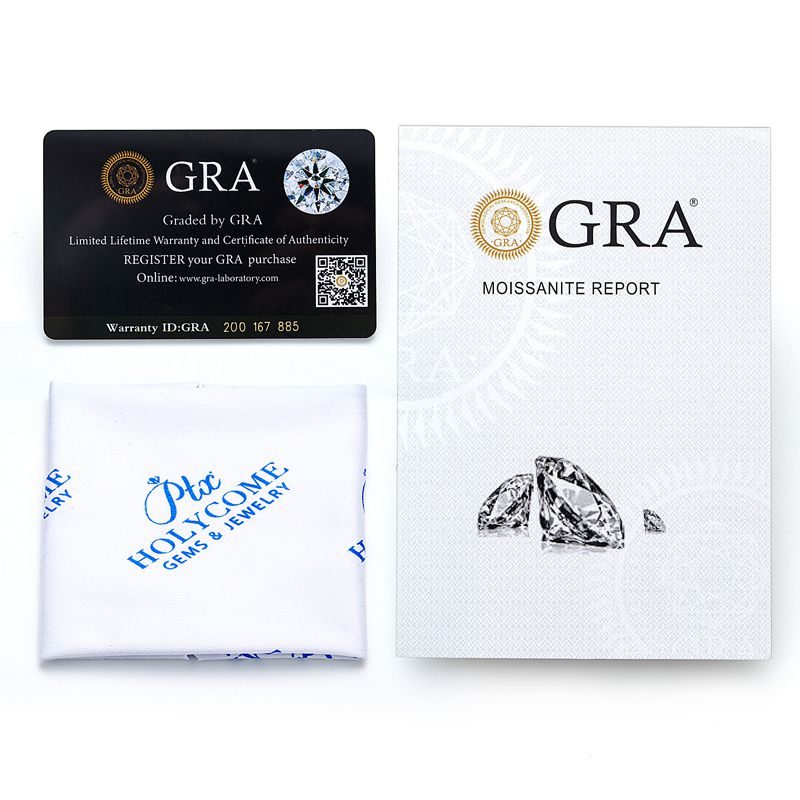
Every loose stone on the bench should arrive with its certificate, and that certificate should travel with the stone. When a bride commissions a setting, she expects documentation of what she is buying. Record the stone's SKU, carat, color, clarity, and certificate number against the work order, and hand the certificate to her when the finished ring is delivered. This is also what protects you if a stone is later questioned—a clean paper trail is worth more than any verbal assurance.
Pricing loose stones vs mounted
A common fear is that selling loose stones separately cannibalizes mounted ring sales. In practice, the opposite happens: a bride who starts with a loose stone almost always needs a setting, and that setting—plus the design fee—is higher margin than a pre-mounted ring. Price the loose stone transparently, then quote the setting and design as a separate line item. The bride sees exactly what she is paying for, and the custom relationship begins on honest footing.
When to stock vs when to order
The rule of thumb: if you have sold two of a shape and grade in the last twelve months, stock one. If you have sold one, keep it on order. If you have never sold it, do not guess. This prevents the loose bench from becoming a graveyard of stones no bride will ever choose. As the custom business grows, the bench naturally tilts toward the shapes your specific clients—not the whole market—are requesting.
Cash flow and turn rates
Holding loose stock ties up cash, so manage it like inventory rather than jewelry. Track which stones turn within ninety days and which sit. A stone that has not been selected in six months can be moved into a mounted ring to free capital rather than left on the bench forever. The goal is a bench that feels full but is actually circulating—stones coming in, being set, and being replaced. Most jewelers find that a bench of eight to twelve core stones covers the vast majority of custom commissions without overextending, and that the capital tied up is earned back through faster closes, not through slower discounting.
A well-run loose bench is a quiet competitive advantage. Most jewelers cannot promise a same-day start; the ones who can win the custom commissions, and with them the referrals that follow. It is one of the few inventory moves where the cost of holding stock pays back in closing the sales you were already about to lose.
Gemstone grading terminology used here follows the Gemological Institute of America’s gem encyclopedia.
Frequently Asked Questions
Is moissanite a good diamond alternative for retail buyers?
Yes for price-sensitive customers who want brilliance and hardness. Moissanite ranks 9.25 on the Mohs scale, holds up to daily wear and costs a fraction of a natural diamond of the same size, so it resells fast in bridal and fashion lines.
What is the minimum order for wholesale moissanite?
MOQ starts at 50 pieces per design for stock items. Custom cuts and private-label settings usually start at 100–300 pieces depending on the mold.
Do you provide certificates with moissanite stones?
Yes. Every parcel ships with GRA or IGI documentation listing carat weight, color grade and cut. We recommend passing the certificate to your end customer for trust.
How long does sample and bulk production take?
Samples ship in 3–5 days. Bulk runs take 15–20 days under 500 pieces, and 25–30 days for custom work.
Send your spec sheet — stone, cut, size, plating and quantity — and we will return a costed timeline.
Ask the workshop