Loose Stones
Radiant and Cushion Cut Loose Moissanite: A Buying Guide
Round brilliants will always dominate loose-stone inventory, but a growing share of brides want something with softer corners and more character. Radiant and cushion cuts fill that demand. Both are rectangular or square shapes that ditch the sharp, hard angles of a princess cut for rounded or trimmed corners, yet they retain a brilliant sparkle. For jewelers buying loose moissanite for custom orders, understanding how these two cuts differ is the difference between a client who gasps and one who settles.
Radiant versus cushion: what separates them
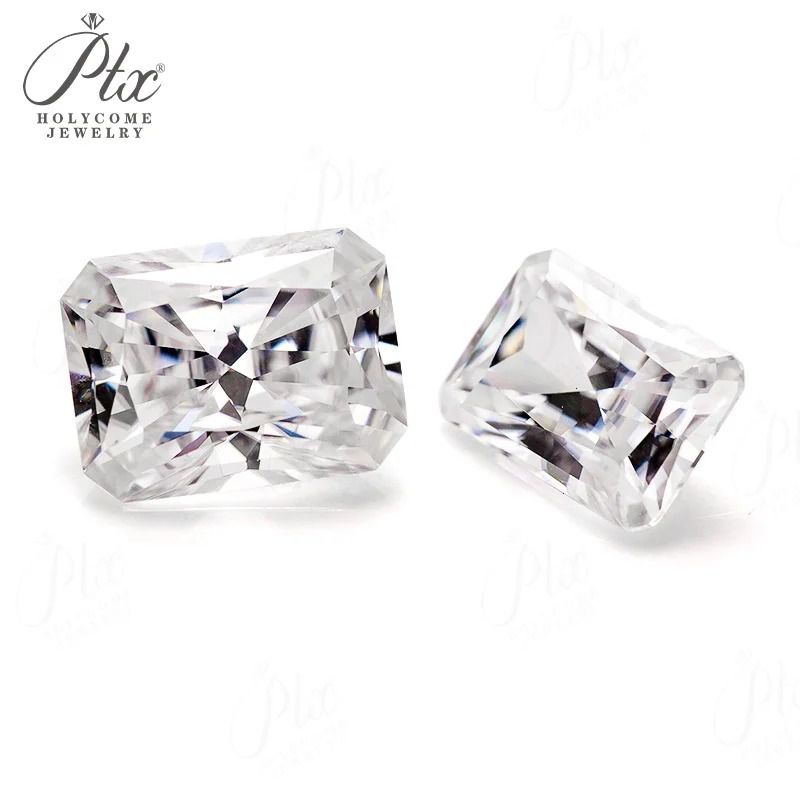
A radiant cut has trimmed, clipped corners and a full brilliant facet pattern across the top. It reads as a modern, architectural rectangle that still fires like a round. The corners are cut away, which means the stone wears well in a prong setting and shows less of the soft, pillow-like fullness of a cushion. Radiants feel contemporary, slightly geometric, and pair beautifully with east-west settings.
A cushion cut, by contrast, has rounded, pillow-like corners and a softer outline. Traditional cushion cuts use a larger, chunkier facet pattern that emphasizes warmth and depth, while modern cushions lean into a brilliant pattern for more sparkle. The cushion feels romantic and vintage, and it is a favorite for halo settings because its soft edges play well with a surrounding ring of accents.
Why brides choose these shapes
Radiant and cushion cuts are flattering. Their rectangular length elongates the finger, and the softened corners avoid the sharp, lengthening effect that can make a princess cut look severe. For brides with shorter fingers, an elongated cushion or radiant reads elegant without looking bulky. For wider fingers, the soft outline feels less imposing than a square princess.
They also photograph beautifully. The faceting catches light in wedding and engagement photos in a way that a flat emerald cut often does not, and the softened shape feels romantic in both modern and vintage-inspired settings. If you are helping a client compare options, our moissanite shape comparison walks through the full menu so the differences are concrete.
What to check when buying loose stones
With moissanite, color and clarity remain the primary checks regardless of shape. Aim for the color grade your market expects, and inspect for inclusions or clouding under a loupe. But rectangular shapes introduce a few shape-specific checks. Look at the length-to-width ratio: an elongated cushion or radiant (around 1.2 to 1.4 length to width) feels modern, while a near-square reads classic. Customers often have a preference once they see both, so offering both ratios helps the sale.
Corner integrity matters. On radiants, the trimmed corners should be even and not chipped, since those corners take the most pressure in a setting. On cushions, the rounded corners should be smooth and symmetrical. Always view the stone face-up under good light to check that the pattern looks balanced rather than dark in the center. Our broader guide on buying loose moissanite wholesale covers the general grading and certificate (FTC jewelry industry guides) steps.
Settings that flatter each cut
Radiant cuts pair beautifully with slim solitaire prongs, bezel settings, and east-west orientations that emphasize their geometry. A halo around a radiant makes it read larger and modern. Cushion cuts love halos, vintage-inspired milgrain settings, and three-stone designs where the soft corners nestle against smaller side stones. Both shapes work well in yellow gold, which warms the stone, or platinum, which keeps it icy.
Because these shapes are often chosen for custom work, having loose stock ready shortens turnaround. Our overview of building a custom jewelry business around loose stones explains how to keep the right shapes on hand so you can build a setting around the stone rather than the other way around.
Pricing and inventory logic
Radiant and cushion moissanite often sit in a similar price band to other fancy shapes, but their desirability is high relative to stock. Because many jewelers default to round and oval, a small selection of loose radiant and cushion stones can differentiate your custom offering. Start with one square and one elongated cushion, plus one rectangular radiant, in a popular carat range. Keep certificates with each stone so customers can verify grades on the spot.
The takeaway
Radiant and cushion cuts give brides a soft, modern alternative to the round and oval defaults. They are flattering on many finger types, photograph beautifully, and adapt to both contemporary and vintage settings. For jewelers, carrying a focused loose-stone selection in these shapes opens the door to custom orders from customers who want something other than the obvious. Learn the ratio, inspect the corners, match the setting to the softness of the shape, and these cuts will become some of your most requested custom pieces.
The Gemological Institute of America’s gem encyclopedia is an authoritative, widely cited reference on moissanite and diamond quality factors.
Frequently Asked Questions
Is moissanite a good diamond alternative for retail buyers?
Yes for price-sensitive customers who want brilliance and hardness. Moissanite ranks 9.25 on the Mohs scale, holds up to daily wear and costs a fraction of a natural diamond of the same size, so it resells fast in bridal and fashion lines.
What is the minimum order for wholesale moissanite?
MOQ starts at 50 pieces per design for stock items. Custom cuts and private-label settings usually start at 100–300 pieces depending on the mold.
Do you provide certificates with moissanite stones?
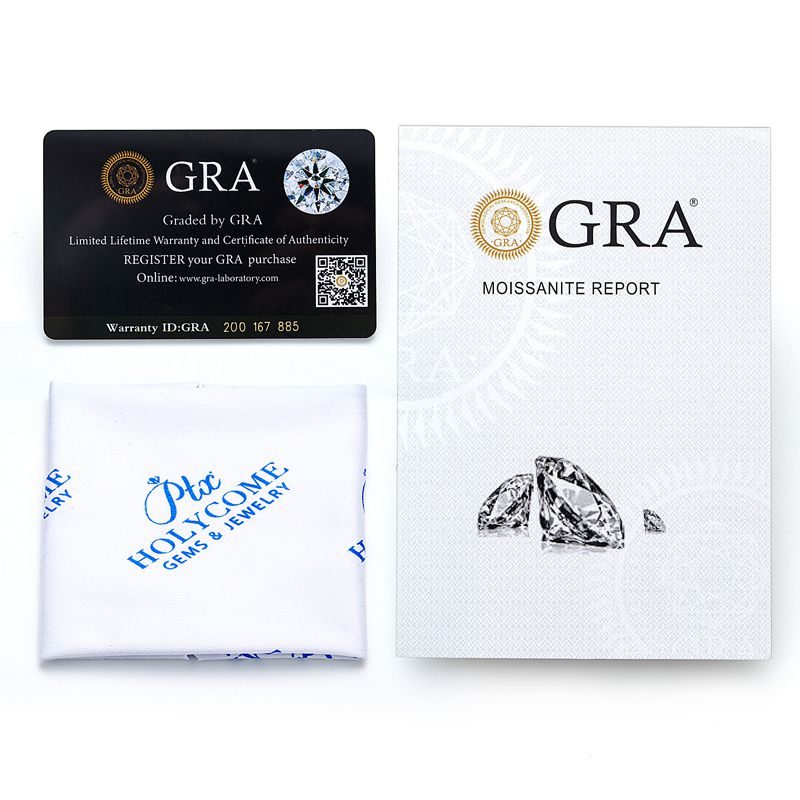
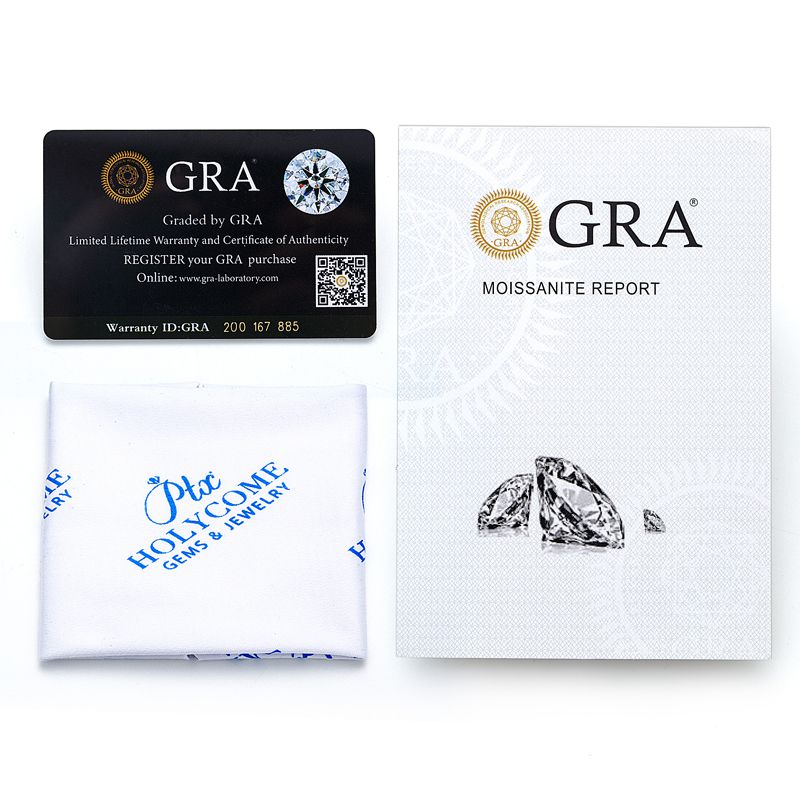
Yes. Every parcel ships with GRA or IGI documentation listing carat weight, color grade and cut. We recommend passing the certificate to your end customer for trust.
How long does sample and bulk production take?
Samples ship in 3–5 days. Bulk runs take 15–20 days under 500 pieces, and 25–30 days for custom work.
Send your spec sheet — stone, cut, size, plating and quantity — and we will return a costed timeline.
Ask the workshop