Engagement Rings
Moissanite vs Diamond on a Bride's Hand: Photo Reality
At a bridal fair last spring, we set a 1-carat equivalent near-colorless moissanite and a 1-carat round brilliant diamond on the same size-7 demo hand, side by side. We asked visitors to identify which was which. About six out of ten guessed wrong under showroom light. In direct daylight, the moissanite flashed more rainbow. Under camera flash, the moissanite bloomed. That photo-real comparison is what customers want to see before they buy, and it is what a wholesale buyer should be able to explain confidently. Here is what actually shows up on a bride's hand in real conditions.
In daylight: the fire difference is visible
Moissanite's refractive index (2.65) is higher than diamond's (2.42), and its birefringence splits light into rainbow flashes. In bright natural light, a near-colorless moissanite reads as more fiery and colorful than a white diamond of the same size. Diamond reads as crisp white sparkle; moissanite reads as lively rainbow sparkle. Neither is "better"; they are different signatures. The optical facts are summarized in the moissanite optical reference. For a bride who wants a vivid, eye-catching stone, moissanite photographs beautifully.
Indoor and showroom light: they converge
Under warm indoor light or diffused showroom lighting, the two stones look much closer. The rainbow fire softens, and the white brilliance dominates. This is why the same hand can look indistinguishable in a jewelry store and lively outdoors. A buyer should demonstrate both conditions: hold the hand under the spot light, then walk it to the window.
Under camera flash: moissanite wins the photo test
Bridal customers share photos, and the camera treats the two stones differently. A diamond under flash produces balanced white reflections. A moissanite under flash produces larger, more colorful flashes that read well on screen. This is a strong e-commerce argument: moissanite product photos tend to pop. The trade-off is that in low, flat lighting, a lower-cut-grade moissanite can show a slight gray-green tint; near-colorless commercial grades minimize this. Pair the photo logic with an open setting from light-maximizing solitaire designs.
What the customer is really comparing: price and story
On the hand, the visual difference is subtle. The price difference is not. A moissanite solitaire delivers a 1-2 carat look at a fraction of a mined diamond's cost, and it is a lab-created, conflict-free stone. For the customer comparing the two on the same hand, the decision usually comes down to budget and whether she wants the diamond label. The regulatory framing matters: the FTC Jewelry Guides require that a lab-created stone be disclosed as such, so market the difference honestly and the photo comparison becomes a trust-builder, not a gimmick.
Why near-colorless grading matters for photos
The photo comparison lives or dies on the color grade. A lower-grade moissanite can show a gray-green tint in flat light, which photographs dull. A near-colorless grade keeps the stone white and bright across lighting conditions. When you stock for product photos, specify the near-colorless grade, and shoot the ring in both daylight and indoor light so the listing is honest. The customer who sees real photos buys with confidence and returns less.
How to talk about the price gap without overclaiming
The honest pitch is straightforward: near-colorless moissanite delivers a similar face-up look at a lower cost, and it is a lab-created stone. Do not claim it is identical to diamond. Customers who expect an exact copy will be disappointed under magnification; customers who want the look and the value will be delighted. Frame it as a value choice, not a fake, and the photo comparison reinforces rather than undermines trust.
Can a jeweler tell moissanite from diamond on the hand?
By eye alone, rarely on the hand. A trained tester uses a thermal or electrical probe, because moissanite conducts differently than diamond. On the customer's finger, visual ID is unreliable.
Does moissanite look cheap next to a real diamond?
Near-colorless, well-cut moissanite does not. It reads as a bright, lively stone. Lower grades with strong tint can look less premium, which is why factory-direct grading matters.
Which stone photographs brighter for a bridal listing?
Moissanite, under flash and bright light, tends to produce larger colorful flashes that pop on camera. Diamond produces crisp white sparkle. Shoot both and let the listing show the real character.
Does moissanite scratch or cloud over time?
No clouding. At 9.25 Mohs, moissanite is second only to diamond in hardness and resists scratching. It needs occasional cleaning to keep the fire, but it does not dull the way softer stones do.
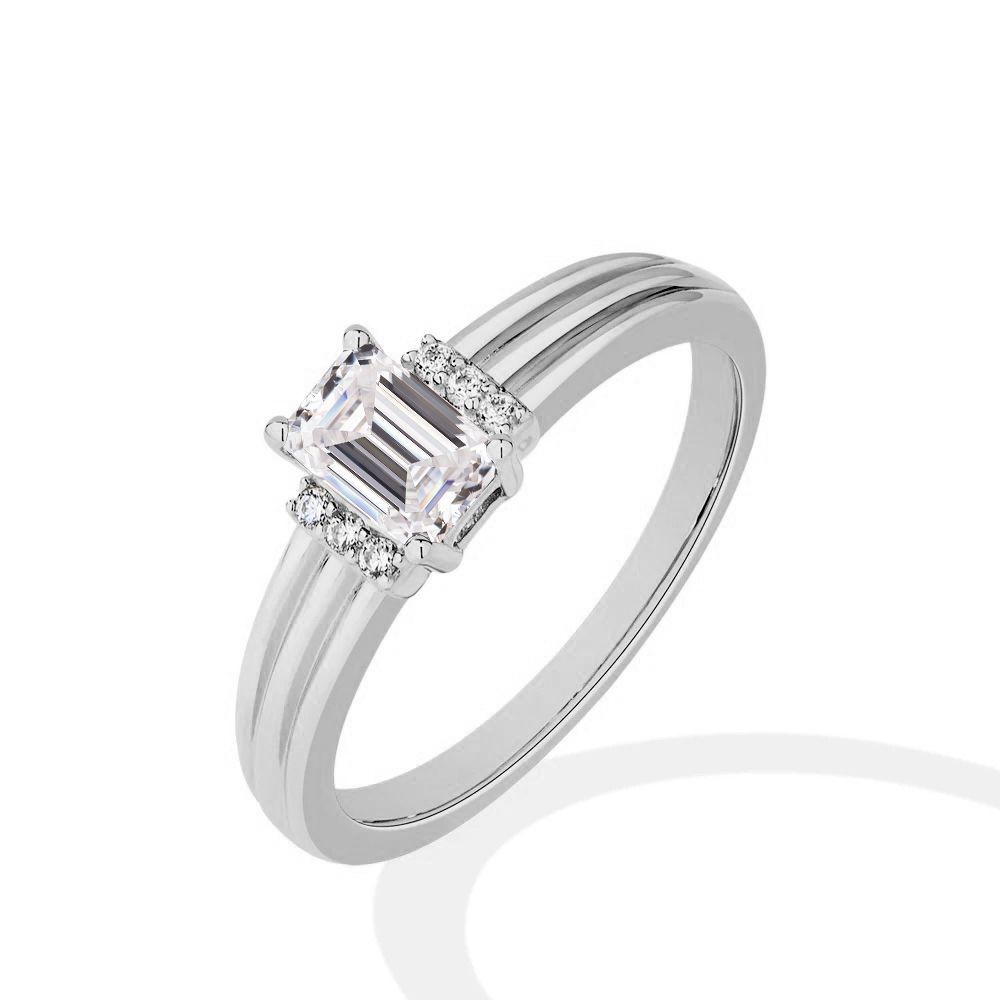
Wholesale note: HOLYCOME supplies near-colorless moissanite solitaire and trilogy rings that read as bright, diamond-adjacent stones on the hand, with IGI-style grading packets and honest lab-created disclosure per FTC guidance. If your store wants a stone that photographs as vivid as it wears, request a side-by-side sample against a diamond and test both in showroom and daylight. Build the range with our bride-facing moissanite guide, compare cuts with oval vs round on-hand picks, and document every stone against IGI grading standards.
Frequently Asked Questions
Is moissanite a good diamond alternative for retail buyers?
Yes for price-sensitive customers who want brilliance and hardness. Moissanite ranks 9.25 on the Mohs scale, holds up to daily wear and costs a fraction of a natural diamond of the same size, so it resells fast in bridal and fashion lines.
What is the minimum order for wholesale moissanite?
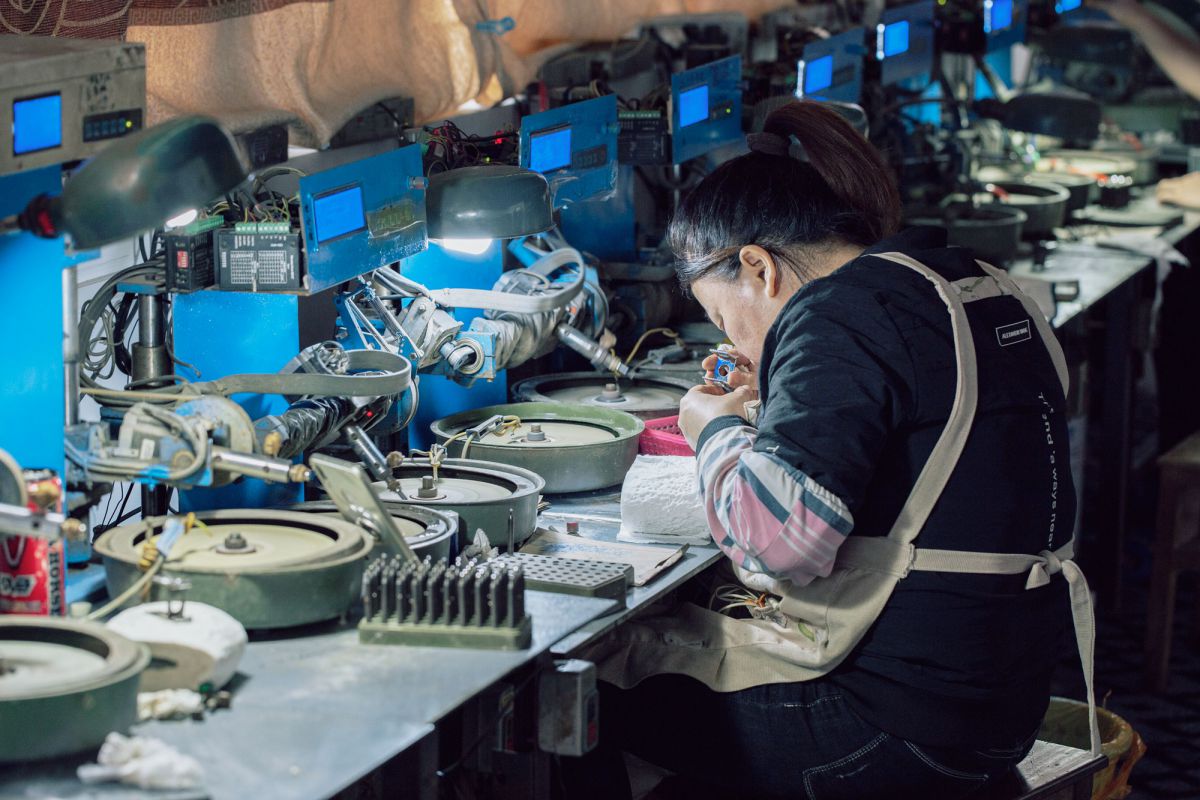
MOQ starts at 50 pieces per design for stock items. Custom cuts and private-label settings usually start at 100–300 pieces depending on the mold.
Do you provide certificates with moissanite stones?
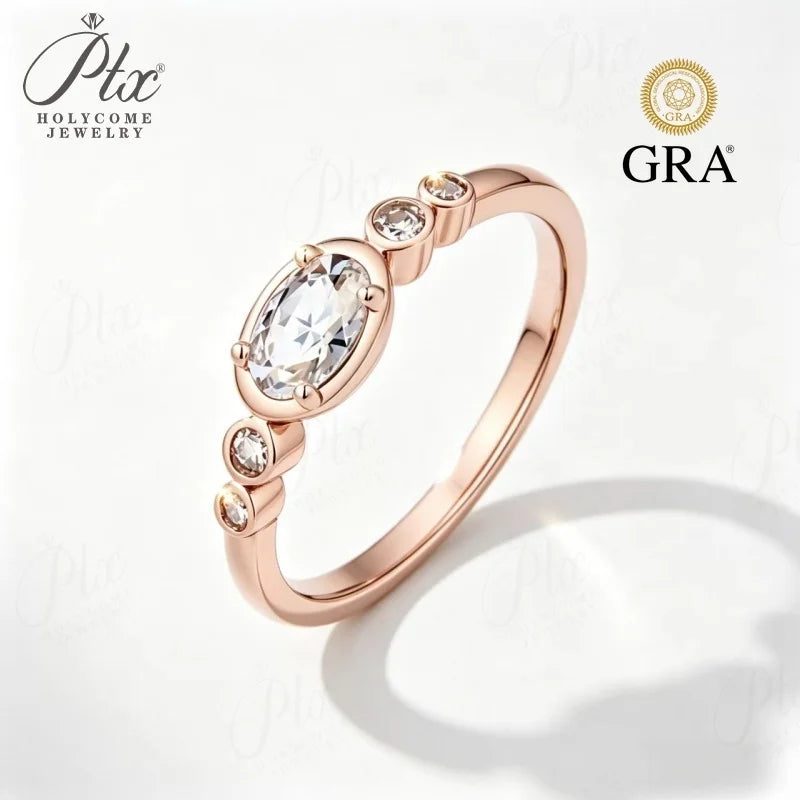
Yes. Every parcel ships with GRA or IGI documentation listing carat weight, color grade and cut. We recommend passing the certificate to your end customer for trust.
How long does sample and bulk production take?
Samples ship in 3–5 days. Bulk runs take 15–20 days under 500 pieces, and 25–30 days for custom work.
Send your spec sheet — stone, cut, size, plating and quantity — and we will return a costed timeline.
Ask the workshop