Loose Stones
Loose Stones Valentine Program: MOQ, Mixed Designs and the Real First Order
MOQ, Mixed Designs and the Real First Order
Last April, a US buyer of loose Stones placed 300 loose Stones against a sample signed in August. The first container landed with 9 pieces that failed on sieve drift alone, and USD 5-30 landed on the buyer's P&L before a single unit sold, on a 300-piece Valentine Program order at USD 3-106.
Nobody on that bench was careless. They were working to a spec that existed only in a photograph, and sieve drift is what a photograph fails to define, and the Valentine Program quote for it sits at USD 3-106.
The fix cost about 6 seconds per loose Stone and removed the credit note entirely. That is the whole economics of a spec sheet, and it is why we write one on every quote, and 300 pieces leaves Wuzhou in heart gift box at USD 3-106.
What US buyers Check Before They Sign
Four lines decide whether loose Stones at USD 3-106 sells through or comes back, and none of them appears on a typical trading-company quote.
| Spec point | Common trade output | HOLYCOME standard | Cost if missed |
|---|---|---|---|
| Hallmark depth and placement | Stamped where it fits | Fixed position, depth measured so it never breaks the shank | Customs query and remaking |
| Solder flow at the joint | Not inspected | Joint inspected under 10x before setting | Crack at the seam in transit |
| Plating thickness | Nominal only | 0.20 micron rhodium logged per lot, 3 microns on vermeil | Wear-through inside one season |
| Surface porosity after polish | Seen after plating | Cast porosity checked before plating, rejects pulled at that stage | Plating blister six weeks later |
Put these four into the purchase order and the Valentine Program argument after delivery becomes arithmetic, with IGI report and heart gift box stated on the same sheet.
Where USD 3-106 Per Piece Actually Goes
Cost per piece at USD 3-106 leaves little room for assumption. The table shows which line compresses and which one only moves quality.
| Cost line | Share | What moves it |
|---|---|---|
| Base metal or alloy for loose Stones | 30% | Alloy choice and casting yield |
| Stone or melee for loose Stones | 20% | Sieve range and lot batching |
| Setting and finishing labor for loose Stones | 19% | Jig design and bench minutes |
| Plating, polish and QC for loose Stones | 12% | Per-tray versus per-piece checks |
| Packaging for loose Stones | 19% | heart gift box |
A factory with no bench minutes per piece has never costed loose Stones at USD 3-106. Ask for minutes and for the reject rule.
Order Terms, Sample Timing and Packing
The commercial frame is short enough to state in full. Minimum order is 50 pieces per design, and mixed designs travel in one shipment, so a 300-piece Valentine Program order can carry three or four models without a separate setup charge. Sample pieces leave in 3-5 days when the components are in stock, and a new model adds about twenty days before the first article exists, and at USD 3-106 for 300 pieces that is the number the buyer signs.
Payment is 30 percent with the order and 70 percent against the bill of lading, with the balance window stated on the invoice rather than agreed by message. Prices quoted at USD 3-106 are FOB Guangzhou or Shenzhen; DDP is quoted separately because the duty line moves with the tariff schedule and not with our cost.
Packing follows the heart gift box format at 300 pieces to the carton, and the packing list carries SKU, size and stone size so receiving can count without opening every box. Private-label cartons add three days for the print run and must be approved before the first bulk order, not after it, certified IGI report and packed heart gift box at 300 pieces.
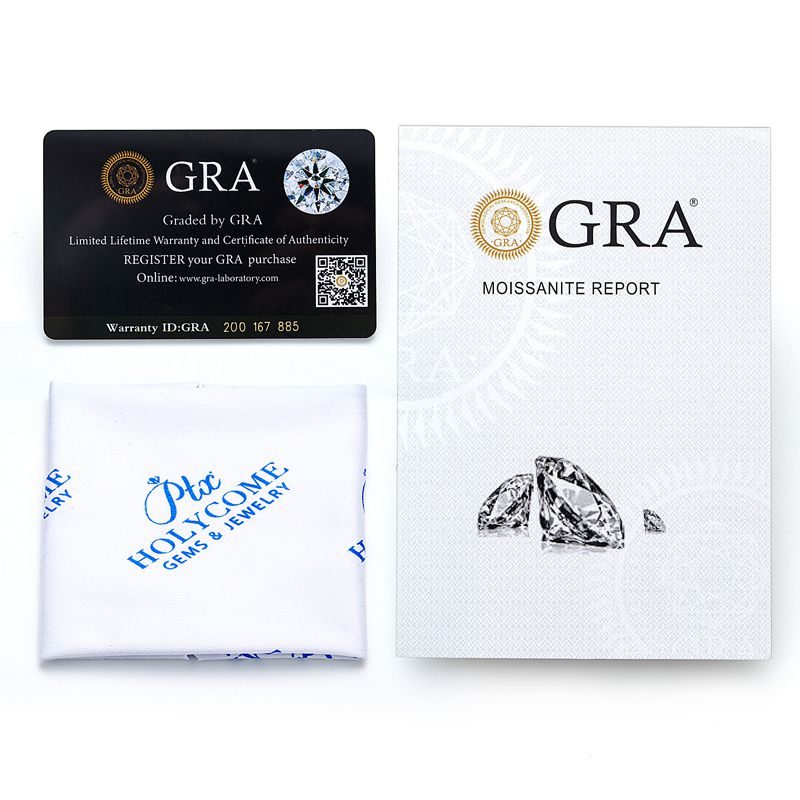
Certification is IGI report for the lots that carry it, with a batch report and per-piece measurement of size distribution within the declared sieve for the lots below the threshold. The document set travels with the shipping papers, which is what a customs broker asks for at the port rather than after clearance, certified IGI report and packed heart gift box at 300 pieces.
A rejected tray is settled inside the same order cycle against the retained reference piece. If the difference sits on our retained sample we replace or credit; if it appeared in transit we split the assay cost and file with the carrier, and that rule is written on the order before the deposit clears, with IGI report and heart gift box stated on the same sheet.
The Three Failures We See Most in Incoming Samples
sieve drift
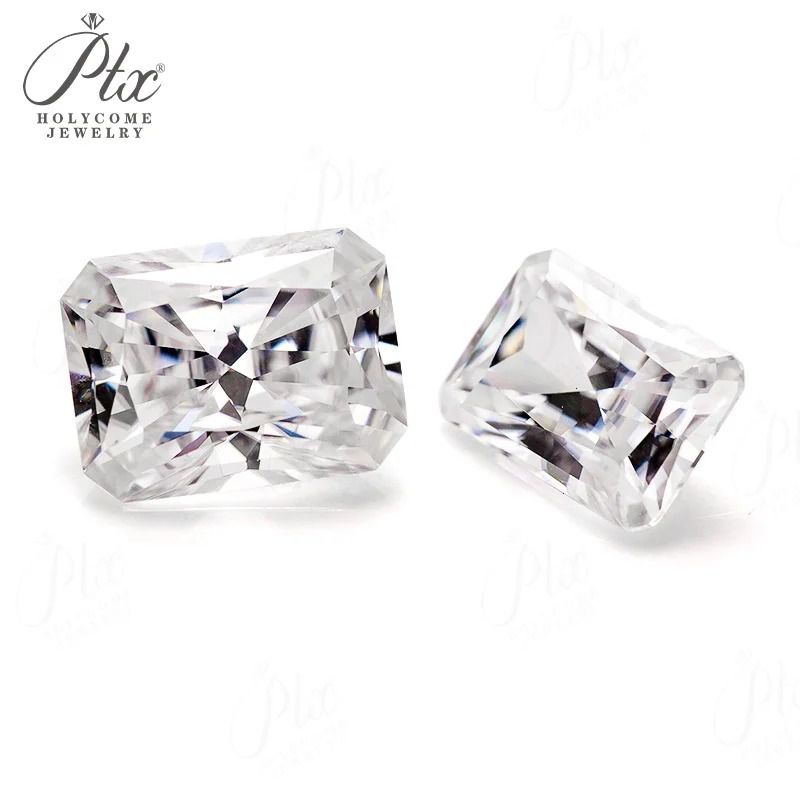
A parcel sold as 2.0-2.2 mm with 15% of stones at 1.9 mm changes the setting labor on the buyer's bench. Sieve the parcel, do not sample it, shipped as heart gift box and certified IGI report.
The commercial effect is replacement stones plus a sorting delay on the buyer's line. Buyers who have seen it once put it in the purchase order; buyers who have not usually discover it on the first return, and at USD 3-106 for 300 pieces that is the number the buyer signs.
mixed color lots
Mixing near-colorless and G-H stones in one parcel produces a finished piece with a visible tonal step. Parcels ship by single lot, and at USD 3-106 for 300 pieces that is the number the buyer signs.
Our countermeasure is a gauge and a written limit. It adds about 6 seconds per piece and removes the defect from the run rather than from the carton, and 300 pieces leaves Wuzhou in heart gift box at USD 3-106.
girdle damage
Stones packed loose in a bag chip each other in transit. Individually wrapped parcels cost more and arrive usable, which the Valentine Program file records at USD 3-106 in heart gift box.
In a 300-piece run this typically shows on 14 of pieces. Catching it means measuring size distribution within the declared sieve at the tray level, not inspecting the finished carton, and 300 pieces leaves Wuzhou in heart gift box at USD 3-106.
MOQ, Mixed Designs and the Real First Order
Buyers who have run three programs on loose Stones know this instinctively; first-time buyers learn it the expensive way, the figure being USD 3-106 for a 300-piece run.
At 300 pieces the arithmetic on loose Stones changes: the fixed costs spread, the variable costs do not. That is why the second order prices better than the first even when the gold fix has moved up, certified IGI report and packed heart gift box at 300 pieces.
We quote both a first-run price and a reorder price for loose Stones on the same sheet so the buyer can see where the curve flattens. Most flatten by the third run, and at USD 3-106 for 300 pieces that is the number the buyer signs.
Sample to Container: The Real Calendar
The short version for loose Stones: it is arithmetic, not relationship. The long version is below, priced at USD 3-106 for the 300-piece Valentine Program run.
One practical note on timing for loose Stones: the calendar starts when the spec is signed, not when the deposit clears. A buyer who signs in week one and pays in week three gets the goods in week five, which is how the Valentine Program account reads it at USD 3-106.
We date the loose Stones proforma from signature for that reason, and we state the deposit deadline in the same email that carries the spec sheet, which is how the Valentine Program account reads it at USD 3-106.
Valentine Window for loose Stones
The Valentine window is short and unforgiving: stock has to be in the warehouse by the last week of January or the season is gone. That puts the production order in the second week of December, ahead of the Lunar New Year slowdown, and 300 pieces leaves Wuzhou in heart gift box at USD 3-106.
Paired designs move better than single pieces here. A matching pair of loose Stones, boxed together with two cards, converts at the same retail price as two singles and costs about nine percent more to make, quoted at USD 3-106 per piece in heart gift box.
Photography has to be red-and-white neutral. A loose Stone shot on a red silk background reads as a gift in a listing thumbnail, and that is the only image most buyers will ever see, certified IGI report and packed heart gift box at 300 pieces.
How a Repeat Order Gets Built
The sequence below is fixed for a Valentine Program run. The dates move with the stone lot, not with the shipping season, shipped as heart gift box and certified IGI report.
- Lock the spec: metal, stone size range, plating thickness, sizing band and finish, all written on one sheet.
- Pull a stock-component sample in 3-5 days and measure it against that sheet, not against the photo.
- Approve the sample in writing, including the reject rule and the retained reference tray.
- Run bulk in 15-20 days for orders under 500 pieces, with the gauge check independent of the shift.
- Ship from Guangzhou or Shenzhen with the QC sheet in the carton and the batch report by email.
Reorders inside this sequence run 12-15 days, because the model and the gauge set stay here after the Valentine Program shipment, and at USD 3-106 for 300 pieces that is the number the buyer signs.
What This Means for a First Order
A first Valentine Program order of 50 pieces per design at USD 3-106 is a test of the line, not a commitment to the range.
Ask for the retained tray and the batch report with the first shipment. Both are free and both decide the second order, priced at USD 3-106 for the 300-piece Valentine Program run.
Freight, Duty and the Arrival Check
Export runs through Guangzhou or Shenzhen. Air freight lands in 5-8 days on the US west coast and 7-10 on the east, and at USD 3-106 for 300 pieces that is the number the buyer signs.
For a first order, DDP matters more than the freight rate. The surprise is the duty line, not the per-kilo charge, which is USD 3-106 on the Valentine Program schedule.
Check the count, the weight and size distribution within the declared sieve and zero girdle chips on arrival before the carton goes to the shelf. Twenty minutes at receiving saves a season of returns, on a 300-piece Valentine Program order at USD 3-106.
Frequently Asked Questions
What are the payment terms?
30 percent deposit with the order, 70 percent against the bill of lading. For accounts on a second order we quote 30/70 with a 15-day balance window once the first shipment has cleared, and the Valentine Program quote for it sits at USD 3-106.
What is the minimum order for loose Stones?
50 pieces per loose Stone. Designs mix inside one shipment, so a first order of three designs at 50 pieces each is normal for a new US account. Below 50 the gauge check stops being independent of the shift, which is USD 3-106 on the Valentine Program schedule.
Do you supply certificates for loose Stones?
IGI report on loose Stones above the threshold stated on the quote. Below it we supply a batch report plus per-piece measurement of size distribution within the declared sieve, which is what a counter or a listing actually needs, which is how the Valentine Program account reads it at USD 3-106.
How do you handle a rejected tray?
We replace or credit inside the same order cycle. The retained reference tray decides: if sieve drift shows on our retained piece we own it, and if it appeared in transit we split the assay cost and file with the carrier, quoted at USD 3-106 per piece in heart gift box.
What are the payment terms?
30 percent deposit with the order, 70 percent against the bill of lading. For accounts on a second order we quote 30/70 with a 15-day balance window once the first shipment has cleared, and the Valentine Program quote for it sits at USD 3-106.
Next Step
The next step is a sample in 3-5 days, not a container. Write to service@holycome.com or WhatsApp +86 133 7744 7107 and mark it Valentine Program, and at USD 3-106 for 300 pieces that is the number the buyer signs.
HOLYCOME is operated by Wuzhou HengliLai Jewelry Co., Ltd., a factory in Wuzhou, Guangxi, producing since 2009 at roughly 60,000 pieces a month. Contact service@holycome.com or WhatsApp +86 133 7744 7107, which is how the Valentine Program account reads it at USD 3-106.
Related reading: Loose Stones Made to Order: Sample to Container: The Real Calendar - HOLYCOME Engagement Rings Trade Show Sample: The Reject Tray Policy That Decides a Partnership - HOLYCOME
Send your spec sheet — stone, cut, size, plating and quantity — and we will return a costed timeline.
Ask the workshop