Loose Stones
Offering Loose Moissanite Replacement Stones: A Retail Repair Program
Every jeweler knows the moment. A customer walks in, pale, and opens her hand. The center stone that left your store two years ago is gone, and the setting is empty. The old retail instinct is to quote a repair and hope the customer does not compare prices online. The smarter move is to have a loose replacement stone ready to drop in that same day. That is the promise of a loose moissanite replacement program.

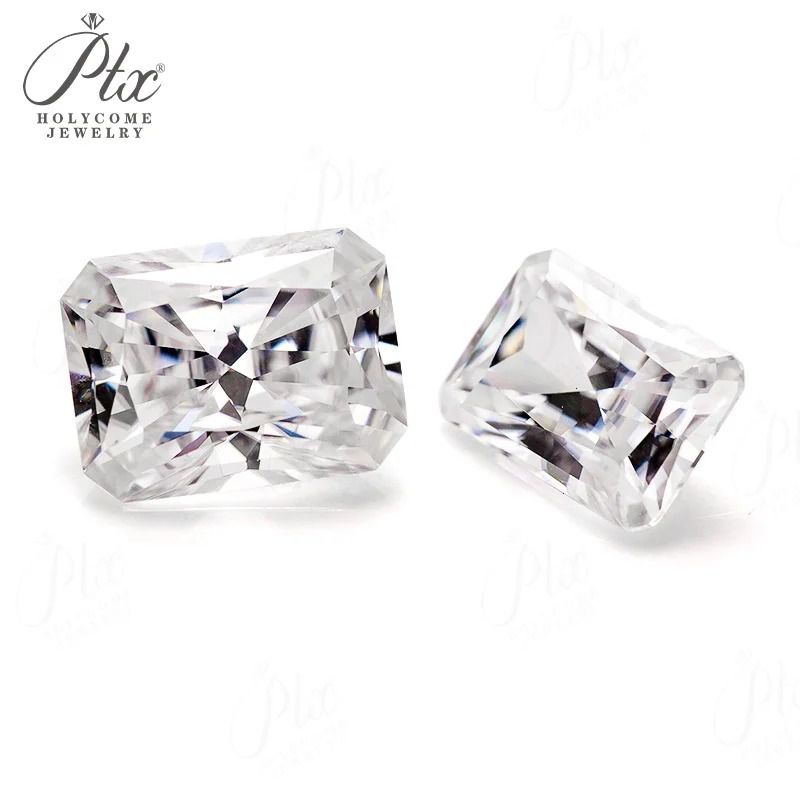
Moissanite is ideal for this kind of repair service because it is sold in standardized millimeter sizes, unlike natural diamonds which are graded individually. A 6.5 mm round moissanite is a known quantity. Stock a few of the most common sizes, and most replacement jobs become same-day fixes rather than two-week customs orders.
Why retailers should run this program
A lost stone is a moment of panic for the customer. Whoever resolves it quickly and fairly earns that customer for life. Send her to a generic online repair service, and she learns a habit. Stock the stone, retip the prongs, and hand the ring back by lunch, and she will return for anniversaries, gifts, and referrals. The repair ticket becomes a relationship builder, not a cost center.
Margin-wise, replacement stones are among the best SKUs you carry. You already have the customer in the store. The labor is short. The emotional price sensitivity is low because the alternative is going without her ring. Compare that to competing on a new engagement ring, where shoppers price-shop aggressively.
Which sizes to stock
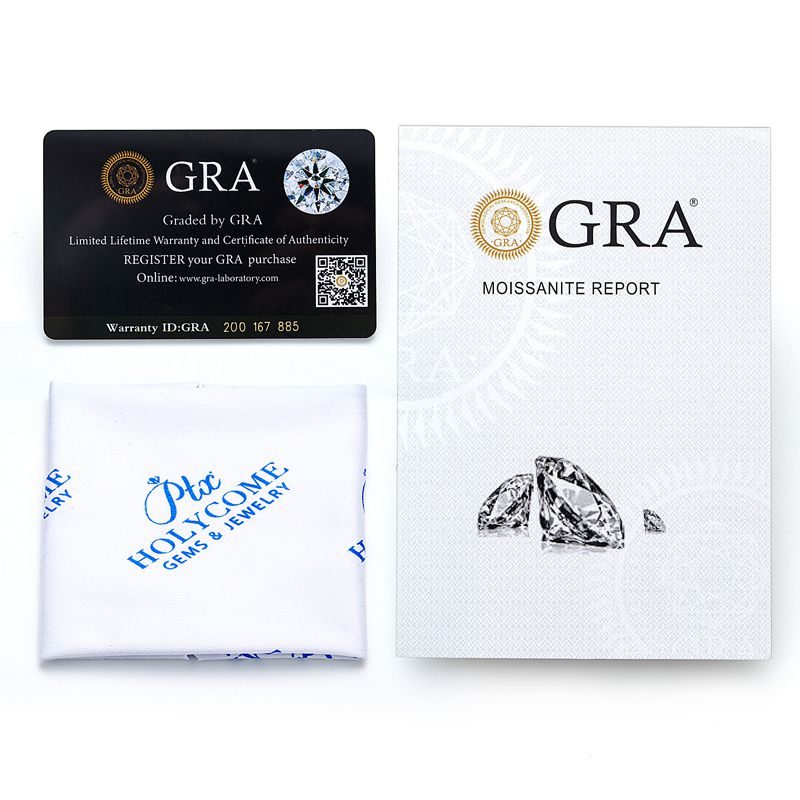
Not every loose stone belongs on your shelf. Focus on the sizes that appear in 80 percent of your sold rings. For most US retailers, that means round stones from 5 mm to 8 mm, plus oval and pear shapes in the two most popular carat equivalents. Read through our mm size guide to map which carat weights your customers actually buy, then stock those exact millimeter sizes. Pair that with the GRA-certified loose stone program so every replacement carries a matching certificate (per GIA's diamond grading standards) if the customer asks.
The repair conversation
When a customer arrives with an empty setting, work the problem in three steps. First, confirm the size by measuring the seat with a gauge. Second, explain prong condition — a stone usually falls out because the prongs have worn thin, not because the stone was defective. Retip or rebuild the prongs while you have the ring. Third, set the new stone and show the customer the tightened prongs under magnification.
This is also the moment to share preventive care. Our at-home cleaning guide doubles as a reminder that regular prong checks prevent loss. A customer who just survived a lost stone will book the next annual check without hesitation.
Pricing the service
Be transparent. Charge for the stone, the labor, and the prong work as separate line items so the customer sees value rather than a single scary number. Avoid nickel-and-diming on the small stuff — a free cleaning while she waits builds goodwill far beyond the few minutes of bench time. The goal is to make her feel that your store handled an unfortunate moment with competence and care.
If the lost stone happened to be a natural diamond, the same program logic applies to sourcing a replacement through your loose-stone custom workflow. The pricing and communication for those larger replacements follows the same transparent line-item approach.
Building the repeat loop
A replacement repair is the start of a service agreement, not the end of a transaction. Add the customer to a yearly prong-check reminder list. Include a small card with the ring's new stone size and date. When she comes back in eleven months for that check, she will also be in gifting mode for birthdays and holidays. The loose stone on your shelf is the cheapest customer-retention tool you own.
Framing the service as a warranty
Many retailers now fold a free prong check and a discounted replacement stone into the original engagement ring purchase, framing it as a limited lifetime care plan. This costs very little to offer but dramatically raises the barrier to switching stores. A bride who knows her ring comes with annual checks is far less likely to drift to a mall chain when something goes wrong. Even if you never issue a replacement, the promise alone earns loyalty. For customers who bought elsewhere, price the same service fairly; one good repair brings in more referrals than a dozen high-pressure sales appointments.
The bottom line
Stones will be lost. It is not a matter of if, but when. Retailers who treat those moments as service opportunities — with common sizes on hand, honest pricing, and a warm handoff — turn repair calls into the strongest loyalty moments a jewelry store can create. Start with five sizes, track what moves, and grow the stock from there.
Frequently Asked Questions
Is moissanite a good diamond alternative for retail buyers?
Yes for price-sensitive customers who want brilliance and hardness. Moissanite ranks 9.25 on the Mohs scale, holds up to daily wear and costs a fraction of a natural diamond of the same size, so it resells fast in bridal and fashion lines.
What is the minimum order for wholesale moissanite?
MOQ starts at 50 pieces per design for stock items. Custom cuts and private-label settings usually start at 100–300 pieces depending on the mold.
Do you provide certificates with moissanite stones?
Yes. Every parcel ships with GRA or IGI documentation listing carat weight, color grade and cut. We recommend passing the certificate to your end customer for trust.
How long does sample and bulk production take?
Samples ship in 3–5 days. Bulk runs take 15–20 days under 500 pieces, and 25–30 days for custom work.
Send your spec sheet — stone, cut, size, plating and quantity — and we will return a costed timeline.
Ask the workshop